Delta-8 vs. Delta-9 THC: What's the Difference and Which Is Right for You?

Ship to
Delta-8 vs.
Both cannabinoids can come from hemp. Both can get you high. Both can be legal or illegal depending on where you live. And both are wildly misunderstood thanks to a mix of hype, fear, and marketing that screams “totally chill” while whispering “good luck.”
Let’s clean this up.
We’re a hemp delivery brand, so we’ll keep it practical, honest, and a little cheeky. You’ll learn the real difference between delta-8 and delta-9, what to expect from each, and which one makes sense for your tolerance, goals, and lifestyle.
Now let’s earn that confidence with details.
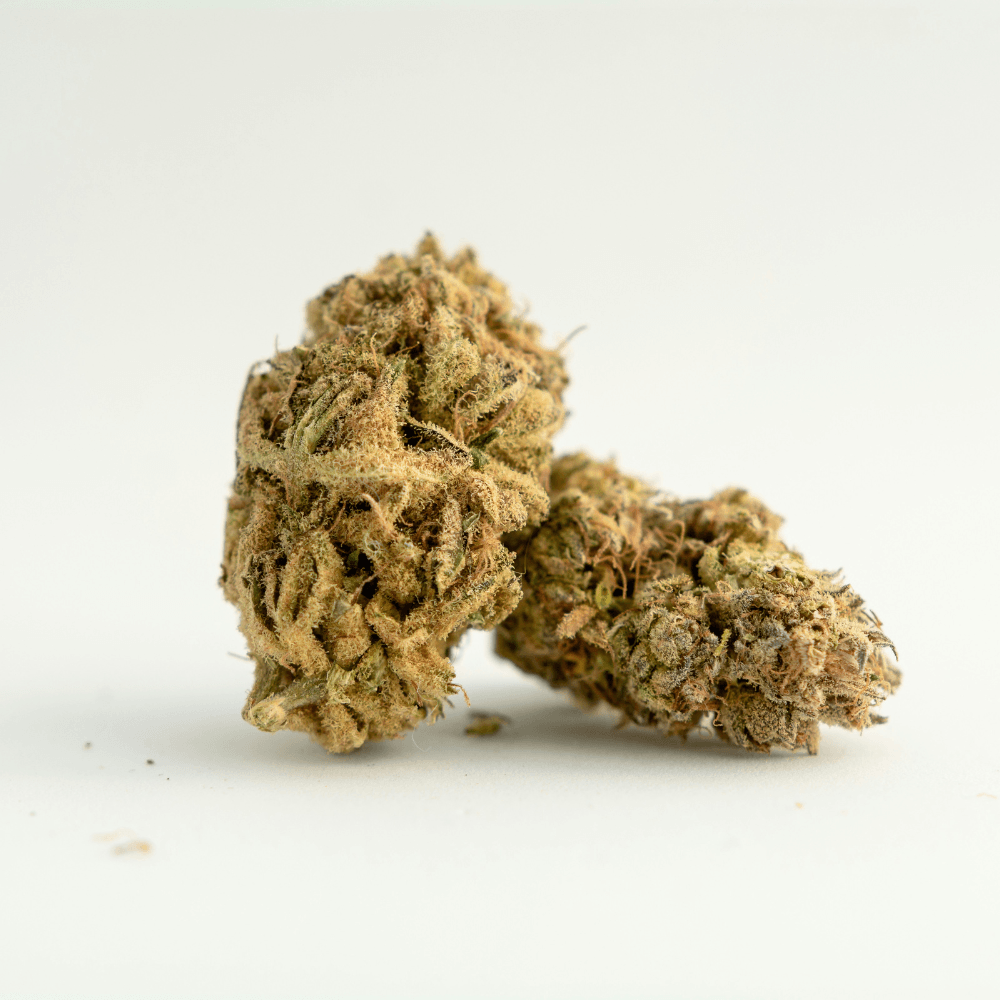
Both delta-8 THC and delta-9 THC are tetrahydrocannabinol compounds. They interact with your body’s endocannabinoid system, primarily by binding to CB1 receptors, which is why they can produce intoxicating effects.
The big idea: They’re extremely similar molecules with one small structural difference that changes how strongly they bind and how they feel.
And yes, this is where we briefly put on lab goggles.
Delta-8 and delta-9 THC have the same atoms arranged in almost the same way. The key difference is the position of a double bond in the carbon ring:
That’s it. One tiny shift.
But that tiny shift affects receptor binding and the overall “punch” of the experience. In plain English: delta-9 tends to hit harder; delta-8 tends to feel gentler.
Yes. Generally, delta-8 THC is about 50% to 70% as strong as delta-9 THC.
That’s the range most people feel in real life, too. Not scientific perfection, but a solid expectation setter.
What that means for you:
Important nuance: Dose still matters. A high dose of delta-8 can absolutely feel intense, especially with edibles. Don’t treat “weaker” as “risk-free.”
Effects vary by person, dose, product type, and setting. Still, patterns show up again and again.
People often describe delta-9 as:
Delta-9 can be amazing. Delta-9 can also be the reason your friend stared at a ceiling fan for 40 minutes and said, “Do you think time is real?”
People often describe delta-8 as:
Delta-8 is often chosen by people who want to unwind without feeling mentally launched into orbit.
Repeat after me: milder does not mean harmless. It just means it’s usually easier to steer.
The cannabinoid matters, but format matters more. Gummies, vapes, tinctures, and flower all play by different rules.
Here are realistic expectations.
Delta-9 typically feels more immediate and forceful. Delta-8 can feel a bit softer on the come-up, but it still comes up fast when inhaled.
Edibles are where people get humbled. Not because they’re reckless. Because they’re impatient.
Be patient. Be patient. Be patient.
A solid middle ground if you want more control than edibles and longer effects than inhalation.
This is where things get spicy, confusing, and extremely state-dependent.
Under the 2018 Farm Bill, hemp is federally legal if it contains no more than 0.3% delta-9 THC by dry weight.
That definition created a massive hemp-derived cannabinoid market, including products that can contain:
So yes, both can be federally legal when derived from hemp and compliant with the 0.3% delta-9 THC by dry weight standard.
Many states have restricted or banned delta-8 THC, often due to:
Translation: You can be federally fine and still locally not fine.
Before you buy or travel, check your state and local laws. And if you’re ordering delivery, make sure the company ships to your state legally. Don’t play “guess the felony.”
Here’s the blunt truth: delta-8 and hemp-derived delta-9 products are only as trustworthy as the brand making them.
Why? Because delta-8 is commonly produced by converting hemp-derived CBD into delta-8 through chemical processes. That makes testing and purification non-negotiable.
Do this every time:
Buy clean. Buy tested. Buy from brands that act like adults.
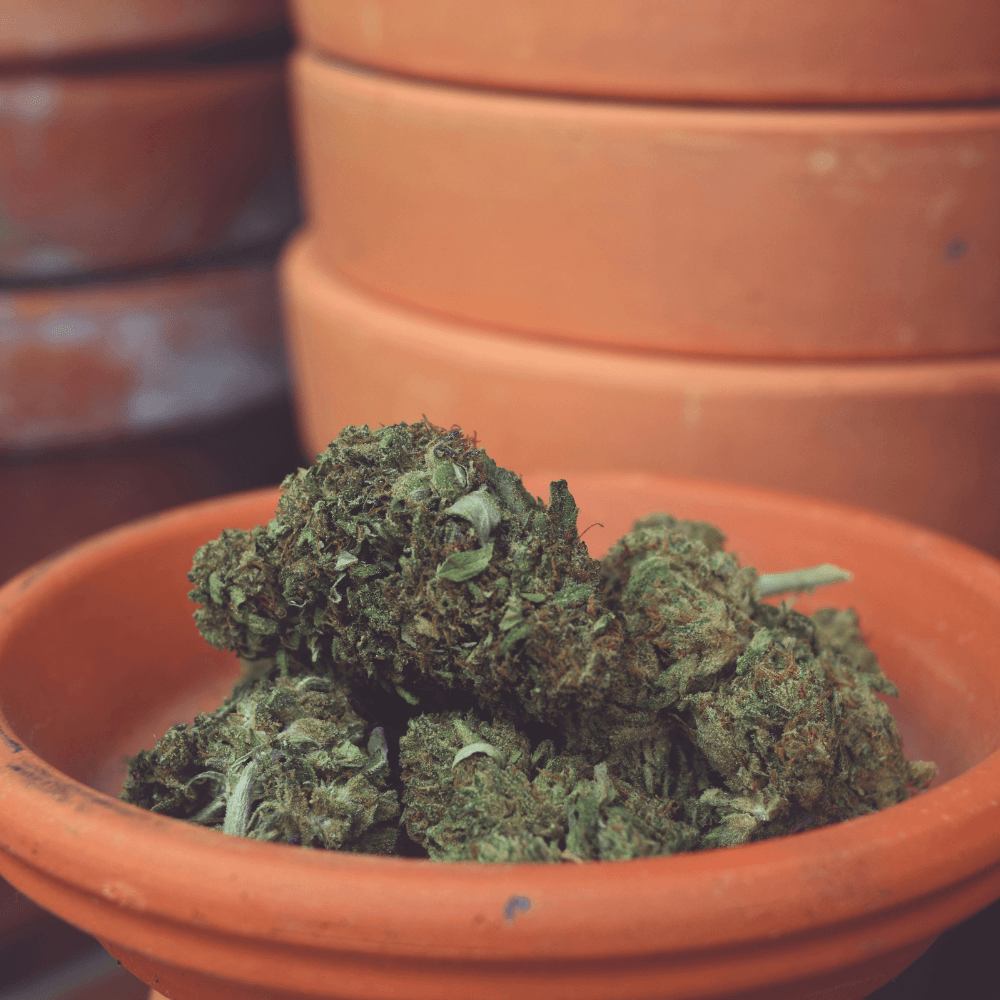
Many people report that delta-8 feels less anxiety-provoking than delta-9, especially at low to moderate doses. That’s one reason delta-8 became popular with:
But here’s the important part: any THC can trigger anxiety if the dose is too high. The “right” cannabinoid won’t save you from a “wrong” dose.
If you’re anxious, do this:
Be calm on purpose.
Delta-8 is often the better pick if you want a gentler ride.
Choose delta-8 THC if you:
Delta-8 is not “diet weed.” It is still THC. It is still psychoactive. It’s just commonly experienced as more forgiving.
Delta-9 is the classic for a reason. It’s strong, familiar, and more predictably “THC” in the way most people mean it.
Choose delta-9 THC if you:
Delta-9 is powerful. Treat it with respect. You don’t “test” delta-9. Delta-9 tests you.
It depends on your brain.
Practical advice:
Also, if sleep issues are chronic, talk to a clinician. THC is a tool, not a diagnosis.
Use this as your decision shortcut:
Pick delta-8 if you want:
Pick delta-9 if you want:
Then do the most important step: start low and go slow.
Everyone wants a clean number. The honest answer is: your ideal dose depends on tolerance, metabolism, product type, and whether you ate a burrito the size of a small car.
Still, here’s a practical starting point for many adults based on research like this one from the Cleveland Clinic Journal of Medicine.
If you’re very sensitive, start even lower. If you’re experienced, you already know your lane. Stay in it.
And repeat: don’t stack doses early. Most “bad edible experiences” are just impatience in a gummy costume.
Yes. Most standard drug tests look for THC metabolites, not “which delta.” Both delta-8 and delta-9 can trigger a positive test.
If you get tested for work, legal reasons, or sports, assume THC is THC. Don’t argue with a cup.
The hemp cannabinoid market has been evolving fast, and regulation has been playing catch-up even faster.
Here’s the risk you should understand going into 2026:
Do this:
Regulation isn’t the enemy. Bad products are the enemy. Clear rules are usually the cleanup crew.
Don’t shop like it’s a gas station mystery snack aisle.
Do this instead:
Buy clean. Dose carefully. Enjoy responsibly.
If you want a smoother, lower-intensity intro to THC, start with delta-8. Keep it calm. Keep it controlled. Keep it enjoyable.
If you want the classic, stronger THC experience and you know how to handle it, go with delta-9. Start low anyway. Yes, even you.
Pick a delta-8 gummy or vape if you want a gentler buzz with a clearer headspace. Start small. Wait. Then decide.
Pick a hemp-derived delta-9 gummy if you want a more traditional THC high with more punch. Start with a low dose and give it time.
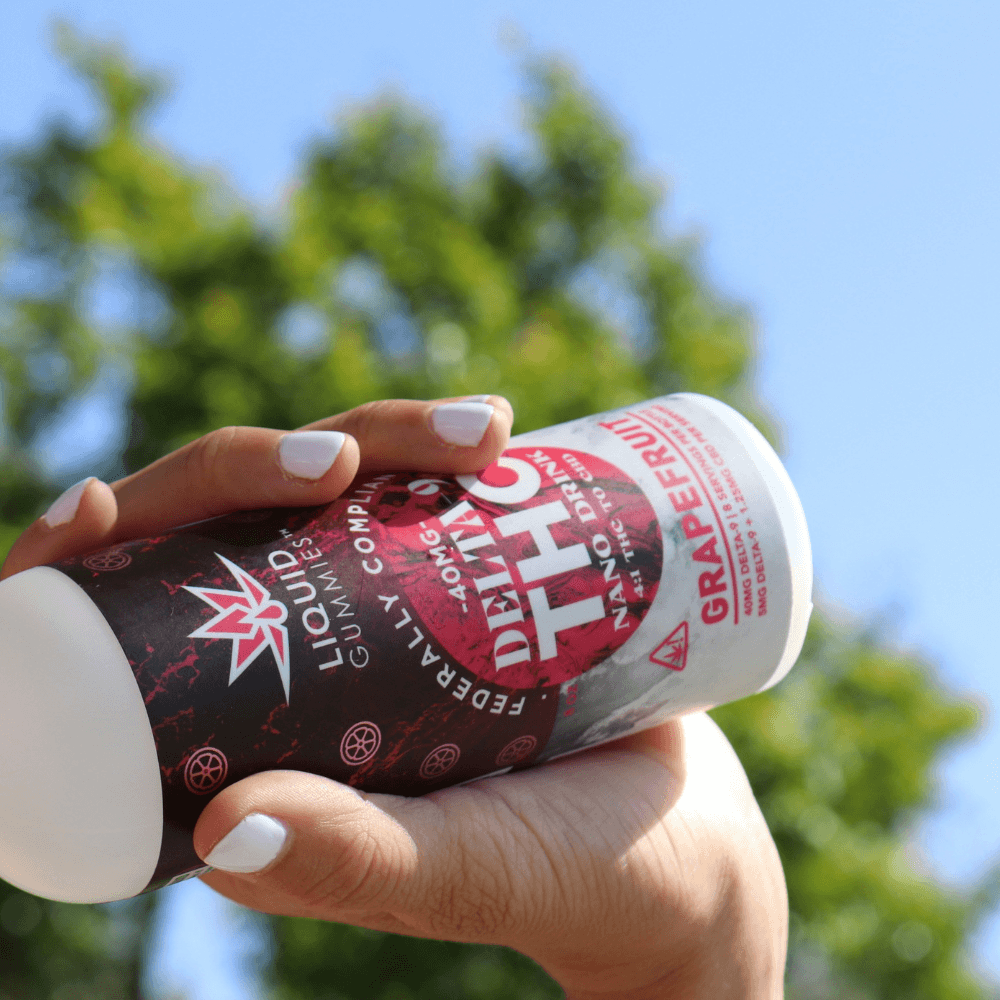
Delta-8 vs. delta-9 THC isn’t a moral debate. It’s a steering wheel.
Delta-8 tends to be smoother and more beginner-friendly. Delta-9 tends to be stronger and more intense. Both can be enjoyable. Both can be too much if you get cocky with dosing.
Pick the one that matches your comfort level, your goals, and your state laws. Then take the smallest step first.
Small dose. Long wait. Good time. Repeat.
The main difference between Delta-8 and Delta-9 THC lies in the position of a double bond in their molecular structure: Delta-9 has it on the 9th carbon chain, while Delta-8 has it on the 8th. This tiny shift affects how strongly they bind to CB1 receptors, making Delta-9 generally stronger and more euphoric, whereas Delta-8 tends to be milder and smoother.
Delta-9 THC typically produces strong euphoria, heightened sensory perception, and more intense psychoactive effects, sometimes leading to anxiety or paranoia at high doses. In contrast, Delta-8 THC offers a calmer, smoother buzz with milder euphoria, clearer headspace, less panic for many users, and noticeable body relaxation without overwhelming mental intensity.
Yes. Generally, Delta-8 THC is about 50% to 70% as strong as Delta-9 THC. While it's milder and often easier to manage, higher doses of Delta-8 can still produce intense effects. So 'weaker' doesn't mean risk-free—dose matters.
Onset times depend more on the product format than the cannabinoid itself. Inhalation (vapes or smokables) usually hits within minutes with effects lasting 1.5 to 3 hours; edibles take 30 to 90 minutes or up to 2 hours to onset with effects lasting 4 to 8 hours; sublingual tinctures onset in 15 to 45 minutes with durations around 3 to 6 hours. Delta-9 often feels more immediate and forceful upon inhalation, while Delta-8’s come-up is softer but still fast.
Both cannabinoids can be legal or illegal depending on local laws where you live. Since both can come from hemp and have intoxicating effects, legality varies widely by jurisdiction. Always check your local regulations before purchasing or using either.
If you prefer a stronger, more euphoric experience and can handle potential mental intensity or anxiety at higher doses, Delta-9 THC might suit you better. If you want a milder, smoother buzz with clearer headspace and less risk of panic—ideal for unwinding without feeling mentally overwhelmed—Delta-8 THC could be a better fit. Consider your goals, tolerance, and how quickly you want effects when choosing.

Jun 22, 2026 Jenna Renz

Jun 22, 2026 Jenna Renz

Jun 22, 2026 Jenna Renz