Hemp-Derived Delta-9 Gummies: Are They Legal, and How Do They Compare to Dispensary Edibles?

Ship to
Hemp-derived delta-9 gummies sit in that beautiful American sweet spot where the law, chemistry, and snack culture collide.
So are they actually legal? Why can they ship nationwide? And how do they compare to the edibles you’d buy at a licensed cannabis dispensary?
Let’s break it down, cleanly and honestly. Then you can decide if hemp delta-9 gummies are your new favorite thing or just a clever loophole wearing a gummy bear costume.
Under U.S. federal law, hemp is cannabis that contains no more than 0.3% delta-9 THC on a dry-weight basis. That “dry-weight basis” phrase is not a vibe. It is the whole game.
If a product is derived from hemp and stays under that 0.3% delta-9 THC limit by dry weight, it can qualify as federally compliant hemp. That’s why many brands can sell hemp-derived delta-9 gummies online and ship them across the country.
But here’s the important part: federal compliance does not automatically mean legal in every state. States can restrict or ban certain hemp cannabinoids, set their own rules, or enforce labeling and testing requirements differently. So the product can be federally lawful and still restricted where you live.
Keep that in mind as we go. This article is education, not legal advice. Your state is the final boss.
The reason hemp-derived delta-9 gummies exist is simple: gummies are heavy. Delta-9 THC is potent, so you can fit a meaningful dose into a small amount of THC, and still keep the percentage low because the gummy’s total weight is high.
Now shrink it down to gummy size.
So a 4-gram gummy can legally contain up to about 12 mg of delta-9 THC and still be at or under 0.3% by dry weight.
That’s not a microdose. That’s a “put on a movie and stop texting your ex” dose.
So a 3-gram gummy can contain up to about 9 mg and still fit the federal definition of hemp.
This is why you’ll see hemp-derived delta-9 gummies sold in 5 mg, 10 mg, even 12 mg pieces. It’s not magic. It’s weight-based compliance.
Gummies are usually low moisture compared to, say, a beverage, but moisture content can still matter in testing. Reputable brands don’t play games here. They test the product and publish results so the numbers are not “trust me bro” math.

In many cases, yes, that’s the point.
If a delta-9 gummy is:
then it can be sold as a hemp product under federal law, which is why brands often ship it nationwide.
But shipping is not a guarantee of legality in your state. Some states restrict:
So the responsible approach is:
Yes, it’s annoying. Welcome to cannabis in America.
Let’s get this out of the way: delta-9 THC is delta-9 THC. If you consume the same milligram dose, the core psychoactive effect profile is broadly similar, because the active molecule is the same one.
The differences usually come from source, formulation, regulation, and labeling discipline, not because hemp delta-9 is some “different kind” of delta-9.
“Hemp” and “marijuana” are both cannabis. The law draws a line based on delta-9 concentration in the plant. Dispensary edibles are typically produced from “marijuana” cannabis (over 0.3% delta-9 in the plant). Hemp edibles are produced from legally defined hemp.
In practice, that means:
Dispensary edibles are usually subject to:
Hemp-derived delta-9 gummies can be excellent, but the hemp marketplace is more uneven. Some brands treat testing like a religion. Others treat it like a suggestion.
So you need to be picky. Be ruthless. Demand COAs. Demand clarity. Demand real batch results.
Dispensary edibles may use:
Hemp delta-9 gummies may use:
This can change the feel. Not because delta-9 changes, but because the supporting cast changes.
Dispensary edibles can range from low-dose to high-dose, but some states cap:
Hemp delta-9 gummies often land in similar territory, commonly 5–12 mg per gummy, because of the dry-weight math.
If you’re used to dispensary edibles, don’t assume hemp gummies are weaker. Some are right in the same lane. Some are stronger per piece than what your state dispensary allows.
If the dose is the same and the quality is real, yes, the core effects can be very similar.
Most people report the usual delta-9 edible arc:
What can differ is:
Edibles are metabolized in the liver into 11-hydroxy-THC, which can feel stronger and longer-lasting than inhaled THC. Hemp-derived or dispensary-derived, your liver does not care about branding.
The edible rule is boring because it works: start low, go slow.
If you’re new to delta-9 edibles, start here:
If your gummy is 10 mg each, do not “test the waters” with a whole gummy unless you enjoy learning lessons the hard way. Start with a half. Or a quarter. Yes, it looks small. Yes, it counts.
Eat a gummy, wait two hours, then decide. Repeat after me: wait two hours. Your second gummy is not going anywhere. Your dignity might.
When considering the potency of these edibles, it's important to remember that factors such as formulation and individual biology can significantly influence the experience. For more detailed insights into THC potency in edibles, it might be beneficial to explore further resources on this topic.
Plan accordingly. Don’t take an edible and immediately go do “errands.” That’s how you end up buying a lamp you don’t need and calling it a personality.
Do not use delta-9 gummies if you:
Also:
And yes, hemp-derived delta-9 THC can trigger a positive drug test. If testing matters for your job, your probation officer, or your peace of mind, don’t play roulette.
This market has two types of brands:
Choose option one. Always.
If a brand hides COAs behind “email us,” treats them like a state secret, or posts results that don’t match the product name, walk away. There are too many good options to tolerate nonsense.
If you’re building a long-term relationship with a gummy brand, buy transparency first. Buy flavor second. Buy vibes third.
It's crucial to understand how food impacts the effects of edibles like delta-9 gummies. Consuming these on an empty stomach can lead to an intense experience that hits faster and harder. Conversely, when taken with a meal, the onset may be slower but the effects can last longer. This study provides detailed insights into how edibles work in relation to food consumption.
Here’s the honest version:
So when a brand says “ships nationwide,” what they usually mean is:
Read the shipping policy. Then read it again.
Use this checklist. Be picky on purpose.
Do this once, and you’ll stop wasting money on gummy roulette.
Hemp rules and enforcement can shift with new federal guidance, state legislation, and agency interpretation. If you’re buying hemp-derived delta-9 gummies specifically because they’re shippable under current rules, you need to keep an eye on what changes next.
Important: there is a potential policy and enforcement landscape shift to watch as we approach Nov-2026.
Read the full update and what it could mean here: Nov-2026 legal and shipping update
Yes, that’s an internal link. Click it. Be informed. Stay ahead.
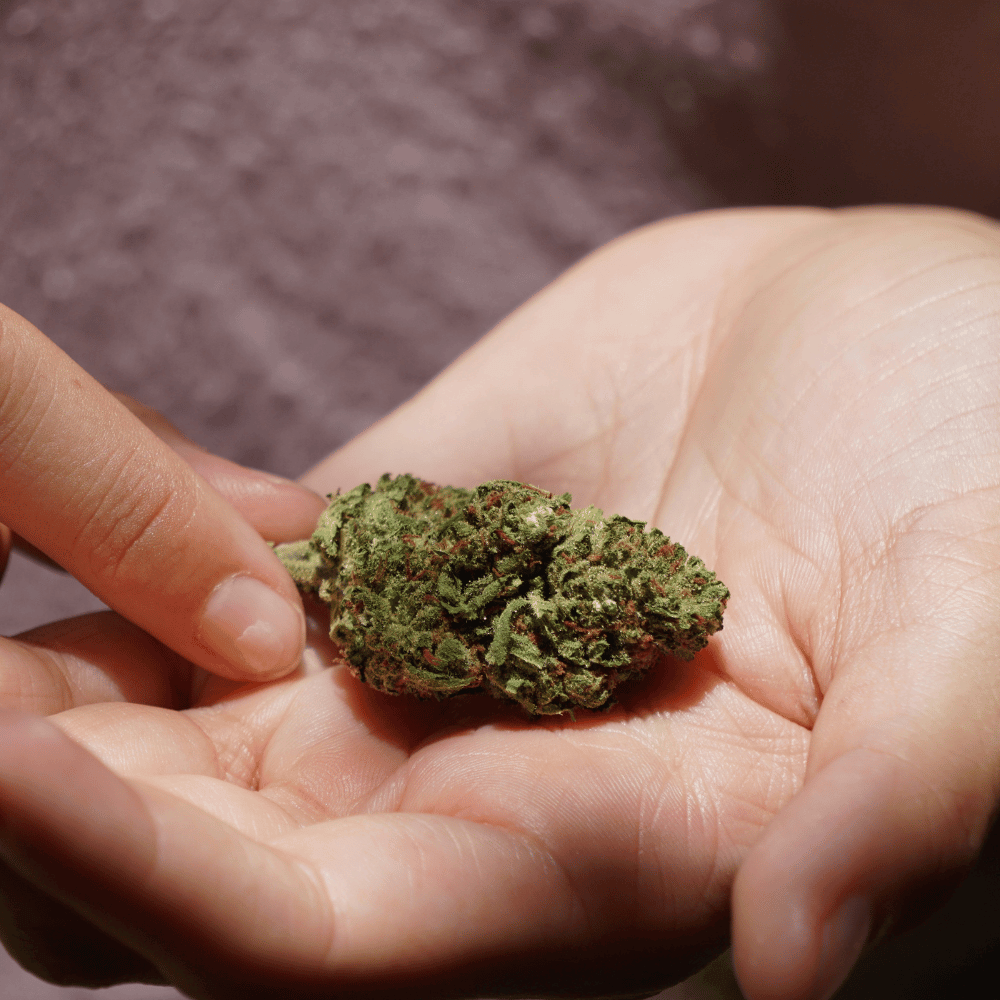
If you want the dispensary-style edible experience with the convenience of online ordering, hemp-derived delta-9 gummies can be a smart buy.
Just buy them the smart way:
And then enjoy them like the modern adult you are, with water nearby and absolutely no big decisions scheduled.
If you’re shopping right now, make this your non-negotiable standard: only buy hemp-derived delta-9 gummies with clear, batch-specific third-party lab results. No excuses. No missing pages. No mystery math.
Want gummies that actually match their label, ship where allowed, and show you the receipts?
Do the simple thing. Pick your potency, check the COA, place the order, and stock up. Repetition matters because it saves you from rookie mistakes: check the COA, check the COA, check the COA.
Because the best gummy is not the loudest one on the internet.
It’s the one that proves what’s inside.
Yes, hemp-derived delta-9 gummies can be legal federally if they contain no more than 0.3% delta-9 THC by dry weight, which qualifies them as hemp under U.S. law. This compliance allows many brands to sell and ship these gummies nationwide.
Because these gummies are derived from hemp and stay under the 0.3% delta-9 THC limit by dry weight, they meet federal hemp product regulations. This federal compliance enables many companies to legally ship them nationwide, although state laws may vary.
Delta-9 THC is chemically the same whether derived from hemp or marijuana, so consuming the same milligram dose generally produces similar psychoactive effects. Differences mainly arise from product source, formulation, regulation, and labeling rather than the THC itself.
This means that for every 100 grams of gummy product (dry weight), there can be up to 0.3 grams (300 mg) of delta-9 THC. For example, a 4-gram gummy can legally contain up to about 12 mg of delta-9 THC while staying within this limit, allowing for meaningful doses within legal thresholds.
While many brands sell these gummies online and ship nationwide due to federal compliance, state laws vary widely. Some states restrict or ban certain cannabinoids or set specific rules on THC content and retail channels. Always check your state's current regulations before purchasing.
Consumers should review the product's Certificate of Analysis (COA) to confirm the delta-9 THC percentage and milligrams per serving. It's important to ensure the product complies with applicable hemp rules and verify local state legality before ordering.

Jun 22, 2026 Jenna Renz

Jun 22, 2026 Jenna Renz

May 22, 2026 Jenna Renz