How to Buy THCa Flower Online: Legality, Shipping & Reading a COA

Ship to
How to buy THCa flower online without getting burned starts with three things: knowing your state’s rules, understanding how it can legally ship, and Because you should. THCa flower sits in that weird legal zone where the product can be federally “hemp” on paper (thanks to Delta-9 THC staying under 0.3% by dry weight), yet still feel very not-hemp in real life once you heat it. That gap is exactly why smart buying matters. Follow the steps below and you’ll avoid the usual landmines: sketchy labs, mislabeled potency, and “sorry, we can’t ship to you” surprises at checkout. THCa flower legality is not one clean national rule. It’s a patchwork. Sometimes it’s “allowed if it’s hemp.” Sometimes it’s “allowed but treated like marijuana.” Sometimes it’s “nope, not today, not ever.” And yes, some states have specific hemp-product bans that can snag THCa flower even if the federal definition is met. Here’s the simple snapshot you came for. Use it as a starting point, then verify current local enforcement and retailer policies before you order. Alabama, Alaska, Arizona, Arkansas, California, Colorado, Connecticut, Delaware, Florida, Georgia, Hawaii, Idaho, Illinois, Indiana, Iowa, Kansas, Kentucky, Louisiana, Maine, Maryland, Massachusetts, Michigan, Minnesota, Mississippi, Missouri, Montana, Nebraska, Nevada, New Hampshire, New Jersey, New Mexico, New York, North Carolina, North Dakota, Ohio, Oklahoma, Oregon, Pennsylvania, Rhode Island, South Carolina, South Dakota, Tennessee, Texas, Utah, Vermont, Virginia, Washington, West Virginia, Wisconsin, Wyoming. District of Columbia, Puerto Rico, U.S. Virgin Islands. None listed here as a blanket call, because state policy changes fast, enforcement varies, and “prohibited” often shows up as a shipping restriction rather than a statute that says “THCa flower is illegal.” In practice, you will see some vendors refuse shipments to certain states or localities even if hemp is broadly legal there. Treat vendor “no-ship lists” as the real-world filter. Important: This snapshot is intentionally high level. For your per-state THCa legality deep dives, see the per-state cluster pages linked from your hub (anchor this section from your state cluster). Always check: your state’s hemp program rules, “total THC” testing requirements (some states use it), and any specific smokable hemp bans. Most online THCa flower exists because of the federal hemp definition created by the 2018 Farm Bill and because of how “THC” is measured for compliance in many contexts. If the product’s Delta-9 THC is under 0.3% by dry weight, it may qualify as hemp federally. Many THCa flowers are bred and harvested so that Delta-9 stays low, while THCa is high. When you smoke or vape THCa, it can convert into THC through heat (decarboxylation). That is chemistry, not a loophole you invented in your garage. Regulators and states react to this differently, which is why state rules matter so much. If you’re buying THCa flower online, shipping is where compliance gets tested. The key reference people cite is Section 10114 from the 2018 Farm Bill, which protects the interstate transport of hemp and prevents states from stopping shipments of lawful hemp moving through their borders. Here’s how to use that information like a grown-up: Bottom line: Section 10114 supports shipping of compliant hemp, but it does not magically legalize possession everywhere, and it does not rescue sellers who can’t prove compliance. You’re not just buying a pretty bud. You’re buying the integrity of a supply chain. Use this checklist: If the site feels like it was built in 20 minutes and the “lab report” looks like a school worksheet, trust your instincts. A COA (Certificate of Analysis) is your proof that what you’re buying is (a) what it says it is and (b) legally compliant for hemp frameworks. You do not need a chemistry degree. You need a process. Look for: If the COA doesn’t show a batch/lot identifier, assume it’s a marketing prop. Your goal is simple: verify Delta-9 THC is below 0.3% by dry weight on the COA. On most COAs, you’ll see cannabinoids listed in percentages. You may see entries like: Do not get distracted by the THCa number first. It’s the Delta-9 number that decides hemp compliance under the most commonly cited federal threshold. What you want: If Delta-9 is at or above 0.3%, it may not qualify as hemp federally. That’s a hard stop for many buyers who want to stay strictly within hemp definitions. Some COAs calculate “Total THC” using a formula that accounts for THCa converting into THC. That number can be much higher than Delta-9 alone. Why it matters: So yes, you can see a COA with Delta-9 under 0.3% and Total THC far above it. That doesn’t automatically mean the COA is “fake.” It means your state’s rules may be the deciding factor. A solid COA often includes, or is paired with, testing for: If contaminant panels are missing entirely, you’re being asked to trust someone who hasn’t earned it. Some labs provide a QR code or verification portal. Use it. If the QR goes to a broken page or a generic homepage, that’s not “tech-forward.” That’s “try again.” Real THCa flower typically refers to cannabis/hemp flower naturally high in THCa and compliant on Delta-9 at time of testing. Then there’s the other category: flower that has been coated, infused, or “enhanced.” Not all enhanced products are inherently bad, but you need to know what you’re getting. Do this: If a product promises absurd potency with vague language and zero details, it’s not mysterious. It’s just untrustworthy. Mark this: November 12, 2026. This date is flagged because federal hemp rules and enforcement guidance have evolved, and additional changes tied to implementation timelines and regulatory updates can impact how cannabinoids are tested, defined, and sold. If you buy THCa flower online, you need to plan for shifting definitions, shifting enforcement, and shifting retailer policies. Do this now: bookmark this section and check your state cluster updates as the date approaches. Vendors that stay compliant will adjust labeling, COAs, and shipping restrictions. Vendors that don’t will keep selling until they can’t, and you don’t want your address on that adventure. Do it in this order every time. Repetition is your friend. Your wallet will thank you. When a vendor is doing it right, you’ll often see: Also expect signature requirements from some carriers or sellers, especially as policies shift. If a company refuses to tell you how they ship and what they include, treat that like a restaurant that refuses to tell you what’s in the food. You don’t need to be paranoid. Just be difficult to scam. Buying THCa flower online is easy. Buying it smart is the part most people skip, right before they complain on the internet. So do the boring stuff first: Be picky. Be consistent. Be that person who checks the label. Then relax. The flower will do the rest. THCa flower legality varies by state and is a complex patchwork. Some states allow it if it meets the federal hemp definition (Delta-9 THC under 0.3% by dry weight), others treat it like marijuana, and some have specific bans. Always check your state's hemp program rules, total THC testing requirements, and any smokable hemp bans before purchasing. Under the 2018 Farm Bill, if THCa flower contains Delta-9 THC under 0.3% by dry weight, it may qualify as federally legal hemp. Section 10114 protects interstate transport of lawful hemp products, meaning compliant THCa flower can be shipped across state lines. However, this doesn't override state restrictions on sales or possession. Always verify that the seller provides a Certificate of Analysis (COA) showing Delta-9 THC levels below 0.3%. Check for additional compliance documentation included with the product. Vet sellers carefully to avoid sketchy labs, mislabeled potency, or shipping restrictions. A COA confirms the product's cannabinoid content and safety testing results, ensuring that Delta-9 THC levels comply with legal limits and that you're inhaling a safe product free from contaminants. Reading it helps you avoid mislabeled or unsafe products. No. Even if federal law permits interstate transport of compliant hemp, many vendors maintain shipping restriction lists due to varying state laws and enforcement practices. Always check vendor shipping policies and local regulations before ordering. When heated (smoked or vaped), THCa converts into psychoactive THC through decarboxylation. This chemical change means that while the raw product may legally qualify as hemp federally, its effects resemble marijuana, leading to different regulatory treatments by states. This nuance underscores why understanding local laws is crucial.nj.gov/cannabis/documents/How%20to%20Read%20a%20COA.pdf" rel="noopener noreferrer" target="_blank" style="background-color: transparent; color: rgb(0, 0, 0);"> reading a COA like you actually care about what you’re inhaling.1) Start With the Only Question That Matters: Is THCa Flower Legal Where You Live?
Permissive (generally allowed when compliant hemp, Delta-9 THC under 0.3% by dry weight)
Restricted (allowed in some form, but with notable limits or higher risk)
Prohibited (effectively blocked or routinely treated as illegal)
2) Understand the Federal Hook: Why THCa Flower Can Ship at All
The core idea
The real-world twist
3) Shipping Rules: What “Section 10114” Really Means for You
4) Before You Click “Buy”: Vet the Seller Like You’re Hiring a Babysitter
5) COA Literacy: Read It Like You Mean It
Step 1: Confirm it’s a real COA for your batch
Step 2: Find Delta-9 THC and verify the “<0.3%” requirement
Step 3: Understand “Total THC” and why some states care more than the feds (sometimes)
Step 4: Check contaminants, not just potency (because lungs are picky)
Step 5: Verify the COA with the lab when possible
6) Know What You’re Actually Buying: THCa Flower vs “Sprayed” Flower
7) The Big Date You Can’t Ignore: November 12, 2026 (Save This)
8) Practical Buying Steps (Do This in Order, Repeat for Every New Brand)
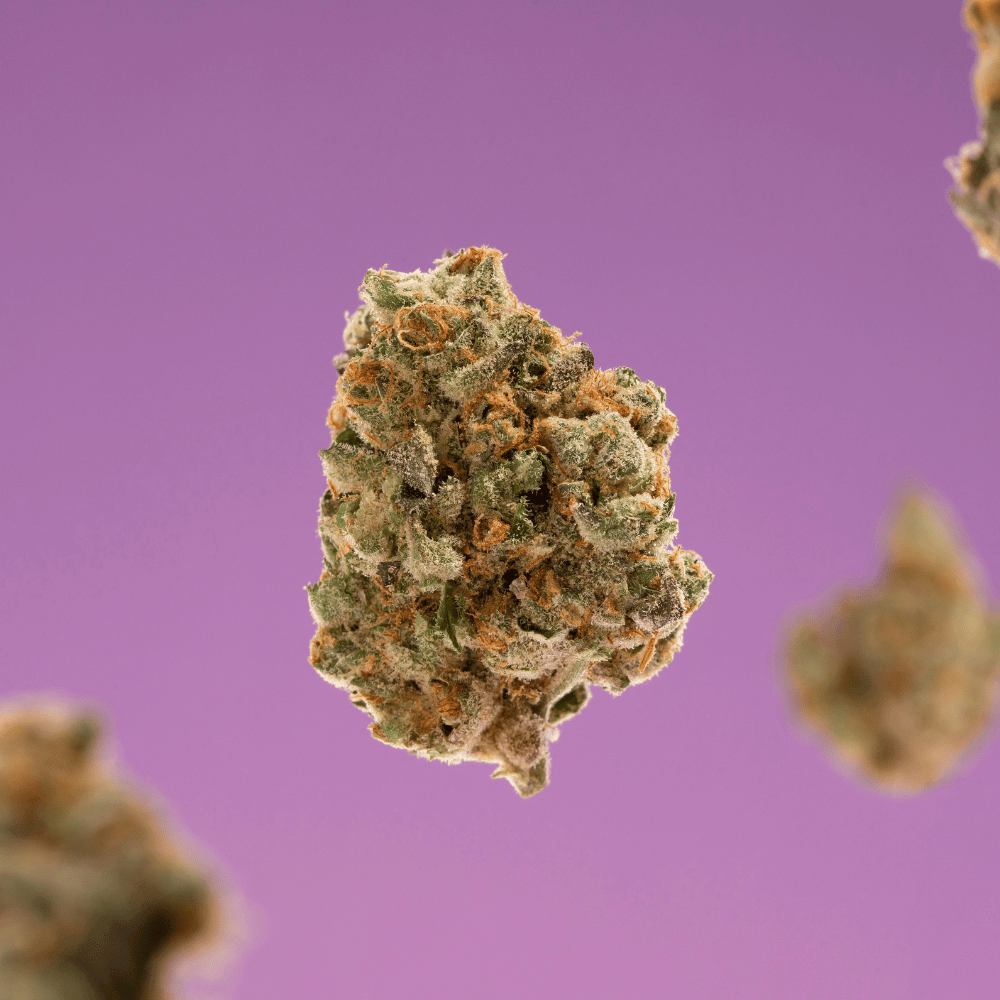
9) Shipping Expectations: What a Legit Package Usually Includes
10) Quick Red Flags That Should Make You Close the Tab
11) The Takeaway: Buy Like a Compliance Nerd, Enjoy Like a Normal Person
FAQs (Frequently Asked Questions)
Is THCa flower legal to buy and possess in my state?
How does federal law affect the shipping of THCa flower?
What should I look for when buying THCa flower online to ensure it's compliant?
Why is reading a Certificate of Analysis (COA) important when purchasing THCa flower?
Can all vendors ship THCa flower to any state?
How does heating THCa flower affect its chemical properties and legality?

Jun 22, 2026 Jenna Renz

Jun 22, 2026 Jenna Renz

May 22, 2026 Jenna Renz