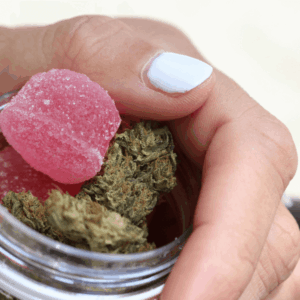
Hemp shop vs dispensary is the comparison that actually matters if you live in a non-legal or limited-access state and you still want reliable cannabinoids without playing legal hopscotch.
Leafly and most cannabis media won’t help much here because they focus on state-legal cannabis dispensaries. Meanwhile, a huge chunk of the country is stuck with some version of: “Not legal, not here, not for you.” Cool. Super helpful.
So let’s fix that.
This guide is built around five decision factors that decide almost every real-world purchase:
- Legal access
- Price
- Product variety
- Convenience
- Quality assurance
I’ll be straight with you throughout. Dispensary flower can be more tightly controlled and may have fresher in-state compliance testing. Hemp can ship nationwide, often costs less, and offers a wider menu of cannabinoids. Both can be great. Both can be sketchy if you buy from the wrong place.
Let’s get you buying smarter.
First, define what you’re actually comparing
People use “hemp shop” to mean a few different things. Same with “dispensary.” Don’t compare apples to a pineapple wearing an apple costume.
What “dispensary” usually means
A state-licensed cannabis retailer selling products regulated under that state’s marijuana program (adult-use or medical). These products are typically high in delta-9 THC and sold only to eligible customers in that state.
What “hemp shop” usually means
A hemp-derived retailer selling products that fall under federal hemp definitions, typically framed under the 2018 Farm Bill. That includes CBD, CBG, CBN, and, in many cases, hemp-derived THC products (like delta-8, delta-10, and THC-O in the past, where allowed). It can also include THCa flower, which is where things get… spicy.
The Farm Bill reality check (read this twice)
The federal hemp framework generally hinges on delta-9 THC concentration (commonly referenced as 0.3% delta-9 THC on a dry weight basis). That’s the lane hemp businesses operate in.
But here’s the part everyone conveniently forgets:
- States can restrict hemp products beyond federal rules.
- THCa legality is state-sensitive and actively evolving.
- Shipping is “nationwide” in practice for many hemp products, but not universally available for every product in every state.
So yes, hemp can ship broadly. No, that doesn’t mean every item is legal in every ZIP code. Buy from brands that acknowledge this instead of winking at you like a used-car salesman.

Decision Factor #1: Legal access (the big one)
If you live in a non-legal or limited-access state, a dispensary is often not even an option.
Dispensary access: locked behind borders (and rules)
Dispensaries are tied to state programs:
- Adult-use states: you can buy, but only in that state, typically with ID and purchase limits.
- Medical-only states: you may need a qualifying condition, a card, and patience.
- Non-legal states: you’re not buying from a dispensary unless you’re traveling.
And if you’re thinking, “I’ll just road trip,” remember: crossing state lines with state-legal cannabis is still a legal risk. You don’t want your relaxation routine to include a courtroom cameo.
Hemp access: the nationwide workaround (with fine print)
Hemp-derived products are the reason people in restricted states can still buy:
- CBD and minor cannabinoids
- Hemp-derived THC products where permitted
- In many cases, THCa flower and concentrates, depending on state restrictions
This is why hemp shops matter. They’re not “dispensaries lite.” They’re often the only realistic access point for a huge portion of the country.
Verdict on legal access: For most buyers outside legal states, hemp shops win because they are actually available.
Decision Factor #2: Price (and the tax monster under the bed)
If you’ve ever looked at a dispensary receipt and felt personally attacked, you’re not alone.
Dispensary pricing: high overhead plus excise taxes
Dispensaries operate under heavy regulation, licensing costs, compliance testing requirements, security, and state taxes.
And in some states, the tax situation is not “a little extra.” It’s “did I accidentally buy a second eighth for the government?”
Example reality:
- In California, excise taxes and local taxes can push the all-in tax burden very high, often cited around 30%+ depending on local structures and changes over time. The exact breakdown varies, but the point is simple: dispensary pricing frequently gets punched upward by taxes.
Hemp pricing: fewer state cannabis taxes (usually)
Hemp products often avoid the same cannabis excise tax structure because they are sold as hemp-derived goods. That doesn’t mean they’re dirt cheap. It means the price is less likely to balloon at checkout.
Also, hemp is built for ecommerce competition. Online competition is brutal in a good way:
- More sales
- More couponing
- More bundles
- More price pressure
Dispensaries compete too, but they’re geographically trapped. Hemp shops compete nationally, which usually benefits you.
Verdict on price: If you’re budget-sensitive, hemp shops usually win, especially when dispensary taxes are significant.
Decision Factor #3: Product variety (what you can buy, not what they claim)
Dispensaries often win on one thing: consistent availability of traditional high-THC cannabis categories within that state system.
Hemp shops often win on another: breadth of cannabinoids and formats.
Dispensary variety: strong for “classic cannabis”
Most dispensaries offer deep menus in:
- High-THC flower
- Live resin/rosin and classic concentrates
- Vape carts (state-regulated)
- Edibles and beverages
- Topicals
- Pre-rolls
If you want conventional adult-use cannabis products, dispensaries do that all day.
Hemp shop variety: strong for cannabinoids and niche effects
Hemp shops tend to offer more experimentation:
- CBD (full-spectrum, broad-spectrum, isolate)
- CBG (often described as “daytime,” though effects vary)
- CBN (commonly marketed for sleep)
- Delta-8 and similar hemp-derived THC variants (where legal)
- THCa flower and THCa concentrates (where legal)
- Gummies in endless ratios: CBD:THC, CBN:CBD, CBG:CBD, and so on
And here’s the practical benefit: you can target outcomes. Want mellow? Buy mellow. Want sleep support? Buy sleep support. Want something functional for weekdays? Buy functional.
Dispensaries can do ratios too, but hemp’s cannabinoid playground is often larger because it’s built around minor cannabinoids, not just delta-9 THC.
Verdict on product variety:
- For classic high-THC cannabis categories: dispensary often wins.
- For cannabinoid options and targeted formulations: hemp shop often wins.
Decision Factor #4: Convenience (be honest, you want it shipped)
Convenience isn’t just “nice.” It’s the reason people buy online in the first place.
Dispensary convenience: easy if you live there, annoying if you don’t
If you’re in a legal state, dispensary shopping can be convenient:
- Walk in, buy, leave
- Same-day pickup
- Sometimes delivery (depending on state and local rules)
But if you’re not in a legal state, dispensary convenience looks like:
- Plan a trip
- Hope the menu is accurate
- Wait in line
- Navigate purchase limits
- Figure out storage and travel risks
- Repeat forever
That’s not convenience. That’s a side quest.
Hemp shop convenience: ecommerce wins (most of the time)
With a reputable hemp retailer, convenience is simple:
- Browse online
- Choose potency and format
- Ship to your door (subject to restrictions)
- Reorder easily if you like it
Also, hemp shops tend to provide better “buying tools” online:
- Batch-specific lab reports
- Cannabinoid breakdowns
- Ingredient lists
- Customer reviews
- Subscription options
Not always. But the good ones do, because ecommerce forces them to.
Verdict on convenience: For most nationwide buyers, hemp shops win. Clicking “reorder” beats “schedule a road trip.”

Decision Factor #5: Quality assurance (this is where you must be picky)
Quality assurance is the part where people either get disciplined or get burned.
Let’s say this clearly: Both dispensaries and hemp shops can sell excellent products. Both can also sell garbage. The difference is how quality is enforced and how transparent it is.
Dispensary quality assurance: regulated, but not perfect
Dispensary products usually must pass state-required testing. That often includes screens for things like:
- Potency
- Microbials
- Heavy metals
- Pesticides
- Residual solvents (for extracts)
That’s good. Regulation can reduce risk.
Also, dispensary flower may have fresher in-state compliance testing simply because the supply chain is shorter and the testing is integrated into the state system.
But regulated doesn’t mean flawless:
- States have different testing standards. Some are stricter than others.
- Lab shopping is a known industry issue in many places.
- Packaging dates can still be old. “Regulated” doesn’t automatically mean “fresh.”
Hemp quality assurance: you must demand proof (and get it)
Hemp’s best brands are obsessive about testing and documentation because they know buyers are skeptical and regulators are watching.
Your standard should be:
- Recent COAs (Certificates of Analysis) from a credible third-party lab
- Batch-specific reports, not one generic PDF from 2021
- Full panel testing when possible (not just potency)
- Clear cannabinoid totals and serving sizes
- Clear ingredient lists for edibles and vapes
- Transparent sourcing and manufacturing info
Be extra cautious with:
- Vapes with vague ingredient language
- Products with no batch number
- Brands that hide COAs behind email gates
- “Too good to be true” potency claims
- THCa products that pretend state restrictions don’t exist
Also, understand this: the hemp market moves fast. Good brands keep up. Bad brands hide.
Verdict on quality assurance:
- If you buy blindly: dispensary may be safer by default.
- If you buy smart and verify COAs: hemp can be just as high quality, and sometimes better.
So… which should you buy from?
Answer it based on your situation, not your fantasies.
Buy from a dispensary if:
- You live in a legal state (adult-use or medical) and can buy locally
- You want classic high-THC flower and concentrates under your state’s program
- You value state-regulated compliance as your baseline safety net
- You don’t mind higher all-in costs after excise and local taxes
Buy from a hemp shop if:
- You live in a non-legal or limited-access state and want a realistic option
- You want products shipped to your door (where permitted)
- You care about price and don’t want your receipt to look like a prank
- You want cannabinoid variety: CBD, CBG, CBN, and more
- You’re willing to verify COAs and shop like an adult
And yes, here’s the blunt, honest takeaway:
For most users outside legal states, the hemp shop wins on accessibility and cost. Not because dispensaries are bad. Because you can’t buy from a dispensary you can’t access, and you can’t enjoy a product that’s priced into the stratosphere by taxes and limited competition.
How to choose a good hemp shop (do this, don’t freestyle it)
If you’re going the hemp route, don’t just buy the first “THCa Gas Pack” you see on a neon website.
Follow this checklist.
1) Verify the COA before you buy
Do not skip this. Repeat: do not skip this.
- Check the date (recent matters)
- Check the batch number matches the product
- Look for contaminants testing beyond potency when available
If the COA is missing, unclear, or suspiciously convenient, walk away. Remember that inaccurate test data can lead to misleading information about the product’s quality, so always ensure that the COA is reliable.
2) Confirm shipping and state restrictions
A good retailer will:
- List where they ship
- Flag restricted products by state, which you can verify through resources like the USPS shipping restrictions page
- Communicate compliance boundaries clearly
A bad retailer will:
- Promise shipping “everywhere” with zero nuance
- Make you feel like the rule-breaking is part of the fun
Spoiler: it’s not fun when your order gets canceled or seized, or when you end up with something you shouldn’t have ordered in the first place.
3) Choose products with straightforward labeling
Buy products that tell you:
- Exact cannabinoid amounts per serving
- Total cannabinoids per package
- Ingredients (especially in gummies and vapes)
- Clear usage guidance
If the label looks like a nightclub flyer, be suspicious. A product label should provide clear and concise information, not confuse you with jargon.
4) Pay attention to how the brand talks
This is underrated. Trust brands that:
- Explain what their products are
- Avoid medical claims
- Avoid “this will cure your whole personality” marketing
- Provide education instead of hype
The best brands sell confidence, not chaos.
5) Start small, then scale up
Don’t buy a lifetime supply on your first order.
- Get one or two items
- Test effects and tolerance
- Reorder what works
Be boring. Boring is how you win.

The simple conclusion (and your next move)
Dispensaries are great if you can access them and you’re comfortable paying the full tax-loaded price for state-regulated cannabis.
But if you live in a non-legal or limited-access state, hemp shops are the practical choice. They’re built for nationwide access, often offer better pricing, and give you more options across cannabinoids and formats. Just shop with your brain turned on. Check COAs. Respect state restrictions, especially around THCa. Buy from transparent retailers.
Now do the obvious thing: pick your priority, then buy accordingly. Accessibility. Cost. Variety. Convenience. Quality assurance.
Choose. Verify. Order. Repeat.
Hemp Shop vs Dispensary: FAQs (Frequently Asked Questions)
What is the main difference between a hemp shop and a cannabis dispensary?
A cannabis dispensary is a state-licensed retailer selling marijuana products regulated under that state’s adult-use or medical program, typically high in delta-9 THC and sold only to eligible customers within that state. A hemp shop sells hemp-derived products falling under federal hemp definitions (2018 Farm Bill), including CBD, CBG, CBN, and often hemp-derived THC variants like delta-8 or THCa flower, with broader shipping availability but subject to state restrictions.
Can I buy cannabis products from a dispensary if I live in a non-legal or limited-access state?
Generally no. Dispensaries operate under strict state programs, so in non-legal or limited-access states, dispensaries are not available unless you travel to a legal state. Transporting cannabis across state lines remains illegal and risky, making dispensaries inaccessible for many outside legal states.
Are hemp shops a legal alternative for cannabinoid products in non-legal states?
Yes. Hemp shops offer federally compliant hemp-derived cannabinoids like CBD and minor cannabinoids nationwide (where allowed), providing access to cannabinoids including some hemp-derived THC products and THCa flower depending on state laws. This makes hemp shops often the only realistic option for consumers in restricted states.
How do prices typically compare between dispensaries and hemp shops?
Dispensaries face high overhead costs including licensing, compliance testing, security, and significant excise taxes (often 30%+), which increase retail prices. Hemp shops usually avoid cannabis excise taxes and operate in competitive online markets nationally, resulting in generally lower prices with more discounts and bundles. Budget-conscious buyers often find better deals at hemp shops.
Is product quality assurance better at dispensaries or hemp shops?
Dispensary flower is often subject to tighter control with fresher in-state compliance testing due to strict regulations. Hemp products can vary widely; quality depends on the brand’s transparency and adherence to testing standards. Both channels can offer quality products or sketchy ones if purchased from unreliable sources. Buyers should research brands carefully regardless of purchase point.
Are all hemp-derived cannabinoid products legal everywhere in the U.S.?
No. While the 2018 Farm Bill sets federal guidelines based on delta-9 THC concentration (0.3% dry weight limit), states can impose stricter restrictions on hemp products including THCa flower legality. Shipping availability also varies by product and state. Consumers should verify local laws and buy from brands that clearly communicate legal compliance rather than skirt regulations.