Hemp THC Beverages: How They're Made, Why They Hit Faster Than Edibles, and What 5mg Actually Feels Like

Ship to
Hemp THC beverages are the fastest way to find out what “low-dose cannabis” actually means, without committing to a two-hour edible rollercoaster.
They look like seltzer. They pour like seltzer. Then they politely (or not so politely) remind your nervous system that THC has entered the group chat.
This is the deep dive: how these drinks are made, why they tend to kick in faster than gummies, what nanoemulsion has to do with it, and what a 5mg can feels like in real life when you drink it like a normal human.
Most classic edibles are fat-based THC in a gummy, chocolate, or brownie. Your body has to digest the food, dissolve the cannabinoids, and run them through the liver before you feel much. That takes time. It also makes the experience swingy because metabolism is not a precise instrument.
Hemp THC beverages aim to behave more like alcohol in a social setting:
That “faster and smoother” effect is mostly a manufacturing story. And the star of that story is nanoemulsion.
Let’s keep it simple: THC does not naturally mix with water. It’s hydrophobic. Water and THC get along like cats and bathtubs.
So beverage makers have two jobs:
There are a few ways companies do this, but the modern mainstream approach is emulsification, usually nanoemulsification.
Most products on shelves labeled “hemp THC” use cannabinoids sourced from hemp (legally defined in the U.S. as cannabis with ≤0.3% delta-9 THC by dry weight). Manufacturers then produce compliant formulations for beverages, often using delta-9 THC derived from hemp.
Important note: legality and rules vary by state and can change quickly. Read labels. Know your local laws. Be the fun friend, not the cautionary tale.
Since THC is typically in an oil form, producers use an emulsification process to break that oil into very small droplets and stabilize them in water with emulsifiers.
This is where “nano” is not marketing fluff when done correctly. Droplet size affects how quickly your body can interact with cannabinoids.
Nanoemulsions are made using high-shear mixing, ultrasonication, microfluidization, or related processes that reduce droplet size dramatically and keep it from separating.
Smaller droplets mean more surface area. More surface area means your body has an easier time doing its job.
And that’s the whole trick: make THC behave less like a fat glob and more like a water-friendly ingredient.
Then comes the part consumers actually notice: flavor.
THC can be bitter. Emulsifiers can be noticeable. Botanicals can fight with citrus. So beverage formulators spend serious time balancing:
If you’ve ever tried an early-generation THC drink and thought, “This tastes like regret and stevia,” congratulations. You were a pioneer.
Cans and bottles are intentional. The whole product category is designed to fit into the same social slot as beer, seltzer, or a canned cocktail.
Crack. Sip. Wait. Assess. Repeat.
No foil wrapper. No sticky fingers. No “how many milligrams was that again?” math while your friend stares at you.
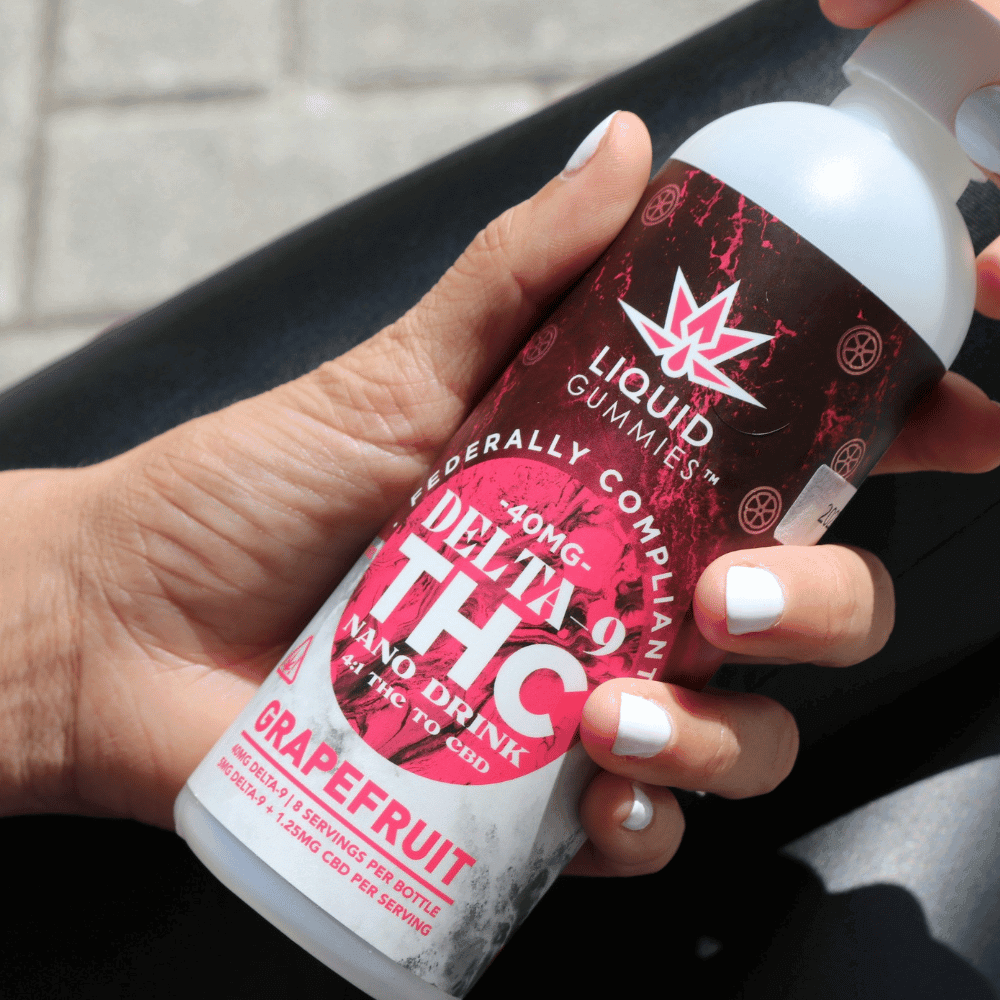
The short version: edibles are usually absorbed through digestion and liver metabolism, while nanoemulsified THC beverages can begin absorbing earlier and more efficiently, often leading to a noticeably faster onset.
Traditional edibles typically go like this:
That’s why edible onset commonly lands in the 45 to 120 minute range for many users, sometimes longer depending on food intake, metabolism, and individual variation.
With nanoemulsified THC beverages, the experience for many consumers is closer to:
That 10 to 20 minute window is a big deal. It makes dosing feel more like drinking alcohol, where you can check in with yourself in a reasonable time frame instead of making a blind decision and hoping Future You agrees.
A huge part of the “faster and smoother” story is bioavailability, meaning how much of what you consume actually makes it into circulation.
Oil-based THC can have relatively low and variable bioavailability. Nanoemulsions are often discussed as having much higher potential absorption because they’re designed for water compatibility and rapid interaction.
You’ll hear numbers like:
Here’s the fair, no-hype way to interpret that:
Think of it like this: oil-based edibles are a slow email thread. Nano drinks are a text message.
Hemp THC beverages are booming for a simple reason: a lot of people want the social ritual of drinking without the next-day consequences.
Alcohol is fun until it isn’t. It can mess with sleep, mood, workouts, and tomorrow’s plans. THC beverages position themselves as a lighter option for:
The best versions of these drinks are built for pacing. You can sip them slowly. You can stop at one. You can have a second and still be a functioning member of society.
And because onset is often faster than gummies, they feel better suited to social timing. Nobody wants to take an edible at 7 pm and start feeling it at 9:15 when the party is already winding down and someone is aggressively packing leftovers.
If hemp THC beverages had a default setting, it would be 5mg THC.
It’s not nothing. It’s not “send a voice note to your ex” strong. It’s the middle path, the responsible mischief.
It also aligns with where regulators and industry proposals tend to land for a standard serving size. For example, the Cannabis Regulators Association (CANNRA) has proposed a 5mg THC serving limit in model guidance for intoxicating hemp products. That’s not a universal law, but it’s an influential signal: 5mg is increasingly treated as the “one drink equals one serving” logic.
Translation: 5mg is becoming the “beer equivalent” dose, at least conceptually.
Everyone’s endocannabinoid system is different. Your experience depends on tolerance, body size, metabolism, whether you ate, and whether you’re the kind of person who can feel caffeine from green tea. Still, there are patterns.
A typical 5mg THC beverage experience, especially with nanoemulsion, often looks like:
For many moderate or new users, 5mg is enough to feel but not so much that you lose the plot.
Do not let the word “low-dose” bully you.
If you’re THC-naïve, 5mg can feel like:
It’s usually manageable, but it’s not nothing. Start slow. Stay humble.
Regular consumers may experience 5mg as:
That’s why you’ll see people stack servings. Which is fine, as long as you do it intentionally.
Do this. Seriously. Do this.
Not two. Not “I used to take 50mg gummies.” That sentence is famous right before someone becomes one with the couch.
Start with one serving.
Yes, some people feel it in 10 minutes. You are not some people until you are some people.
Wait. Let it settle.
Alcohol and THC can amplify each other in ways that are not always cute. Try THC drinks on their own before you get experimental.
Empty stomach can make onset faster and intensity higher. Heavy meal can slow things down. Aim for “I had dinner” not “I am a hollow tube.”
Sip. Don’t chug. The product is literally designed for pacing. Use the design.
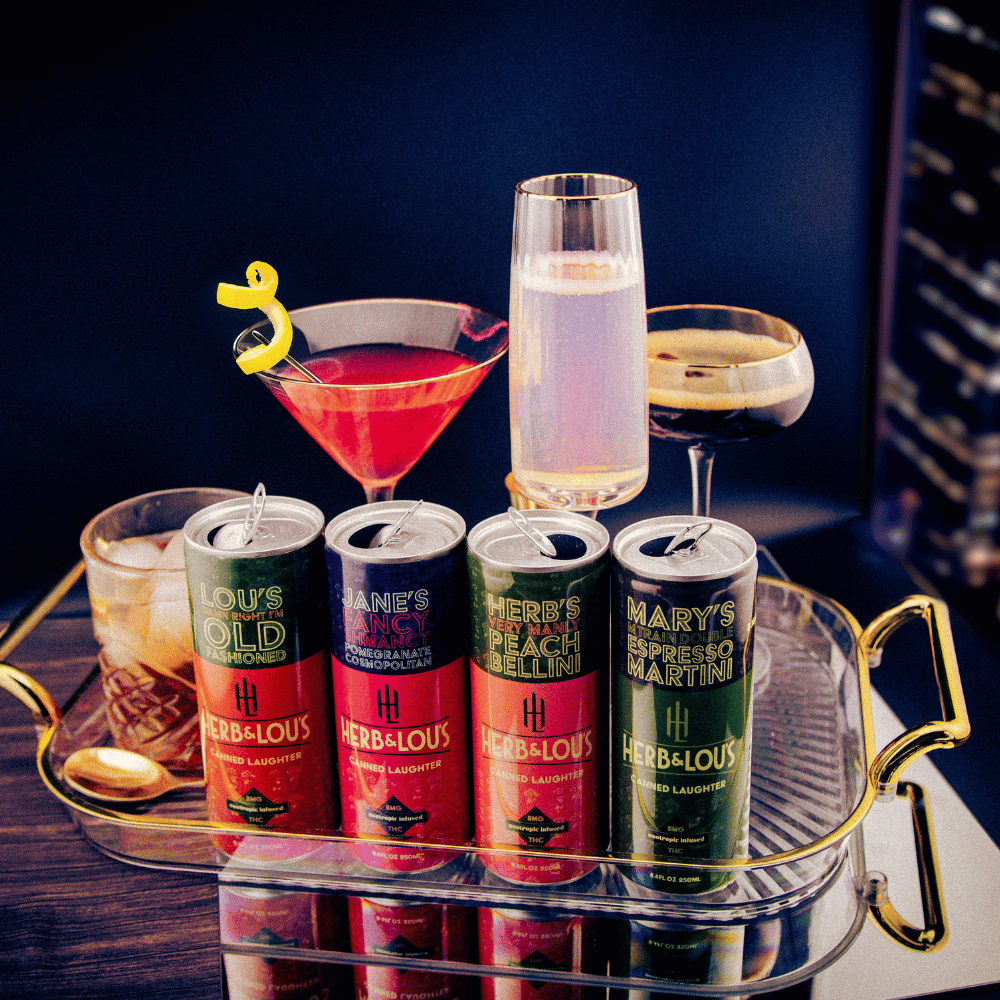
When hemp THC beverages show up in mainstream retail, it signals a category shift from niche to normal.
Target’s expansion in Minnesota has been a particularly loud signal that these drinks are not just head shop novelty anymore. Big retailers do not move shelf space around for a trend they think will vanish next Tuesday. They test, they watch velocity, they expand when customers keep buying.
This is what mainstreaming looks like:
It also reinforces the “replacement for alcohol” angle. If people can pick up a THC seltzer during a regular shopping run, it becomes a casual choice, not a special mission.
Not all hemp THC beverages are created equal. Some are clean and consistent. Some taste like a science project and deliver like a coin toss.
Check these:
And yes, ingredients matter. If you are sensitive to sweeteners, acids, or caffeine, your body will file a complaint.
Hemp THC beverages shine in situations where you want to be present, social, and lightly altered, not launched into orbit.
They’re great for:
They’re not great for:
Hemp THC beverages are made to fit modern life: quick onset, controllable dosing, social-friendly pacing, and a legitimate shot at becoming the go-to alcohol alternative for people who still want a buzz but also want tomorrow.
Remember the simple rules:
Start with 5mg.
Wait 30 minutes.
Sip, don’t sprint.
Do that, and you will understand why this category is moving from “interesting” to “everywhere,” one can at a time.
Hemp THC beverages are water-based drinks infused with hemp-derived THC using nanoemulsion technology. Unlike traditional fat-based edibles like gummies or brownies, these beverages offer faster onset times, easier dose control, and a smoother experience similar to alcohol in social settings.
Since THC is hydrophobic and doesn't mix naturally with water, manufacturers use emulsification—specifically nanoemulsification—to break THC oil into tiny droplets and evenly disperse it in water. This process ensures consistent dosing and efficient absorption.
Nanoemulsion involves reducing THC oil droplets to extremely small sizes using high-shear mixing or ultrasonication. Smaller droplets increase surface area, allowing the body to absorb cannabinoids more quickly than traditional edibles, leading to onset times as fast as 10 to 20 minutes.
Traditional edibles typically take 45 to 120 minutes or longer to kick in due to digestion and liver metabolism processes. In contrast, hemp THC beverages with nanoemulsion often produce effects within 10 to 20 minutes, offering a more predictable and faster experience.
Hemp THC beverages use cannabinoids derived from hemp containing ≤0.3% delta-9 THC by dry weight, which complies with U.S. federal law. However, legality varies by state and can change rapidly. Consumers should always read labels carefully and stay informed about local laws before purchasing or consuming these products.
Formulators balance flavor systems (like citrus, berry, hops), sweeteners or acids, carbonation levels, shelf stability (preventing separation), and dose consistency. This ensures the beverage tastes pleasant without bitterness from THC or emulsifiers and maintains a stable, consistent product throughout its shelf life.

May 07, 2026 Jenna Renz

May 07, 2026 Jenna Renz

Apr 30, 2026 Jenna Renz