A Hemp THC tincture is one of the easiest ways to try THC without committing to gummies, vapes, or that one “mystery brownie” your friend swears is “probably 10 mg.” You get a tiny bottle, a dropper, and control. Real control. The kind your future self thanks you for.
This guide will walk you through what hemp-derived THC tinctures are, how they work, what to buy, what to avoid, and how to dose like a responsible adult who still wants to have fun.
What Is a Hemp-Derived THC Tincture (Really)?
A tincture is a liquid cannabinoid extract designed to be taken sublingually (under the tongue) or swallowed. In plain English: it’s THC in a carrier oil, usually with other cannabinoids and terpenes depending on the formula.
“Hemp-derived” means the THC comes from hemp, not marijuana, and the product is intended to comply with federal hemp rules. In the U.S., hemp is defined (federally) as cannabis with no more than 0.3% delta-9 THC by dry weight.
Important nuance: that 0.3% rule is about concentration, not necessarily “total milligrams of THC in the bottle.” That’s why hemp-derived products can still be potent, especially in heavier products where the percentage stays low.
A quick legality reality check (because you deserve one)
- Federally: Hemp products are legal if they meet the federal hemp definition and other requirements.
- State laws vary: Some states restrict or ban certain hemp-derived THC cannabinoids (especially delta-8 and sometimes delta-9 in specific formats).
- Do not assume “ships to all 50 states” means “legal in all 50 states.” Verify your state rules before you buy.
Compliance heads-up: a rule update to watch
The industry is closely monitoring potential changes surrounding “total THC” enforcement and testing interpretations. It’s also crucial to keep an eye on future rule updates, particularly the Nov 2026 total-THC rule update that may come up in compliance discussions. This signifies that rules can shift, and reputable brands will need to adapt with transparent testing and labeling.
Why Tinctures Are a Smart Starting Point
If you’re new to THC, tinctures serve as a friendly on-ramp because they’re:
- Easy to dose (dropper control beats “half a gummy?” math)
- Fast-ish acting when taken under the tongue
- Discreet (no smoke, no smell, no dramatic exhale)
- Flexible (microdose, moderate dose, or build gradually)
They’re also great if you want to avoid inhalation and still get predictable effects.
Sublingual vs Swallowed: Same Bottle, Different Ride
Here’s where beginners often get tripped up. A tincture can hit differently depending on how you take it.
Sublingual (under the tongue)
Do this: Place the dose under your tongue, hold it for 30 to 60 seconds, then swallow.
What to expect:
- Onset: often ~15 to 45 minutes (varies)
- Feel: typically smoother and more controllable than edibles
- Why: cannabinoids absorb through oral mucosa, partly bypassing digestion
This method is ideal for those seeking results without a long wait.
Swallowed (like an edible)
Do this: Add it to a drink/food or just swallow it.
What to expect:
- Onset: often ~45 to 120 minutes
- Feel: can be stronger and longer-lasting
- Why: digestion and liver metabolism can change the experience and timing
This is the “I forgot I took it… oh hello” method. Choose wisely.
For more information about cannabis and cannabinoids, including their uses and effects, consult the relevant resources available from health authorities.
Beginner rule: pick one method and stick to it
Do not take a sublingual dose, feel nothing at 20 minutes, then swallow more “to be safe.” That is how people accidentally have a six-hour conversation with their ceiling fan.
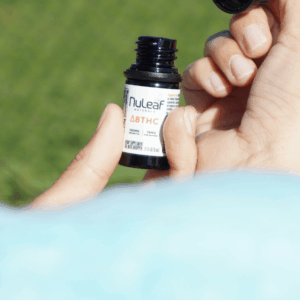
The Three Main Types: Full-Spectrum vs Broad-Spectrum vs Isolate
Your tincture’s cannabinoid profile matters. A lot.
Full-spectrum THC tinctures
What it means: Contains THC plus other cannabinoids (like CBD, CBG, CBC) and typically terpenes, within legal limits.
Why people like it: Many users report a more “complete” effect due to the entourage effect (cannabinoids and terpenes working together).
What to watch: Full-spectrum can include trace THC beyond what ultra-sensitive testers expect. If you’re trying to avoid THC exposure, this is not your lane.
Best for: people who want the most plant-like profile and a more layered effect.
Broad-spectrum tinctures
What it means: Multiple cannabinoids and terpenes, but THC is removed or reduced to non-detectable/trace depending on the product.
Why people like it: Benefits of multiple cannabinoids with minimal THC content.
What to watch: “THC-free” is often a marketing phrase. Look for “ND” (non-detect) on the lab report if that matters to you.
Best for: people who want a multi-cannabinoid tincture but are cautious about THC.
THC isolate tinctures
What it means: Primarily one cannabinoid (like delta-9 THC isolate) in a carrier oil, with minimal extras.
Why people like it: Cleaner, simpler, more consistent.
What to watch: Effects can feel sharper or less “rounded” without other cannabinoids/terpenes.
Best for: people who want precision and predictability.
Which THC Are We Talking About? Delta-9, Delta-8, and Friends
“Hemp-derived THC” is a category, not one single compound. Common types include:
- Delta-9 THC: The classic. The one most people mean when they say “THC.”
- Delta-8 THC: Typically reported as milder for many users, but potency and effects vary. Also faces more state restrictions.
- THC blends: Some tinctures combine delta-9 with minor cannabinoids for a tailored effect (calm, sleep, balance, etc.).
Beginner advice: Start with a clearly labeled product that specifies the type of THC and the milligrams per serving. If the label feels like a riddle, put it back on the shelf. Or close the tab. Same energy.
Potency: Milligrams Matter More Than Vibes
Ignore vague claims like “extra strength” or “maximum chill.” You need numbers.
Look for:
- Total THC in the bottle (mg)
- THC per serving (mg)
- Serving size (mL)
- Dropper markings (so you can measure without guessing)
A practical example of what “good labeling” looks like
- Bottle: 30 mL
- Total THC: 300 mg
- That means: 10 mg THC per 1 mL
If the label doesn’t help you do that math in five seconds, it’s not beginner-friendly.
Beginner Dosing: Start Low, Stay Low (At First)
If you’re new, your goal is not to “feel something immediately.” Your goal is to find your minimum effective dose. Be boring. Be careful. Be consistent. You can be brave later.
A solid beginner starting range
- Start low: 2.5 to 5 mg THC
- Wait: If sublingual, wait at least 60 to 90 minutes before increasing. If swallowed, wait at least 2 to 3 hours before increasing.
Repeat this mantra: Start low. Go slow. Stay patient. Yes, it’s repetitive. That’s the point.
Microdosing vs a “real” dose
- Microdose: 1 to 2.5 mg (subtle, functional)
- Beginner range: 2.5 to 5 mg (noticeable but manageable for many)
- Moderate: 5 to 10 mg (could be too much for some beginners)
- Experienced territory: 10 mg+ (only after you know your response)
Your body weight, tolerance, metabolism, and whether you ate recently all affect results. Also your mood. Also your playlist. Also whether you remembered to drink water. THC is fun like that.
Don’t redose too fast
Most “bad first THC experiences” are not from the first dose. They’re from the second dose taken too soon because “nothing is happening.” Something is happening. It’s just late.
What Should a Hemp-Derived THC Tincture Be Made With?
Let’s talk ingredients. A tincture is only as good as what’s inside and what’s not.
Common carrier oils
- MCT oil: neutral taste, common, shelf-stable
- Hemp seed oil: earthy flavor, often used for “hemp-forward” products
- Olive oil: less common, but perfectly valid
If you’re considering microdosing, remember that this method involves taking small amounts of THC (1 to 2.5 mg) which can provide subtle yet functional effects without overwhelming you.
Flavoring
Natural flavors are common. So are essential oil-style botanicals in tiny amounts. If you see a wild list of additives, dyes, or mystery “proprietary blends,” be suspicious.
Beginner rule: simpler is safer.
The COA Checklist: Read the Lab Report Like You Mean It
A COA (Certificate of Analysis) is your proof the product contains what it claims and doesn’t contain what you don’t want.
If a brand doesn’t provide a COA, don’t argue with them in your head. Just leave.
Here’s what to check:
1) Match the batch number
The COA should match the exact batch of the tincture you’re buying. If the COA looks generic or doesn’t match, that’s not transparency. That’s vibes-based compliance.
2) Potency panel
Confirm:
- THC type (delta-9, delta-8, etc.)
- mg per mL (or mg per serving)
- Other cannabinoids listed if it’s full-spectrum or broad-spectrum
3) Heavy metals
Look for passing results on:
- lead
- arsenic
- cadmium
- mercury
4) Pesticides
Hemp is a bioaccumulator. It’s great at pulling things from soil. Sometimes those things are not great for your body. A pesticide screen matters.
5) Residual solvents (especially for extracted cannabinoids)
If cannabinoids were extracted using solvents, the product should be tested to confirm no unsafe leftovers remain.
6) Microbials (mold, yeast, pathogens)
Especially important if the product uses plant material extracts.
7) Mycotoxins
Not always included, but a strong plus when it is.
8) Date and lab info
- Recent test date
- Third-party lab name and contact details
- Clear pass/fail markers
If the COA is unreadable, missing pages, or looks like it was faxed through time, choose a better brand. Your liver is not a beta tester.
How to Shop Online Safely (Without Getting Played)
Buying online is convenient. It’s also where questionable products go to thrive.
Use this checklist before you click “Buy now.”
Buy from brands that:
- Provide easy COA access on every product page (QR code or direct link)
- Clearly list THC mg per serving
- Explain whether the product is full-spectrum, broad-spectrum, or isolate
- Have a real customer support email, refund policy, and physical business info
- Use tamper-evident packaging and child-resistant caps when appropriate
Avoid brands that:
- Hide the COA behind a “contact us”
- Use only buzzwords like “premium,” “organic,” “lab tested” with no proof
- Make medical claims (“cures anxiety,” “treats pain,” “fixes insomnia permanently”)
- Don’t list ingredients clearly
- Feel like a pop-up shop for cannabinoids
Also, check shipping disclaimers. Reputable sellers will be explicit about where they can and cannot ship.
Picking the Right Tincture for Your Goal (Without Overthinking It)
You don’t need a PhD in cannabinoids. You need a simple starting point.
If you want a gentle first try
Pick:
- 2.5 mg per serving option, or a tincture that makes 2.5 mg easy to measure
- Preferably balanced formulas (some CBD present) if you want a softer edge
If you want more classic THC effects
Pick:
- A clearly labeled delta-9 THC tincture
- Full-spectrum if you want a “whole plant” style experience
If you want to minimize THC exposure but still explore cannabinoids
Pick:
- Broad-spectrum with ND THC on the COA (if available and important to you)
If you want precision dosing
Pick:
- Isolate-based tincture with simple ingredients and clear mg per mL
How to Take a Tincture (Do It Right the First Time)
Use this simple process:
- Eat something small if THC makes you feel queasy (optional, but helpful).
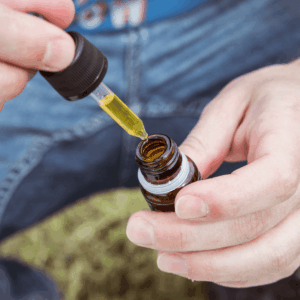
- Measure your dose carefully using the dropper markings.
- Take it sublingually for faster onset: under tongue, hold 30 to 60 seconds.
- Wait long enough before deciding it “didn’t work.”
- Write down your dose and timing the first few times. Be a nerd. It works.
And yes, hydrate. No, hydration does not “cancel THC.” It just makes you feel more like a human.
Side Effects and Safety Notes (Not to Kill the Mood, Just to Keep It Real)
Possible THC side effects include:
- dry mouth
- dizziness
- increased heart rate
- anxiety or paranoia at higher doses
- drowsiness
- impaired coordination and reaction time
Do not drive after taking THC. Do not operate machinery. Do not attempt to prove you can “totally handle it.” That’s how you end up reorganizing your spice rack at 2 a.m. with great confidence and poor results.
If you’re pregnant, breastfeeding, have a medical condition, or take medications, talk to a qualified clinician before using THC. Especially if you’re on meds that come with grapefruit-style warnings. THC can be a social butterfly in your metabolism.
Storage: Keep It Potent, Keep It Safe
- Store in a cool, dark place
- Keep the cap tight to reduce oxidation
- Keep away from kids and pets (THC is not a “tiny treat”)
- Check the expiration date and the smell/taste over time
If it tastes rancid or looks off, don’t power through. Toss it.
The Buying Checklist (Print It in Your Brain)
Before you buy a hemp-derived THC tincture, confirm:
- You know your state’s rules
- THC type is clearly stated (delta-9, delta-8, etc.)
- THC mg per serving is clearly stated
- Spectrum type is stated (full, broad, isolate)
- COA is available, recent, and batch-matched
- COA includes potency + contaminants (heavy metals, pesticides, solvents, microbials)
- Ingredients are simple and listed
- The brand avoids medical claims and offers real support
Repetition time: COA. COA. COA. If nothing else sticks, let that stick.
Final Thoughts (And Your Next Step)
Hemp-derived THC tinctures are beginner-friendly because they give you control, and control is the whole game. Choose the right spectrum. Choose a dose you can measure. Start at 2.5 to 5 mg. Wait long enough. Read the COA like it’s your job.
Then do the fun part: find your sweet spot.
If you’re shopping for a hemp-derived THC tincture online, pick a product with clear milligram labeling, third-party lab reports on the product page, and a spectrum profile that matches your goal. Don’t gamble on mystery liquid. Buy the boring, transparent option. The effects will still be interesting, promise.
Hemp THC Tincture: FAQs (Frequently Asked Questions)
What is a hemp-derived THC tincture and how does it work?
A hemp-derived THC tincture is a liquid cannabinoid extract designed to be taken sublingually (under the tongue) or swallowed. It contains THC sourced from hemp, which legally must have no more than 0.3% delta-9 THC by dry weight, combined with carrier oils and often other cannabinoids and terpenes. When taken sublingually, cannabinoids absorb through the oral mucosa for faster onset; when swallowed, digestion alters the experience and timing.
Are hemp-derived THC tinctures legal across all U.S. states?
Federally, hemp-derived THC products are legal if they meet the definition of hemp (no more than 0.3% delta-9 THC) and comply with regulations. However, state laws vary widely—some states restrict or ban certain hemp-derived cannabinoids like delta-8 or delta-9 in specific formats. Always verify your state’s laws before purchasing, as ‘ships to all 50 states’ does not guarantee legality everywhere.
Why are tinctures considered a smart starting point for trying THC?
Tinctures offer precise dosing control via a dropper, making them easy to dose compared to gummies or edibles. They act relatively fast when taken sublingually, are discreet with no smoke or smell, and provide flexibility to microdose or build gradually. This makes them ideal for beginners or those avoiding inhalation but seeking predictable effects.
What is the difference between taking a tincture sublingually versus swallowing it?
Sublingual use involves placing the tincture under the tongue for 30-60 seconds before swallowing, leading to faster onset (~15-45 minutes) and smoother effects due to partial bypass of digestion. Swallowing it like an edible results in slower onset (~45-120 minutes), stronger and longer-lasting effects because of digestion and liver metabolism. Beginners should pick one method to avoid accidental overconsumption.
What are full-spectrum, broad-spectrum, and isolate THC tinctures?
Full-spectrum tinctures contain THC plus other cannabinoids (CBD, CBG, CBC) and terpenes within legal limits, offering a ‘complete’ effect via the entourage effect where compounds work synergistically. Broad-spectrum includes multiple cannabinoids but typically no THC. Isolate contains only pure THC without other cannabinoids or terpenes. Choosing depends on desired effects and tolerance.
What should consumers watch for regarding compliance and testing updates in hemp-derived THC products?
The industry is monitoring potential changes in enforcement around ‘total THC’ calculations and testing methods, including a significant rule update expected by November 2026. These changes may affect product legality and labeling requirements. Consumers should buy from reputable brands that provide transparent testing results and stay informed about evolving regulations to ensure compliance.