How Temperature Changes the THCA Experience

Ship to
THCA ( This compound has gained attention for its potential therapeutic properties, but most cannabis enthusiasts are more familiar with its transformation into THC rather than its original form. Here’s the game-changer: THCA temperature matters more than you might think. The relationship between THCA effects heat creates isn’t just about getting high—it’s about crafting your ideal experience. Whether you’re chasing intense psychoactivity, preserving delicate flavors, or seeking that sweet spot between the two, understanding the temperature and THCA experience connection unlocks a new level of consumption control. Different temperatures trigger different chemical reactions, transforming your cannabis from raw plant matter into a customizable experience tailored to your exact preferences. THCA is the raw, acidic form of THC found in living cannabis plants. Unlike THC, THCA does not have any psychoactive effects. This means that even if you consume large amounts of raw THCA, you won’t experience the euphoric high typically associated with cannabis. The reason behind this is that THCA has an extra carboxyl group (COOH) in its molecular structure, which prevents it from effectively binding to CB1 receptors in the brain. Therefore, eating fresh cannabis buds won’t get you high. The process of converting THCA into THC involves applying heat, which triggers a reaction called decarboxylation. During this reaction, the carboxyl group breaks off from THCA and releases carbon dioxide (CO₂), resulting in the formation of pure THC. This transformation is what makes THC psychoactive and capable of producing its characteristic effects. Different temperatures have different effects on the decarboxylation process: In addition to temperature, time also plays a crucial role in the decarboxylation process. Lower temperatures require longer periods of exposure for complete conversion from THCA to THC, while higher temperatures speed up the process but also increase the chances of cannabinoid degradation. Finding the right balance between heat and duration is essential to fully unlocking the potential of your THCA instead of wasting it away. Different ways of consuming cannabis require different temperature strategies, each creating unique experiences with THCA-rich cannabis. The heat you apply directly determines what compounds activate, what flavors emerge, and how intense your experience becomes. Vaping between 220°F and 300°F offers precise control for consuming THCA. This range allows you to: The controlled environment of vaping prevents combustion entirely, meaning you’re extracting compounds without creating the harsh byproducts that smoking produces. Dabbing operates in the 350°F to 650°F range, creating dramatically different experiences across this spectrum: Traditional smoking reaches temperatures exceeding 1,000°F at the cherry, converting THCA instantly but destroying temperature-sensitive compounds indiscriminately. Controlled heating methods—vaping and low-temp dabbing—operate below combustion thresholds, preserving the full spectrum of cannabinoids and terpenes your flower contains. While smoking delivers immediate, intense effects with minimal equipment fuss, controlled heating requires investment in proper devices but rewards users with customizable experiences that honor the plant’s complete chemical profile. It’s essential to understand the role of terpenes in this process as they significantly influence both flavor and effect. The relationship between THCA temperature and its resulting effects creates a delicate balancing act. Crank up the heat, and you’ll accelerate THCA potency temperature conversion—transforming more of that non-psychoactive compound into THC that delivers those sought-after psychoactive effects. Think of it like cooking: higher temperatures mean faster results, but you risk burning the good stuff. When you push temperatures above 300°F, THCA converts to THC at an impressive rate. Your brain gets the full psychoactive punch, but here’s the catch: those same elevated temperatures start obliterating the very compounds that make cannabis special. At 350°F and beyond, you’re trading flavor complexity for raw intensity. The THC psychoactive effects intensify predictably with heat: Terpene degradation temperature varies wildly depending on the specific compound. Myrcene, that earthy aromatic responsible for relaxing effects, starts breaking down around 334°F. Limonene, with its citrusy punch, holds steady until approximately 349°F. Pinene—the fresh pine scent—begins deteriorating at 311°F. Want to preserve those delicious flavors? Start your session at lower temperatures (around 315°F-330°F) to capture the full terpene profile. You’ll taste the difference immediately—bright, complex notes that higher temperatures simply vaporize into oblivion. Then gradually increase heat to boost THCA potency temperature conversion as your session progresses. Pro tip: Take your first few draws at lower temps to experience the strain’s authentic flavor signature. Your taste buds will thank you, and you’ll still get plenty of psychoactive kick as temperatures climb. Getting your temperature right means nothing if your gear can’t deliver. The equipment you choose directly impacts your ability to maintain consistent heat levels and, by extension, the quality of your THCA experience. Modern vaping devices with temperature control have revolutionized precision heating. These gadgets come in three main flavors: Digital controls eliminate guesswork. Set your device to 365°F, and you’ll hit 365°F—not 340°F, not 390°F. This consistency means repeatable results every single session. The material of your dabbing nail dramatically affects heat retention and distribution. There are several types of dab nails each with unique characteristics: Electronic nails (e-nails) pair with any material, adding digital precision to your dabbing setup. They maintain your chosen temperature indefinitely, perfect for group sessions or back-to-back dabs. Customizing cannabis effects starts with understanding your own priorities. Think of temperature as your personal dial for the THCA experience—twist it one way for maximum psychoactivity, turn it another for flavor-forward sessions. User preference potency vs flavor represents the eternal cannabis conundrum. Chase higher temperatures (above 400°F) when you want that full-throttle THC conversion and intense psychoactive punch. Your terpenes might protest a bit, but the potency delivers. Drop down to the 300-350°F range when you’re after those complex flavor profiles and aromatic nuances that make each strain unique. Consider these personalization strategies: Your consumption method plays matchmaker between your preferences and temperature capabilities. Vaporizers with precise digital controls let you experiment with 5-degree increments, discovering your sweet spot through trial and refinement. Dabbing requires more intuition—watching your nail’s color, timing your hits, learning how different materials respond to torch application. Optimizing your THCA consumption starts with using a thermometer and ends with finding your ideal session. Temperature is more than just a number—it’s the key to controlling your entire experience. Start low, go slow, and take notes. Seriously, write down what works: The beauty of controlling the temperature is that you can recreate the same experience every time. Once you find your perfect temperature, like 380°F for balanced effects and taste, you won’t have to guess anymore. Be cautious while trying new things. Start at lower temperatures (around 315°F for vaping) and gradually increase by 10-15 degree increments. Your lungs, wallet, and stash will appreciate it if you don’t burn everything at 700°F on your first day. The ideal THCA temperature is out there—but it’s up to you to find it, not someone else. la/shop/trait/cannabinoids/thca">tetrahydrocannabinolic acid) is an important compound in cannabis. It is found in raw plant material and is the non-psychoactive precursor to THC. THCA can be compared to THC’s shy cousin—it’s present in large amounts but doesn’t show its true nature until heat is applied.
The Science Behind THCA Decarboxylation
How Heat Changes THCA into THC
The Importance of Temperature in Decarboxylation
The Role of Time in Decarboxylation
Exploring Optimal Temperature Ranges for Different Consumption Methods
Vaping THCA Temperature: The Goldilocks Zone
Dabbing Temperature for THCA: High Heat, High Stakes
Smoking vs Heating THCA: The Fundamental Trade-off
Effects of Temperature on Potency, Psychoactivity, Terpene Preservation, and Flavor Profile
The Temperature-Potency Sweet Spot
Terpenes: The Fragile Flavor Warriors
Managing Temperature Control with Equipment Considerations
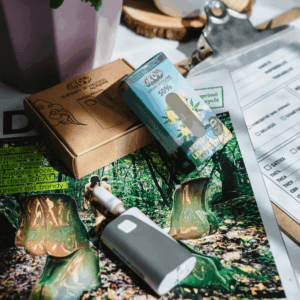
Vaping Devices with Temperature Control
Dabbing Nails Materials
Personalizing Your THCA Experience Through Temperature Choices
Conclusion

Jun 22, 2026 Jenna Renz

Jun 22, 2026 Jenna Renz

Jun 22, 2026 Jenna Renz