Myrcene Terpene Effects: Benefits, Sources, and Uses

Ship to
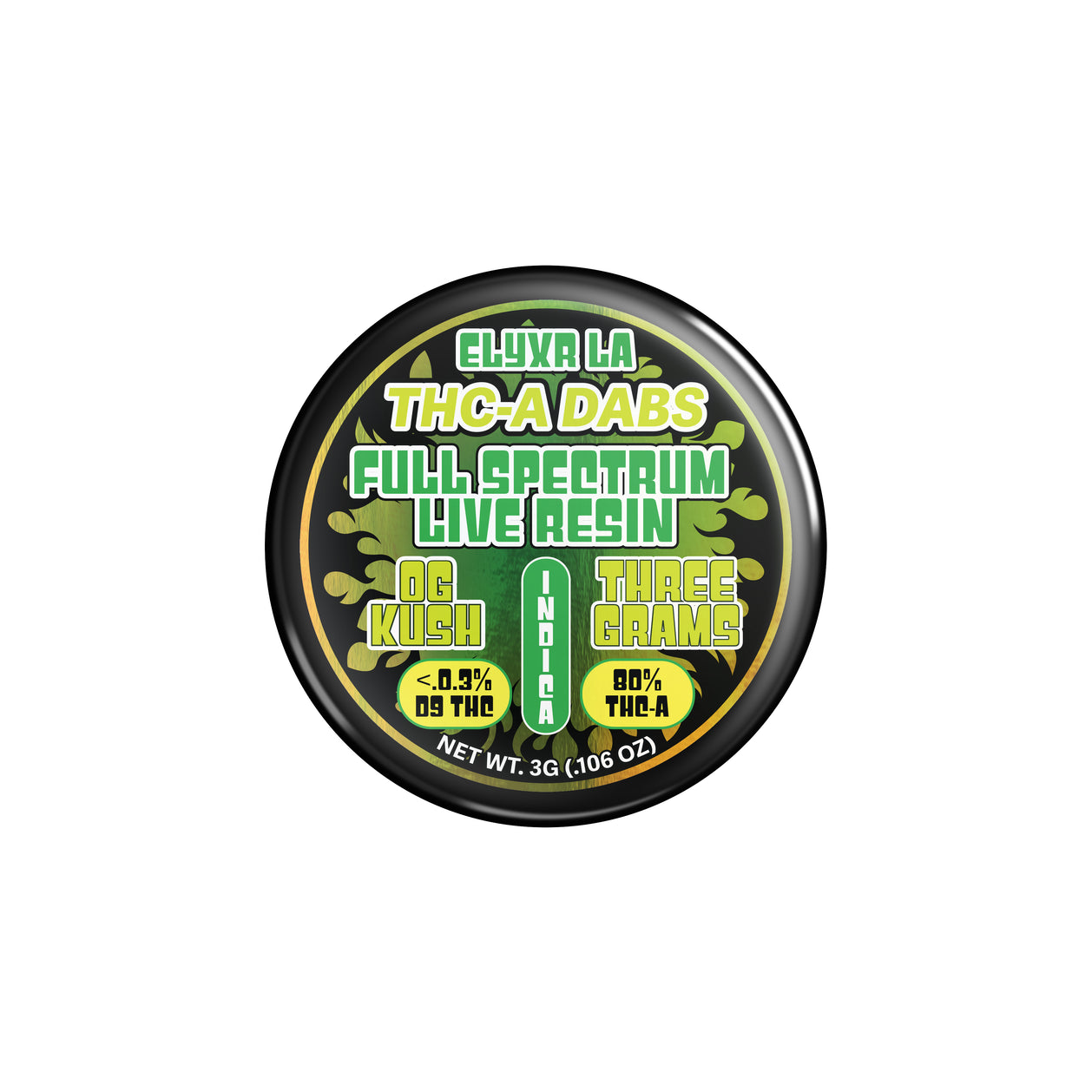
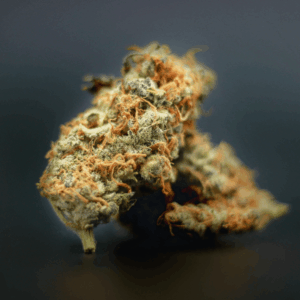
If you’ve ever cracked open a jar of certain As one of the most studied cannabis terpenes, the myrcene terpene is a significant compound that’s linked to a variety of potential health benefits and therapeutic effects. It’s often cited as a dominant terpene in many cannabis strains, particularly indica strains, and is known for its natural sedative effects, pain relieving properties, and ability to enhance cannabinoid absorption. In this guide, we’ll explore myrcene terpene effects, how it interacts with other cannabinoids and terpenes, and why it’s worth understanding if you’re aiming to accurately describe strains’ cannabinoid and terpene profiles. Myrcene is a naturally occurring monoterpene — meaning it’s built from two isoprene units — and is part of the larger family of organic compounds that give plants their aroma and flavor. In cannabis, it’s considered the most abundant terpene in many strains, making it a significant compound in shaping the overall terpene profile. Its aroma is often described as earthy, musky, and herbal, with sweet undertones that can evoke hints of ripe fruit. Beyond cannabis plants, myrcene can be found in hops, bay leaves, parsley, thyme, and even lemongrass tea, which has been used traditionally for its calming and anti inflammatory properties. As an aroma agent, myrcene plays a key role in complex mixtures that define how both cannabis and other botanical products smell and taste. In cannabis, myrcene is more than just a scent contributor — it’s often the dominant terpene in indica strains and some hybrid varieties. Many cannabis strains with high myrcene levels are associated with a sedative effect, sometimes referred to as the “couch-lock” feeling. This deep relaxation is one reason myrcene-dominant strains are popular among people seeking a natural sleep aid or stress relief. Research into myrcene terpene effects suggests that it may help enhance cannabinoid absorption across the blood brain barrier, potentially amplifying the effects of both THC and CBD. This is part of its role in the entourage effect, where cannabinoids and terpenes interact to produce unique therapeutic benefits that may be greater than the sum of their parts. While myrcene research is ongoing, there’s a growing body of evidence suggesting it offers a range of potential benefits and medicinal properties: While these therapeutic effects are promising, it’s important to remember that most data comes from early studies and animal models, meaning more human-based research is needed. One of the most intriguing aspects of myrcene terpene effects is its role in the entourage effect — the theory that other cannabinoids, other terpenes, and compounds in cannabis work together to create unique outcomes. Myrcene enhances the way cannabinoids like THC and CBD interact with the body by possibly increasing their passage through the blood brain barrier. This interaction might be one reason high myrcene strains are known for stronger sedative effects and more noticeable pain relief. While the entourage effect remains a debated topic in cannabis science, the potential for myrcene to enhance cannabinoid absorption makes it an important consideration for anyone interested in maximizing the therapeutic benefits of cannabis. Although it’s the most abundant terpene in many cannabis plants, myrcene appears in several familiar plants and foods: These natural sources highlight myrcene’s versatility, from aroma agent in essential oils to a functional ingredient in herbal remedies. Not all cannabis sativa or indica strains have the same myrcene levels, but some are well-known for being high myrcene cannabis strains. Examples include OG Kush, Granddaddy Purple, and Blue Dream. These myrcene dominant strains are often sought after for their deep relaxation and stress relief properties. Factors like genetics, cultivation methods, curing, and storage can impact the terpene profiles and myrcene levels in cannabis. Testing from reputable labs can help identify high myrcene cannabis products, allowing consumers to choose strains that align with their desired therapeutic benefits — whether that’s a natural sedative, help to manage chronic pain, or just a more calming smoking session. While benefits of myrcene are numerous, there are some safety concerns to be aware of. In high doses, myrcene’s sedative effects can cause excessive drowsiness, making it less ideal before activities requiring alertness. Some people may also experience mild allergic reactions, particularly to concentrated forms in essential oils. There’s also the potential for interactions with certain medications, especially those affecting the nervous system. And while myrcene may have anti inflammatory properties and pain relieving properties, inhaling smoke from cannabis or other sources still carries respiratory risks. If you want to tap into the therapeutic benefits and effects of myrcene, there are several ways to do it: By selecting products with accurate lab reports, you can ensure you’re getting a significant compound with the terpene profile you’re seeking. This allows you to target pain relief, stress relief, or deep relaxation more intentionally. Myrcene stands out among cannabis terpenes as a versatile, most abundant terpene with a range of potential health benefits and medicinal properties. From its sedative effect and anti inflammatory properties to possible analgesic effects and antioxidant properties, this significant compound plays a big role in shaping the effects of many cannabis sativa strains. Whether you’re interested in myrcene research for its potential to help manage chronic pain, improve sleep, reduce inflammation, or simply enhance your cannabis experience, understanding myrcene’s role is key. By exploring high myrcene strains and learning how myrcene interacts with other cannabinoids and other cannabis terpenes, you can make more informed choices — and maybe even discover your perfect terpene profile along the way.la/shop/strain"> cannabis strains and been greeted with an earthy aroma that’s musky, herbal, and slightly sweet, there’s a good chance you’ve encountered myrcene. Myrcene is one of the most abundant terpenes found in cannabis plants, and it’s also present in a variety of other natural sources, from mangoes to lemongrass.
What is Myrcene?
Myrcene’s Role in Cannabis
Potential Benefits of Myrcene
Myrcene and the Entourage Effect
Common Sources of Myrcene Beyond Cannabis
Myrcene Levels in Different Cannabis Strains
Possible Side Effects or Risks
How to Experience Myrcene’s Effects
Final Thoughts

Jun 22, 2026 Jenna Renz

Jun 22, 2026 Jenna Renz

Jun 22, 2026 Jenna Renz