What the November 2026 Hemp Law Actually Means for the Products You Buy

Ship to
The November 2026 hemp law is about to turn the entire “hemp THC” marketplace upside down, and no, the sky is not falling.
If you’ve been hearing whispers like “all hemp is getting banned” or “your favorite delta-9 gummies are illegal overnight,” you’re not alone. The rumor mill is working overtime, and it has the accuracy of a fortune cookie written by a raccoon.
Here’s the real headline: a federal hemp redefinition signed November 12, 2025 takes effect November 12, 2026, and it caps finished products at 0.4 mg total THC per container. That one sentence is why brands are sweating, consumers are confused, and state regulators are sharpening their pencils.
This article breaks down what the law actually says, what it means for the products you actually buy, how states are reacting, what you should do now, and how Hyperwolf’s hemp side is preparing to stay compliant without playing games.
Now let’s do the part where we stop guessing and start reading what matters.
For years, the modern hemp market lived in a weird loophole neighborhood.
The 2018 Farm Bill legalized hemp by focusing on the plant and its delta-9 THC concentration, typically 0.3% on a dry-weight basis. That standard made sense for raw biomass. It made a lot less sense for edibles and beverages, because “dry weight” math gets silly fast when you add sugar, gelatin, water, or a fancy bottle.
So the market evolved. Hemp-derived cannabinoids got extracted, products got formulated, and consumers got used to buying things like:
Then came the new rule: a redefinition that targets the finished product and sets a strict total THC per container cap.
That is the key shift. Not plant. Not batch. Not “dry weight.” The final thing you hold in your hand.
The new standard, as summarized in the context you provided, is a cap of 0.4 mg total THC per container in finished products.
To translate: a jar of gummies, a single can, a tincture bottle, a chocolate bar, a bag of mints, a pack of capsules, a syrup bottle. The whole container.
That is a microscopic number compared to what the current market sells.
If you’ve been buying a 10 mg gummy pack with 10 pieces, that’s 100 mg per container. Under a 0.4 mg cap, that’s not “a little over.” That’s “wrong universe.”
Even if you only buy “mild” hemp THC, like a 2 mg drink, that’s still 2 mg per container. Over the cap.
So yes, the panic has a real basis. But the details still matter, because enforcement, state alignment, product categories, and timelines will determine what actually happens to your shopping cart.
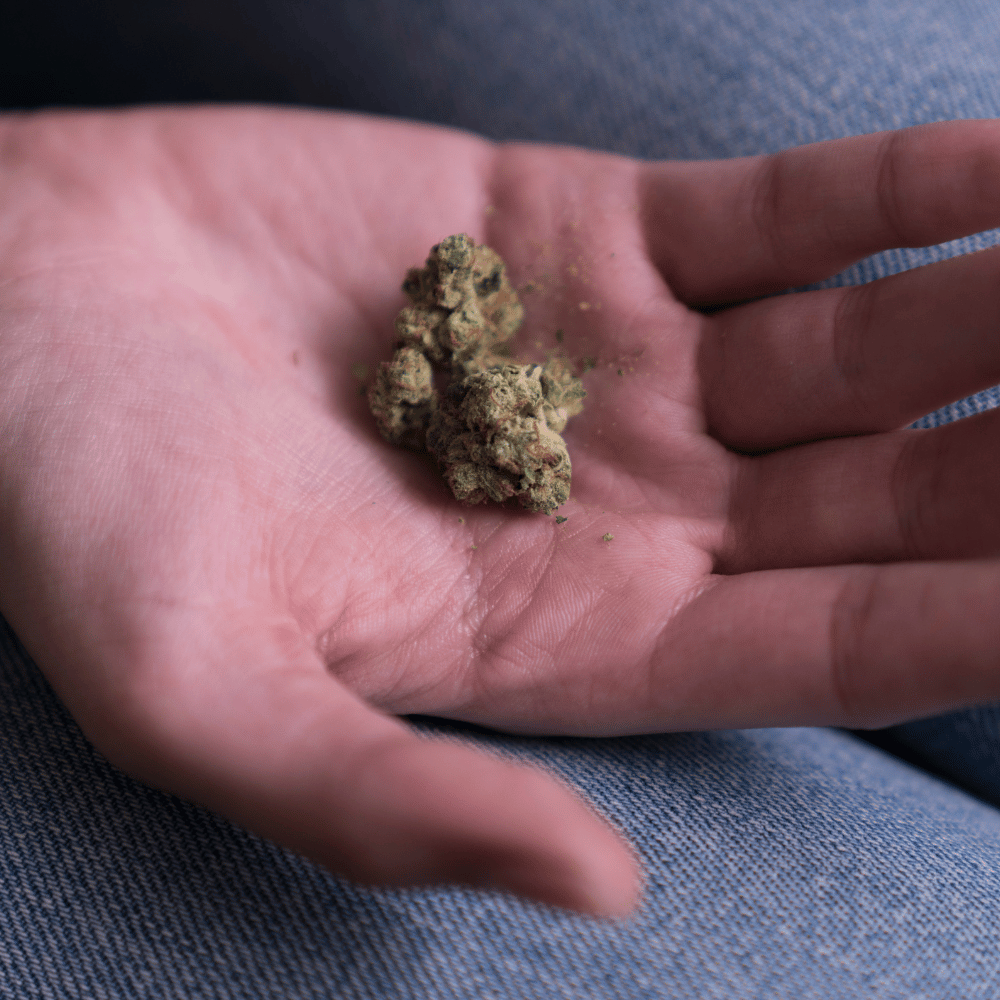
The products most at risk are the ones that made hemp mainstream for normal adults with jobs and responsibilities.
Gummies are almost always sold as multi-serving containers with milligrams that exceed 0.4 mg by a lot. Under a strict container cap, most existing gummy SKUs on the market would be federally non-compliant.
Most hemp drinks are single containers. That sounds like an advantage until you remember that a single can often contains 2.5 mg, 5 mg, 10 mg, or more. Under 0.4 mg total per can, nearly all current THC drinks would fail the cap.
Tinctures are containers. Tinctures also tend to contain measurable THC if they’re full-spectrum or if they’re formulated for effect. Under a 0.4 mg container cap, tinctures would either have to become functionally THC-free or exit the “hemp THC” category entirely.
Even “microdose” products can exceed 0.4 mg per container simply because they include multiple servings. The cap is per container, not per serving. That is why this is such a big deal.
This is where the internet gets dramatic.
A CBD isolate product with no THC is not the target here. But many CBD products are full-spectrum or broad-spectrum with trace THC, and “trace” adds up quickly when you have a whole bottle.
Under a strict container cap, brands will likely need to:
If you love full-spectrum CBD because it feels better, you may see fewer options, or you may see “CBD” products that feel different because they had to strip THC down to near-zero.
One reason this topic is exploding in search is because everyone understands something doesn’t add up.
A 0.4 mg per container cap is not a “light-touch safety standard.” It’s essentially a ban on intoxicating hemp products as consumers know them.
That’s why you’re seeing industry conversation around an alternative framework, including a proposed 5 mg per serving approach (often discussed as a more realistic regulatory compromise).
Here’s the practical difference:
Which one wins? That depends on politics, agency guidance, state adoption, litigation, and whether regulators decide they want a controlled market or a scorched-earth cleanup.
For consumers, this matters because the final “shape” of the marketplace could look like either:
You don’t need to pick a side to understand the impact. You just need to recognize the stakes.
Federal rules set the ceiling, but states often decide how the room is furnished. And states are already moving.
Because the hemp-derived THC market grew faster than most state legislatures can read a lab report, states are reacting in totally different ways. Some want to fold hemp THC into their existing cannabis programs. Some want to ban it. Some want to create a new lane. Some want to pretend it doesn’t exist until a headline forces their hand.
For instance, Washington State has implemented specific regulations regarding hemp-derived products, reflecting its unique approach towards this rapidly evolving market.
Here’s what to watch based on the examples in your brief.
Ohio has been cited in the conversation as moving toward a ban-style posture. Whether it’s a full ban or functional ban via restrictions, the consumer impact is the same: availability drops, legitimate brands leave, and the vacuum gets filled by sketchy products sold through sketchy channels.
If you live in a state taking the Ohio approach, expect:
Yes, bans reduce legal access. No, bans don’t magically remove demand. They just change who profits from it.
New Jersey has been discussed as building a framework approach, which usually means: define categories, define limits, define licensing, define labeling, define testing, and then enforce it.
Framework states tend to produce a market that is:
For consumers, annoyance is good. Annoyance is how you get accurate labels and fewer mystery ingredients.
If NJ-style frameworks spread, you’ll see:
Minnesota is often cited as a model because it took a more structured approach to hemp-derived THC earlier than many states. The specific details can evolve, but the consumer takeaway is simple: Minnesota-style policy treats low-dose hemp THC as a regulated adult product instead of pretending it’s just “CBD with vibes.”
If your state follows a Minnesota-like model, expect:
You’re not imagining it. The next 6 to 18 months will likely be chaotic.
Here’s why:
Confusion is not an accident. It’s a phase. Treat it like one.
People love to imagine a switch flipping at midnight. Regulation doesn’t work like that. Reality is more like:
Still, the effective date matters because it changes risk. After Nov 12, 2026, companies selling products over the cap may face:
Even if a product remains physically available, the legitimate supply chain may stop touching it. That is usually when consumers end up with worse options, not better ones.
No panic shopping. No bunker mentality. Just do the smart things.
If the label looks like it was designed by a middle schooler who just discovered flame graphics, walk away.
Buy from brands that publish:
If a brand hides lab results, they’re not “protecting the recipe.” They’re protecting you from learning the truth.
Read mg per serving and mg per container. Read both. Say it out loud if you must.
With the new cap framed per container, “per container” is the number that will decide compliance under this rule.
When a product says “new formula,” translate it as: “This may hit differently.”
Lower THC often means:
Some reformulations will be thoughtful. Some will be desperate. Your job is to notice the difference.
Could availability tighten? Yes. Will you be able to buy something else legally? Probably. Is it smart to buy a lifetime supply of gummies because TikTok told you the apocalypse is scheduled? No.
Buy what you’ll reasonably use. Keep your spending sane. Keep your products fresh. Expired gummies are not a flex.
Your state will determine your real-world access more than federal headlines.
If your state is moving toward a ban, plan for:
If your state is building a framework, plan for:
This part matters because consumers often assume all brands will “comply.”
They won’t.
Boring work. Expensive work. Necessary work.
If you’re wondering how a product can be “legal” everywhere while everyone else is reformulating, the answer is usually: it isn’t.
If the market is going to get noisy, you want a signal, not another megaphone.
Here’s the approach we’re taking on the hemp side at Hyperwolf, in plain language.
The effective date is real. The cap is real. So we plan for compliance pathways that hold up even if enforcement tightens.
That means we’re not waiting until October 2026 to “see what happens.” That’s not a strategy. That’s procrastination wearing a suit.
Expect:
If a product changes, we’ll tell you it changed. Repetition for emphasis: if a product changes, we’ll tell you it changed.
Consumers don’t need more hype. They need:
So that’s the bar. That’s the whole point.
A market with no enforceable standards turns into a race to the bottom. The bottom is not where you find wellness. The bottom is where you find mystery oil and regret.
We’re watching the state frameworks closely, including models like Minnesota and emerging structures like New Jersey’s approach, and we’re tracking proposals that aim for practical dose limits such as a 5 mg per serving concept. Whether regulators adopt that or not, we plan to stay compliant and keep customers informed.
No. It kills a specific category of high-THC hemp finished products as they currently exist, assuming the cap is enforced as described.
Hemp will still exist. CBD will still exist. Non-intoxicating cannabinoids will still exist. Even intoxicating experiences may still exist in regulated forms, depending on state programs and how policy evolves.
But the current convenience-store style hemp THC boom? The one built on uneven rules and creative math? That era is ending.
Good. It needed to end. You deserve a market where a label means something.
If you want to stay ahead without doomscrolling, watch these signals:
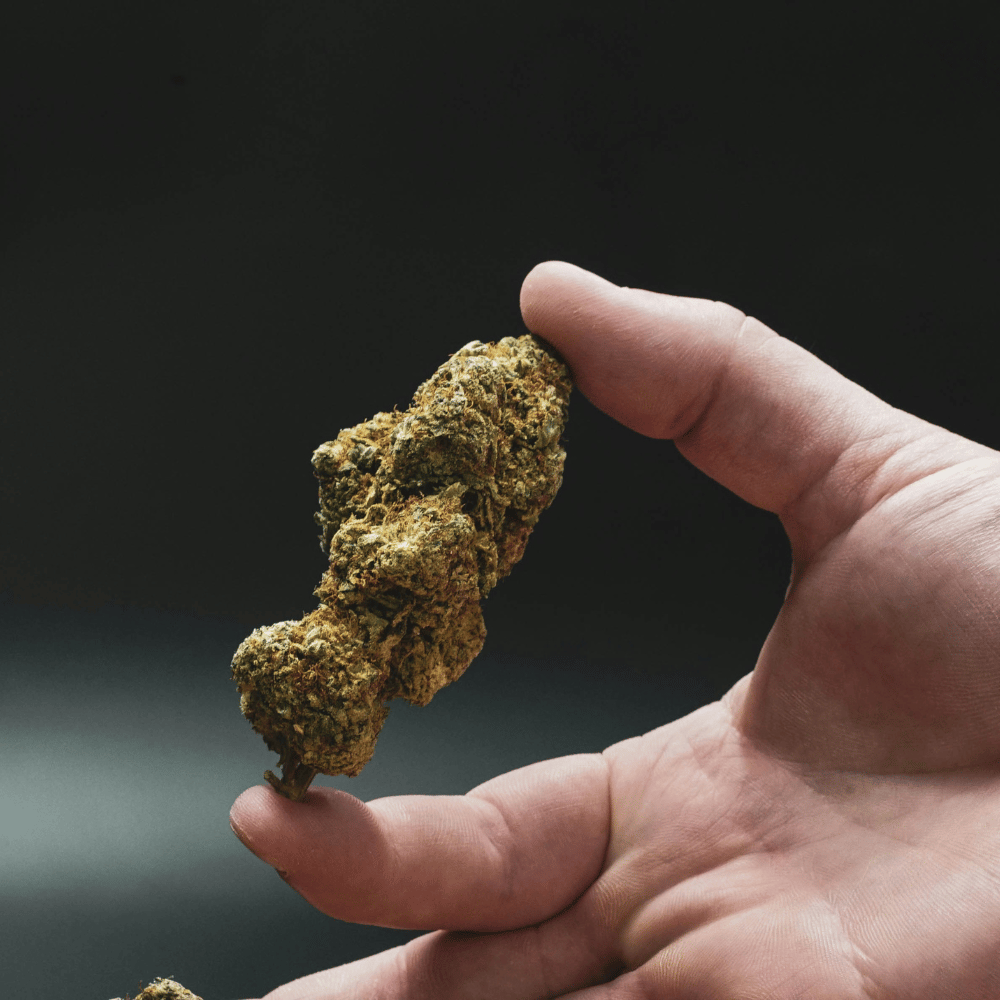
The November 2026 hemp law is not just another regulatory headline. It’s a finished-product THC cap that could make most current hemp gummies, drinks, and tinctures federally non-compliant after Nov 12, 2026.
So don’t panic. Get picky.
Buy transparent products. Track your state. Expect reformulations. Reward brands that tell the truth, even when the truth is inconvenient.
And if you want one simple rule to follow until the dust settles, here it is: if a brand can’t prove what’s in the package, don’t put it in your body.
The November 2026 hemp law is a new federal redefinition of hemp that takes effect on November 12, 2026. It sets a strict limit on total THC content in finished hemp products, capping it at 0.4 mg per container.
The 0.4 mg total THC per container cap means that most current hemp gummies, drinks, tinctures, and other finished products with higher THC levels will become federally non-compliant. This limit applies to the entire container, not per serving, drastically reducing allowable THC amounts in finished hemp goods.
Hemp gummies, drinks, tinctures, capsules, chocolates, syrups, and microdose products are most affected. Since these products often contain multiple servings or higher THC amounts per container than 0.4 mg, they will need reformulation or removal from the market to comply with the new law.
CBD isolate products with no THC are not targeted by this law. However, full-spectrum or broad-spectrum CBD products containing trace amounts of THC may be impacted because their total THC per container could exceed the new 0.4 mg cap. Brands might need to tighten THC specifications or reformulate to isolate-based inputs to stay compliant.
States will respond variably; some may ban certain hemp THC products outright, others might regulate them differently, some may take a laissez-faire approach, and a few could even pursue legal challenges against the federal rule. This patchwork response will affect product availability and regulation across states.
Consumers should anticipate changes in product formulations and availability starting November 12, 2026. Brands need to prepare by reformulating products to meet the 0.4 mg total THC per container limit, improving testing protocols for accuracy, and staying informed about state-specific regulations to remain compliant without compromising product quality.

Apr 30, 2026 Jenna Renz
Apr 30, 2026 Jenna Renz

Apr 28, 2026 Jenna Renz