Smoking CBD: Benefits, Effects, and What You Need to Know

Ship to
CBD has officially entered the mainstream.
Smoking CBD may seem counterintuitive if you’re used to viewing cannabis through the lens of getting high, but this method offers something totally different. It delivers the calming, balancing benefits of CBD almost instantly, without the intoxicating effects of THC. Whether you’re seeking fast-acting relief from anxiety, looking to unwind after a long day, or simply curious about the wellness buzz, smoking CBD flower can be an effective and enjoyable experience.
In this blog, we’ll break down everything you need to know about smoking CBD—from how it works and how it feels to legal concerns, health implications, product options, and safety tips. If you’ve been wondering whether lighting up a CBD pre-roll is worth trying, you’re in the right place.
CBD, short for cannabidiol, is one of over 100 naturally occurring compounds called cannabinoids found in the cannabis plant. Unlike THC (tetrahydrocannabinol), which is the psychoactive compound responsible for the traditional marijuana “high,” CBD is non-intoxicating. That means it doesn’t alter your mental state or produce the euphoric buzz typically associated with medical cannabis use.
Cannabidiol is extracted primarily from hemp—a strain of cannabis that’s legally defined as containing less than 0.3% THC. There are three primary types of CBD products: full-spectrum (which includes trace THC and other cannabinoids), broad-spectrum (which includes all cannabinoids except THC), and CBD isolate (pure CBD). When you smoke CBD-rich flower or hemp, you’re typically dealing with full-spectrum compounds that work together in what’s known as the entourage effect, potentially enhancing the overall benefits.
The CBD market is legal at the federal level in the United States, thanks to the 2018 Farm Bill, but legal nuances can vary by state, especially when it comes to smokable hemp. Still, it’s widely available in the form of flower, pre-rolls, vapes, and even filtered CBD cigarettes.
With so many ways to take CBD, you might be wondering what sets smoking apart. After all, the market is flooded with tinctures, capsules, edibles, topicals, and more. Each method has its benefits, but smoking offers a few distinct advantages that make it an appealing choice for certain users.
First and foremost, smoking CBD provides nearly immediate effects. Unlike edibles, which must be digested and metabolized (a process that can take up to 90 minutes), inhaling CBD allows it to enter your bloodstream through your lungs almost instantly. This quick onset is ideal for those seeking rapid relief from issues like anxiety, pain, or stress.
Additionally, smoking offers high bioavailability—meaning a larger percentage of CBD actually makes it into your bloodstream compared to other methods. While tinctures typically offer 20–30% bioavailability and edibles even less, smoking can deliver up to 50% or more.
There’s also something ritualistic about lighting up that many users find soothing and familiar. For those coming from a background of smoking tobacco or medical marijuana, smoking CBD products feels natural and intuitive. Plus, the physical act of smoking can itself serve as a calming, meditative experience.
When you smoke CBD products, the effects come on fast—usually within a minute or two. The cannabinoids enter your lungs, pass through the alveoli, and are absorbed directly into the bloodstream. From there, they interact with your endocannabinoid system (ECS), a complex cell-signaling network that helps regulate things like mood, sleep, pain response, and stress levels.
So what does it feel like? While you won’t experience the psychoactive “high” associated with THC, most people report a sense of calm, clarity, and gentle relaxation. It may help you feel more grounded, ease mental tension, or even reduce physical discomfort, depending on the situation and your personal body chemistry.
Some users notice subtle mood elevation, reduced anxiety, and better focus. For others, the effects might lean more toward physical relief—helping to relax tight muscles, settle an upset stomach, or promote a more restful night of sleep. Everyone reacts a little differently, so finding your sweet spot often requires some experimentation.
Keep in mind, CBD’s effects can be influenced by a number of factors: your tolerance, metabolism, the quality of the flower, and even the strain-specific cannabinoid and terpene profile. Some strains may lean more calming (indica-dominant), while others are more energizing (sativa-dominant).
The short answer: Yes, smoking CBD is legal at the federal level in the United States—as long as the CBD is derived from hemp containing less than 0.3% THC. This became law with the passage of the 2018 Farm Bill, which removed hemp and its derivatives from the list of controlled substances.
That said, the legal landscape is still a bit murky depending on your state or even city. Some states have specific bans or restrictions on smokable hemp, regardless of THC content. Local laws may limit where you can consume it or how it can be sold. Always check your state and local guidelines before lighting up in public or purchasing large quantities.
Also, keep in mind that smoking anything in public spaces is often prohibited—even if it’s CBD—so be mindful of your surroundings and respectful of others.
Smoking CBD offers a wide range of potential benefits, many of which are supported by emerging research and user testimonials.
The most obvious perk is rapid relief. Because it kicks in almost instantly, smoking CBD is a great option for managing acute symptoms like panic attacks, high-stress situations, or sudden flare-ups of pain.
It may also offer the following benefits:
It’s important to note that while there’s a growing body of anecdotal evidence supporting these benefits, more research is still needed to fully understand CBD’s effects across different conditions. Still, its safety profile and therapeutic potential make it an increasingly popular choice for wellness seekers.

No method of cannabis consumption is entirely risk-free, and smoking CBD is no exception. The primary concern comes from the act of smoking itself. Inhaling any kind of combustion—whether it’s from tobacco smoke, cannabis, or hemp—introduces irritants and particulates into the lungs, which can be harmful over time. If you have asthma or other respiratory issues, smoking may not be the best option.
As for CBD itself, it’s generally well-tolerated. However, some users report mild side effects such as:
These side effects are typically short-lived and dose-dependent. To reduce your risk, always buy high-quality flower that’s free from pesticides, heavy metals, and synthetic additives. Third-party lab testing is a must.
If you’re concerned about the health risks of combustion but still want the fast-acting effects of inhalation, consider vaporizing CBD flower with a dry herb vape. This method heats the flower without burning it, producing a cleaner vapor that’s easier on the lungs.
There’s more than one way to smoke CBD oil, and the format you choose can significantly shape your experience. Here’s how the three most common options stack up:
Each form has its pros and cons. Flower gives you the most flexibility, but pre-rolls and cigarettes win on convenience. Whichever you choose, always check for lab testing and avoid anything with synthetic cannabinoids or mystery ingredients.
Nope. Smoking hemp-derived CBD products won’t get you high. Even though you’re inhaling cannabis flower, hemp-derived CBD contains less than 0.3% THC by law—nowhere near enough to produce the intoxicating effects typically associated with marijuana.
That said, it’s worth noting that some full-spectrum products may contain trace levels of THC. While it’s not enough to cause a high, it could potentially show up on a drug test, especially if you’re a frequent user. If that’s a concern, look for products labeled THC-free or broad-spectrum.
There’s no one-size-fits-all dose when it comes to smoking CBD from the cannabis sativa plant. Your ideal amount will depend on several factors, including your body weight, metabolism, tolerance, and desired effects.
A good starting point for most people is just a few puffs—half a joint, a pinch in your pipe, or one-third of a CBD cigarette. Wait a few minutes to see how you feel before deciding whether to continue. The beauty of smoking is that you can gradually increase the dose in real time.
On average, a single pre-roll contains anywhere from 75mg to 150mg of CBD, though not all of that will make it into your system due to combustion and loss. Beginners should always start low and go slow.
One of the biggest draws of smoking CBD is the speed at which it works. Effects are typically felt within 30 seconds to 2 minutes, depending on how deeply you inhale and how quickly your body absorbs cannabinoids.
That makes smoking ideal for situations where timing matters—like calming nerves before a social event, easing into sleep, or relieving acute muscle tension after a workout. Compared to edibles (which can take an hour or more), smoking offers a clear advantage for immediate results.
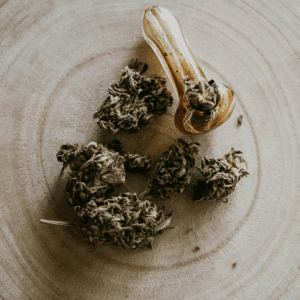
While the onset is fast, the effects of smoked CBD don’t last as long as other methods. You can generally expect the benefits to linger for 1 to 3 hours, though this will vary depending on your body, dose, and frequency of use.
The mental clarity and focus may fade more quickly, while physical relaxation can persist longer. If you’re using CBD for extended relief (like chronic pain or insomnia), smoking might be best used alongside a longer-lasting form like capsules or tinctures.
Technically, you can’t “overdose” on CBD in the traditional sense—it’s considered non-toxic and has a very high safety threshold, unlike smoking cigarettes. That said, taking more than your body needs can lead to some unpleasant effects.
Common signs you’ve had too much include:
These effects are typically mild and fade quickly. Still, moderation is key. Start with a low dose and increase only if needed. And remember: more CBD doesn’t always mean better results. Sometimes, less is more.
To get the most out of your smoking experience—while minimizing potential risks—keep these best practices in mind:
If you’re new to smoking weed or anything similar, consider starting with a dry herb vaporizer. It provides similar effects without the combustion-related health concerns.
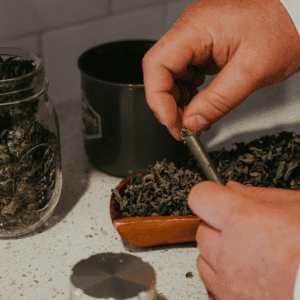
Smoking CBD isn’t for everyone—but for the right person, it can be a game changer. Whether you’re seeking fast relief, a sense of calm, or just curious about cannabis without the high, smoking hemp-derived CBD offers a legit and enjoyable way to engage with the plant.
It’s fast-acting, relatively safe, and easy to dose in real time. That said, anyone with respiratory concerns or sensitivities should weigh the risks and explore alternate methods if needed. Ultimately, it comes down to your goals, preferences, and lifestyle.
As always, quality matters. Do your research, read the lab reports, and find products that align with your values and health priorities. Smoking CBD might just be the easiest way to take the edge off—no high required.

Jun 22, 2026 Jenna Renz

Jun 22, 2026 Jenna Renz

Jun 22, 2026 Jenna Renz