THCa Flower Explained: Is It the Same as Weed? What to Know Before You Order

Ship to
THCa flower is, for most practical purposes, the same plant experience people mean when they say “weed.
If you’ve been asking the big consumer question, “Is THCa just legal weed?” you’re not alone. It’s the first question. It’s the right question. And the answer is simple once you understand what happens when you light it, vape it, or bake it.
Let’s cut through the jargon, explain why THCa flower can be sold online, why it can feel identical to traditional cannabis, and what you should double-check before you order.
Yes, in effect. THCa flower is cannabis flower that’s rich in THCa (tetrahydrocannabinolic acid), the natural form of THC found in raw cannabis.
Here’s the key:
So when you smoke or vape THCa flower, you are basically doing the same thing you do with “regular” cannabis flower: applying heat, converting cannabinoids, and getting the expected effects.
Same plant behavior. Same basic outcome. Different legal labeling.
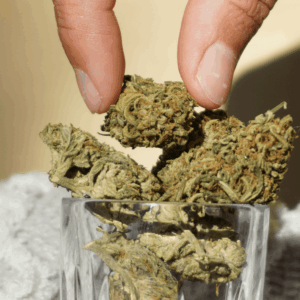
THCa is the “acid” precursor to THC. Cannabis produces cannabinoids in these acid forms naturally. Fresh, raw flower is loaded with THCa, not “activated” THC.
Think of THCa as THC’s unlit fuse. It’s there, it’s real, and it’s potent in its own way, but it is not the same experience until heat enters the chat.
Not by itself, not in raw form. If you ate raw THCa flower without heating it first, you wouldn’t get the same intoxicating effect as smoking it.
But nobody buys “flower” to admire it like a museum exhibit. People buy flower to smoke, vape, or cook. And those methods all involve heat.
Which brings us to the one word you’ll see everywhere in THCa discussions.
Decarboxylation is the process where heat removes a small chemical group from THCa, converting it into THC.
If that sounded like a chemistry lecture, here’s the human version:
That’s it. That’s the magic trick. It’s not a loophole that changes the plant. It’s simply how cannabis works.
You’re smoking THCa that becomes THC as you smoke it. The conversion happens in real time because combustion and vaporization bring plenty of heat.
This is why so many people try THCa flower and immediately say, “Yeah… this is just weed.”
They’re not wrong.
This part is about definitions and testing standards, not a different kind of cannabis.
Under the 2018 Farm Bill, hemp is federally defined as cannabis with no more than 0.3% Delta-9 THC on a dry-weight basis (and yes, the wording matters).
Many THCa flower products are derived from hemp-type cannabis plants and are sold as “hemp” because:
So the legal status often hinges on the product meeting the Farm Bill definition based on Delta-9 THC, not the “potential THC” after decarboxylation.
Even if a product is Farm Bill compliant, states can set their own rules. Some states restrict or ban certain hemp-derived cannabinoid products, including THCa flower.
So yes, THCa flower can be shipped nationwide by many brands, but availability still depends on where you live and what restrictions apply.
Your job: before you order, confirm the seller can legally ship to your state.
Because it often is, botanically speaking, extremely similar.
Most modern cannabis strains are bred to be cannabinoid-rich. In raw form, those cannabinoids are largely in acid form (THCa, CBDa, etc.). Traditional dispensary “THC flower” also starts out as THCa-heavy flower. The difference is how it’s categorized, tested, and sold.
When you buy THCa flower and use it like flower, you’re doing what cannabis users have always done:
Heat it. Convert it. Experience it.
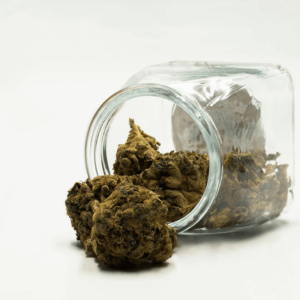
People commonly report the same categories of effects you’d associate with THC-dominant flower, such as:
Your exact experience depends on more than the label. It depends on:
And yes, it also depends on whether you had a giant meal and a stressful day. Cannabis is consistent, humans are not.
It’s legally sold hemp flower that can deliver a weed-like experience because it converts to THC when heated.
If you want to call that “legal weed,” you won’t be the first. If you want to call it “Farm Bill compliant THCa hemp flower,” you also won’t be the first. One of those phrases fits on a t-shirt. The other fits on a lab report.
This is the part where you stop reading like a curious internet scholar and start reading like someone who wants to buy smart.
A COA (Certificate of Analysis) is third-party lab testing. Reputable sellers provide it for each batch.
Look for:
If a brand hides COAs, makes them hard to find, or posts one blurry PDF that looks like it was faxed in 2009, move on. Plenty of companies do it right.
Sellers may highlight Delta-9 THC for legal compliance and highlight THCa for effect. Both matter, just for different reasons.
Don’t get hypnotized by one number. Read the whole cannabinoid panel.
Before making a purchase, it’s crucial to understand the lab testing guidelines. This knowledge will empower you to make informed decisions about the quality and safety of the THCa flower you’re considering buying.
Not all THCa flower hits the same. Choose based on goals:
Pro tip: if a site doesn’t describe aroma, flavor, and expected effects, that’s not “minimalist branding.” That’s “we don’t know what we’re selling.”
You can consume THCa flower in a few common ways:
Heat is the bridge between THCa and THC, so consumption method affects how much converts and how quickly you feel it.
Yes, this is the boring advice. It’s also the advice that prevents you from calling your friend to announce you’ve “cracked the simulation.”
If you’re new, take a small amount first. Wait. Then decide. Don’t speedrun it.
Very likely, yes. Once THCa is converted to THC and metabolized, it can trigger a positive result on THC drug tests.
If you’re subject to testing for work, probation, athletics, or anything else where “Oops” is not an acceptable strategy, treat THCa flower as you would any THC-dominant cannabis product.
No cannabis product is automatically “safe” just because it’s sold online. The safety conversation is mostly about:
So here’s the practical standard:
Buy THCa flower only from brands that provide recent third-party COAs and full contaminant screening. This ensures that the product has undergone rigorous testing, as highlighted in this study on cannabis product safety.
Also, use common sense. If your flower smells like a damp basement, don’t smoke it. If your lungs hate smoke, don’t smoke. If you’re pregnant or nursing, skip it. If you’re on medications, ask a clinician you trust.
Be an adult. Be a chill adult.
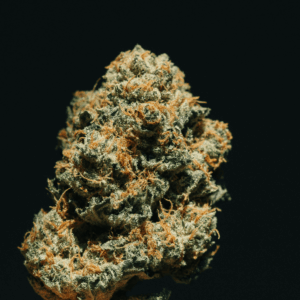
Potency varies, but many THCa flower products are in the same ballpark as what consumers consider “strong.”
That said, potency is not the only lever. Two flowers with similar THCa can feel different because of:
If you’re chasing a specific experience, stop thinking only in percentages. Aroma and strain type matter. Your setting matters too. A lot.
Right now, a major reason THCa flower can be sold broadly is how hemp is defined and how products are tested and categorized. But hemp regulation is a moving target, and policymakers have been debating tighter rules around intoxicating hemp cannabinoids and “total THC” frameworks.
Note for buyers: there may be federal legal and regulatory changes by November 2026 that affect the availability, definitions, testing requirements, or shipping rules for products like THCa flower.
Translation: if you’ve been curious and you’re waiting for the “perfect time,” don’t assume the market will stay exactly the same forever. It might. It might not. Regulation loves surprises.
Always check current federal guidance and your state’s rules before ordering, and buy from sellers who take compliance seriously
No. THCa is naturally produced by the cannabis plant. THCa flower is simply flower that tests and markets around THCa content.
Often, yes. Terpenes do not care what your product category is. If it’s quality flower, it will smell like quality flower.
Travel laws are complicated and can be strict. Even if something is federally compliant hemp, state and local enforcement varies, and airports add another layer. If you choose to travel with it, understand the risk. When in doubt, don’t.
No. Delta-8 THC is a different cannabinoid (often produced through conversion processes). THCa is the natural acidic precursor found in raw cannabis flower.
THCa flower is not “fake weed.”
THCa flower is not “diet weed.”
THCa flower is not a magical new plant species discovered behind a vape shop.
It’s cannabis flower rich in THCa that becomes THC when heated, and it’s commonly sold under hemp rules when it meets applicable legal thresholds and testing standards.
So if your real question is, “Will it feel the same?” the honest answer is: it can, and often does.
If you want the classic flower experience with the convenience of online shopping, do the smart thing: buy lab-tested THCa flower from a reputable source and have it shipped straight to you.
Order THCa flower — delivered to your door nationwide.

Jun 22, 2026 Jenna Renz

Jun 22, 2026 Jenna Renz

Jun 22, 2026 Jenna Renz