What Happens If You Eat Expired Edible Gummies?

Ship to
Edible gummies have become a popular choice among cannabis and hemp consumers, offering a tasty and convenient way to enjoy the benefits of cannabinoids.
In this blog, we’ll share everything you need to know about the possible effects of eating expired edible gummies, shedding light on whether they are still safe to consume, how their potency might change over time, and what potential risks might be involved. Let’s get started!

Edible THC gummies are chewy, flavorful treats infused with cannabis or hemp extracts, making them a popular choice in the world of cannabis consumption. At their core, these gummies are made by combining gelatin or a gelatin alternative with sugar, flavoring, and cannabinoid oils like THC or CBD.
Cannabis or hemp ingredients are evenly distributed throughout the gummy, ensuring consistent doses in each bite. The fun, candy-like appearance and easy dosing make them especially appealing to both seasoned consumers and beginners.
Unlike smoking THCa flower or vaping, edible gummies provide a subtle and prolonged experience, which adds to their rising popularity in the cannabis community. Plus, they offer a discreet and convenient way to enjoy cannabinoids without the need for special equipment or preparation.
Edible gummies usually have a shelf life ranging from six months to a year. This timeframe can vary based on several factors:
Identifying expired gummies involves paying attention to sensory changes:
Packaging issues are also significant; look for puffiness or damage, which may mean that the gummies are no longer safe to consume.
Over time, the nutritional value of edible gummies can degrade, losing vital nutrients and potential therapeutic benefits. The natural breakdown of ingredients can affect their composition, leading to reduced potency in expired gummies.
Key cannabinoids like THC and CBD might lose efficacy, meaning they won’t deliver the desired effects as effectively as fresh batches. This decline isn’t just limited to cannabinoids; other nutrients, such as vitamins, added terpenes, and flavor enhancers, can also diminish. Therefore, while expired gummies might still look appealing, their nutritional and therapeutic value may be significantly compromised.
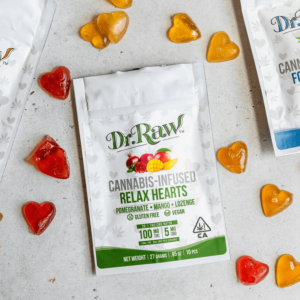
Eating expired gummies brings a set of risks that shouldn’t be ignored. Chief among these is the possibility of mold growth, which thrives in moist, nutrient-rich environments. Consuming gummies with mold can lead to adverse health effects and unpleasant experiences.
Moreover, bacterial contamination is another potential hazard, particularly if the gummies have been improperly stored. Such contamination could pose severe health risks, including foodborne illnesses.
Expired gummies might also have altered chemical compositions that could cause unexpected interactions in the body. It’s crucial to approach expired edible consumption cautiously and watch for any signs of decay or spoilage.
Consuming expired edible gummies can lead to several short-term health effects. You might experience mild stomach discomfort, nausea, or headaches shortly after ingestion. These symptoms usually result from the body’s reaction to degraded ingredients or potential bacterial contaminants.
While the effects are generally not severe if only a small amount is consumed, they can still cause noticeable discomfort and a less enjoyable experience. Additionally, the expected therapeutic effects of cannabinoids could be diminished, leading to an unpredictable outcome.
It’s always a best practice to observe caution and assess the state of the product before eating expired edibles.
Over time, the potency of edible gummies can decrease due to the breakdown of cannabinoids like THC, CBN, and CBD. This degradation results in a diminished ability to produce the desired effects, such as relaxation or pain relief.
As these compounds lose their strength, consumers may not experience the expected benefits, leading to a less satisfying and potentially unpredictable experience. Therefore, while expired gummies may appear harmless, their efficacy is typically compromised, and they may not deliver the results users are seeking.

There are several myths floating around about the consumption of expired edibles. One common misconception is that expired edibles are as potent as fresh ones. However, this is not true, as the effectiveness generally decreases over time.
Another myth suggests that expired edibles are completely safe if there are no visible signs of spoilage. In reality, edibles can degrade without obvious signs, making them potentially unsafe to consume.
It’s important to rely on factual information rather than assumptions and to treat expiration dates as guidelines for both safety and efficacy.
Checking expiration dates before consuming edible gummies is crucial to ensure a safe and satisfying experience. These dates reflect the period during which the manufacturer guarantees the product’s potency and quality.
Edible expiration dates are determined based on ingredient durability, preservation methods, and expected storage conditions. Factors such as exposure to heat, light, or moisture can influence how quickly a product reaches its expiration.
To enjoy the full benefits and maintain safety, it’s advisable to consume gummies well before their expiration date, taking care to store them as recommended on the packaging.
When disposing of expired gummies, it’s important to consider safety and environmental impact. Here are some tips for proper disposal:
By following these practices, you can responsibly dispose of expired gummies while minimizing their environmental footprint.
To maximize the shelf life of gummies, it’s critical to store them properly. Here are some simple but effective tips:
Purchasing from reputable sources is equally important, as these vendors ensure high-quality, fresh products. Trustworthy suppliers provide accurate information about manufacturing and expiration dates, helping consumers make safe choices.
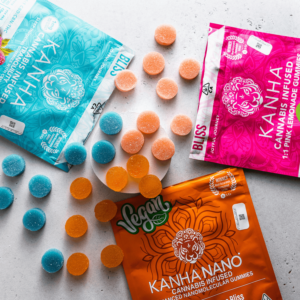
It’s important to consult a healthcare professional if you experience adverse effects after consuming expired gummies. If symptoms like severe nausea, vomiting, or dizziness occur, seek medical assistance promptly. These signs might indicate food poisoning or an allergic reaction.
Additionally, if you experience prolonged gastrointestinal discomfort or suspect the presence of contaminants, contacting a doctor is essential. Ignoring such symptoms can lead to more severe health issues, so it’s better to err on the side of caution.
In conclusion, handling expired gummies requires a thoughtful approach to ensure both safety and enjoyment. Storing gummies properly and purchasing from reputable sources are pivotal in maintaining their quality.
Should you experience any adverse symptoms, don’t hesitate to seek medical advice. Moreover, expired gummies can have alternative, non-consumable uses, sparking creativity and reducing waste.
By being informed consumers, we safeguard our health and make smart choices, turning potentially problematic situations into opportunities for innovation.


Jun 22, 2026 Jenna Renz

Jun 22, 2026 Jenna Renz

Jun 22, 2026 Jenna Renz