What Is Kratom? Everything You Need to Know

Ship to
Kratom is a unique and increasingly popular herbal substance that’s been making waves in wellness circles.
In this comprehensive guide, we’ll dive deep into the world of kratom. From its origins and chemical makeup to its effects on the body and mind, we’ll explore everything you need to know. By the end, you’ll have a clear understanding of whether kratom is right for you. Let’s dive in!
Kratom (scientific name Mitragyna speciosa) is a tropical tree native to Southeast Asia, particularly in Thailand, Malaysia, and Indonesia. The leaves of the kratom tree have been used for centuries by the indigenous people of these regions for their energizing and pain-relieving properties. Historically, workers used kratom to combat fatigue and pain during long hours of labor, and it was often chewed or brewed into tea.
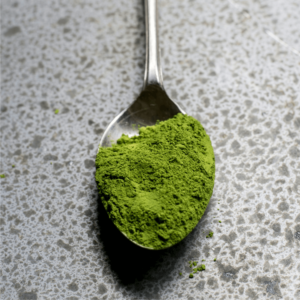
Kratom leaves have a distinctively bitter taste, which is one reason why many modern users opt for kratom in powdered or capsule form. Despite its long history, kratom has only gained widespread attention in the West in recent years, thanks to growing interest in natural wellness remedies.

In Southeast Asia, kratom has been utilized for various purposes:
While these benefits have long been recognized in the traditional medicine of the region, modern users are now turning to kratom for similar reasons.
At its core, kratom is made up of powerful active compounds known as alkaloids. The most significant alkaloids in kratom are mitragynine and 7-hydroxymitragynine. These kratom compounds are responsible for the majority of the effects on the body and mind from kratom exposures.
Kratom interacts with opioid receptors in the brain, but it’s not technically classified as an opioid. Instead, it has a complex action that can both stimulate and sedate the body, depending on the dosage and strain. Mitragynine and 7-hydroxymitragynine bind to these receptors and produce effects that range from mild stimulation to significant pain relief.
In addition to these two major alkaloids, kratom also contains a range of minor alkaloids that can affect the body in various ways. These include paynantheine, speciofoline, and ajmalicine. Together, these compounds create a range of effects, contributing to kratom’s unique profile.
Kratom comes in various strains, each with distinct effects, primarily influenced by the color of the vein in the leaf. These strains can be classified into three main categories: red, white, and green.
While the effects of each strain vary, the underlying characteristics of the kratom are shaped by the way the plant is harvested and processed.
Each kratom strain offers unique effects, so it’s essential to choose one based on your specific needs and desired outcome. Whether you want energy, pain relief, or relaxation, there’s likely a kratom strain that will work best for you.
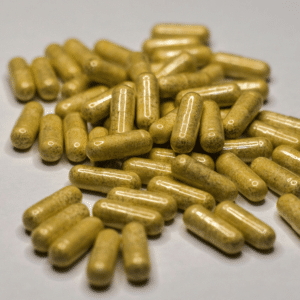
Kratom is most commonly consumed in powder form, although there are several other methods available depending on your preferences. The method of consumption can influence how quickly and intensely the effects are felt.
When consumed, kratom can produce a wide range of effects on the body and mind. These effects depend on several factors, including the strain, dose, and the individual’s tolerance.
In lower doses, kratom acts as a stimulant, offering increased energy, focus, and mental clarity. Many users report feeling more alert and capable of tackling tasks with increased enthusiasm.
At higher doses, kratom can become sedating, helping to relieve pain and promote relaxation. Some people find kratom particularly helpful for managing chronic pain or using it as a sleep aid.
Kratom is perhaps best known for its analgesic (pain-relieving) properties. This makes it a popular choice for people dealing with chronic pain conditions, such as arthritis or back pain.
Kratom has been shown to help elevate mood in many users. The stimulating effects can help combat feelings of fatigue or depression, while the sedative effects can help alleviate stress and anxiety.

While kratom can be beneficial for many people, it’s not without its side effects. Common side effects include:
To avoid these effects, it’s important to start with a low dose and gradually increase as needed.
Kratom has long been a part of traditional medicine in Southeast Asia. In addition to its use as a stimulant and pain reliever, kratom was historically used to treat a variety of ailments, such as diarrhea, fatigue, and even coughs. The leaves were chewed, brewed into tea, or smoked.
In recent years, kratom’s popularity has spread globally, and it’s now used not only for its energizing and pain-relieving effects but also as a potential natural alternative to opioid painkillers.
Kratom has gained attention as a potential tool in managing opioid withdrawal symptoms. Some individuals report using kratom to help ease the discomfort associated with opioid cessation, although its use in this context is still controversial and requires further research.
The legal status of kratom varies significantly around the world. In some countries, it is completely legal, while in others, it has been banned due to concerns about its potential for abuse.
According to the drug enforcement administration, Kratom is legal in many states in the U.S., though there are some states that have banned its use, including Alabama, Arkansas, Indiana, and Wisconsin.
The FDA (Food and Drug Administration) has not approved kratom for medical use, and it has issued warnings about the potential risks associated with the substance. Despite this, kratom remains legal at the federal level.
As the popularity of kratom and other psychoactive drugs continues to grow, legal battles and debates are likely to shape its future in many parts of the world.
Despite its potential benefits, kratom is not without its risks. Misuse or overconsumption of kratom can lead to a range of adverse effects. It’s important to be informed about these risks before deciding whether to use kratom.
One of the most compelling reasons some people turn to kratom is its potential to serve as a natural alternative to opioid painkillers. Kratom’s ability to produce pain-relieving effects, without the severe side effects associated with prescription opioids, has led many to consider it a safer option.
However, it’s important to note that kratom is not without its risks, and its use as an opioid alternative remains controversial. Some people may use kratom to manage pain or cope with withdrawal symptoms from opioid addiction, but others caution against relying on it without proper medical supervision.
While some users report success with kratom in managing pain and withdrawal symptoms, others warn that it could potentially lead to addiction. The debate around kratom’s role in opioid replacement therapy is ongoing, and more research is needed to fully understand its long-term effects and safety.
While kratom is often touted as a safer alternative to opioids, it’s important to consider the potential for addiction. Kratom has a stimulating effect at low doses and sedative effects at higher doses, which means it can be habit-forming, particularly when used regularly or in large amounts.
If you suspect you’ve become dependent on kratom, it’s essential to seek professional advice and consider tapering off under the supervision of a healthcare provider.
To minimize risks and ensure safe usage, it’s crucial to dose kratom properly. Everyone’s body responds differently to kratom, so it’s important to start with a low dose and adjust from there.
Remember to never exceed 8 grams of kratom in one sitting and always listen to your body.
While kratom has been used for centuries in traditional medicine, scientific research into its benefits and risks is still relatively limited. However, there are several studies that support its potential as a pain management tool and mood enhancer.
However, there are still significant gaps in research, especially regarding the long-term effects of kratom use. More studies are needed to fully understand its safety profile and therapeutic potential.
As kratom’s popularity continues to rise, so does the conversation about its regulation, research, and public awareness. It’s likely that more countries and states will either legalize or ban kratom based on new research and changing public attitudes.

So, should you try kratom? Ultimately, the decision is a personal one. While kratom offers a range of potential benefits, from energy enhancement to pain relief, it’s not without risks. If you’re considering kratom as a natural remedy for pain or stress, it’s essential to start slowly, monitor your dosage, and consult a healthcare professional, especially if you have existing medical conditions.
Whether you’re drawn to kratom for its potential opioid alternatives or simply curious about its unique effects, make sure you are informed before making a decision. Kratom may work wonders for some, but like all supplements, it’s important to approach it with caution and awareness.

Jun 22, 2026 Jenna Renz

Jun 22, 2026 Jenna Renz

Jun 22, 2026 Jenna Renz