What is THCa? Everything You Need to Know About Tetrahydrocannabinolic Acid

Ship to
If you’ve ever taken a closer look at cannabis lab results, chances are you’ve seen “THCa” listed on the label.
THCa, tetrahydrocannabinolic acid for short, is quickly gaining attention for its unique properties, legal gray area, and versatile uses. But what exactly is it, how does it work, and why is it becoming so popular?
In this blog, we’re breaking down everything you need to know about THCa, from how it differs from THC to its potential benefits, how to use it, and what to know about legality and drug testing. Whether you’re a seasoned cannabis user or just starting to explore the plant’s many compounds, understanding THCa can add a new layer of depth to how you think about cannabis—especially if you’re looking for a non-psychoactive experience (or a legal way to get a buzz).
Let’s dive in.
At its core, THCa—or tetrahydrocannabinolic acid—is a naturally occurring cannabinoid found in raw, unheated cannabis plants. It’s what you’ll find in freshly harvested flower before it’s been exposed to heat through smoking, vaping, or cooking.
While THC (delta-9-tetrahydrocannabinol) is the cannabinoid most commonly associated with getting high, THCa is actually its chemical precursor. In other words, THCa eventually becomes THC—but only after it’s been decarboxylated, a process that involves heat removing a carboxyl group from the molecule.
What makes THCa especially interesting is that it’s non-psychoactive in its raw form. That means you could technically eat raw cannabis flower containing high levels of THCa and you wouldn’t feel intoxicated. But smoke or vape that same flower, and the THCa rapidly converts into THC, unlocking all the familiar euphoric and cerebral effects most cannabis consumers seek.
Even though THCa and THC are chemically related, their effects and properties are strikingly different. The biggest—and most noticeable—difference is that THCa won’t get you high unless it’s been exposed to heat. This is because the carboxylic acid group in THCa prevents it from effectively binding to the brain’s CB1 receptors, which are responsible for producing psychoactive effects.
THC, on the other hand, has a molecular structure that allows it to fit like a key into the CB1 receptor lock, triggering those signature euphoric effects. In practical terms, this means that raw cannabis containing high levels of THCa is ideal for users looking to avoid the “high” while still experiencing some of the plant’s therapeutic properties. Once you introduce heat, however—whether by sparking a joint, hitting a dab rig, or baking your flower into edibles—you’re chemically transforming THCa into THC.
So while these two cannabinoids share a lineage, they deliver completely different user experiences depending on how you choose to consume them.
Unlike THC, which binds directly to cannabinoid receptors, THCa takes a more subtle approach in the body. Because of its larger molecular structure and acidic properties, THCa doesn’t bind effectively to CB1 or CB2 receptors within the endocannabinoid system. This lack of direct binding is largely why it doesn’t produce psychoactive effects.
That said, researchers believe THCa may still interact with the body in other meaningful ways. Early studies suggest that THCa could influence enzymes and non-cannabinoid receptors responsible for inflammation, immune responses, and cellular health. Though much of this research is still in its infancy, it’s clear that THCa’s lack of intoxication doesn’t mean it’s biologically inactive. In fact, that’s exactly what’s making it so intriguing to both scientists and cannabis consumers alike.
While definitive clinical studies on THCa are limited, preclinical research and anecdotal reports point to a variety of potential health benefits. Many users report that THCa delivers gentle wellness effects, making it a popular choice for those who want to explore cannabis therapeutically without the head high. Here are some of the key areas where THCa may shine:
Of course, it’s important to remember that most of this research is preliminary. While the early signs are promising, more human studies are needed to fully understand how THCa impacts the body and how best to use it therapeutically.
The short answer? No—at least not in its raw form. THCa is non-psychoactive, meaning it won’t alter your mental state or get you high if consumed without heat. This makes it ideal for users who want to benefit from cannabinoids without any impairment or intoxication.
However, once THCa is exposed to heat—whether from smoking, vaping, or even leaving cannabis in a hot car for too long—it converts to THC. That’s when things get psychoactive. So if you’re using THCa for wellness purposes and hoping to avoid a high, it’s important to keep your product raw and unheated.
There are a variety of ways to consume THCa depending on your goals and preferences. If your intention is to tap into THCa’s non-psychoactive wellness benefits, you’ll want to avoid heat and stick to raw or specially formulated products. If you’re looking to decarb and enjoy a euphoric effect, then heated options are fair game. Here’s a breakdown of common consumption methods:
Just be mindful of your method—especially if you’re subject to drug testing or sensitive to THC.
Here’s where things get a little tricky. While THCa itself isn’t typically targeted in standard drug tests, it’s the conversion to THC that can lead to issues. Once THCa is heated and turns into THC, your body metabolizes it in the same way, resulting in the same byproducts that drug tests are designed to detect.
Even if you’re consuming raw THCa in a non-heated form (like tinctures or juicing), trace amounts of THC can still be present or formed in your system. This means that regular use of THCa products could theoretically result in a positive drug test, depending on the sensitivity of the test and the type of product you’re using.
So, if you’re in a situation where drug testing is a concern, it’s best to proceed with caution and speak to your employer or healthcare provider before using THCa—even if it’s marketed as non-psychoactive.
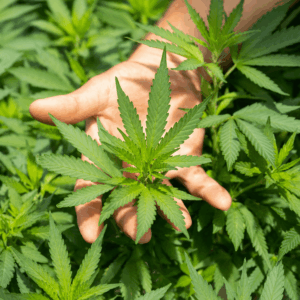
Thanks to the 2018 Farm Bill, hemp-derived cannabinoids are technically legal at the federal level as long as the final product contains less than 0.3% Delta-9 THC by dry weight. THCa itself isn’t specifically listed as a controlled substance, which has created a bit of a legal loophole. This has led to the rise of THCa flower, which looks and smells just like traditional weed but is marketed as legal hemp due to its low D9 THC content prior to decarbing.
However, many states have started cracking down on high-THCa products, recognizing that they become intoxicating once smoked. Some states have even passed legislation to close this loophole by banning THCa specifically or any intoxicating hemp derivative.
Because of this patchwork of regulations, the legality of THCa depends heavily on your state’s medicinal marijuana laws. If you’re thinking of purchasing or traveling with THCa flower or concentrates, be sure to double-check the rules where you live—and only buy from trusted sources that provide lab testing and Certificates of Analysis (COAs).
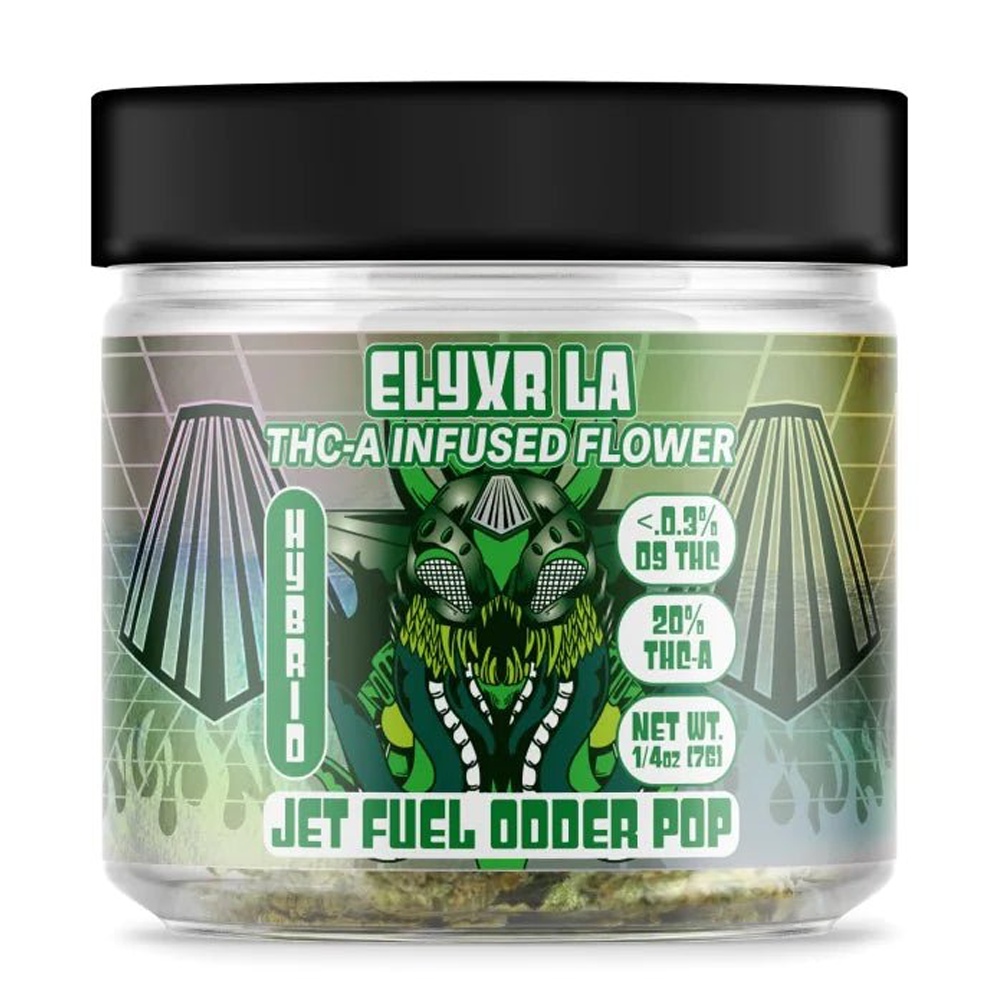
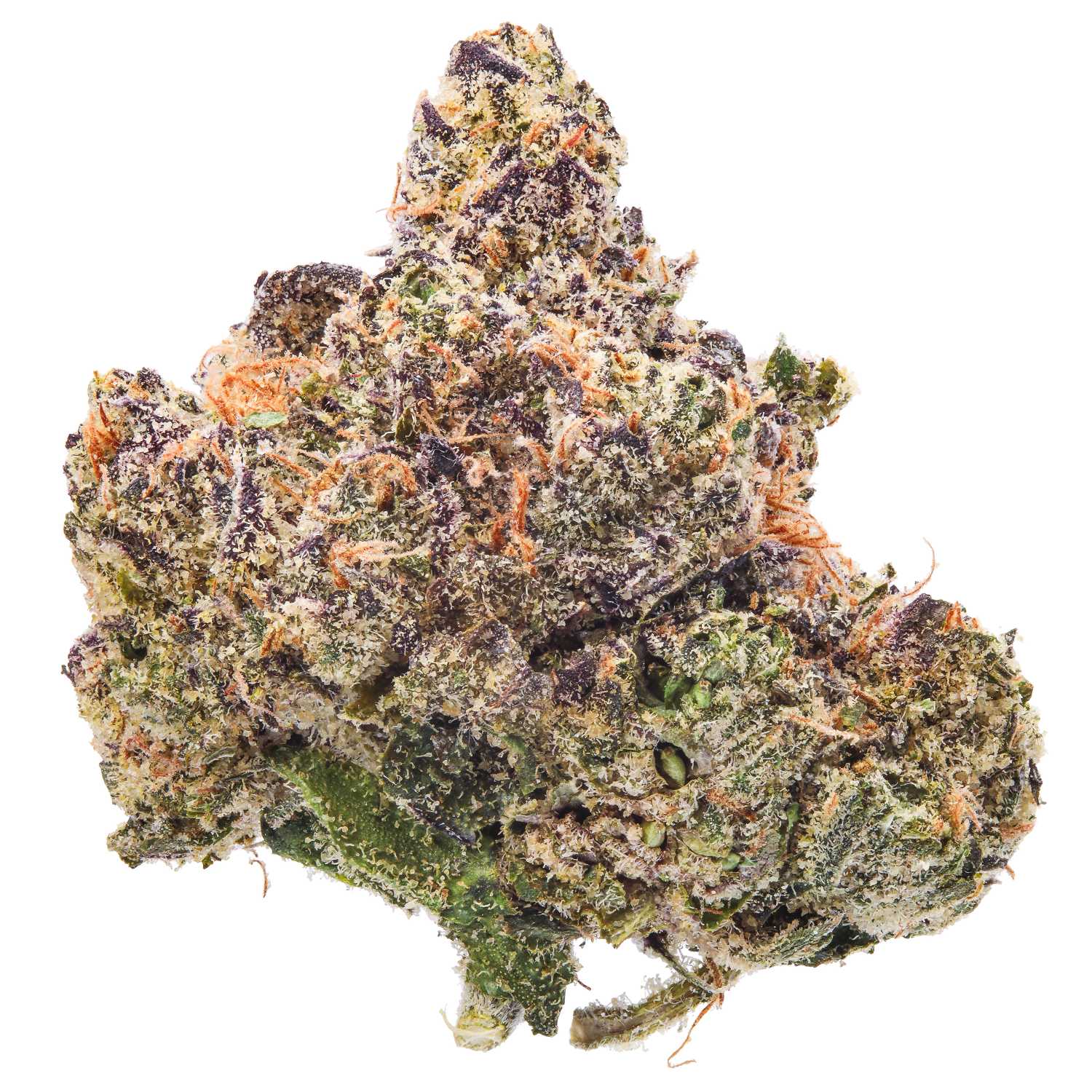
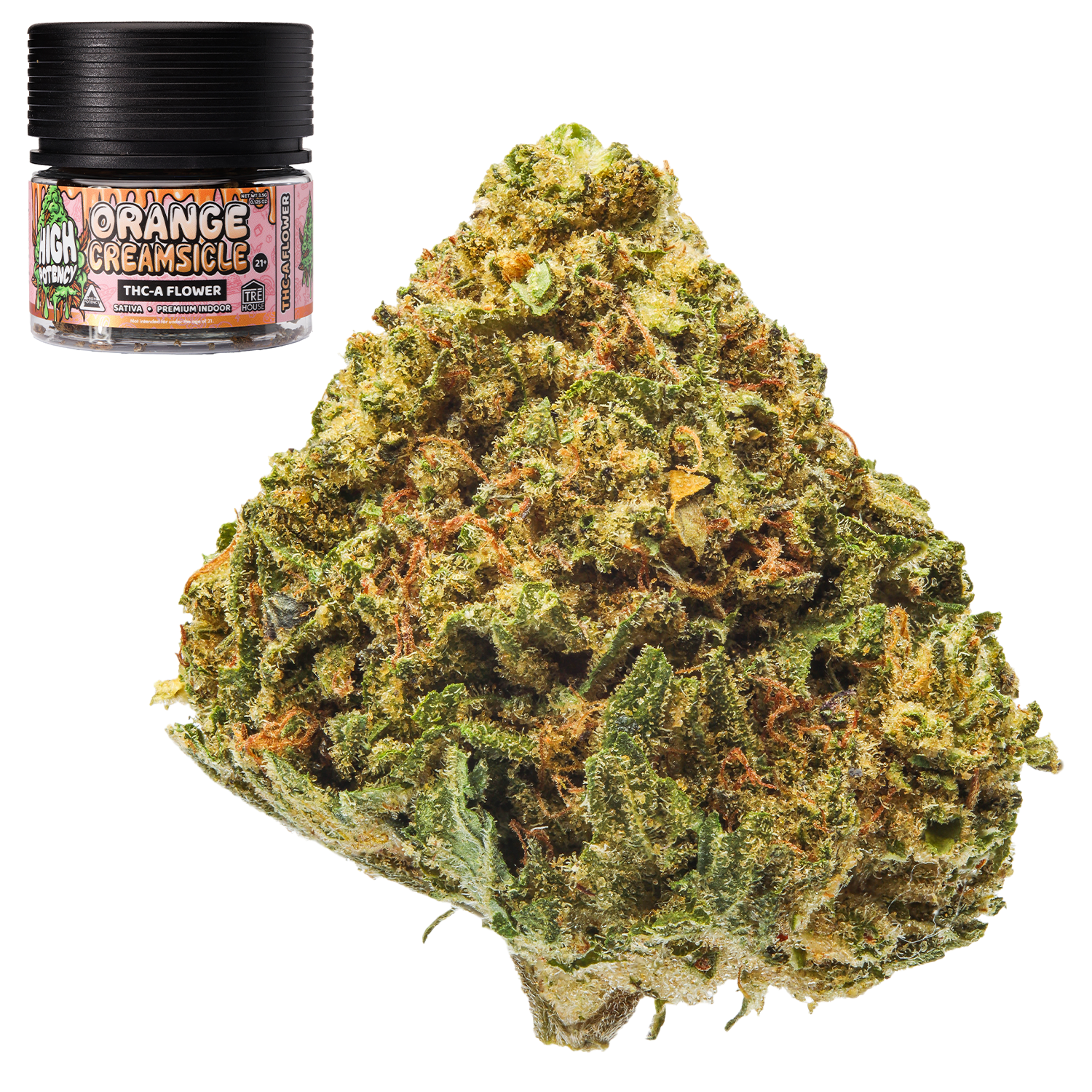
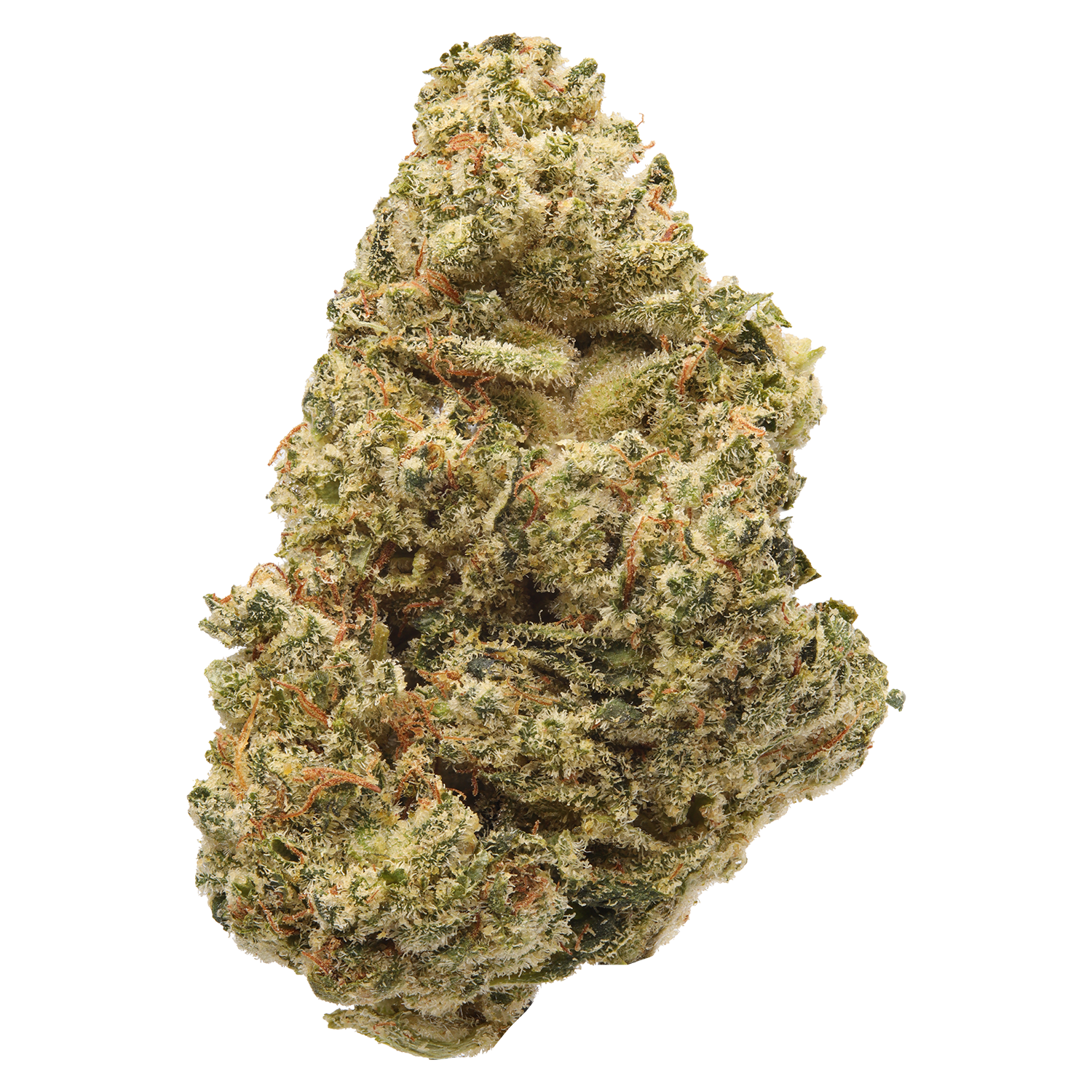
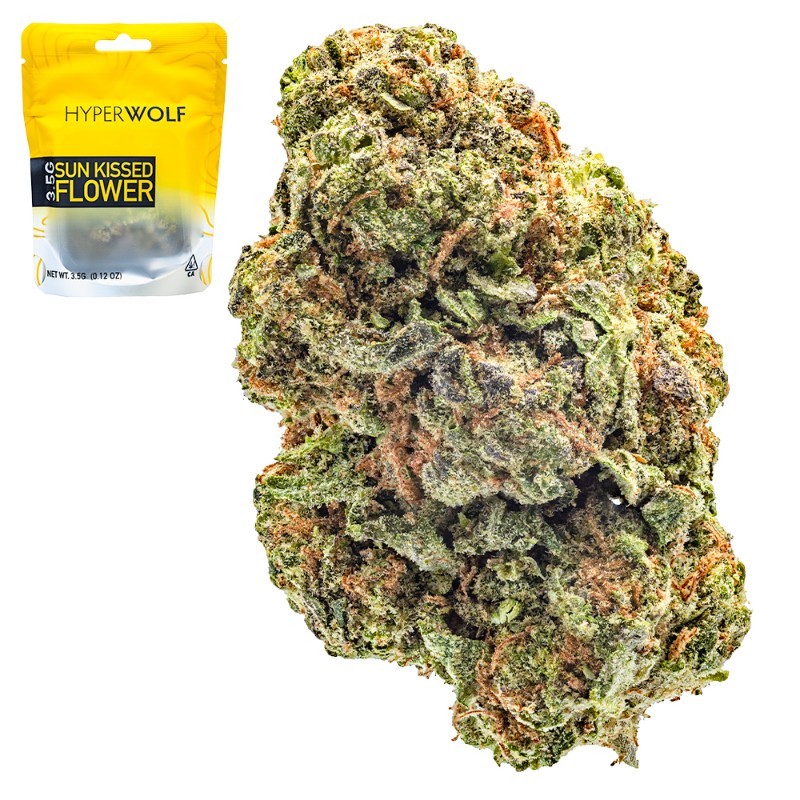
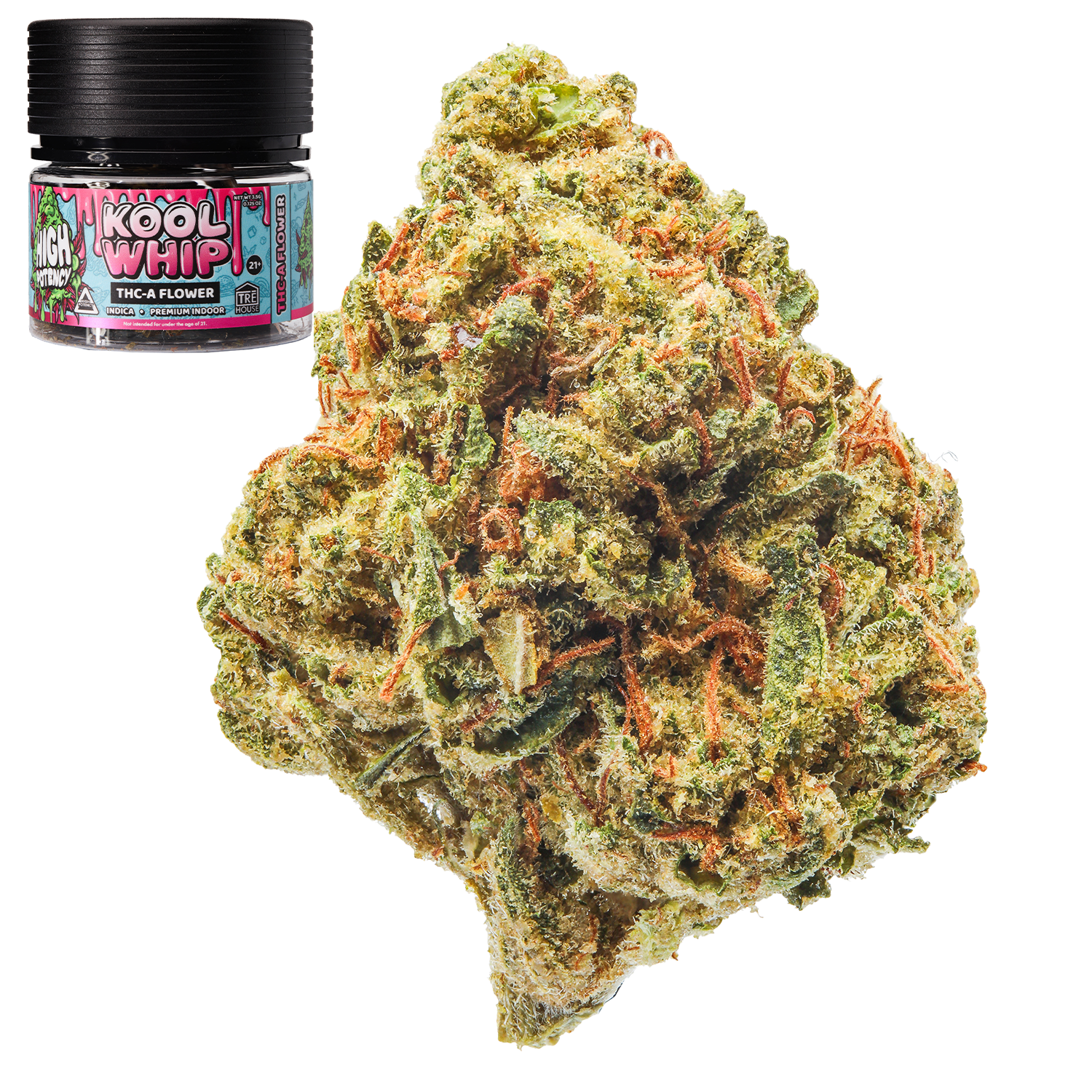
THCa flower is essentially raw cannabis flower that’s high in THCa and low in Delta-9 THC—at least until you apply heat. It’s grown and harvested just like traditional weed, but is marketed as legal hemp to fit within federal guidelines. The appeal? When smoked or vaped, THCa flower gives users the full psychoactive experience of THC, even in states where Delta-9 is restricted or banned.
Before buying THCa flower, here are a few things to keep in mind:
In short, THCa flower offers a legal workaround for some—but it’s also a gray zone that’s constantly evolving.
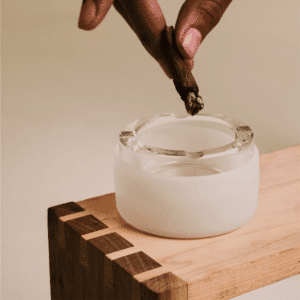
Whether you’re looking for cannabis relief without the high, a legal way to enjoy psychoactive effects, or just curious about cannabinoids beyond THC and CBD, THCa is definitely worth your attention. It offers a unique blend of therapeutic potential and flexibility depending on how you consume it. You can juice it, dab it, apply it, or smoke it—each method offering a different experience.
Of course, as with anything cannabis-related, it’s important to do your homework. Know the laws in your area, buy from reliable sources, and always consider your personal health needs and goals. THCa is a fascinating compound that bridges the gap between wellness and recreation, giving consumers more control over their experience and outcomes.
As more research rolls in and regulations shift, expect to see THCa continue to make waves in both the hemp and cannabis worlds. Whether you’re here for the science, the buzz, or both—this cannabinoid is one to keep on your radar.

Jun 22, 2026 Jenna Renz

Jun 22, 2026 Jenna Renz

Jun 22, 2026 Jenna Renz