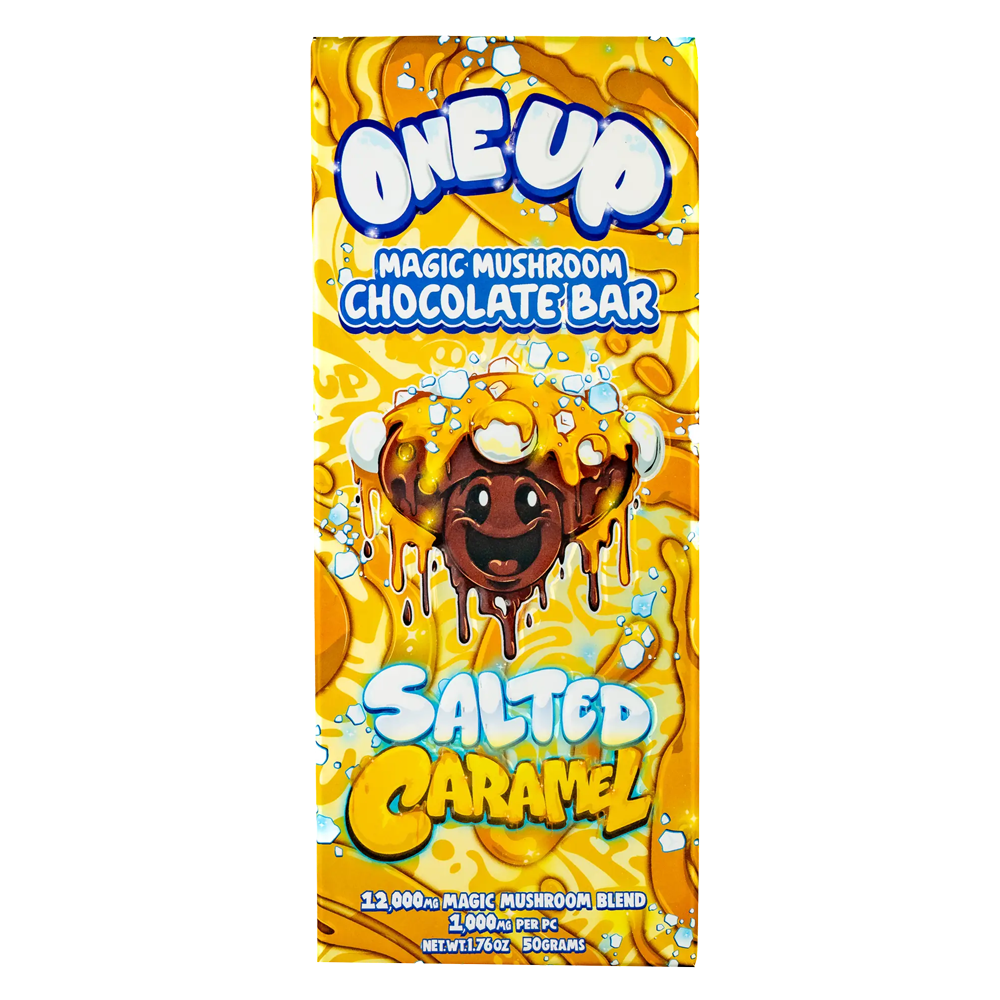
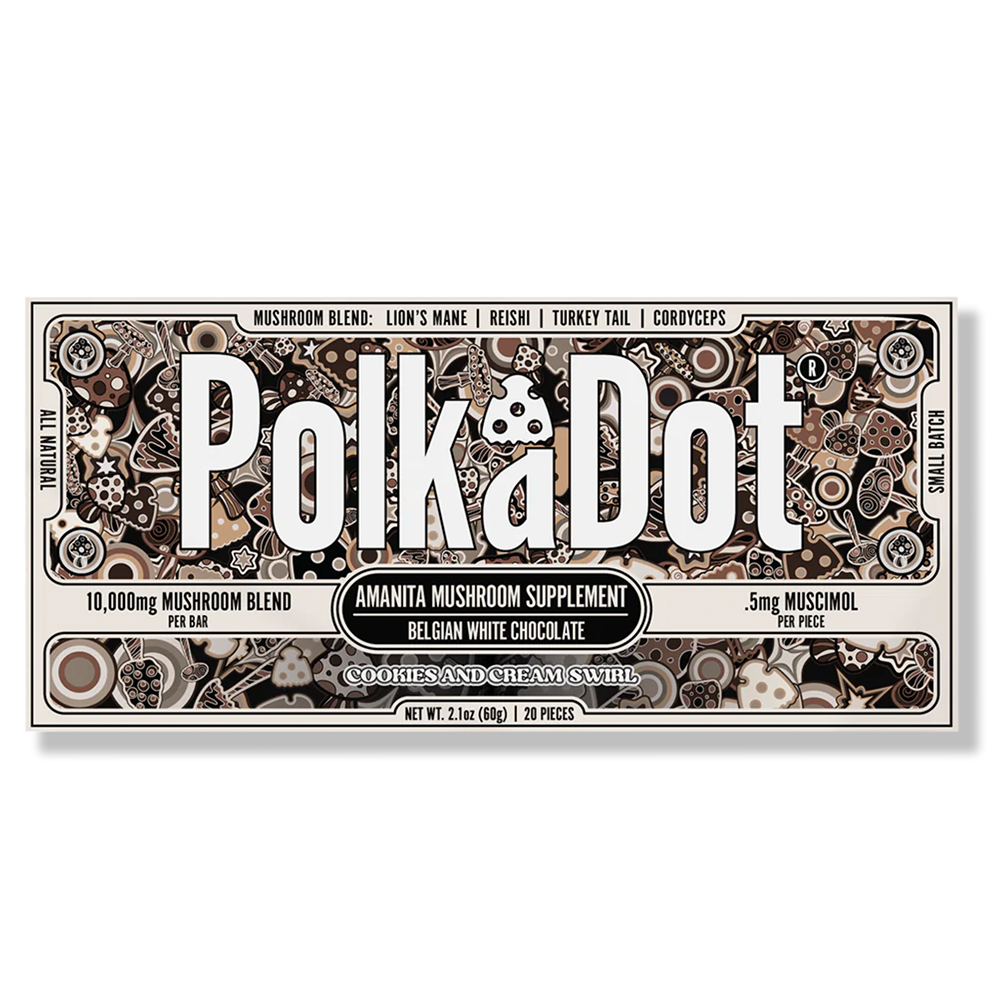
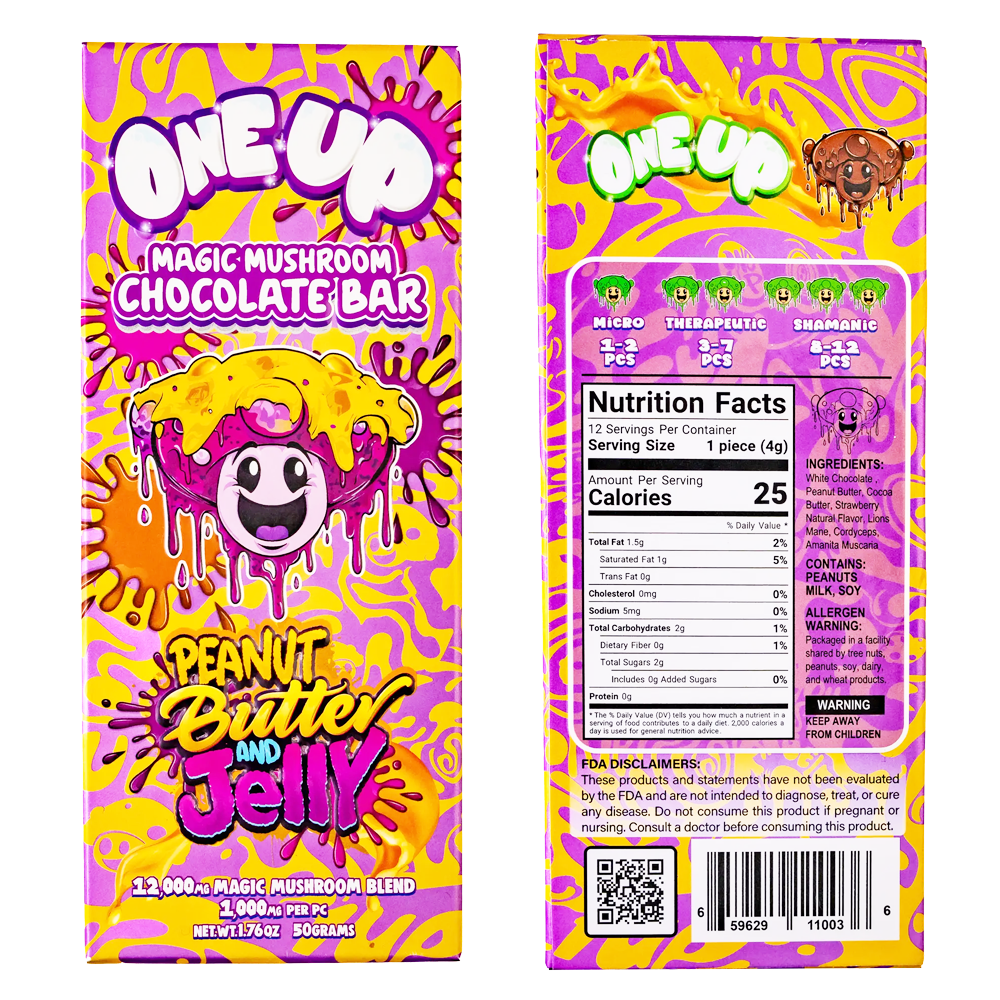
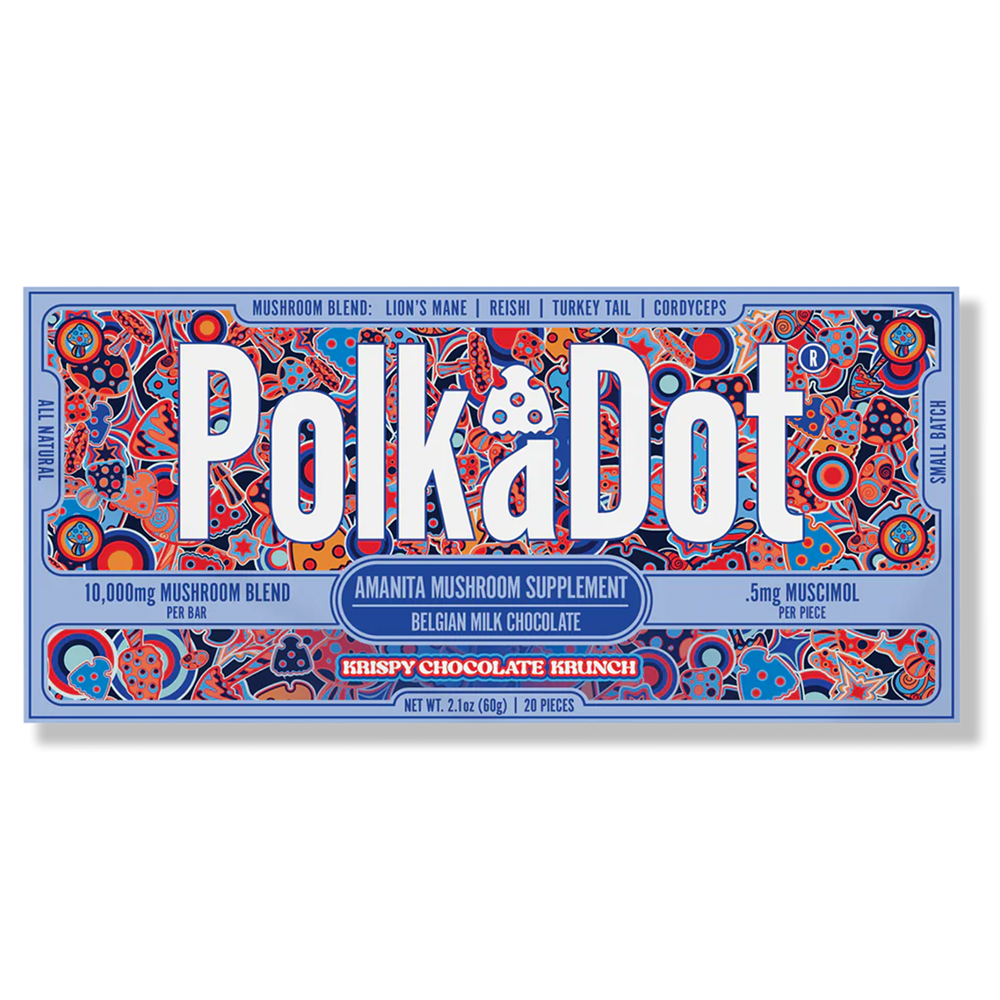
Amanita and HHC – A Unique Fusion of Psychoactive Experiences

Ship to
As the world of alternative psychoactive substances continues to expand, a growing number of people are turning to legal, naturally derived compounds that offer unique effects outside of traditional cannabis and psychedelics—like amanita and HHC.
Among these rising stars are Amanita muscaria, a legendary psychoactive mushroom with a deep cultural history, and HHC (hexahydrocannabinol), a relatively new cannabinoid that serves as a milder, federally legal alternative to THC. These two substances exist in completely different categories—one a mushroom, the other a cannabinoid—but their effects are intriguing enough that many users have begun experimenting with combining them for a layered, multidimensional experience.
But what makes Amanita and HHC a fascinating duo? While Amanita muscaria is known for its dreamlike, dissociative, and hypnotic properties, HHC offers a smooth, mild cannabis-like high that is both euphoric and relaxing. This contrast between Amanita’s GABAergic action (affecting sedation and dream states) and HHC’s cannabinoid-based effects (producing a body high and mental uplift) creates a unique synergy. Some users claim that HHC helps balance Amanita’s sometimes unpredictable nature, while Amanita can enhance the tranquil, slightly psychedelic aspects of an HHC high.
In this blog, we’ll take an in-depth look at both substances, exploring their effects, history, legality, and potential synergy. Whether you’re curious about their individual benefits or interested in trying them together, this guide will provide a well-rounded understanding of Amanita and HHC—what they are, how they work, and how they might interact.
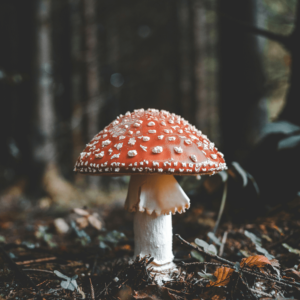
Amanita muscaria, often called the fly agaric mushroom, is one of the most iconic fungi in the world next to the likes of cordyceps mushrooms and lions mane. With its bright red cap speckled with white spots, it has been featured in folklore, fairy tales, and even modern pop culture. But beyond its visual appeal, Amanita muscaria has a rich history of psychoactive use, stretching back thousands of years.
Unlike psilocybin mushrooms, which contain psilocybin and psilocin, Amanita muscaria’s effects come from two primary compounds: muscimol and ibotenic acid. These compounds affect the GABA receptors in the brain, producing effects that are often described as sedative, dissociative, and dreamlike.
Some users experience mild euphoria and altered perception, while others report a floating sensation, auditory distortions, and a deep sense of relaxation. In larger doses, Amanita can induce a hypnotic, almost trance-like state, sometimes leading to vivid dream sequences or a feeling of detachment from reality.
Amanita muscaria has been used in shamanic rituals, particularly in Siberian and Northern European cultures, where it was believed to provide spiritual insights and visionary experiences. Some even speculate that Amanita muscaria was used by Vikings before battle, though evidence for this remains debated.
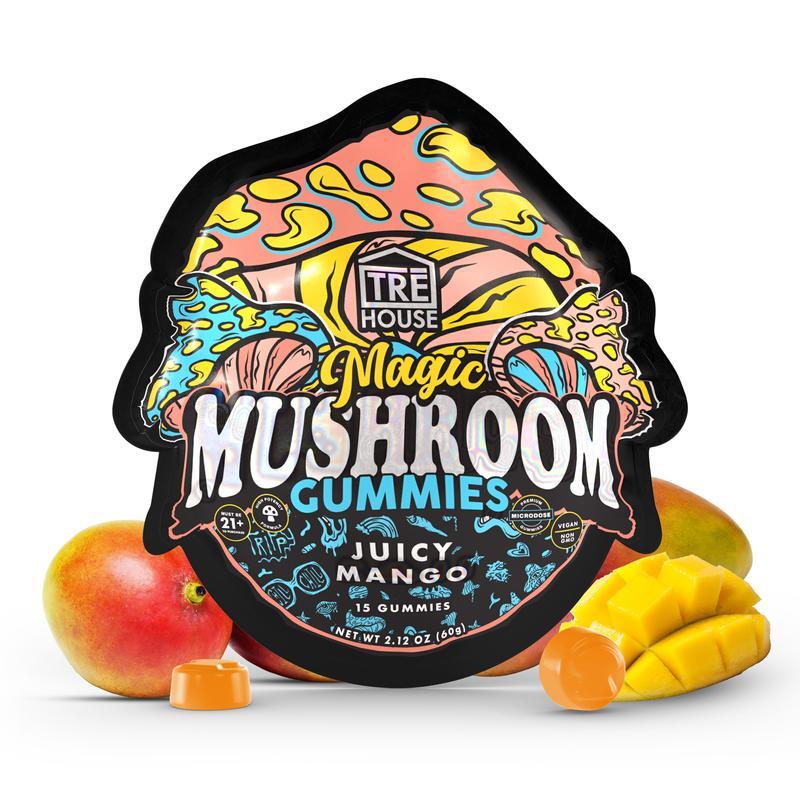
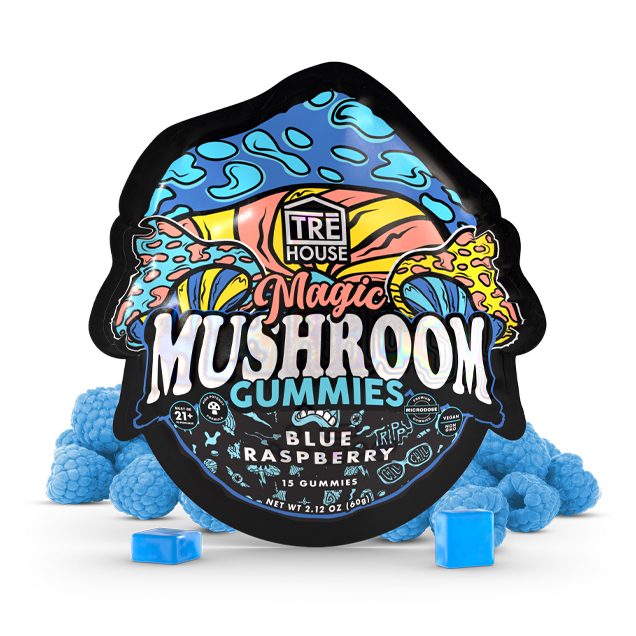
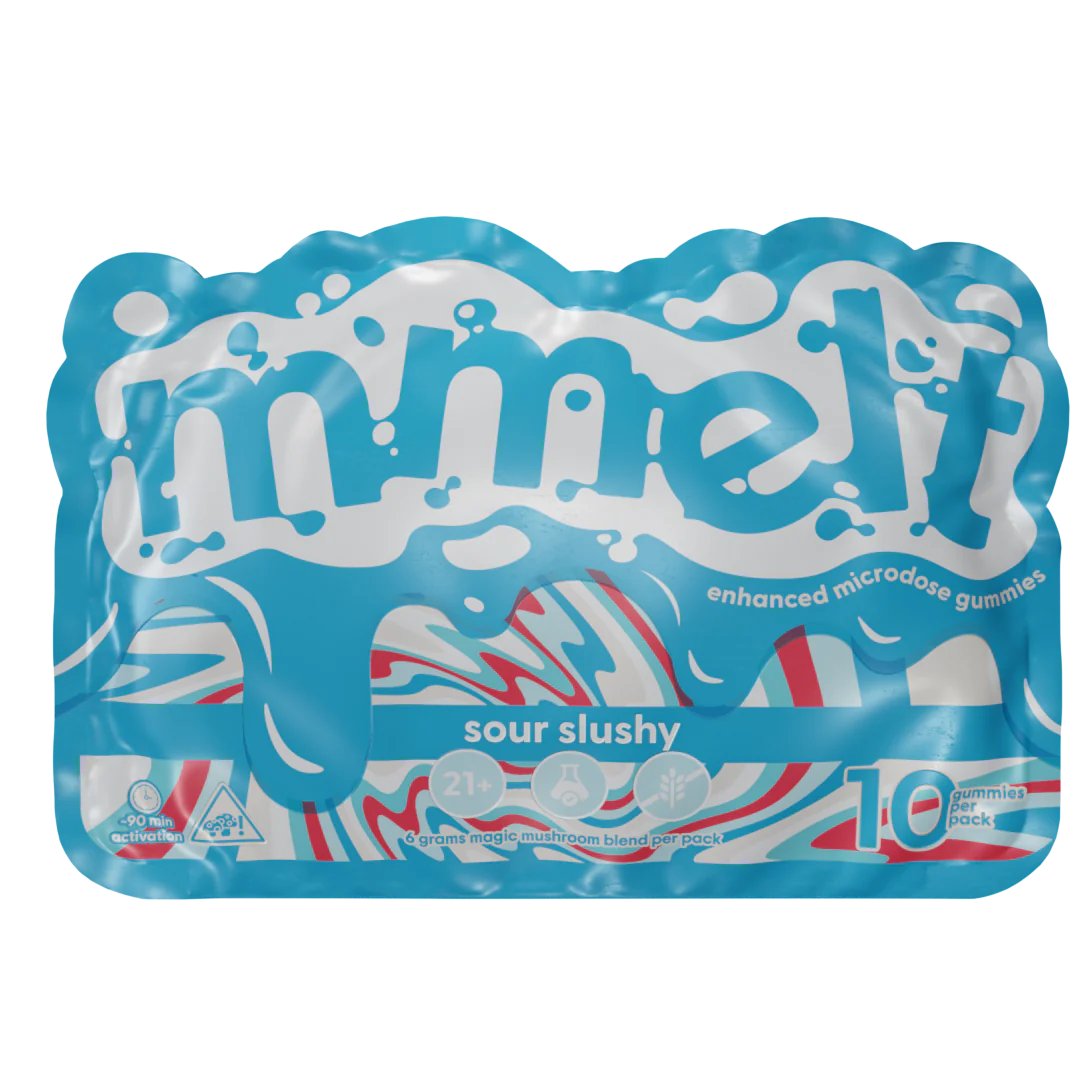
Today, Amanita products are available in various forms, including dried mushroom caps, tinctures, gummies, and infused teas. Because ibotenic acid is more neurotoxic in its raw form, proper preparation—such as drying the mushrooms—converts it into muscimol, making the experience smoother and less likely to cause nausea or discomfort.
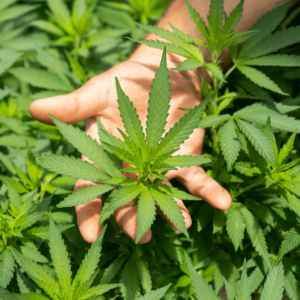
HHC, or hexahydrocannabinol, is a relatively new cannabinoid that has been gaining traction as a legal alternative to THC. It is a hydrogenated version of THC, meaning that hydrogen atoms are added to THC molecules, making it chemically more stable and resistant to oxidation and breakdown over time. This stability gives HHC a longer shelf life and may slightly alter how it interacts with the body’s endocannabinoid system.
The effects of HHC are often compared to a milder form of THC, producing a relaxing, euphoric high without the intense psychoactive impact of delta-9 THC. Many users describe HHC as a clear-headed, balanced high, making it a great option for those who want stress relief and relaxation without the risk of paranoia or mental fog. Because HHC is less potent than THC, it is often favored by individuals who prefer a gentler cannabis experience.
One of HHC’s biggest advantages is its legal status. Since it is derived from hemp rather than marijuana, it exists in a legal gray area, much like delta-8 THC. Many states allow the sale of HHC products, making it accessible in regions where traditional THC is still restricted. However, laws surrounding cannabinoids are constantly evolving, so it’s always best to check local regulations before purchasing.
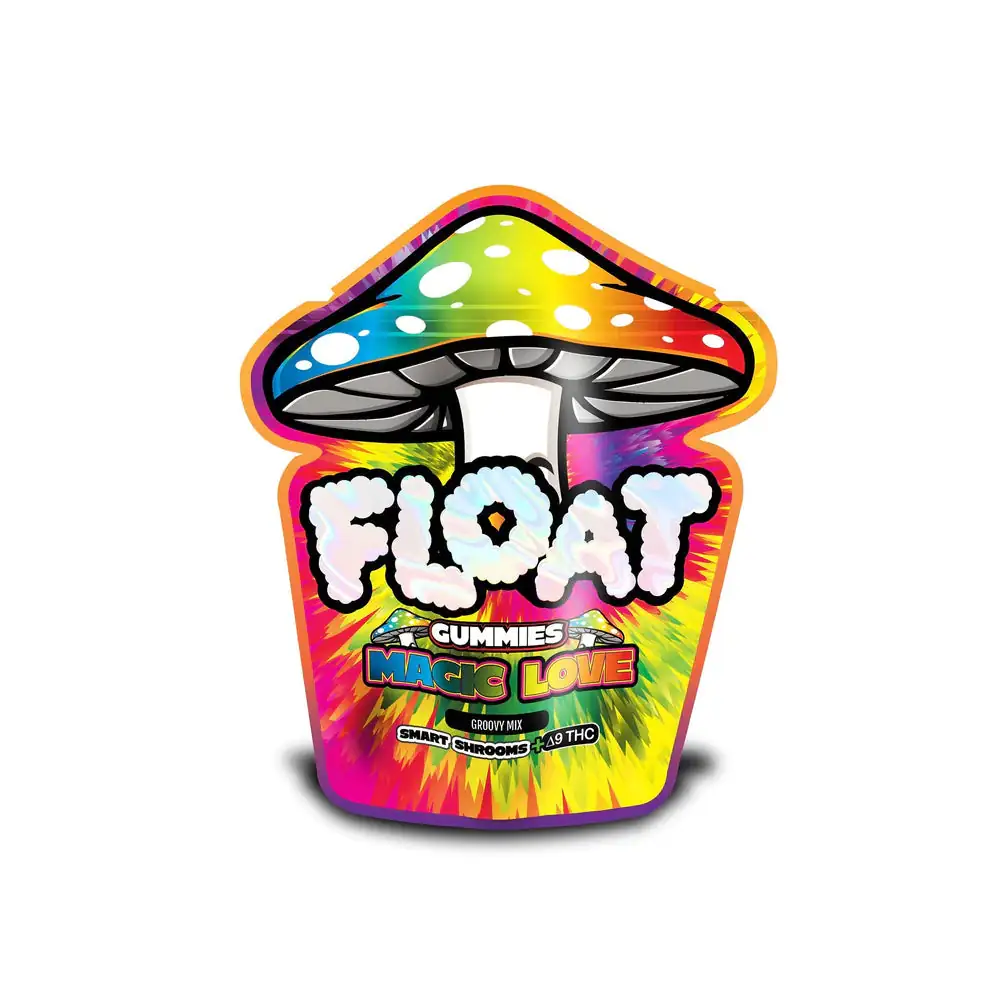
HHC can be found in vapes, tinctures, edibles, and pre-rolls, giving users multiple options for consumption based on their preferences.
Although Amanita and HHC are both psychoactive, they function very differently in the body.
Because these two substances have such different mechanisms of action, users have started experimenting with combining them to create a hybrid experience that blends both effects.
The idea of mixing Amanita muscaria with HHC is relatively new, but early anecdotal reports suggest that the combination can offer a unique, relaxing, and subtly psychedelic experience that can enhance cognitive function.
HHC’s mild euphoria and body high can help anchor the dreamlike effects of Amanita, preventing the experience from feeling too detached or disorienting. Meanwhile, Amanita’s sedative and hypnotic properties might enhance HHC’s calming effects, creating a more immersive, introspective state.
Since both Amanita muscaria and HHC exist in legal gray areas, it’s important to understand their status in your location.
Beyond legality, ethical concerns include sustainable harvesting of Amanita muscaria and ensuring HHC products come from reputable, lab-tested sources.
Amanita and HHC are two fascinating substances with distinct but complementary effects. While Amanita offers a hypnotic, dreamlike state, HHC provides a soothing, cannabis-like relaxation, making them an intriguing combination for those seeking a novel psychoactive experience.
As always, responsible use is key. Start slow, be mindful of your limits, and prioritize quality products from trusted sources. Whether used separately or together, Amanita and HHC represent an exciting frontier in alternative psychoactives.
Would you try them? Let us know your thoughts!

Jun 22, 2026 Jenna Renz

Jun 22, 2026 Jenna Renz

Jun 22, 2026 Jenna Renz