Best Defense for Positive Drug Test: Strategies, Legal Insights & What You Need to Know

Ship to
So, you’ve just received a positive drug abuse test result—or maybe you’re preparing for one and wondering what if? Either way, you’re in the right place to learn the best defense for positive drug test.
Testing positive on a drug test can feel like hitting a wall, especially if you’re confident you didn’t do anything wrong—or if the result just doesn’t seem fair. Whether you’re dealing with employment screening, a probationary requirement, a child custody case, or even athletic testing, the implications of a failed drug test can be severe. But here’s the good news: a positive result doesn’t necessarily mean you’re out of options.
Understanding how drug tests work, knowing the most common reasons for false positive results, and being aware of your legal rights can give you a solid foundation for building a defense. Sometimes the issue lies with the test itself, while in other cases, a legitimate medical explanation can flip the entire situation. This guide covers everything you need to know, from common causes of false positives to how lawyers can help—and what not to do when you’re caught off guard.
Let’s break it all down and give you the best chance to challenge or explain that result.
Before you can defend yourself, you’ve got to understand what you’re dealing with. Drug tests, including random drug tested, are far from one-size-fits-all, and they’re not always as accurate or clear-cut as they seem.
There are several common types of drug tests, each with its pros and cons:
Drug tests screen for substances like marijuana (THC), cocaine, opioids, amphetamines, benzodiazepines, and others. However, these tests detect metabolites—the chemicals left behind after your body processes a drug. And sometimes, those chemicals can come from unexpected sources.
The detection window varies depending on the drug, the person’s metabolism, and even body fat percentage. Knowing this helps you understand how and why a test might produce a result you weren’t expecting.
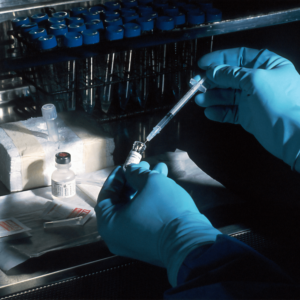
It may surprise you to learn how many things can trigger a false positive drug test. No, it’s not just urban legends—there’s actual science backing up many of these claims.
Some common culprits include:
The takeaway? Just because a test says you’re positive doesn’t mean you’ve used illegal drugs. It’s not only possible to have a false positive drug test, but actually relatively common to receive a false positive drug test result—and this forms the backbone of many successful defenses.
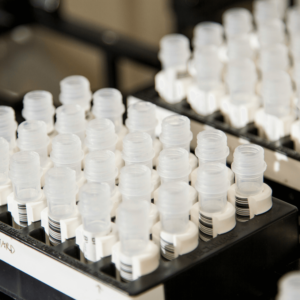
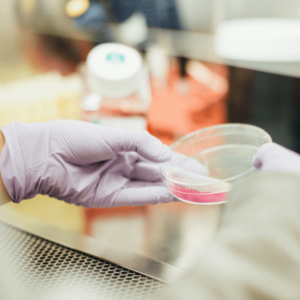
Think labs are infallible? Think again. Drug testing is a multi-step process that involves collection, storage, transport, and lab analysis—all of which leave room for human error.
Here’s where things often go wrong:
If your sample was handled poorly, you might have grounds to challenge the entire result. A lawyer or advocate can help request documentation of the testing process, including the chain of custody log, testing methodologies, and any confirmatory testing done.
One of the most powerful defenses against a positive drug test is having a valid prescription. If a drug was prescribed to you by a licensed healthcare provider, you are legally permitted to take it—even if it shows up on a drug screen.
Here’s what to do:
Remember, the MRO is the gatekeeper between your random testing results and your employer or probation officer. If you can provide a legitimate explanation, the MRO may rule the test “negative” after review—even if the lab says otherwise.
Supplements are another sneaky and often overlooked cause of positive drug test results. Because the supplement industry is only loosely regulated, many products may be contaminated with substances not listed on the label—or may contain ingredients that aren’t accurately disclosed. This lack of oversight makes it surprisingly easy for someone to unknowingly ingest a compound that triggers a red flag of substance abuse during testing.
CBD oils are one of the most common offenders. Even products marketed as “THC-free” can contain trace amounts of THC that gradually build up in your system over time, leading to a positive test. Similarly, some weight-loss and energy pills contain stimulants that mimic the chemical structure of amphetamines, which can be misinterpreted by certain testing panels. Other seemingly harmless items, like B12 energy drops or valerian root supplements, have also been known to produce false positives for benzodiazepines or other sedatives.
If you’ve recently taken any kind of supplement—whether for sleep, energy, or general wellness—it’s a smart move to create a detailed list, document the product labels, and do a bit of research into each ingredient. This kind of evidence can support your defense and may even lead to a more thorough retest or complete reconsideration of the original result.

It sounds like a weak excuse—but in some cases, it’s actually viable. Secondhand marijuana smoke exposure can cause trace THC to enter your system, especially in poorly ventilated areas or if you’re around heavy usage.
But this defense has limits:
While it’s not a slam-dunk defense, it’s still worth mentioning—especially if your THC level is just above the cutoff point.
One of the biggest flaws in drug testing, especially for marijuana, is that it can detect usage days—or even weeks—after the effects have worn off. This makes it tricky in workplace situations, where an employer may equate a positive test with on-the-job impairment.
But here’s the truth:
Presence of a substance does not equal impairment.
This defense is especially helpful if:
Courts and HR departments are increasingly recognizing this distinction, particularly as marijuana laws evolve.
If you’re facing serious consequences—like job loss, probation revocation, or child custody issues—then getting legal representation is absolutely essential. A lawyer who specializes in employment law, criminal defense, or family law can help craft a strategy and shield you from making damaging admissions.
Here’s what an attorney can do:
And here’s the kicker—anything you say to a lawyer is confidential, unlike conversations with HR or probation officers. The earlier you involve a legal professional, the stronger your position will be.
Sometimes the issue isn’t just the result—it’s how the test was conducted. Employers are required to follow strict policies when it comes to drug testing, and if they deviate, you might have legal grounds to challenge the outcome.
Ask these questions:
If any of these protocols were violated, you could argue that the test result should be disregarded—or that your termination or punishment was unjust.
In some cases, especially for first-time offenses, you may not be able to dispute the positive test result—but you can negotiate for a second chance. Offering to go to rehabilitation or requesting a confirmatory test can demonstrate responsibility and buy time.
Here’s how it might play out:
This option may not clear your name, but it can soften the consequences.
Drug testing isn’t just a lab issue—it’s a legal one, too. And the laws that govern it vary significantly depending on where you live.
For instance, in many states, marijuana legalization has created a delicate balance for employers, who must weigh workplace policies against an employee’s legal right to use marijuana either recreationally or for medical purposes.
At the same time, certain professions—particularly those classified as safety-sensitive—are subject to much stricter standards. Federal employees, commercial driver’s license (CDL) holders, and anyone working under Department of Transportation (DOT) regulations often face zero-tolerance rules regardless of state laws.
Additionally, many states have their own drug testing protections built into employment law. These might include requirements for employers to give written notice before testing, offer employees a chance to explain or rebut the results, or ensure that tests are conducted by certified laboratories.
Understanding both your state and federal protections is essential when it comes to challenging a positive test. Resources like NORML and your state’s labor board can provide jurisdiction-specific information that may be crucial in building your defense.
Drug testing becomes even more sensitive in legal situations like probation, custody, and athletic oversight. The stakes are higher—but so are the rules.
Here’s how it breaks down:
Every situation requires a tailored defense—so context really matters here.
Let’s talk damage control. As tempting as it may be, don’t panic or make impulsive decisions after a positive drug test. Many people unintentionally hurt their own case by reacting poorly in the immediate aftermath.
One of the most common missteps is admitting guilt too quickly—often before fully understanding the testing process or their legal rights. Another major error is attempting to tamper with future tests, such as using synthetic urine samples or other deceptive methods, which can escalate the situation from a simple violation to a criminal offense.
Some individuals also turn to the internet in desperation, trying out questionable detox products or cleanses that not only fail to work but can also be detected by labs or, worse, cause harm to your health. The smartest move you can make is to stay calm, start gathering any relevant evidence, and consult with someone who’s equipped to guide you—whether that’s a lawyer, union representative, or healthcare provider.
Testing positive on a drug screen can feel like a nightmare—but it’s not necessarily the end of the road. There are dozens of potential defenses, ranging from medical explanations to lab errors, legal protections, and even personal context. What matters most is your ability to respond smartly and deliberately.
Start by carefully reviewing the testing process to identify any errors or inconsistencies that could have affected the result. Small procedural mistakes—like a broken chain of custody or improper sample handling—can make a big difference. Next, consider whether any recent supplements, over-the-counter medications, or prescription drugs might have triggered a false positive. Even seemingly harmless products can contain ingredients that interfere with testing.
It’s also essential to understand your rights under both state and federal law. The legal landscape surrounding drug testing is complex, and knowing where you stand can inform your next steps. Finally, don’t try to go it alone—seeking professional help from an attorney, healthcare provider, or workplace advocate can dramatically improve your chances of mounting a successful defense.
And most importantly—don’t assume you’re doomed just because the test says “positive.” With the right strategy, solid documentation, and a level head, you can often challenge the result and move forward with confidence.

Jun 22, 2026 Jenna Renz

Jun 22, 2026 Jenna Renz

Jun 22, 2026 Jenna Renz