broad-spectrum vs. isolate
is the most confusing “simple choice” in hemp shopping. Three labels. Three vibes. One checkout page. Let’s make it embarrassingly clear what each hemp extract is, what it does, and which one actually fits your life.
You’ll see these terms on CBD gummies, tinctures, capsules, vapes, topicals, and even seltzers. Brands love to make it sound mystical. It’s not mystical. It’s chemistry, plus a little bit of biology, plus your personal tolerance for uncertainty.
This guide stays neutral and buyer-friendly. No brand cheerleading. No scare tactics. Just the real differences, why they matter, and how to pick fast.
Quick definitions (so you stop squinting at labels)
Full-spectrum hemp extract
A hemp extract that contains CBD plus other cannabinoids and plant compounds, including trace THC (as allowed under hemp rules). Because it includes multiple compounds, it’s commonly associated with the entourage effect (more on that soon). It can feel stronger than CBD alone, and for some people it can be mildly psychoactive, depending on dose and sensitivity.
Broad-spectrum hemp extract
A hemp extract that contains CBD plus other cannabinoids and plant compounds, but with THC removed (or reduced to non-detectable levels depending on the product and testing). This is the “I want the full plant benefits, but I also want to sleep at night before a drug test” option.
Isolate
A single purified compound, usually CBD isolate in the hemp world. It contains no meaningful amount of other cannabinoids, terpenes, or flavonoids. It’s the cleanest, simplest, most predictable option for dosing and for avoiding THC.
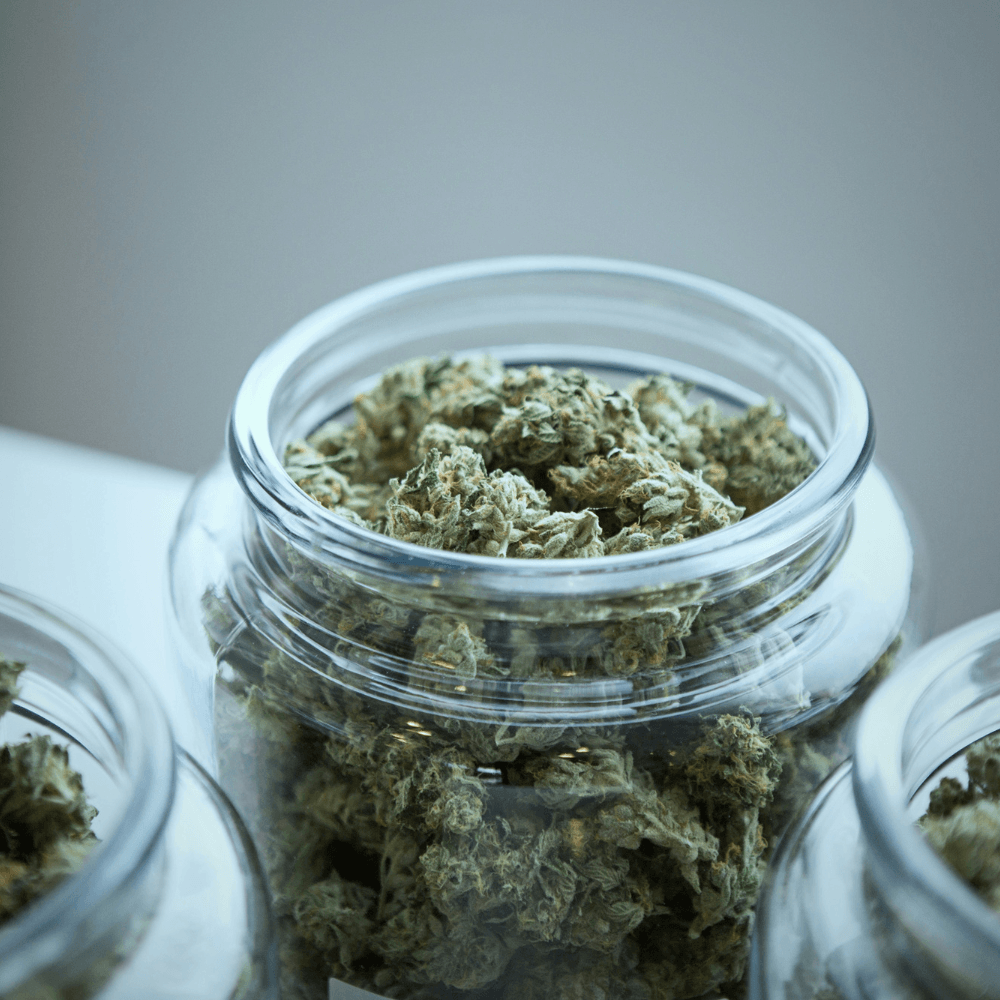
What’s actually in hemp extract (and why “spectrum” matters)
Hemp contains more than just CBD. It can include:
- Minor cannabinoids like CBG, CBC, CBN, and others in small amounts
- THC in legally limited quantities for hemp products (full-spectrum only)
- Terpenes (aromatic compounds that also interact with the body)
- Flavonoids and other plant compounds
“Spectrum” basically means: how much of the original plant chemistry made it into your final product after extraction and refinement.
- Full-spectrum: most of it stays
- Broad-spectrum: most stays, THC goes
- Isolate: almost everything goes, one compound stays
Simple. Not easy to market, but simple.
The entourage effect (the concept everyone mentions and few explain)
The entourage effect is the idea that cannabinoids and terpenes may work better together than alone. Not in a magical way. More like a band instead of a solo act.
Here’s the practical takeaway for shoppers:
- Full-spectrum products often feel stronger at the same CBD milligram dose than isolate.
- Broad-spectrum can also feel “fuller” than isolate, even without THC.
- Isolate is more single-note, which some people love because it’s predictable.
Important reality check: the entourage effect isn’t a guaranteed universal experience. Some people feel it clearly. Others feel no difference. Biology is rude like that.
Full-spectrum hemp extract: best overall effects, most “whole-plant”
What it’s good for
Full-spectrum is often chosen by people who want the most noticeable, well-rounded effects from a hemp product, especially for:
- General relaxation and stress support
- Sleep support (varies a lot by formula and dose)
- Body comfort and recovery routines
- People who have tried isolate and thought, “Is this doing anything?”
Why people like it
- Synergy: Multiple cannabinoids plus terpenes may produce a broader effect.
- Potentially better value: Some users need fewer milligrams to feel results compared to isolate.
- More “plant-forward” experience: If you want hemp to feel like hemp, this is it.
What to watch out for
- Contains THC: Even legal hemp-derived trace THC is still THC.
- Mild psychoactivity is possible: Especially at higher doses, or if you’re sensitive.
- Drug test risk: Full-spectrum is the worst choice if a drug test is on your horizon. Even tiny amounts can accumulate, and testing isn’t always fair or consistent.
- Not ideal for THC-avoidant users: If THC makes you anxious, skip the experiment.
Who should choose full-spectrum
Pick full-spectrum if:
- You want the strongest “entourage” potential
- You’re not drug-tested (or not willing to gamble)
- You’re okay with the fact that THC is part of the deal
- You want a more noticeable hemp experience
Broad-spectrum hemp extract: the “no THC, yes synergy” middle path
Broad-spectrum is full-spectrum’s more cautious sibling. Same family. Less drama.
What it’s good for
Broad-spectrum is great for people who want:
- A fuller effect than isolate
- A THC-free approach for daytime or sensitive use
- A safer pick for employment policies and athletic testing
- A product that still feels like a “blend,” not a single compound
Why people like it
- Reduced THC concerns: The whole point.
- Still includes minor cannabinoids and terpenes (depending on the product).
- Often smoother than isolate for mood and relaxation support.
What to watch out for
- “THC-free” is not always absolute: Some broad-spectrum products claim THC removed, but trace amounts can still happen due to manufacturing variability.
- Drug tests are still a risk, just lower: If “pass a drug test” is a mission-critical requirement, isolate is usually the safer bet.
- Quality varies wildly: One brand’s broad-spectrum can be rich and complex. Another can be basically isolate with a nicer label.
Who should choose broad-spectrum
Pick broad-spectrum if:
- You want a multi-compound extract without THC
- You’re drug-test cautious
- THC doesn’t agree with you
- You still want something more “complete” than isolate
Isolate: clean, precise, predictable (and a bit lonely)
Isolate is what happens when you take hemp and say, “Okay, but make it minimal.”
What it’s good for
Isolate is often chosen for:
- Precise CBD dosing (especially for consistent daily routines)
- People who are highly THC-avoidant
- People who are very drug-test sensitive
- Formulations where flavor and smell matter (isolate has less hemp taste)
Why people like it
- Consistency: You get what the label says, with fewer variables.
- No entourage variables: If you’ve had weird experiences with full-spectrum, isolate can feel calmer and more controllable.
- Easier to combine: You can stack isolate with other supplements without as many interactions from extra cannabinoids and terpenes.
What to watch out for
- May feel weaker: Many users report isolate feels less noticeable at the same dose.
- No entourage effect: If you want “whole plant,” isolate is not that.
- It’s easy to over-focus on milligrams: Higher CBD numbers look impressive, but they don’t automatically mean better results.
Who should choose isolate
Pick isolate if:
- You want CBD only, period
- You need the most predictable dosing
- You want the lowest THC risk
- You’re sensitive to THC or to complex extracts
Which hemp extract is best? Use this no-nonsense checklist
Choose full-spectrum if you want:
- The most robust, whole-plant experience
- The best shot at the entourage effect
- Stronger effects per milligram (for many users)
Avoid it if:
- Drug testing is part of your life
- THC makes you feel weird, anxious, or foggy
Choose broad-spectrum if you want:
- “Most of the plant” with minimal THC concerns
- A balanced daily option that’s often easier to tolerate than full-spectrum
Avoid it if:
- Your drug test policy is zero-tolerance and high-stakes
Choose isolate if you want:
- Maximum control and straightforward CBD-only dosing
- The simplest label and the cleanest profile
- The safest path for THC avoidance
Avoid it if:
- You tried CBD before and felt nothing, and you suspect you need the entourage boost
What about THC legality and psychoactivity (aka the part everyone worries about)
Full-spectrum hemp products are federally defined by THC limits for hemp, but laws and enforcement can still vary by location. Also, “legal” and “won’t affect you” are not the same thing.
Here’s the reality:
- THC can be psychoactive even in small amounts, depending on your dose, body size, metabolism, and sensitivity.
- Some full-spectrum products can feel completely non-intoxicating at typical servings.
- Others can feel noticeably mood-shifting, especially if you take more than the suggested serving or combine with alcohol or other sedatives.
Do this:
- Start low. Stay low. Increase slowly.
- Avoid mixing with alcohol if you’re testing how you respond.
- Don’t drive or operate machinery if you feel impaired. Obvious, but let’s say it anyway.
Drug tests: the blunt truth (because your paycheck is not a science project)
If you are drug tested and failing would be a serious problem, don’t play games with full-spectrum.
- Full-spectrum: highest risk.
- Broad-spectrum: lower risk, not zero.
- Isolate: generally lowest risk, but nothing is 100% unless you use products with strong third-party testing and strict controls.
Also, drug tests typically look for THC metabolites, not CBD. You can be completely sober and still fail if THC exposure accumulates.
Do this:
- Look for third-party lab testing (COAs).
- Confirm THC results and the batch number.
- If you don’t understand the COA, don’t buy the product. Confusion is not a supplement.
How to shop smarter: read the label like you mean it
Ignore the front label poetry. Flip it around and check:
- Extract type: full-spectrum, broad-spectrum, or isolate should be clearly stated
- CBD per serving: not just “total CBD”
- Servings per container: the “value” lives here
- Third-party testing: ideally easy to access by QR code or batch lookup
- Ingredients: especially for gummies (sweeteners) and tinctures (carrier oils)
Do this twice. Yes, twice. Do it once for accuracy and once for the inevitable “wait, how many servings is this really?”
Gummies vs tinctures: does extract type matter more than format?
Extract type often matters more than format, but format changes the experience.
- Gummies: slower onset, longer-lasting, easy dosing, easy over-snacking if you lack self-control (we’ve all been there).
- Tinctures: faster onset than gummies, easier to fine-tune dose, more “hemp” flavor depending on extract.
- Capsules: convenient and consistent, slower onset.
- Vapes: fastest onset, shortest duration, not for everyone.
Pick the extract first, then pick the format that fits your routine.
Common scenarios (pick your lane)
“I want the strongest effects.”
Pick full-spectrum. Start low, go slow, respect THC.
“I want benefits but I can’t risk THC.”
Pick broad-spectrum if you want a richer feel, or isolate if you want maximum THC avoidance.
“CBD never worked for me.”
Try full-spectrum or broad-spectrum before you quit. Some people simply respond better to multi-compound extracts.
“I get anxious easily.”
Start with broad-spectrum or isolate. If you try full-spectrum, keep the dose small and don’t stack it with caffeine and bad decisions.
“I need exact dosing for a consistent routine.”
Pick isolate or a very clearly tested broad-spectrum product.
The bottom line (say it with me, slowly)
- Full-spectrum: includes THC, most whole-plant, best chance at entourage, higher drug-test risk.
- Broad-spectrum: THC removed, still multi-compound, good middle option, lower drug-test risk but not zero.
- Isolate: one compound, clean and precise, minimal entourage, best for THC avoidance and consistent dosing.
Pick based on your constraints first (drug tests, THC sensitivity), then pick based on your goals (stronger effects vs precision).
Ready to try full-spectrum? Do it the smart way.
If you want the most complete hemp experience and you’re not avoiding THC, full-spectrum hemp products are often the top pick for noticeable, well-rounded effects.
Shop full-spectrum hemp gummies for an easy, long-lasting option. Shop full-spectrum tinctures if you want faster onset and more control over your dose.
Choose your format. Start low. Stay consistent. Let the plant do its job without you doing the most.
FAQs (Frequently Asked Questions)
What is the difference between full-spectrum, broad-spectrum, and isolate hemp extracts?
Full-spectrum hemp extract contains CBD plus other cannabinoids and plant compounds including trace THC, offering the most complete plant chemistry. Broad-spectrum contains CBD and other cannabinoids but with THC removed or reduced to non-detectable levels. Isolate is a purified single compound, usually CBD alone, with no other cannabinoids, terpenes, or flavonoids.
What does 'spectrum' mean in hemp extracts?
'Spectrum' refers to how much of the original plant chemistry remains after extraction and refinement. Full-spectrum retains most compounds including THC; broad-spectrum retains most but removes THC; isolate keeps only one compound, typically CBD.
What is the entourage effect and how does it relate to hemp extracts?
The entourage effect is the idea that cannabinoids and terpenes work better together than alone, producing a broader effect. Full-spectrum products often feel stronger at the same CBD dose due to this synergy. Broad-spectrum also offers a fuller effect without THC. Isolate provides a more predictable but single-note experience.
Who should choose full-spectrum hemp extract?
Full-spectrum is ideal for those seeking the strongest entourage potential and well-rounded effects such as general relaxation, sleep support, or body comfort. It's best for users not subject to drug tests and who are okay with trace THC and possible mild psychoactivity.
Why might someone prefer broad-spectrum hemp extract over full-spectrum or isolate?
Broad-spectrum is preferred by those wanting the fuller benefits of multiple cannabinoids without THC exposure—making it safer for daytime use, sensitive individuals, or those concerned about employment drug testing while still enjoying some entourage effects.
What are the risks associated with using full-spectrum hemp products?
Full-spectrum products contain trace amounts of THC which can accumulate and potentially cause positive drug tests. They may cause mild psychoactive effects especially at higher doses or in sensitive individuals. Therefore, they are not recommended for users avoiding THC or facing drug screening.