Hemp Extract Potency Explained: How to Compare MG Across Products

Ship to
Hemp extract potency explained in one sentence: milligrams (mg) only make sense when you know what they’re measuring ( If you’ve ever stared at “25mg gummies” and “1000mg tincture” like they’re written in ancient runes, you’re not alone. Brands love big numbers. Your body loves context. Let’s give it some. “MG” is just milligrams of a compound (CBD, delta-9 THC, delta-8 THC, CBG, etc.). That’s it. What mg does not automatically tell you: To compare products, you must answer two questions every time: If you skip this step, you will either underdose, overdose, or angrily conclude “this stuff doesn’t work” while holding the wrong end of the measuring tape. This is what you get in a single gummy, a single dropper, a single capsule, or a single mL. Examples: This tells you total cannabinoids inside the container, which helps compare value. Examples: Sneaky detail: a “1000mg tincture” can be weak or strong depending on bottle size. Yes, really. Make “mg per serving” your universal language. Easy, because servings are discrete. You need two numbers: Formula: mg per mL = total mg ÷ total mL Common example: Now you can compare it to a gummy, because you know the dose per 1 mL. Already done for you. That label means: Simple. Gloriously simple. Two products can both be “25mg,” and one can feel like a whisper while the other feels like a full conversation. That’s because bioavailability varies by format. Typical ranges (these are broad, but useful): Your goal is not to memorize these. Your goal is to stop assuming that “25mg is 25mg” in real-world effects. If you want a rough comparison, estimate: absorbed mg = labeled mg × bioavailability Example: 25mg labeled dose Same label. Very different ride. Important: bioavailability depends on your body, what you ate, how you dose, and product formulation. Use this for comparison, not as gospel carved into stone. Now we address the most common misunderstanding in hemp shopping: mg is not a universal unit of “strength” across cannabinoids. CBD is typically non-intoxicating. Many people use it for calm, recovery, stress support, or sleep routines. A “25mg CBD gummy” is usually not meant to feel like a “high.” If you’re expecting fireworks, you will write an angry review. Don’t do that. It’s not the product’s job to be something else. Delta-9 THC is intoxicating. A “25mg delta-9 gummy” can be very strong for many users, especially if you’re not tolerant. For some people, 5 to 10mg is plenty. So yes: Delta-8 THC is also intoxicating, often described as “milder” by some users, but dose response still varies wildly. Treat it with the same respect you’d give any THC product. If you’re comparing potency, always ask: 25mg of what? CBD, delta-9, delta-8, CBN blends, THCA pre-rolls that convert to THC when heated. The compound matters. A lot. To compare products without getting fooled by packaging, compare these three things: If any of those change, the experience can change even if the mg looks identical. Repeat it with me: type, serving, method. Type, serving, method. Usually means 25mg per gummy. Check the bag: Usually means 1000mg total in the bottle, not per dropper. You still need bottle size and serving size. Many tinctures are 30mL with a 1mL dropper, so: But if the bottle is 60mL: Same “1000mg” headline. Half the concentration. This is why people get confused. It's important to understand that these compounds can have varying effects on individuals due to factors such as individual biochemistry, tolerance levels, and even the specific strain or product used. This is concentration. If the bottle is 30mL: So a “25mg/mL” oil in 30mL is 750mg per bottle, even though the front label might emphasize the per-mL number. Here’s how three common labels compare when you break them down into “mg per serving” and a rough estimate of what your body might actually absorb. A 25mg gummy typically contains 25mg in a single piece, but after digestion and first-pass metabolism, the amount that may actually be absorbed is usually around 1.5 to 2.5mg (about 6–10%). A 1000mg tincture (30mL bottle) contains 1000mg total across the full bottle, which works out to roughly 33.3mg per 1mL dropper serving, with an estimated absorbed range of about 4 to 12mg depending on factors like metabolism and whether it’s taken with food. A 25mg/mL oil delivers 25mg per 1mL serving, with a typical absorbed range of about 3 to 9mg (around 12–35%). Think of this as more of a flashlight than a crystal ball—helpful for direction, but your body still has the final say. You need a target dose for the specific cannabinoid and the specific format. Be specific: Never assume. Read the label. Be nosy. General dosing logic most people can live with: For CBD (non-intoxicating for most users): For delta-9 THC (intoxicating): If you’re new to THC edibles, do not start at 25mg unless you enjoy learning life lessons the hard way. Different formats behave differently. Want longer-lasting effects? Choose gummies/edibles. They take longer to kick in and last longer. Want more control and faster adjustment? Choose tinctures. You can change dose in smaller increments. Want the fastest onset? Inhalation is fastest, and it is also easiest to overdo. Respect it. Instead of asking “How many mg is strong?” ask: Consistency beats vibes. You’re choosing between: If the tincture is 30mL, it’s ~33mg per dropper. That is already more than one gummy on the label. But effects may still differ because: So the right comparison is: That might be normal. CBD is not designed to feel like THC. You may still choose to adjust dose or format, but first confirm you are comparing the right expectation to the right cannabinoid. Also normal. Many people do well at 2.5 to 10mg delta-9. If 25mg felt intense, that’s not you being “bad at edibles.” That’s you being human. Next time: Some labels hype “hemp extract” milligrams, which can include non-cannabinoid plant material. If you want potency, look for: If it’s not named, don’t assume. Big total numbers sell. That’s marketing’s job. Your job is to find mg per serving and servings per container. Sometimes a “serving” is half a gummy, one gummy, or two gummies. Sometimes a tincture serving is 0.5mL instead of 1mL. Do not trust vibes. Trust serving size. Now you know what those numbers actually mean, how to convert them into apples-to-apples servings, and why format and cannabinoid type matter as much as the mg itself. Shop all hemp products and use the dosage guide sidebar to pick a serving that matches your comfort level and your goal. Choose the right mg. Choose the right format. Then enjoy the rare pleasure of clicking “add to cart” with confidence. 'Mg' stands for milligrams of a specific compound like CBD, delta-9 THC, or others; it indicates the amount of that cannabinoid but doesn't tell you how strong the effect will be or how fast it kicks in. Mg per serving tells you how much cannabinoid you get in one dose, which affects your body directly, while mg per bottle shows the total amount in the container and helps you compare value between products. Convert everything to mg per serving: for gummies, it's straightforward (e.g., 25mg per gummy), and for tinctures, divide total mg by total mL to find mg per mL, enabling an apples-to-apples comparison. Bioavailability determines how much of the labeled mg your body actually absorbs; it varies by product type—about 6-10% for edibles, 12-35% for tinctures, and 50-70% for inhalation methods—meaning labeled mg isn't always equal to effective dose. Because delta-9 THC is intoxicating and affects your body differently than non-intoxicating CBD; thus, the same mg amount doesn't translate to similar effects or strength between these cannabinoids. No; mg numbers alone don't indicate how strong or fast-acting a product is because factors like cannabinoid type, dosage form, bioavailability, and individual body response all influence the real-world effect.fda.gov/food/nutrition-education-resources-materials/sodium-your-diet" rel="noopener noreferrer" target="_blank" style="background-color: transparent; color: rgb(145, 27, 164);">per serving vs per bottle), how you’re taking it (gummy vs tincture vs vape), and which cannabinoid it is (CBD and delta-9 are not the same party).Start Here: What “MG” Actually Means (And What It Doesn’t)
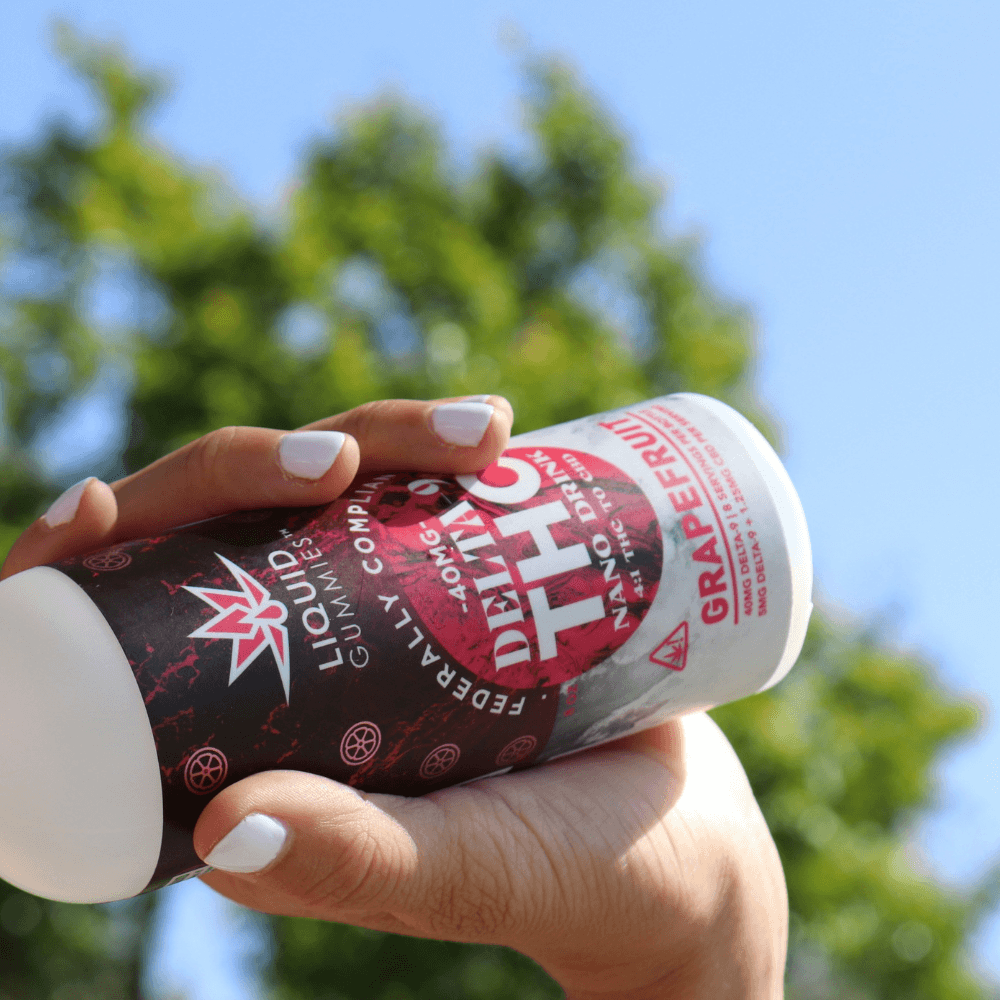
The Two MG Numbers That Matter: Per Serving vs Per Bottle
MG per serving (the only number your body cares about)
MG per bottle (the number your wallet cares about)
The Fast Way to Compare Anything: Convert Everything to MG per Serving
Gummies and capsules
Tinctures and oils
“25mg/mL” oils
Then Comes the Plot Twist: Bioavailability (AKA “How Much You Actually Absorb”)
A simple “absorbed mg” estimate
Why a 25mg Delta-9 Gummy Hits Differently Than 25mg CBD
CBD (cannabidiol)
Delta-9 THC (hemp-derived where legal)
Delta-8 THC and other intoxicating cannabinoids
The Only Comparisons That Are Actually Fair
Common Product Labels, Translated Into Plain English
“25mg gummies”
“1000mg tincture”
“25mg/mL oil”
A Simple Comparison
How to Pick Your Target Dose (Without Guessing Like It’s a Game Show)
Step 1: Decide what you’re taking
Step 2: Start low, then move up (yes, it’s boring; do it anyway)
Step 3: Match the format to your goal
Step 4: Use this “effective dose” mindset
Practical Examples (Because This Is Where People Get Stuck)
Example 1: 25mg gummy vs 1000mg tincture
Example 2: “I took 25mg CBD and felt nothing”
Example 3: “25mg delta-9 gummy felt way stronger than expected”
Don’t Get Tricked by These Label Games
“Total hemp extract” vs “total cannabinoids”
“Per bottle” headlines
Serving size shenanigans
Quick Rules for Confident Potency Comparisons
Ready to Shop Without Guessing?
FAQs (Frequently Asked Questions)
What does 'mg' mean on hemp extract products?
Why is it important to know mg per serving versus mg per bottle?
How can I compare potency between gummies and tinctures?
What role does bioavailability play in hemp extract potency?
Why does a 25mg delta-9 THC gummy feel different from a 25mg CBD gummy?
Can I rely solely on the mg number to judge hemp product strength?

Jun 22, 2026 Jenna Renz

Jun 22, 2026 Jenna Renz

Jun 22, 2026 Jenna Renz