Why Do Some Hemp Drinks Hit in 15 Minutes? Nano-Emulsification Explained

Ship to
Why do THC drinks work faster than edibles? Because nano-emulsification turns stubborn, oil-based cannabinoids into tiny, water-friendly droplets your body can absorb faster than the slow, digestion-heavy route of a brownie.
If you’ve ever sipped a hemp drink and felt it kick in before you even finished picking a movie, you’re not imagining things. Some beverages really can come on in about 15 minutes. The reason is not “stronger THC” or “magic ingredients.” It’s physics, formulation, and how your body handles liquids versus fats.
Let’s break down what nano-emulsification is, what it changes inside your body, and why it can shrink onset time from the classic 60 to 90 minute edible wait to something that feels much closer to a drinkable, predictable experience.
THC (and most cannabinoids) are lipophilic, which is science-speak for “they love fat and avoid water.”
Your mouth, throat, stomach, and small intestine are basically water-based environments. Traditional edible formulations usually suspend cannabinoids in oils or butter. That can work, but it comes with two built-in speed bumps:
So with a classic edible, a big part of the timeline is not “THC entering your bloodstream.” It’s “your body slowly processing a blob of oil so THC can finally go somewhere.”
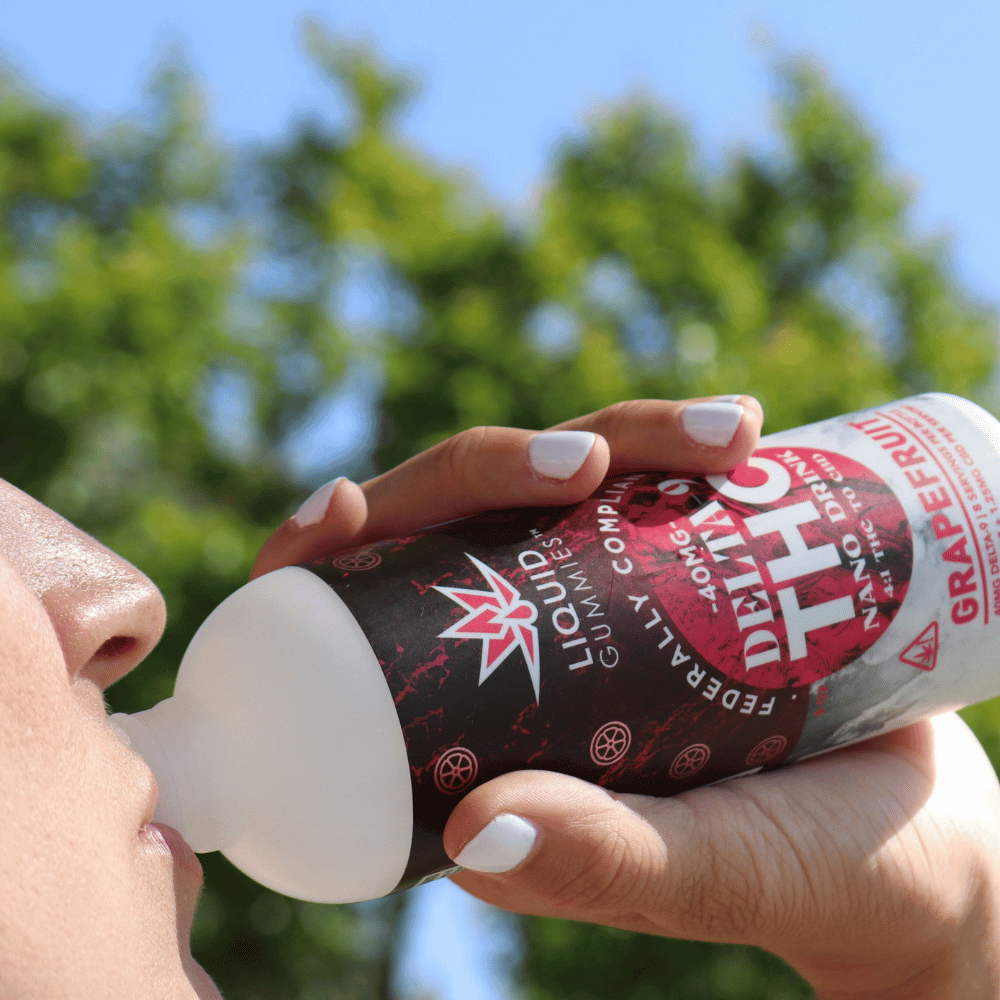
An emulsion is a mixture of two liquids that normally don’t mix, like oil and water. If you’ve ever shaken salad dressing, you’ve made a very temporary emulsion.
Nano-emulsification takes that concept and does it with intention, using equipment and emulsifiers to create extremely small oil droplets dispersed throughout a water-based drink.
Think of it like this:
This is the whole game. Make the droplets small enough and stable enough that your body doesn’t have to wage a full digestive war before cannabinoids can be absorbed.
Speed comes down to surface area and contact.
When you break one big droplet into thousands (or millions) of tiny ones, you massively increase the total surface area exposed to digestive fluids and the lining of your gastrointestinal tract.
More surface area means:
In plain English: tiny droplets give your body more “grab points,” so absorption can start sooner.
And yes, this is why some people report onset that feels like 10 to 20 minutes with certain beverages. The formulation is doing the heavy lifting upfront.
There’s also a very practical factor: liquids generally leave the stomach faster than solid food.
A gummy or brownie needs to be chewed, broken down, and digested as a semi-solid mass. A beverage is already a liquid, and nano-emulsified cannabinoids are already dispersed in that liquid.
So you often get a double advantage:
This doesn’t mean every sip hits instantly. It means the delivery format removes common bottlenecks that make traditional edibles feel like they’re taking the scenic route.
You’ll hear people say beverages “absorb sublingually” (through tissues in the mouth). Here’s the clean version:
Nano-emulsification can help cannabinoids stay dispersed and interact with tissues more efficiently. But it’s not a guarantee that everything is bypassing digestion like a tincture held under the tongue for 60 seconds.
So yes, the mouth can contribute. No, your drink is not a teleportation device.
Even with nano-emulsification, onset depends on variables your body controls, not the label.
Expect faster onset when:
Expect slower onset when:
Nano-emulsification improves the odds of a quicker, smoother onset. It doesn’t override biology.
Edibles have a well-earned reputation for being inconsistent. Same dose, different day, different outcome. That unpredictability comes from digestion variability.
Nano-emulsified beverages can feel more consistent because:
That “more predictable” feeling is a big reason beverages are booming as social alternatives. People want something they can time. They want something that behaves like a drink, not like a surprise package that shows up whenever it feels like it.
When you consume THC, some portion is metabolized by the liver into 11-hydroxy-THC, a metabolite that can feel more intense and longer-lasting for many people.
Classic edibles, especially fat-based ones, often produce a stronger “edible-style” effect partly because of this metabolic route.
With faster-onset beverages, users often describe effects as:
That doesn’t mean the drink is weaker. It can mean the experience is less delayed and less dominated by the slow metabolic ramp people associate with traditional edibles.
Important note: your body still metabolizes THC. You’re not skipping biology. You’re changing the delivery conditions.
Not all “nano” products are created equal. Some are genuinely engineered. Others are marketing with a lab coat on.
A good nano-emulsified beverage is usually:
A disappointing one often has clues:
The technology matters, but execution matters more.
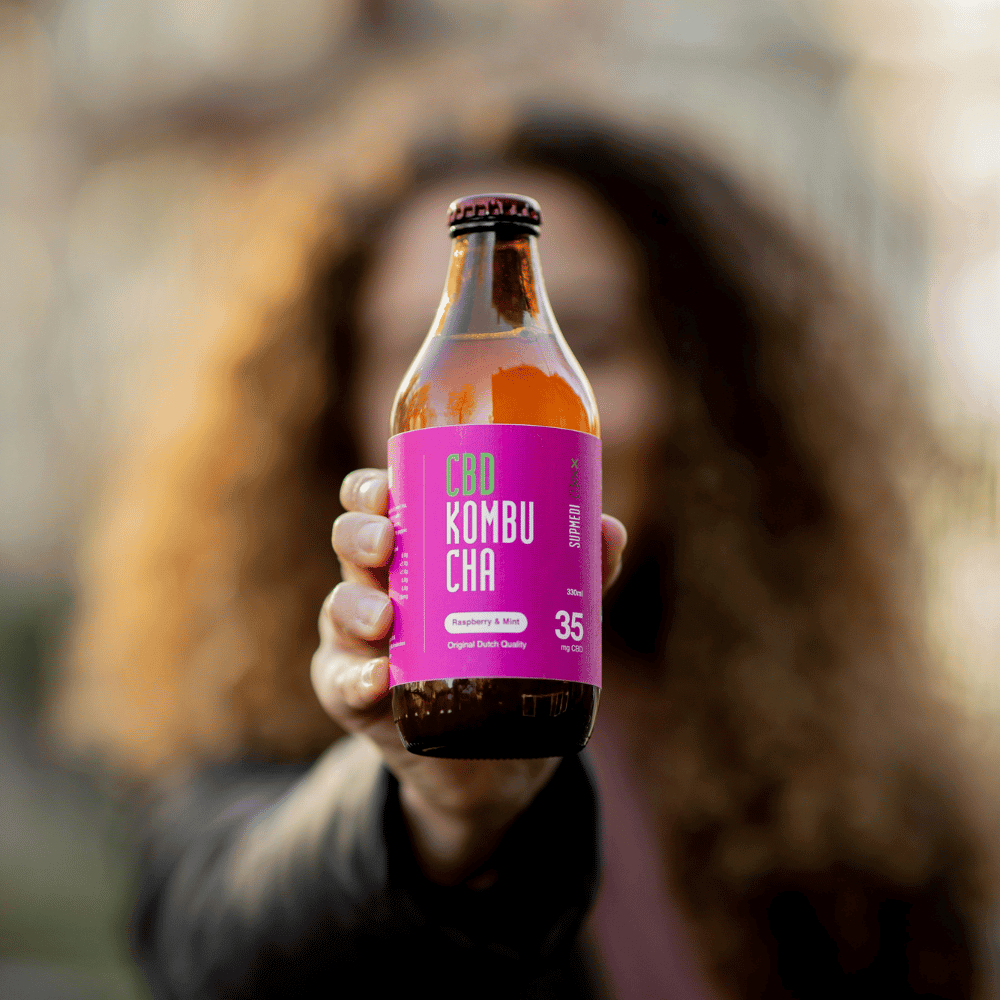
Fast onset changes how you should dose. Repeat after me: start low, go slow. Start low, go slow.
If you’re used to traditional edibles taking an hour, you might be tempted to “top up” too early. With a fast-onset drink, that can backfire because:
Do this instead:
Be boring on purpose. Boring is how you stay in control.
People are not just looking for “strong.” They’re looking for socially compatible.
A beverage that comes on in about 15 minutes fits real life:
This is why hemp beverages are showing up in more social settings where alcohol used to be the default. The experience is more timeable, more manageable, and less “guess and pray.”
Why do THC drinks work faster than edibles?
Because nano-emulsification disperses cannabinoids into tiny, water-compatible droplets that absorb more efficiently, and liquids typically move through the stomach faster than solid edibles, reducing the delay caused by digestion.
Nano-emulsification doesn’t change what THC is. It changes how it’s delivered.
Make cannabinoids water-dispersible. Shrink droplet size. Increase surface area. Improve stability. Reduce digestive bottlenecks. Get faster onset.
That’s the formula. Literally.
If you want a hemp drink that fits a social night without the 90-minute waiting game, choose beverages formulated with nano-emulsified cannabinoids. Then dose like an adult. Sip, wait, repeat.
Because the only thing worse than an edible that takes too long is the one that shows up late and loud.
THC drinks work faster because nano-emulsification breaks down oil-based cannabinoids into tiny, water-friendly droplets that your body can absorb more quickly than the slow digestion process required for oil-heavy edibles like brownies. This allows effects to be felt in about 15 minutes compared to the typical 60 to 90 minute onset time for traditional edibles.
Nano-emulsification is a process that disperses extremely small oil droplets containing cannabinoids evenly throughout a water-based drink. These tiny droplets increase surface area and stability, making cannabinoids more accessible to your body's digestive enzymes and membranes, which speeds up absorption and onset of effects.
Cannabinoids like THC are lipophilic, meaning they love fat and avoid water. Since your digestive system is mostly water-based, traditional oil-based edibles require extra work to break down fat and release cannabinoids. This slows absorption because oil and water don't mix well, leading to slower digestion and delayed effects.
While some minor absorption may occur sublingually (in the mouth), most of the cannabinoid effect still comes from gastrointestinal absorption. Nano-emulsification helps keep cannabinoids dispersed for better interaction with tissues, but it doesn't bypass digestion entirely like tinctures held under the tongue.
Liquids generally leave the stomach faster than solids because they don't need to be chewed or broken down as much. Nano-emulsified THC drinks combine this advantage with smaller droplet size, requiring less digestive processing than oil-heavy edibles, resulting in quicker onset of effects.
Onset time depends on factors beyond formulation, including whether you're fasted or full (especially after a high-fat meal), your metabolism and gastrointestinal motility, dose size, and how quickly you consume the drink. While 15 minutes is possible with a well-formulated beverage taken on an empty stomach, individual experiences can vary widely.

Jun 22, 2026 Jenna Renz

Jun 22, 2026 Jenna Renz

Jun 22, 2026 Jenna Renz