Beyond CBD: A Guide to Minor Cannabinoids (CBC, CBT, CBDV, THCV)

Ship to
Beyond CBD, the cannabinoid world gets a lot more interesting and a lot more specific. CBD is the household name, sure. But hemp is not a one-hit wonder. It is a full orchestra of compounds, and the so called “minor cannabinoids” are the instruments most people still cannot name.
Today, you are learning four of them: CBC, CBT, CBDV, and THCV.
Keep your expectations calibrated. The science on these cannabinoids is promising, often preclinical, and still in progress. That is not a buzzkill. That is how real research works. Your job is to understand what they are, what early evidence suggests they might do, and how to shop for them without getting played by marketing.
This guide also does one more important thing: it positions hemp the right way. Not as “CBD and vibes,” but as a full spectrum plant with a deep bench of bioactive compounds. The future of hemp products is not louder claims. It is better formulations.
“Minor” does not mean weak. It usually means present in smaller amounts in the plant compared to CBD and THC. That is it. These compounds can still interact with the body in meaningful ways, often through multiple pathways.
A quick grounding point before we dive in:
Now let’s meet the next tier.
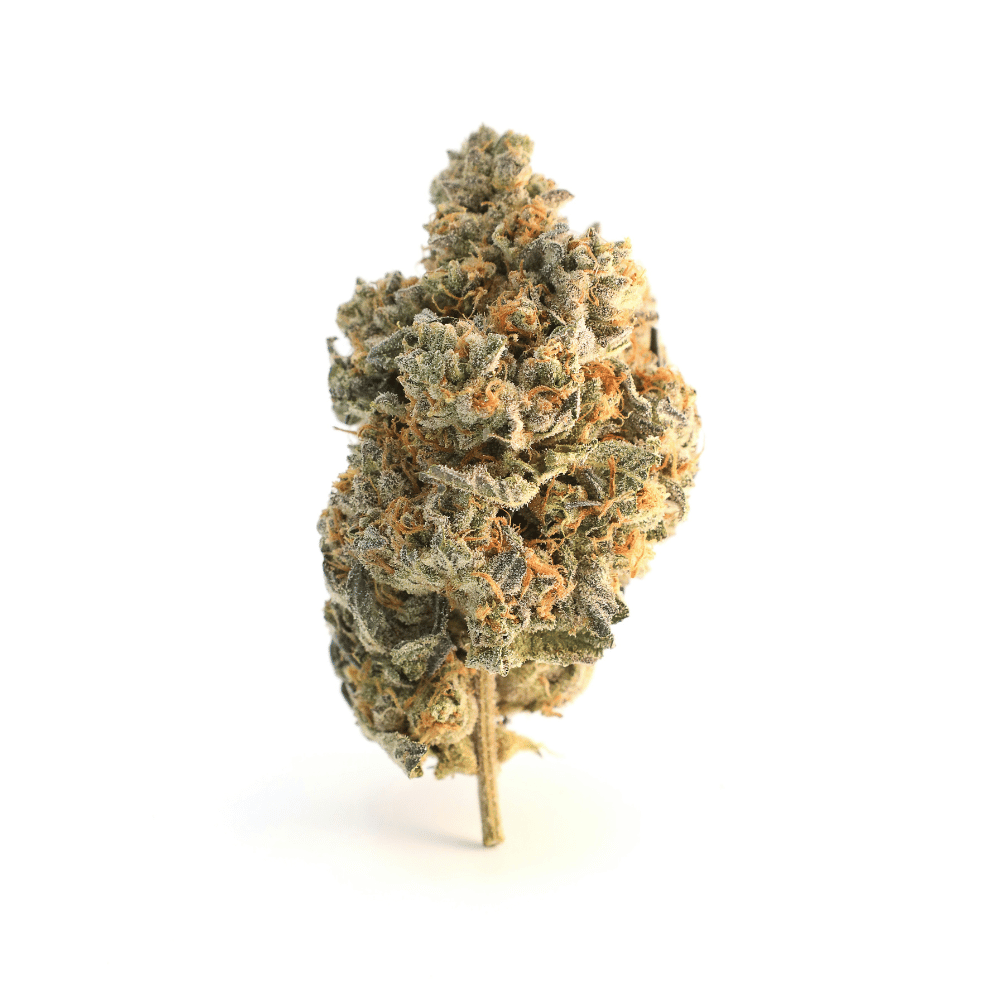
CBC, short for cannabichromene, is one of the more common “minor” cannabinoids in hemp, even if it is still far behind CBD in total concentration. CBC is not intoxicating. It also does not get nearly the same attention as CBD, which is a shame, because its biology is genuinely intriguing.
CBC has shown anti-inflammatory and analgesic signals in preclinical research. Some studies suggest CBC may influence inflammatory pathways and pain responses, and it may also interact with receptors involved in how we perceive discomfort.
One particularly interesting angle is CBC’s activity beyond the classic cannabinoid receptors. Rather than focusing only on CB1 and CB2, CBC appears to interact with other targets that matter for inflammation and pain modulation, including TRP channels that help regulate sensory signaling.
Preclinical findings have also pointed toward potential roles in:
Conservative takeaway: CBC is a strong “watch this space” cannabinoid for inflammation related formulations, but it is not yet a “proven” standalone solution in humans.
Preclinical work has reported anti-inflammatory effects and pain related effects for CBC in experimental models. There is also emerging interest in CBC’s broader receptor activity and its possible contribution to the “entourage effect,” the idea that cannabinoids and terpenes may work differently together than alone. The entourage effect is plausible, but it is also frequently oversold, so keep your eyebrows in a neutral position.
If you want to read directly:
CBC is most commonly used as part of a multi-cannabinoid blend, often paired with CBD and sometimes with small amounts of THC (where legal) or other minors. It is rarely the headline ingredient because:
Best use case right now: CBC as a supporting cannabinoid in broad-spectrum or full-spectrum formulas aimed at recovery, comfort, and skin support.
CBT, short for cannabicitran, is one of those cannabinoids that makes marketers salivate and researchers sigh. It is less studied, less standardized, and more likely to be misunderstood.
CBT exists in hemp in small quantities and can also be encountered as a minor constituent in complex extracts. You will sometimes see it in lab reports at tiny percentages, which prompts the obvious question: “What does it do?”
Right now, the most accurate answer is: we are still figuring it out.
CBT has been identified and discussed in the chemical literature, and researchers have begun mapping out its structure and potential biological activity. But compared to CBC, CBDV, and THCV, CBT has a much smaller body of pharmacology research.
Conservative takeaway: CBT is currently best treated as an emerging cannabinoid with uncertain effects in humans. If a product claims CBT “does” something very specific, demand evidence, not adjectives.
Here is the trick: being an authority does not mean pretending the evidence is stronger than it is. Being an authority means knowing what is known, what is unknown, and what is likely next.
CBT matters because it signals something important about hemp:
CBT is part of that bigger picture. It is not the star yet. But it is on the roster.
If you want to experiment responsibly:
CBDV, short for cannabidivarin, is structurally similar to CBD, but with a shorter side chain. That small chemistry tweak can change how it interacts with the body. CBDV is non-intoxicating, and it is one of the more scientifically discussed minor cannabinoids because of its potential relevance in neurological research.
CBDV has attracted attention for its potential role in neurological signaling, including areas related to seizure disorders and neurodevelopmental conditions. Much of this work is still preclinical, but it is more developed than what we have for many other minors.
Researchers have explored CBDV’s interaction with TRP channels and other non-CB1/CB2 pathways that influence neuronal excitability and sensory processing. That matters because a lot of neurological conditions are, in simplified terms, problems of signaling being too hot, too chaotic, or mistimed.
Conservative takeaway: CBDV is a serious candidate for future clinical applications, especially in neurology, but you should not treat retail CBDV as a medically validated intervention.
Preclinical studies have reported that CBDV can influence seizure related models and may modulate neuronal hyperexcitability. Early work has examined CBDV in contexts like epilepsy models, and there has been scientific interest in CBDV’s broader neurobiological effects.
If you want to go to primary and review literature:
CBDV products tend to be:
Because CBDV is usually present at low levels in typical hemp, products that highlight it often involve enriched extracts or added isolate.
Best use case right now: CBDV for people who want a non-intoxicating, research-forward cannabinoid in a carefully tested formulation, without expecting miracles.
THCV is the cannabinoid that gets described as “diet weed” on the internet, which is both funny and wildly oversimplified. THCV is structurally related to THC, but it can behave differently depending on dose and context. It may produce intoxicating effects at higher doses, and it can interact with CB1 receptors in complex ways.
In hemp-derived products, THCV is usually present in small amounts, but it is increasingly being added intentionally to formulations.
THCV has been studied for potential effects related to:
THCV’s receptor behavior is part of what makes it interesting. Unlike THC, THCV can act as a CB1 receptor antagonist or partial agonist depending on dose and other factors, at least in experimental contexts. That CB1 angle is one reason it is discussed in appetite and metabolism conversations, because CB1 signaling is involved in feeding behavior and energy regulation.
Conservative takeaway: THCV is one of the more exciting minor cannabinoids for metabolic research, but product claims frequently outpace evidence.
There is published human research exploring THCV in metabolic contexts. A commonly cited example is a randomized, double-blind, placebo-controlled study investigating THCV in people with type 2 diabetes, which reported changes in certain metabolic parameters. That is encouraging, but it does not automatically translate into “THCV will make you lose weight” or “THCV replaces lifestyle changes.” Nothing replaces lifestyle changes. Sorry. Biology is rude like that.
If you want to look it up:
Subjective effects vary, and they depend on:
Some people report THCV feels “clear” or “stimulating.” Others feel nothing. Some feel uncomfortable if they take too much, especially if the product includes THC.
Do this instead of guessing: start low, go slow, and avoid stacking multiple new cannabinoids at once. You are not building a cannabinoid smoothie. You are running a personal experiment.
Minor cannabinoids are rarely used alone in the real world. They show up in blends because manufacturers are aiming for:
This can be a good thing, or it can be a fancy way to sell you a label.
Use this simple filter:
Do not just check that a COA exists. Read it.
If the brand makes this hard, that is your answer.
Do not buy a “minor cannabinoid blend” just because it sounds like a superhero team-up.
Pick based on intention:
Then buy a product that matches that goal with transparent dosing.
If a product claims it treats, cures, or prevents a disease, that is a regulatory red flag and a credibility red flag. Responsible hemp brands talk about support, wellness, and structure-function style language, not medical promises.
Your body deserves better than a marketing department with a thesaurus.
Minor cannabinoids are not automatically safer because they are “minor.” They are bioactive compounds. Treat them with basic respect.
Especially with THCV, and especially if there is any THC content.
A cautious approach looks like:
Cannabinoids can interact with medications, particularly those metabolized by liver enzymes such as CYP450 pathways. This is not unique to cannabinoids, but cannabinoids are part of the club.
If you take prescription medications, are pregnant or breastfeeding, or have a medical condition, talk with a qualified clinician before experimenting. Yes, that conversation can be awkward. Have it anyway.
The hemp market is maturing. “CBD” alone is no longer a differentiator. Brands are moving toward:
This is the same evolution you see in any category once consumers get educated. Coffee went from “hot brown drink” to single origin tasting notes. Hemp is going from “CBD oil” to cannabinoid spectrum literacy.
And that is a good thing. More knowledge. More precision. Less nonsense.
Here is the clean mental model to keep:
Remember: these are not guaranteed experiences. They are cannabinoid “personalities” based on current evidence and common usage patterns.
Follow this checklist. Follow it like a recipe. Be boring. Boring saves money.
Do that and you will instantly be ahead of most of the market.
This guide is the hub. The next step is to go deeper, one cannabinoid at a time, with focused, evidence-first breakdowns.
Natural next spokes include:
You do not need to memorize receptor maps to benefit from this. You just need two habits: read the COA and stay skeptical of promises.
CBD opened the door. CBC, CBT, CBDV, and THCV are what you find when you walk through it and look around like an adult.
Use CBC when you want a preclinical-informed supporting cannabinoid for comfort-focused blends. Track CBDV if you care about the future of cannabinoid science in neurology. Approach THCV with curiosity and caution because it is more complex and sometimes more noticeable. Treat CBT like the frontier: real, interesting, but not yet well-mapped.
And whatever you do, do not buy hype.
Buy transparency. Buy testing. Buy precision.
That is how you go beyond CBD without stepping on the industry’s favorite rake.
Minor cannabinoids are compounds found in hemp present in smaller amounts compared to CBD and THC. Despite being 'minor' in quantity, they can interact with the body through multiple pathways and may offer meaningful effects. Understanding these cannabinoids helps appreciate hemp as a full spectrum plant with diverse bioactive compounds beyond just CBD.
CBC, or cannabichromene, is a non-intoxicating minor cannabinoid commonly found in hemp. Early preclinical research suggests CBC may have anti-inflammatory and analgesic properties, influencing inflammatory pathways and pain responses. It also interacts with receptors like TRP channels involved in sensory signaling, making it a promising candidate for inflammation-related formulations.
Current research on minor cannabinoids is mostly preclinical, involving cell (in vitro) and animal (in vivo) studies. Human clinical evidence is limited, so findings help form hypotheses but do not guarantee human outcomes. The science is promising but still in progress, meaning consumers should approach claims cautiously and prioritize product quality.
CBT, or cannabicitran, is a lesser-known minor cannabinoid present in small quantities in hemp. It has a thin research résumé with very limited pharmacological studies available. Currently, CBT's effects in humans are uncertain and it should be considered an emerging cannabinoid requiring further scientific investigation.
Minor cannabinoids such as CBC typically appear as part of multi-cannabinoid blends within broad-spectrum or full-spectrum hemp formulas. They often accompany CBD and sometimes small amounts of THC (where legal). Because they are harder to source in high purity and less familiar to consumers, they rarely serve as headline ingredients but support recovery, comfort, and skin health.
Consumers should understand that human clinical evidence for minor cannabinoids is limited and product quality varies widely. It's important to be wary of overhyped marketing claims. Opting for reputable brands offering broad-spectrum or full-spectrum formulations with transparent lab testing helps ensure better quality and more reliable cannabinoid profiles.

May 15, 2026 Jenna Renz

May 07, 2026 Jenna Renz

May 07, 2026 Jenna Renz