Why CBG, CBC, and CBDa Are Replacing Delta-8 in 2026 (And What Each One Actually Does)

Ship to
Why CBG, CBC, and CBDa are replacing Delta-8 in 2026 is not a mystery.
Delta-8 had its moment. Then the rules got sharper, the testing got stricter, and buyers got pickier. Now the market is doing what markets do when the vibes change: it’s moving toward cannabinoids that are naturally occurring, easier to explain, and easier to keep compliant under the 0.3% total THC standard.
Enter the new “starter trio” of 2026: CBG, CBC, and CBDa.
They are not the same. They do not do the same things. And if you lump them together, your customers will notice. Let’s fix that.
Delta-8 didn’t disappear because people stopped liking effects. It’s getting pushed out because the supply chain and legal logic got uncomfortable.
Here’s the big shift: “0.3% total THC” is the standard more brands are building around, especially as enforcement and retailer requirements tighten.
Delta-8 products often created headaches because they were frequently:
So the industry is pivoting toward cannabinoids that can be positioned more cleanly as:
That’s the runway for CBG, CBC, and CBDa.
All three are found in hemp. But “naturally occurring” does not automatically mean “easy to produce at scale” or “cheap.” It means the cannabinoid exists in the plant without needing to be created by converting another compound into it.
In 2026, that matters for three reasons:
Now, let’s break down what each one actually does, and why it’s winning shelf space.
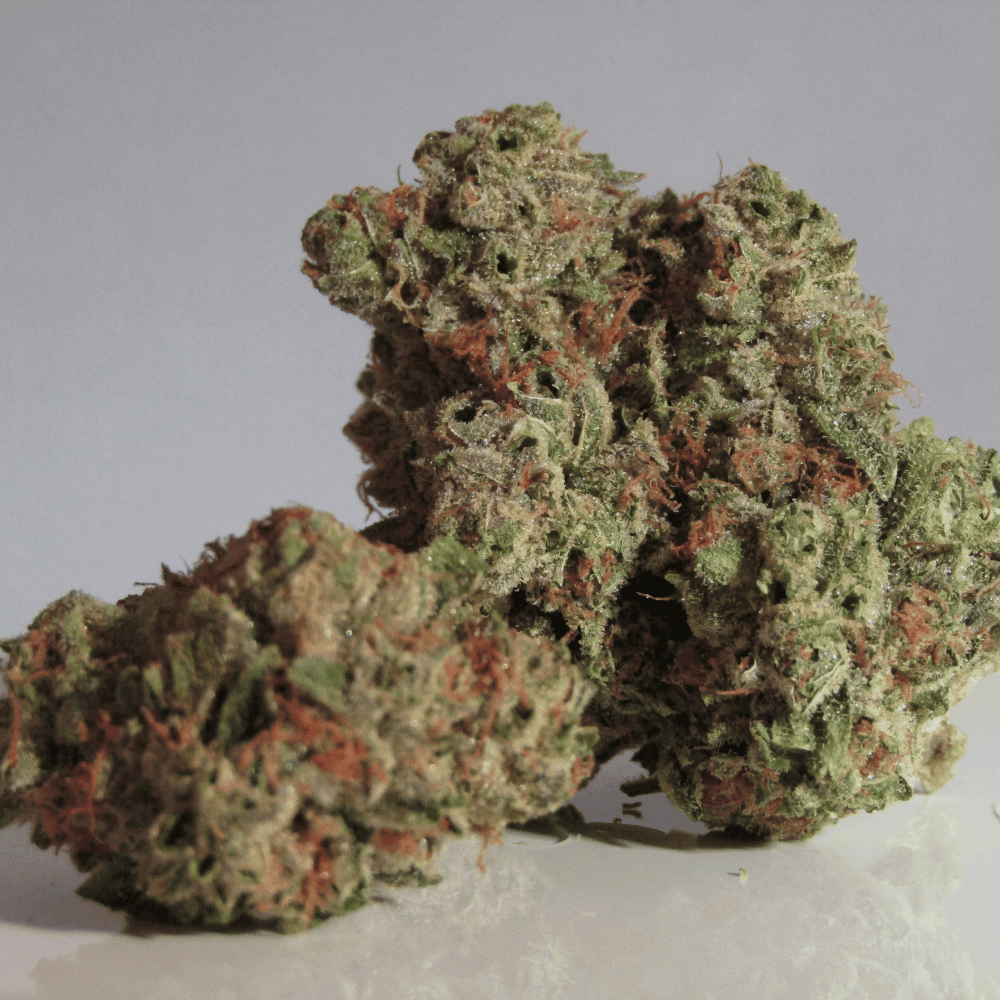
CBG (cannabigerol) is often called the “mother cannabinoid” because the plant uses its acidic form (CBGA) as a precursor to others like THC and CBD as it matures. But in finished products, CBG stands on its own as a non-intoxicating cannabinoid with a very particular reputation.
CBG has become a go-to for people who want benefits without feeling altered. Think:
If CBD is the “exhale,” CBG is more like “open your laptop and do the thing.”
CBG interacts with the endocannabinoid system, and it also appears to interact with other receptor systems beyond CB1 and CB2. Translation: it can feel more “active” or “alerting” than CBD for many users, even though it’s not intoxicating.
People often describe CBG effects as:
Important: those are user-reported patterns, not promises. Your job is to describe, not guarantee.
Delta-8 often sold as “chill but functional.” CBG can deliver the functional part without the “uh-oh” part.
CBG wins because it is:
If you’re building spokes (product pages) off this pillar, CBG fits best in:
Recommend CBG for customers who say things like:
CBG is the adult in the room. Friendly. Competent. Slightly smug about it.
CBC (cannabichromene) is still underrated with mainstream consumers, which is exactly why it’s having a moment. It’s one of the “big” cannabinoids in the plant, but it never got the fame of CBD or THC because it doesn’t intoxicate and it doesn’t have a loud, obvious effect for everyone.
In 2026, that’s a feature, not a bug.
CBC has built strong momentum in two lanes:
If CBG is your daytime brain buddy, CBC is more like your “keep the body from yelling at me” option.
CBC doesn’t bind strongly to CB1 the way THC does, which helps explain why it’s non-intoxicating. It appears to interact more with pathways associated with inflammation and pain signaling, and it’s frequently discussed as a cannabinoid that may work well in an “entourage” context with other cannabinoids. For a deeper understanding of its anti-inflammatory properties, you can refer to this study.
In product terms: CBC is a team player. It often shines when combined with:
A lot of Delta-8 demand was really “I hurt” demand, “I’m stressed” demand, and “I want to relax” demand. People bought Delta-8 because it was accessible and noticeable.
CBC is taking share because it supports the reason people were shopping, without leaning on intoxication.
CBC also fits neatly into a compliance-first world because brands can build:
CBC is having a breakout in:
If you sell skincare, CBC should be on your radar yesterday. Its effectiveness in skin formulations is supported by various studies including one found here.
CBC is a strong fit for customers who say:
CBC is not flashy. It’s effective energy. The “quiet competence” cannabinoid.
CBDa (cannabidiolic acid) is the acidic precursor to CBD found in raw hemp. When hemp is heated over time, CBDa converts to CBD through decarboxylation. That’s why most classic CBD oils are CBD-heavy, not CBDa-heavy.
So why is CBDa popping off in 2026?
Because people love the idea of raw-form cannabinoids, and brands love a cannabinoid story that sounds like it came from the plant, not a lab.
CBDa is commonly positioned for:
The key is that CBDa is not “better CBD.” It’s different. And it’s finally being formulated intentionally, not accidentally.
CBDa interacts differently than CBD because it has that extra carboxyl group. This can change how it behaves in the body and which targets it influences. Consumers often report that CBDa feels:
Again, report the pattern, don’t promise a cure. Be the helpful guide, not the internet doctor.
CBDa takes the opposite approach of Delta-8.
Delta-8: “Feel it immediately. It’s a vibe.” CBDa: “Feel normal. Stay normal. Keep going.”
In a stricter compliance era, CBDa wins because:
CBDa needs careful formulation because heat can convert it to CBD. That means brands often use:
If your CBDa product has been cooked, shipped, and stored like a pizza, don’t be shocked when the CBDa content drops. Treat it like a raw ingredient. Because it is.
CBDa fits customers who say:
CBDa is the wellness minimalist. Clean label. Quiet confidence.
Let’s talk about the elephant in the lab: 0.3% total THC.
As more brands treat total THC compliance as non-negotiable, formulations get simpler. The fewer surprises in testing, the better. CBG, CBC, and CBDa are appealing because they can be built into product lines that aim for:
Are they automatically compliant? No. Don’t get lazy. Compliance is about sourcing, formulation, and testing, not vibes.
But in a post-Delta-8 redefinition world, these cannabinoids are simply easier to build around without stepping on legal rakes.
People shop based on outcomes. Give them language they can actually use.
Repeat it. Repeat it again. Customers remember what you repeat.
If someone asks, “Which one should I buy?” don’t panic. Give them a simple sorting hat:
Pick CBG when the goal is clarity, motivation, and staying productive without feeling wired.
Pick CBC if the goal is inflammation support, topical comfort, or skincare that feels purposeful.
Pick CBDa if the goal is daily balance, minimal processing, and a non-intoxicating routine product.
And if they still can’t decide, suggest blends. People love blends. Blends sell because real life is messy.
Stacking is where these cannabinoids get fun, because they each cover a different “lane.”
Common, sensible pairings brands are using in 2026:
Keep it simple. Clear labels. Clear intent. Nobody wants to solve a riddle at checkout.
If Delta-8 taught the market anything, it’s that the cannabinoid name on the front means nothing without proof on the back.
Tell readers to do this every time:
Do the boring checks. The boring checks save you.
Delta-8 often delivered effects that felt unpredictable across brands and batches. In 2026, consumers want:
CBG, CBC, and CBDa meet that moment. They are naturally occurring. They are easier to position under the 0.3% total THC standard. And they map cleanly to what people actually want: focus, comfort, and daily balance.
Not every product needs to be an adventure.
Delta-8 is getting edged out in 2026 because the market is growing up. Compliance is tighter. Retailers are stricter. Consumers are smarter. So the spotlight is shifting to cannabinoids that are naturally occurring, wellness-friendly, and easier to keep aligned with 0.3% total THC standards.
Here’s the cheat sheet you can actually use:
Repeat it. Label it clearly. Build products with an obvious job. And for the love of COAs, test everything.
Because 2026 shoppers are not just buying cannabinoids. They’re buying confidence.
CBG, CBC, and CBDa are replacing Delta-8 in 2026 due to stricter compliance standards, increased consumer trust demands, and the need for cleaner product formulations. Unlike Delta-8, which often involves chemical isomerization and can trigger retailer bans or consumer confusion, these cannabinoids are naturally occurring in hemp, easier to explain, and more consistently compliant under the 0.3% total THC standard.
Delta-8 faces challenges because it is typically produced through chemical conversion (isomerization) from CBD, raising concerns about byproducts and batch consistency. It often struggles to meet strict 0.3% total THC regulations consistently, leading to retailer bans and platform restrictions despite its popularity. This has made the supply chain and legal logistics uncomfortable for brands and consumers alike.
'Naturally occurring' means these cannabinoids exist directly in the hemp plant without needing chemical conversion from other compounds. This status improves compliance optics by reducing processing concerns, increases retailer acceptance through cleaner labels, and boosts consumer trust by avoiding mystery ingredients or complex formulations.
CBG is known as a non-intoxicating cannabinoid that supports daytime clarity, steady mood, gentle calmness, and focus without jittery energy. It interacts with the endocannabinoid system and other receptors to provide uplifting and clear-headed effects distinct from CBD's more sedating profile. Users often choose CBG for functional benefits without feeling altered.
CBG offers the 'functional' benefits attributed to Delta-8 but without intoxication or regulatory complications. It aligns well with wellness buyers seeking control rather than surprise effects. Its non-intoxicating nature makes it suitable for daytime use while maintaining compliance under the 0.3% THC limit, making it cleaner for brands to position products targeting focus and calmness.
CBG fits best in tinctures for precise daytime dosing; capsules for consistent daily routines; gummies formulated specifically for 'AM' or focus purposes; and blends combining CBG with CBD for balanced calm-with-clarity effects. These formats cater to consumers seeking functional support throughout their day without intoxication.

May 22, 2026 Jenna Renz

May 22, 2026 Jenna Renz

May 22, 2026 Jenna Renz