What Is THCa? How Heat Turns It Into THC (Explained Simply)

Ship to
That single sentence is basically the entire THCa-flower market. It is also why THCa flower can look, smell, and smoke like “regular weed” once you light it, even though it is sold under hemp rules in many places. Let’s keep this simple, accurate, and useful. Cannabis plants do not mostly produce THC by default. They produce THCa, a closely related compound that carries an extra little chemical “tag” (a carboxyl group). That tag matters because it changes how THCa interacts with your body. Here’s the practical takeaway: So when someone asks, “Is THCa basically THC?” the honest answer is: Not at the moment you buy it. Yes at the moment you heat it. Your body has cannabinoid receptors (mainly CB1 and CB2). THC fits CB1 receptors well enough to produce the classic “high.” THCa, because of that extra chemical tag, does not bind the same way. In real-world terms: People love to make this mysterious. It is not mysterious. It is chemistry doing chemistry things. When you apply enough heat, THCa sheds that extra tag. Once that happens, you have THC. This conversion happens fast at “point of use” methods like: So if you have THCa flower that tests high in THCa, and you smoke it, you are effectively creating THC as you go. You are not “unlocking hidden THC.” You are transforming THCa into THC in real time. Repeat it because it matters: Decarb happens at point of use, not point of sale. That is the legal hinge for much of the THCa hemp market. Because once you light it, it is acting like regular weed in the way that matters to your brain: it is generating THC through heat. If two buds look the same, smell the same, and come from similar genetics, the experience can converge quickly when both are smoked. The label might say “THCa,” but your lighter does not care what the label says. That said, the experience is not always identical for everyone, and there are a few reasons. Not every last bit of THCa becomes THC. Some of it can be lost to heat, uneven burning, or degradation. Smoking is messy. Vaping is cleaner but still not perfect. Even if two flowers deliver similar THC, they can feel different due to: So yes, THCa-to-THC is the core story. But no, it is not the only story. If you smoke more, you feel more. If you have a high tolerance, you may chase stronger effects. If you are sensitive, a little can be plenty. Be brave, but be smart. In many jurisdictions, hemp is regulated by Delta-9 THC limits at the time of testing and sale. THCa flower exists in the space created by how “THC” is defined and measured for compliance. Here’s the simplest way to understand the market logic: Again, say it with feeling: Point of sale vs point of use. That distinction is the whole chessboard. You asked for a clear flag, so here it is. Content note and compliance caution: A federal change is scheduled to matter here. Public Law 119-37 (effective Nov 12, 2026) redefines “total THC” federally to count THCa toward THC. That means the legal logic that depends on “THCa not counting the same as THC” may be reduced or eliminated at the federal level. If you sell, market, or rely on THCa flower legality, review and update this information well before Nov 12, 2026. Do not sleepwalk into a compliance problem. Also, state laws vary now and will continue to vary. Some states already treat THCa as part of total THC. Others focus on Delta-9. Some ban or restrict intoxicating hemp products broadly. So do the boring thing: check your state rules. Boring saves money. THCa is natural. It is produced by the cannabis plant as part of its normal chemistry. But the market can be messy, so let’s separate three different ideas people mash together: Natural THCa flower is a real thing. Infused products are also a real thing. The difference is transparency and quality control. If you care about safety and consistency, look for: Act weird? Walk away. Your lungs are not a donation box. If you heat THCa and convert it into THC, you are introducing THC into your body. Most drug tests are looking for THC metabolites (like THC-COOH), not “THCa” specifically. Practical answer: Yes, THCa flower can absolutely lead to a positive THC drug test. If your job is strict, do not play semantic games with your paycheck. Not quite. The legality depends on how THC is defined and measured where you are, and on what the lab report says at the time of sale. The effects after heating can resemble THC cannabis, but “legal” is not a feeling. It is a statute. If you do not heat it, many people won’t feel intoxicated. If you smoke or vape it, you can feel very intoxicated. The lighter is the plot twist. THCa is naturally produced in the plant. Some products may add THCa concentrates to flower, but that does not make the molecule itself “fake.” It just means the product might be processed. No. Potency, conversion, terpenes, freshness, and cultivation quality vary a lot. There is great THCa flower and there is “why does this taste like a tire fire?” THCa flower. Choose wisely. You do not need a chemistry degree. You just need to understand that outcomes vary. Key factors include: A quick, hot burn can convert THCa rapidly, but it can also destroy cannabinoids and terpenes. A more controlled heat (like a decent dry herb vape) often preserves more flavor and can feel smoother. A joint burns from one end. A bowl can burn unevenly. A vape heats more evenly. Uneven heating means uneven conversion and uneven dosing. Translation: surprise highs. Old, poorly stored flower can lose aroma and potency over time. Exposure to heat, light, and oxygen can degrade cannabinoids. Store it properly if you want it to hit like it should. People ask this because they see lab reports with big THCa numbers and small Delta-9 numbers, and it looks like a loophole power-up. Reality check: But “stronger” is not a guaranteed label. It depends on how much THC is actually delivered to you, and that depends on product quality and how you consume it. If you want a practical approach: treat high-THCa flower like high-THC flower once you plan to smoke or vape it. Dose like an adult. Use this script: “THCa is what cannabis naturally makes. It is mostly not intoxicating until you heat it. When you smoke or vape it, THCa turns into THC, which is the part that gets you high. That conversion at use is why THCa flower can be sold as hemp in some places but still feel like regular weed once you light it.” Then stop talking and let them process it. People love to argue with chemistry. Chemistry does not argue back. In any case, always remember the importance of harm reduction principles. If you remember nothing else, remember this: THCa is the unlit promise. THC is the lit reality. THCa (tetrahydrocannabinolic acid) is the non-psychoactive precursor to THC found naturally in raw cannabis and hemp flower. It carries an extra chemical 'tag' (a carboxyl group) that prevents it from binding effectively to cannabinoid receptors in the body, so it does not cause intoxication until heated. THCa cannot bind properly to CB1 receptors in the brain due to its extra chemical tag, so it does not produce the classic psychoactive effects. When heated through smoking, vaping, or cooking, THCa undergoes decarboxylation—losing that tag—and converts into THC, which then binds to receptors and produces intoxication. Applying sufficient heat causes THCa to shed its carboxyl group in a process called decarboxylation. This chemical change transforms THCa into THC rapidly at the point of use—such as lighting a joint or vaping—enabling the intoxicating effects associated with THC. When THCa-rich flower is lit or vaped, heat converts much of the THCa into THC in real time. Because the resulting THC interacts with your brain similarly to traditional cannabis, the experience can closely resemble smoking regular weed. However, factors like incomplete conversion, other cannabinoids and terpenes, and individual tolerance can influence effects. Many jurisdictions regulate hemp based on Delta-9 THC levels at the time of testing and sale. Since raw flower can be high in THCa but low in Delta-9 THC on lab reports, it may legally qualify as hemp. However, upon heating during use, THCa converts to intoxicating THC. This distinction between point of sale and point of use underpins much of the THCa hemp market's legal complexity. Yes. Public Law 119-37, effective November 12, 2026, redefines "total THC" federally to include THCa alongside Delta-9 THC. This means that after this date, THCa will count toward total THC limits for compliance purposes. Sellers and consumers should monitor state laws and update their practices accordingly to avoid compliance issues.la/shop/trait/cannabinoids/thca?skip=0&limit=12&searchTerm=" rel="noopener noreferrer" target="_blank" style="background-color: transparent; color: rgb(145, 27, 164);">THCa is the “not-yet-psychoactive” form of THC that naturally exists in raw cannabis and hemp flower, and heat is the switch that turns it into the THC people actually feel.What THCa actually is (in plain English)
Why THCa doesn’t feel like THC until you heat it
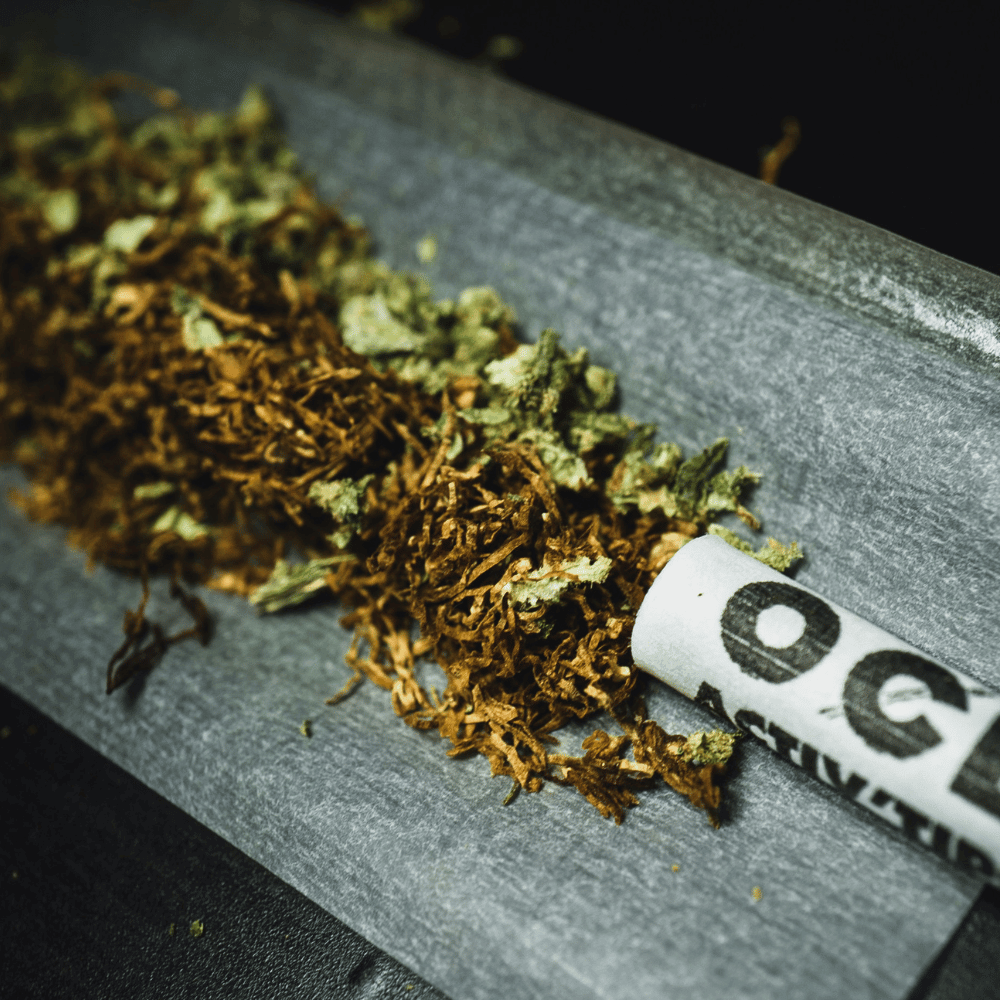
Heat is the whole trick: how THCa becomes THC
“Why does THCa flower feel like regular weed?”
1) Conversion is real, but it’s not always 100%
2) Other cannabinoids and terpenes still steer the vibe
3) Your tolerance and dose are still the boss
The legal “why” behind THCa flower (and why it’s controversial)
Important legal caution: the federal definition can change
Is THCa natural, or is it “sprayed”?
Will THCa show up on a drug test?
Common misconceptions (quick and ruthless)
“THCa is legal THC.”
“THCa won’t get you high.”
“THCa is synthetic.”
“All THCa flower is the same.”
What affects how much THC you actually get after heating?
Heat intensity and duration
How evenly the flower heats
Storage and age
Your method of consumption
So… is THCa “stronger” than THC?
Safety notes you should not skip
The simplest way to explain THCa to a friend
Quick recap (because repetition works)
FAQs (Frequently Asked Questions)
What is THCa and how does it differ from THC?
Why doesn’t THCa produce a high until it is heated?
How does heat convert THCa into THC?
Why does THCa flower feel like regular cannabis when smoked?
What is the legal significance of THCa flower under hemp regulations?
Are there upcoming legal changes affecting how THCa is regulated?

Jun 22, 2026 Jenna Renz

Jun 22, 2026 Jenna Renz

Jun 22, 2026 Jenna Renz