Can You Drink Alcohol on Shrooms? Risks, Effects & What You Should Know

Ship to
Many people enjoy exploring altered states of consciousness through various substances, but a common question arises when discussing psychedelics: Can you drink alcohol on shrooms?
Magic mushrooms, or psilocybin mushrooms, offer a unique and often transformative experience, while alcohol is a widely consumed social lubricant.
In this blog, we’ll explore the interplay between magic mushrooms and alcohol, including what happens when you combine the two, the potential risks involved, and the best practices for safe use. With an increasing interest in both psychedelics and alcohol, understanding their interactions is more important than ever.
So, let’s dive into the effects of drinking alcohol while on shrooms and why you might want to think twice before mixing them!
To understand the implications of combining alcohol and magic mushrooms, it’s essential to know how psilocybin works in the body.
When ingested, psilocybin is converted into psilocin, a compound that interacts with serotonin receptors in the brain, particularly the 5-HT2A receptors. This interaction leads to various psychological effects, including alterations in perception, mood, and cognition.
Some common effects of psilocybin include:
The effects of psilocybin typically last between 4 to 6 hours, with the peak experience occurring around 2 to 3 hours after ingestion. However, individual experiences can vary greatly based on factors like dosage, individual tolerance, and the specific strain of mushrooms consumed.
While magic mushrooms have a unique effect on the brain, alcohol functions quite differently. As a depressant, alcohol primarily affects the central nervous system. It enhances the activity of the neurotransmitter GABA, leading to a calming effect.
Additionally, alcohol increases the release of dopamine, which contributes to feelings of pleasure and reward.
When consumed, alcohol can produce a variety of short-term effects, such as:
Excessive or chronic alcohol consumption can lead to several long-term health issues, including:
Understanding the effects of both psilocybin and alcohol is crucial when considering whether to mix the two substances.
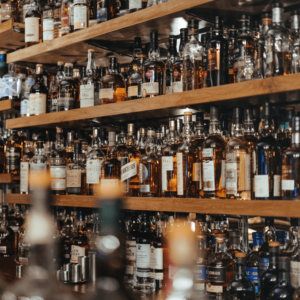
Mixing shrooms and alcohol can lead to a complex interplay of effects due to their differing actions on the brain. The primary concern when mixing these substances is the conflicting nature of their effects—alcohol as a depressant and psilocybin as a psychedelic.
When consumed together, alcohol can dull the intensity of a psilocybin experience. Users may find that the euphoria and introspection typically associated with magic mushrooms are blunted or overshadowed by alcohol’s sedative effects.
Additionally, alcohol may lead to:
A significant risk of mixing alcohol and shrooms is the potential for a bad trip.
Alcohol’s mind-numbing effects can exacerbate feelings of fear or paranoia during a psychedelic experience. Users may find themselves spiraling into negative thought patterns or experiencing intense anxiety, leading to a more challenging and distressing experience overall.
Mixing alcohol and magic mushrooms can present several psychological and emotional risks that users should be aware of. While both substances can be enjoyable on their own, combining them can lead to unpredictable outcomes.
Alcohol often lowers inhibitions, which can lead to more intense emotional swings while on a mushroom trip. Users may find themselves oscillating between euphoric highs and deep lows, increasing the likelihood of experiencing anxiety or panic attacks.
The disorienting effects of alcohol can make it more challenging to ground oneself during a psychedelic experience. When combined, the likelihood of having a bad trip increases significantly. Symptoms may include:
Mixing alcohol and shrooms can also lead to memory loss and disassociation.
The combination may impair your ability to recall events during the trip, making it challenging to integrate the experience afterward. Users may struggle to differentiate between hallucination and reality, resulting in confusion and disconnection from their surroundings.
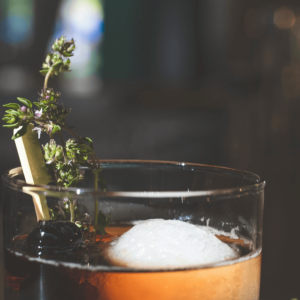
In addition to psychological risks, combining alcohol with psilocybin can lead to several physical health concerns. Both substances affect the body, and their combined effects can create a precarious situation.
Both alcohol and magic mushrooms can cause dehydration and nausea. Alcohol is known to be dehydrating, and when combined with mushrooms—especially those that can also induce nausea—users may experience more severe gastrointestinal discomfort. Staying hydrated is crucial, but alcohol does the opposite, increasing the likelihood of feeling unwell.
The impairment of coordination and perception caused by mixing alcohol and shrooms raises the risk of accidents and injuries. Users may find themselves more susceptible to falls or other physical mishaps due to their diminished motor skills and cognitive function. Being under the influence of both substances can significantly increase the chance of engaging in reckless behavior.
Combining alcohol and mushrooms can heighten the risk of vomiting, particularly if the user consumes a significant amount of either substance. The chance of alcohol poisoning also becomes more pronounced when alcohol is consumed heavily while under the influence of shrooms, as users may not be fully aware of their limits or the amount they are consuming.
One question that often arises is whether alcohol can lessen the effects of magic mushrooms. While alcohol might seem like a way to calm a psychedelic experience, it often dulls the intensity rather than enhances it.
Some users report that consuming alcohol before or during a mushroom trip can lead to a blunted psychedelic experience. This occurs because alcohol’s depressant effects can interfere with the activation of serotonin receptors by psilocybin. As a result, the profound insights and heightened perceptions typically associated with magic mushrooms may become muted or diminished.
The interaction between alcohol and psilocybin can create a competing effect in the brain, where the calming and sedative qualities of alcohol overshadow the stimulating and enlightening aspects of psilocybin. This can lead to an overall experience that feels less meaningful and impactful, prompting some users to question whether mixing the two is worth it.
It’s essential to note that the extent of this blunted experience can vary based on the dose of alcohol consumed. Small amounts of alcohol may have little effect on the trip, while higher quantities can significantly reduce the intensity of psilocybin’s effects.
Users may find themselves feeling less connected to the experience and less able to access the insights often gained from magic mushrooms.
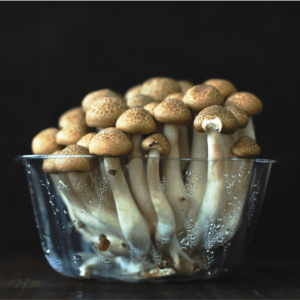
Another common query is whether drinking alcohol before or after consuming magic mushrooms can influence the trip’s outcome. The timing of alcohol consumption can impact the overall experience, often leading to less-than-ideal results.
Consuming alcohol before taking mushrooms may lead to several undesirable effects, such as:
Some users may turn to alcohol after their psychedelic experience to unwind, but this approach has its pitfalls as well. Consider the following:
Instead of alcohol, consider healthier alternatives for unwinding after a mushroom trip, such as:
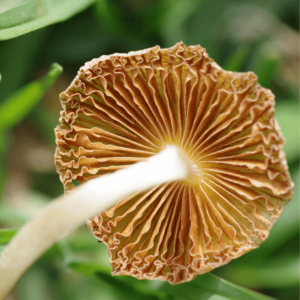
Microdosing—taking sub-perceptual doses of psilocybin—has gained popularity among individuals seeking enhanced mood, creativity, or focus without the intense effects of a full trip. However, the question remains: Can you drink alcohol while microdosing mushrooms?
Microdosing typically involves consuming about 1/10th to 1/20th of a typical dose of psilocybin. Users report benefits such as:
Drinking alcohol while microdosing can counteract some of the benefits associated with psilocybin. Here’s how:
For optimal results while microdosing, it is generally recommended to avoid alcohol altogether. Instead, consider exploring alternative methods for enhancing your experience, such as engaging in creative pursuits, practicing mindfulness, or enjoying nature.
If you’re seeking social enjoyment without the potential pitfalls of mixing alcohol and shrooms, there are many safe alternatives. Engaging in activities that promote relaxation and connection without compromising safety is essential.
Consider sipping on delicious non-alcoholic beverages during your psychedelic experience:
Some users find that cannabis can enhance their psychedelic experience. However, this approach also carries its own risks, as combining cannabis with psilocybin can lead to heightened anxiety or paranoia in some individuals. If you choose this route, proceed with caution and know your tolerance levels.
There are numerous ways to enjoy a psychedelic experience in a social setting without relying on alcohol. Consider the following:
In summary, mixing alcohol with magic mushrooms has its risks, both psychologically and physically. The potential for heightened anxiety, increased disorientation, and an overall diminished experience raises significant concerns. Users should carefully consider the implications before combining these substances.
Ultimately, the best approach is to enjoy magic mushrooms in their purest form, allowing for a profound and enlightening experience. If you choose to drink alcohol, consider doing so during separate occasions to fully appreciate each substance’s unique effects.
As psychedelics continue to gain acceptance and popularity, it’s essential to approach their use responsibly and thoughtfully. Remember that informed decision-making and harm reduction practices can help guarantee a safer and more enjoyable journey into the world of psychedelics, especially for those prone to drug abuse.
So, before you raise that glass while on shrooms, take a moment to reflect on the potential risks and rewards. Making the right choice could lead to a far more meaningful and transformative experience. And finally, if you struggle with addiction, please seek substance abuse treatment.

Jun 22, 2026 Jenna Renz

Jun 22, 2026 Jenna Renz

Jun 22, 2026 Jenna Renz