Can You Smoke Hemp? Everything You Need to Know

Ship to
Hemp, a variety of cannabis sativa, has been around for centuries.
One of the more intriguing uses of the hemp plant is smoking it. Whether you’ve heard about smoking hemp as an alternative to marijuana or just want to know if it’s a viable option for you, this comprehensive guide will answer all your questions and more.
In this blog, we’ll answer the question: can you smoke hemp by exploring everything from the basics of hemp, its effects when smoked, and how it compares to smoking marijuana, to the benefits and risks.
By the end of this article, you’ll have all the information you need to make an informed decision about smoking hemp plants.
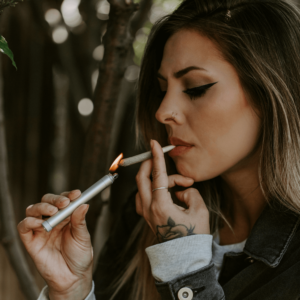
Hemp is a versatile plant that’s part of the cannabis family but is distinct from marijuana. Though both hemp and marijuana come from the same cannabis plant species (Cannabis sativa), there are key differences in their chemical composition and use.
Hemp is primarily cultivated for its fibers, seeds, and cannabinoids, including CBD (cannabidiol) and a trace amount of THC (tetrahydrocannabinol). It has less than 0.3% THC, which is far below the amount found in marijuana. This low THC content means hemp won’t get you “high,” but it still offers potential benefits due to its other cannabinoids like CBD, CBG, and CBN.
Historically, hemp has been used for textiles, paper, and ropes, but in recent years, the wellness industry has embraced hemp for its potential health benefits. With the rise of CBD products, hemp has become popular in everything from oils and tinctures to edibles, and now people are even considering smoking it. But… the question remains: can you smoke hemp?
Yes, you can absolutely smoke hemp, and many people are choosing to do so. Smoking hemp flower involves actually inhaling the smoke of hemp flowers, which contain a variety of cannabinoids, including CBD, and very low amounts of THC.
When you consume smokable hemp, the cannabinoids enter your bloodstream through your lungs, providing relatively fast effects. Hemp is sold in pre-rolled joints, loose flowers, and vape forms. Unlike marijuana, hemp won’t cause a high in its raw form, but it may provide some beneficial effects, such as relaxation, stress relief, and mild mood enhancement.
It’s important to note that the legal status of hemp smoking depends on your location. In the U.S., hemp became federally legal under the2018 Farm Bill , as long as it contains no more than 0.3% THC. However, individual states may have their own laws, so it’s essential to verify the regulations where you live.
So, yes you can smoke hemp. But while smoking hemp might not be as common as smoking tobacco or marijuana, there are several benefits that have made it an appealing option for many people. Here’s a look at some of the primary reasons why individuals choose to smoke hemp:
Many people turn to hemp for its calming effects. While it won’t get you high, smoking hemp can produce a sense of relaxation and peace, helping to reduce feelings of anxiety and stress.
Smoking CBD, one of the primary cannabinoids in hemp, has been studied for its potential to alleviate anxiety and promote a balanced mood. Smoking hemp allows for rapid absorption of CBD, delivering near-instant relaxation.
Unlike marijuana, hemp contains very little THC, the compound responsible for producing the “high” typically associated with cannabis use.
Therefore, smoking hemp won’t leave you feeling intoxicated or impaired, making it an appealing option for people who want the benefits of cannabinoids without the psychoactive effects of marijuana.
For people who are trying to quit smoking tobacco or want an alternative, hemp can provide a satisfying option.
Since hemp is free from nicotine, it doesn’t carry the same addictive properties as tobacco. It can serve as a healthier alternative for people who miss the ritual of smoking but want to avoid the harmful chemicals found in traditional cigarettes.
While more research is needed, these potential benefits make hemp smoking an attractive option for wellness-conscious individuals.

Smoking any plant material, including hemp plant material, involves inhaling smoke into your lungs. While the effects are quick, there are some important considerations when it comes to how hemp smoking impacts the body.
When you inhale hemp smoke, the cannabinoids are absorbed directly into your bloodstream through your lungs. This allows for rapid onset of effects, which is one of the reasons people choose to smoke hemp.
The effects can usually be felt within minutes, with a calming, relaxing sensation spreading throughout the body.
Smoking hemp typically leads to feelings of relaxation and calmness. People often report feeling less stressed or anxious. Since the THC content in hemp is so low, you won’t experience the intense high that comes with smoking marijuana, but you may feel a mild sense of euphoria or mental clarity.
Although smoking hemp is generally considered safer than smoking marijuana or tobacco due to its low THC content, long-term effects should still be considered. Smoking any plant material can potentially cause lung irritation, coughing, or increased mucus production.
If you plan to smoke hemp regularly, it might be worth considering alternative methods of consumption, like vaping or edibles.
Can you smoke hemp? Yes, but the legal status of smoking hemp depends on where you live. Luckily in the U.S., hemp is legal at the federal level. The 2018 Farm Bill legalized hemp production and consumption as long as it contains no more than 0.3% THC.
However, individual states may have their own laws and regulations about hemp, including whether or not it can be smoked. Some states have stricter regulations or may not permit smoking hemp at all, so it’s essential to check local laws before purchasing hemp-derived products.
In other countries, the legality of hemp varies. While hemp is legal in many places, some countries still prohibit its use. Always check your local regulations to ensure you are compliant with the law.
Though both hemp and marijuana come from the same plant species (Cannabis sativa), there are significant differences between the two. These differences affect not only how they are cultivated and used but also how they affect the body when smoked.
The most significant difference between hemp and marijuana is the amount of THC present. Hemp contains less than 0.3% THC, while marijuana typically contains much higher amounts, ranging from 10% to 30% THC.
This difference means that smoking hemp will not cause the psychoactive effects associated with marijuana.
Marijuana is known for its high THC content, which produces the intoxicating high that many people seek. Hemp, however, won’t produce a high, which is why it’s appealing to those who want the benefits of cannabis without the associated psychoactive effects.
While marijuana is typically smoked for recreational or medicinal purposes, hemp is mostly used for its industrial applications, like making textiles, paper, and oils. In recent years, hemp has gained popularity in the wellness industry for its potential benefits, especially in the form of CBD.

If you’ve decided to give smoking hemp a try, there are several ways to do so. Below are the most popular methods:
Pre-Rolls: Pre-rolled hemp joints are convenient and easy to use. They come ready to smoke, making them an ideal choice for beginners. Just light up, inhale, and enjoy.
Loose Flower: If you prefer to roll your own, buying loose CBD hemp flower allows you to customize the size and potency of your joint. This method requires a bit more effort, but it’s also cost-effective and gives you more control over your hemp experience.
Vaping Hemp: Vaping has become an increasingly popular alternative to smoking. It involves using a vaporizer to heat hemp flowers to a temperature that releases cannabinoids without combustion. Vaping is considered less harmful to your lungs than smoking, as it produces fewer toxins.
Pipes and Bongs: For those who want an alternative to joints, smoking hemp in a pipe or bong is another popular option. Pipes and bongs provide smoother hits, and they also allow for the use of hemp flower without having to roll it.
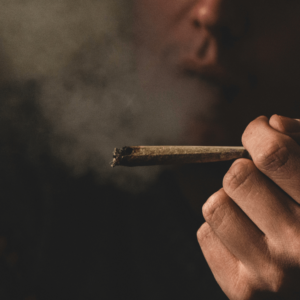
The flavor of hemp smoke varies depending on the strain, but most people describe it as earthy, grassy, or herbal. Some strains have a more aromatic profile with floral or citrus notes. The taste may not be as potent or flavorful as marijuana, but hemp still provides a satisfying experience for those who enjoy smoking plant-based material.
While smoking hemp has its benefits, it’s important to be aware of the risks associated with inhaling any kind of smoke. These include:
When comparing smoking hemp to smoking marijuana, there are a few key factors to consider. Since hemp contains little to no THC, it won’t produce the euphoric effects associated with marijuana. This makes hemp a potentially safer option for those who don’t want the psychoactive effects but still want the potential wellness benefits of cannabinoids like CBD.
While smoking hemp may be better for those avoiding the intoxicating effects of marijuana, it’s important to note that both types of smoking carry risks to lung health.
If you’re looking for alternatives to smoking hemp, there are several options that may offer similar benefits:
When it comes to choosing hemp to smoke, quality matters. Look for hemp that’s been grown organically, free of pesticides and harmful chemicals. Here are some factors to keep in mind:
Ultimately, whether or not smoking hemp is right for you depends on your personal preferences and health goals. If you’re looking for relaxation, stress relief, and a natural alternative to tobacco or marijuana, hemp might be worth exploring.
However, as with any form of smoking, it’s essential to consider the potential risks to your lungs and overall health. If smoking isn’t for you, consider other methods like vaping, edibles, or topicals.
No matter your choice, always ensure you’re purchasing hemp from reputable sources and comply with local laws. If you’re uncertain, it’s always a good idea to consult with a healthcare professional before adding hemp or any cannabinoid-based product to your routine.

Jun 22, 2026 Jenna Renz

Jun 22, 2026 Jenna Renz

Jun 22, 2026 Jenna Renz