Cannabinoids Distillation: A Deep Dive into the Process That Powers Pure Cannabis Extracts

Ship to
The cannabis industry has seen a massive evolution in recent years, and at the heart of this transformation lies one of the most fascinating and misunderstood processes: cannabinoids distillation.
Let’s break it down step-by-step, exploring how the distillation process works, the science behind it, and why it’s critical for producing high-purity cannabis oil.
In simple terms, cannabinoids distillation is a refinement process used to isolate specific cannabinoids like THC or CBD from a cannabis extract. Unlike more rudimentary extraction methods, which pull a broad spectrum of plant compounds from the raw cannabis plant, distillation allows for precision.
Think of it like purifying gold. You’re separating the valuable material (the desired cannabinoid) from everything else: waxes, solvents, terpenes, and other plant compounds. The result? A highly refined cannabis distillate—a golden, translucent oil with unmatched potency and consistency.
The goal of extracting cannabinoids isn’t just about potency—it’s about control. Whether you’re formulating vape cartridges, capsules, or edibles, you want consistency in every drop. That’s where distillation comes in.
Distillation helps eliminate residual solvents, lipids, chlorophyll, and other impurities that are often present in the crude extract. The result is a clean, potent, odorless, and flavor-neutral oil that’s ideal for formulation. It also provides better temperature control, precise dosage, and high levels of cannabinoids and terpenes, especially when reintroduced after the distillation phase.
Before we distill, we start with a crude oil or crude extract, typically obtained via extraction methods like ethanol or carbon dioxide (CO2) extraction. This starting material is dark, sticky, and packed with a mixture of plant material, cannabinoids, and unwanted compounds.
In contrast, a cannabis distillate is a clear, viscous oil that contains almost nothing but the desired cannabinoid in its liquid form. While crude retains the full cannabis plant profile (including fats, waxes, and chlorophyll), distillate is stripped down to its essential, potent form—usually 85–95% pure.
So how does the distillation process actually work?
It all comes down to chemistry—specifically boiling points. Every compound in the cannabis concentrate has a unique boiling point, the temperature at which it vaporizes. By using fractional distillation, we can exploit these differences to separate and isolate cannabinoids.
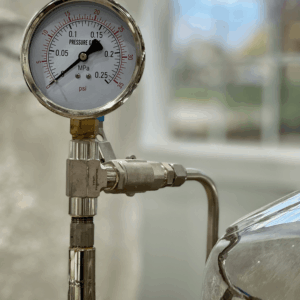
But there’s a twist: many cannabinoids degrade under high heat. To protect them, we apply vacuum pressure, lowering the pressure inside the system and thus reducing the required boiling temperatures. This allows for precise control and prevents damage to the cannabinoids.
There are multiple distillation methods used in the cannabis space, but the two most popular are:
There are also advanced techniques like molecular distillation and falling film distillation, but those are typically reserved for pharmaceutical-grade production.
The full cannabinoids distillation workflow includes several pre- and post-processing steps:
This process turns a murky, sticky crude oil into a light-colored, transparent refined oil ready for use.
Distillation doesn’t happen in your average kitchen setup. Here’s a rundown of the specialized distillation equipment used:
Every piece plays a crucial role in separating and purifying the cannabinoid content.
You’re not just limited to THC distillate or CBD distillate. Many cannabinoids can be isolated using this method:
Each requires slightly different temperature control and pressure settings, but with the right setup, even rare or minor cannabinoids can be targeted.
Most terpenes are volatile and have lower boiling points than cannabinoids, making them difficult to preserve during the distillation process. As a result, they’re usually stripped out early.
However, producers often capture these compounds during early distillation fractions and reintroduce them later into the final product to restore aroma and enhance the entourage effect—that synergistic interaction between cannabinoids and terpenes.
Thanks to their high potency, flavor neutrality, and liquid form, cannabis distillates are a favorite across the industry:
The clean profile and high doses offered by distillates make them ideal for patients and recreational users alike.
Pros:
Cons:
While not for everyone, they’re a cornerstone of modern cannabis concentrate production.
There’s an ongoing debate in the cannabis community: distillate or full-spectrum?
Full-spectrum products include all plant compounds, giving users a rich, more “natural” experience. However, these products may vary in potency and taste from batch to batch.
On the other hand, cannabis distillate is incredibly consistent, potent, and easy to integrate into formulated products. It’s perfect for those looking for maximum cannabinoid content without the grassy taste of plant material.
As the cannabis industry continues to innovate, so does the science behind cannabinoids distillation. We’re already seeing shifts toward:
As consumer demand for cleaner, more targeted cannabis products rises, cannabinoids distillation is evolving to meet the challenge.
In a space where quality, consistency, and potency matter, cannabinoids distillation is one of the most powerful tools in the cannabis producer’s toolkit. By understanding the science, equipment, and benefits of this refinement process, you’re one step closer to appreciating the complex journey your cannabis oil takes from plant material to final product.
Whether you’re a curious consumer, a budding extractor, or just love geeking out on cannabis tech, the art of distillation is as fascinating as it is essential.

Jun 22, 2026 Jenna Renz

Jun 22, 2026 Jenna Renz

Jun 22, 2026 Jenna Renz