CBD Distillate: What It Is, How It’s Made, and Why It’s So Popular

Ship to
If you’ve spent any time exploring the world of CBD, you’ve likely come across terms like “full-spectrum,” “broad-spectrum,” and “isolate.
Whether you’re a curious first-timer or a seasoned consumer, understanding CBD distillate can help you make better, more informed choices about your wellness routine. In this blog, we’re breaking down everything you need to know about CBD distillate—from how it’s made to why it’s such a standout in the cannabinoid space.
CBD distillate is a refined, high-purity extract derived from hemp that contains a concentrated dose of cannabidiol (CBD), typically ranging between 80% to 90%. Unlike CBD isolate, which is pure CBD and nothing else, distillate often retains trace amounts of minor cannabinoids like CBG and CBC, as well as a few beneficial terpenes depending on the processing method. However, it’s far more refined than full-spectrum oil, which includes the full array of plant compounds—including up to 0.3% THC.
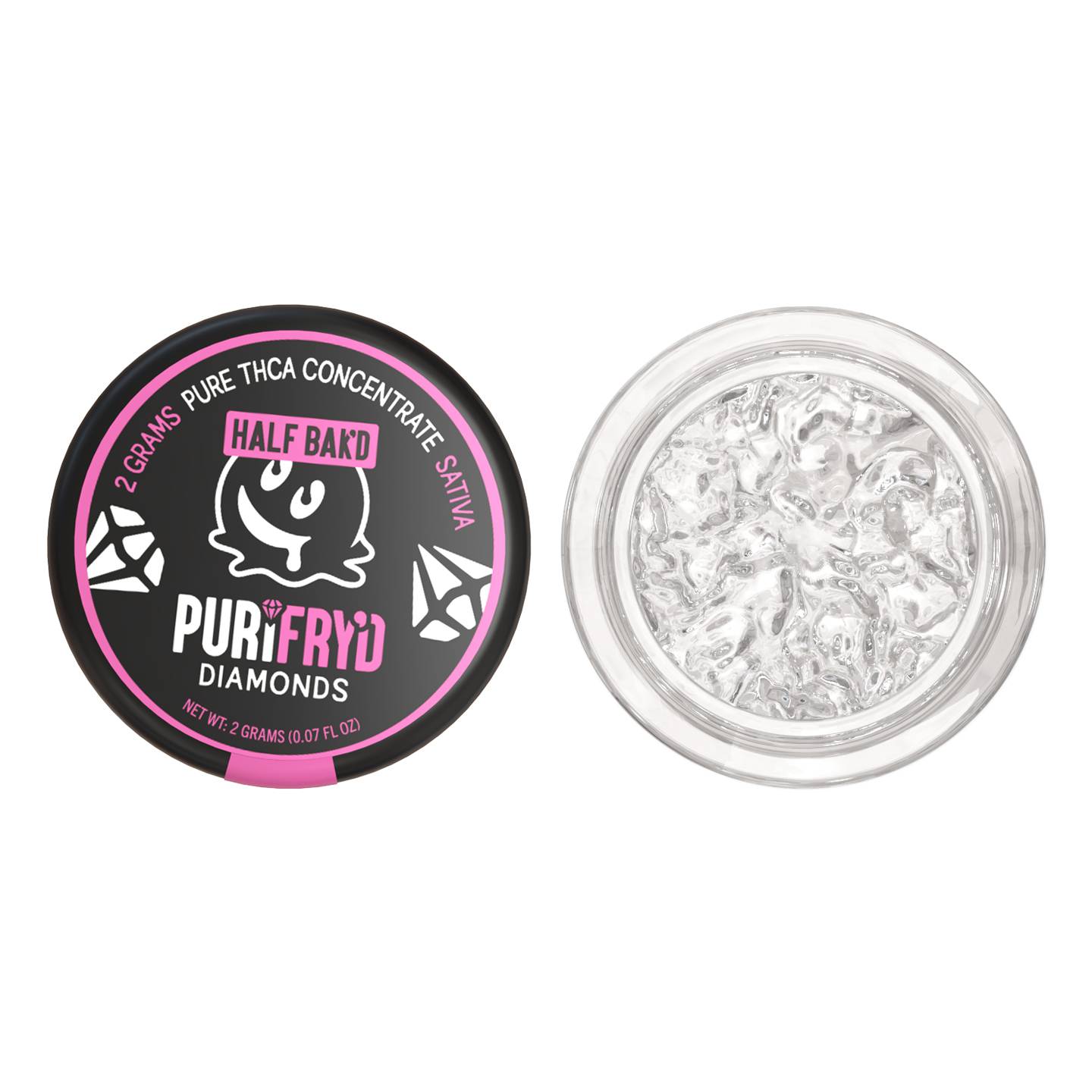
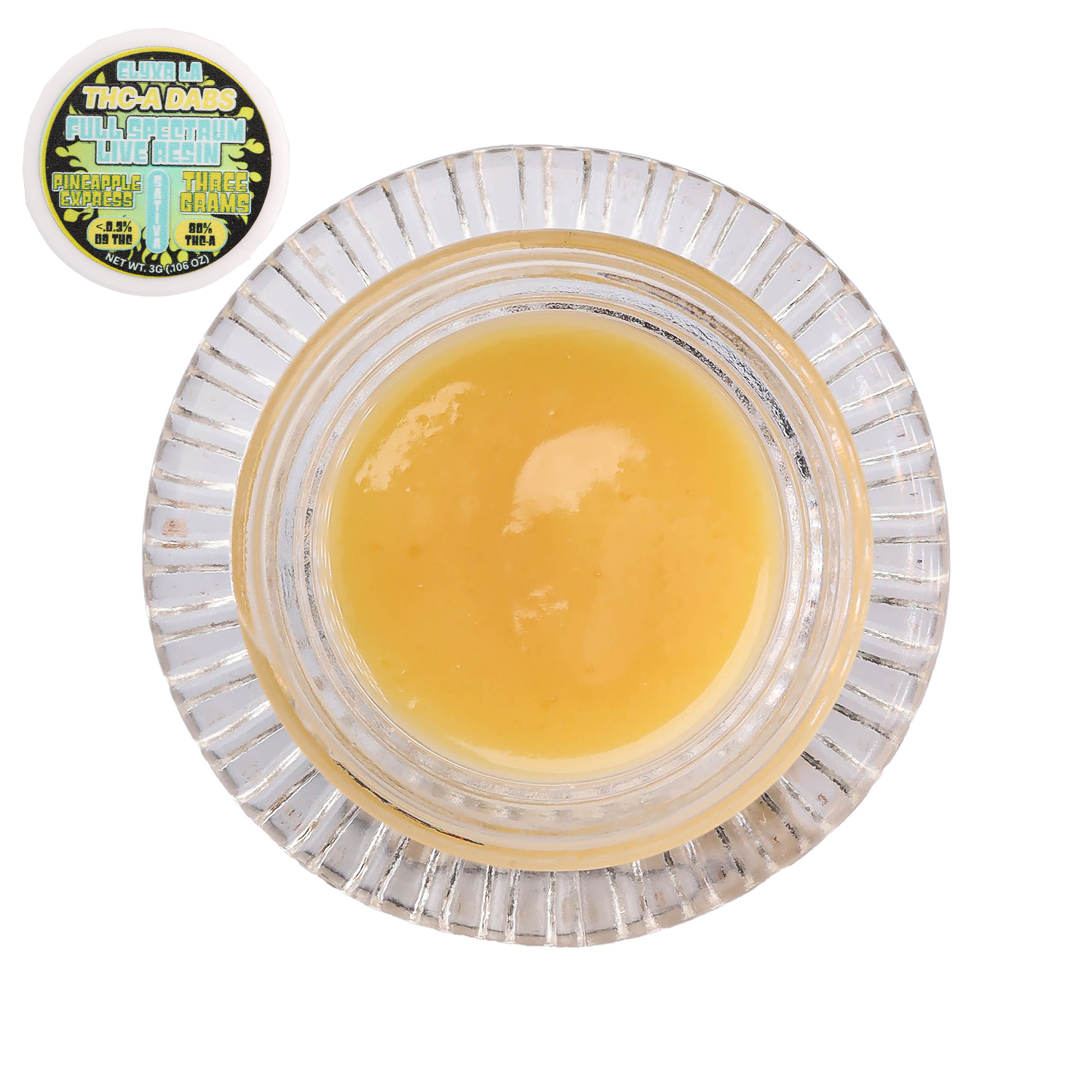
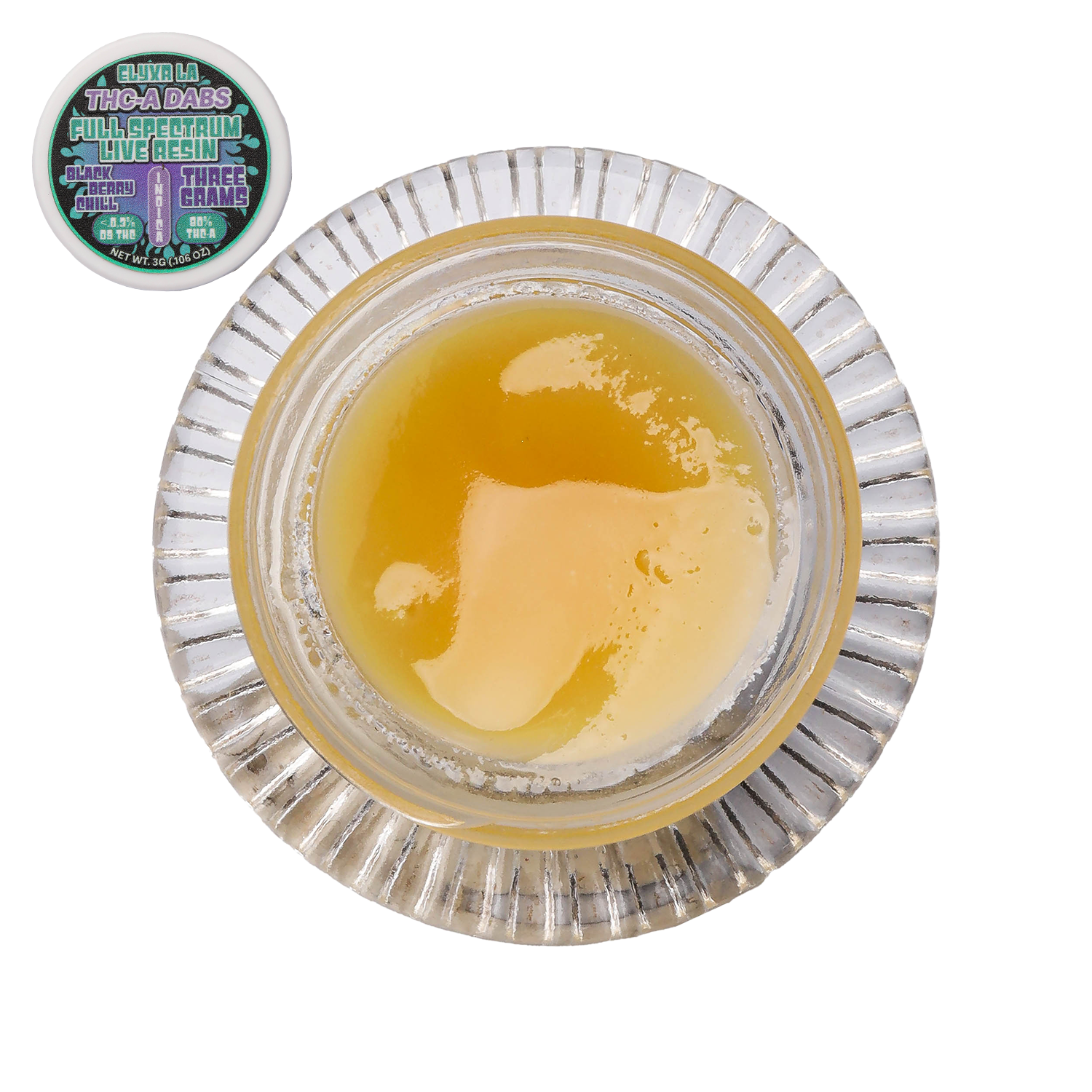
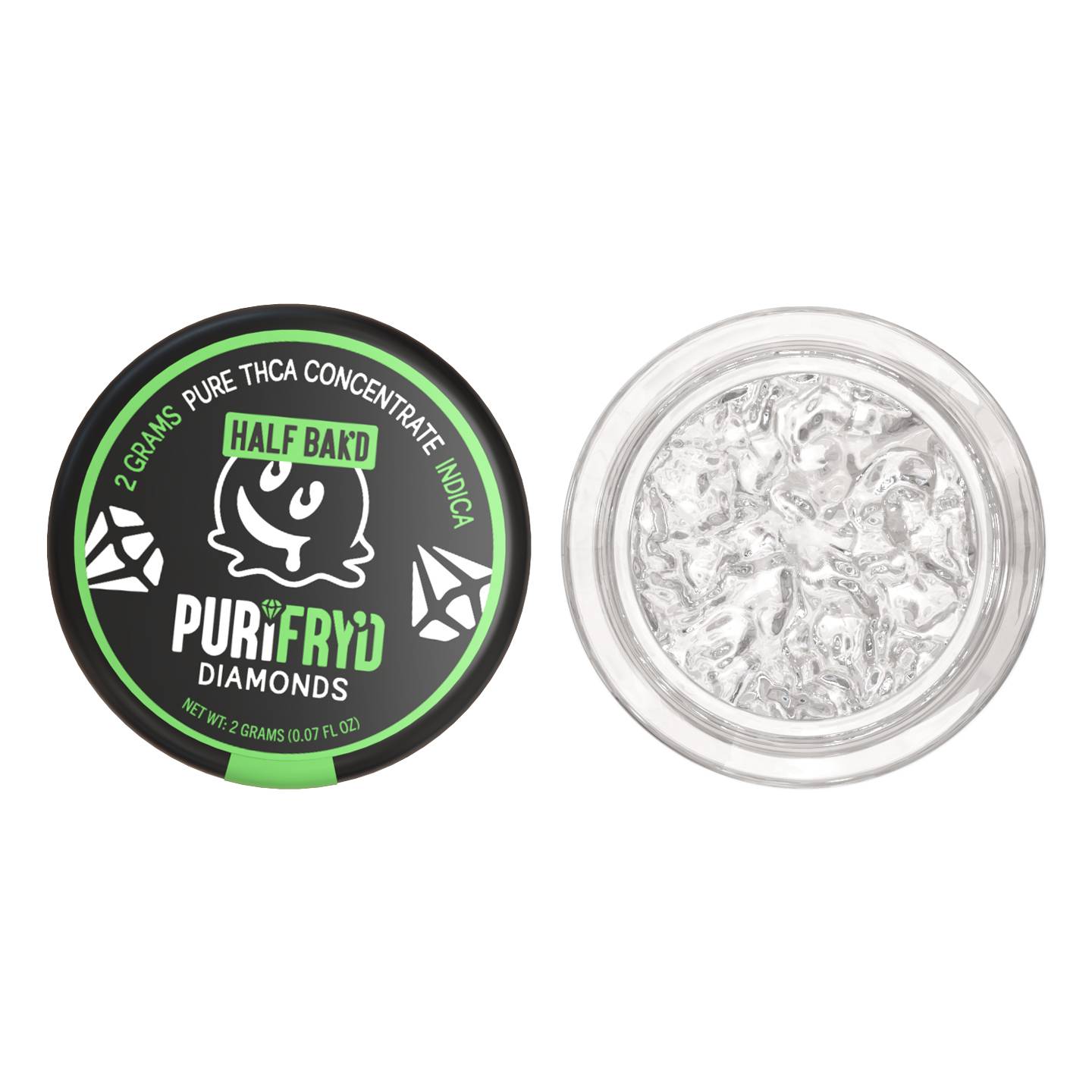
In terms of appearance and consistency, CBD distillate is a thick, golden, and viscous oil. It has little to no odor or flavor, which makes it incredibly versatile for various product types. Because it undergoes multiple levels of filtration and distillation, the end result is a potent, clean, and highly adaptable extract that can be used in tinctures, topicals, edibles, and more.
Essentially, CBD distillate is the middle ground between raw hemp extract and CBD isolate—offering a broad cannabinoid profile without the excess plant matter or, if desired, the THC.
Creating CBD distillate is a complex, multi-step process that starts with extracting crude oil from industrial hemp. Typically, this is done using either supercritical CO₂ extraction or ethanol extraction. These methods effectively strip the plant of its valuable cannabinoids and terpenes while leaving behind unwanted components like chlorophyll, fats, waxes, and lipids.
Once the crude extract is obtained, it undergoes a process called winterization. During winterization, the extract is mixed with alcohol and frozen to separate out those aforementioned fats and waxes. After the undesirable compounds are filtered out, the alcohol is evaporated, leaving behind a more refined extract.
Next comes decarboxylation, a chemical reaction triggered by heat that converts CBDa (the acidic precursor found in raw hemp) into active CBD. This is a critical step because only decarboxylated CBD can bind to the receptors in the human endocannabinoid system.
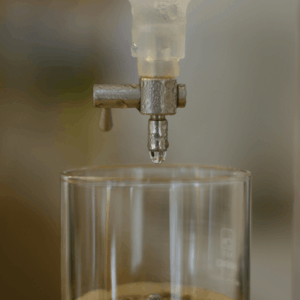
Then we get to the main event: distillation. Using a method known as short-path distillation, the extract is heated to precise temperatures that allow for individual cannabinoids and terpenes to be separated based on their unique boiling points. This step allows for the removal of any remaining plant material, residual solvents, or impurities. Multiple passes may be done to refine the oil to the desired purity level.
Finally, most reputable manufacturers subject their distillate to third-party lab testing to ensure safety, potency, and compliance with legal THC limits.
The beauty of CBD distillate lies in its combination of purity and flexibility. With a cannabinoid concentration of 80–90% or higher, distillate delivers potent effects with smaller doses. This high concentration makes it incredibly cost-effective for both consumers and formulators looking to craft products with predictable outcomes.
Another thing that sets CBD distillate apart is its versatility. Thanks to its odorless and tasteless nature, it can be seamlessly infused into a wide range of consumer products without affecting the flavor profile. This is why it’s often used in everything from gummies and beverages to skin creams and vape cartridges.
Importantly, CBD distillate also offers the option of being either THC-free or compliant with the federal legal limit of 0.3% THC. This gives users more control over their experience and makes distillate a suitable choice for people who need to avoid THC altogether—such as those subject to drug testing or who are sensitive to THC’s psychoactive effects.
Lastly, its consistent potency means that manufacturers can ensure uniform dosing across batches, and consumers can enjoy reliable results every time. Whether you’re creating a product or using one, consistency is key—and CBD distillate delivers.
Given its purity and neutrality, CBD distillate is a go-to ingredient for a wide array of applications. Here’s a look at how it’s commonly used:
This wide usability is one of the key reasons why CBD distillate remains a favorite in both the wellness and recreational markets.
One of the most notable benefits of CBD distillate is its concentration. With such a high percentage of CBD in every milligram, users can enjoy stronger effects with lower dosages, making their supply last longer. This is especially valuable for those who require higher doses of CBD for managing symptoms related to anxiety, pain, or inflammation.
Another significant perk is the entourage effect. Although distillate is more refined than full-spectrum extract, it can still contain minor cannabinoids and terpenes. These compounds work synergistically with CBD to enhance its overall effectiveness, delivering a broader range of therapeutic benefits than CBD isolate alone.
Additionally, CBD distillate is a great option for individuals who want a clean, pure cannabinoid experience without unwanted additives or strong flavors. Many products made with distillate are THC-free, which is essential for people who may face regular drug testing or want to avoid any potential psychoactive effects.
Its versatility also cannot be overstated. From a manufacturer’s standpoint, using a neutral base like distillate simplifies product development and ensures consistent dosing. For consumers, it means more options, greater control over intake, and a more tailored experience.
With all the different types of CBD extracts out there, it’s easy to feel overwhelmed. So how does CBD distillate compare to its counterparts like isolate, broad spectrum CBD distillate, and full-spectrum CBD?
CBD isolate is the most refined form of cannabidiol—pure CBD, with no other cannabinoids or plant compounds. It typically tests at 99%+ purity. While that might sound ideal, isolate lacks the synergistic effects that come from the presence of other cannabinoids.
CBD distillate, on the other hand, retains trace amounts of beneficial compounds like CBG, CBC, and aromatic terpenes, which may enhance the overall effect through the entourage effect. Isolate is great for THC-sensitive users or those seeking the most stripped-down option, but distillate offers a more well-rounded experience.
Full-spectrum extract contains the full range of cannabinoids and terpenes found in the original hemp plant, including up to 0.3% THC. This makes it ideal for users looking to maximize the entourage effect. However, the presence of THC—even in tiny amounts—can be a deal-breaker for certain users.
CBD distillate bridges the gap: it offers many of the benefits of full-spectrum extract without the THC, depending on how it’s processed. It’s also more refined, which means fewer impurities and a smoother, more predictable experience.
Full and broad spectrum distillate is a solid choice for:
High quality CBD distillate has earned its place in the spotlight for good reason. It combines high potency, remarkable versatility, and customizable cannabinoid profiles to serve a wide variety of needs.
Whether you’re exploring new ways to integrate CBD into your lifestyle or formulating your own products, distillate gives you a clean, consistent, and efficient foundation to work with.
In the ever-expanding world of cannabinoid wellness, CBD distillate is one of the most reliable and effective options on the table.

Jun 22, 2026 Jenna Renz

Jun 22, 2026 Jenna Renz

Jun 22, 2026 Jenna Renz