CBD vs CBG vs CBN: Understanding the Differences

Ship to
Cannabinoids like CBD vs CBG vs CBN have gained a lot of attention in the wellness and medicinal space over the past few years.
In this blog, we’ll break down the differences between CBD, CBG, and CBN from the hemp plant, explore their health benefits, discuss how they interact with the body’s endocannabinoid system, and give you guidance on how to use each one. By the end, you’ll have a deeper understanding of these popular cannabinoids and how they can fit into your wellness routine.
Let’s start with the basics. Cannabinoids are chemical compounds found in cannabis plants that interact with the body’s endocannabinoid system (ECS) to produce a variety of effects. CBD (cannabidiol), CBG (cannabigerol), and CBN (cannabinol) are just a few of the many cannabinoids present in cannabis.
Though they share some common features, the key differences lie in how they interact with the ECS, their effects, and their potential benefits. So, let’s dive deeper into each one.

CBD (cannabidiol) is one of the most prominent cannabinoids found in cannabis. Unlike THC, CBD does not produce any intoxicating effects, making it a popular choice for those seeking the therapeutic benefits of cannabis without the “high.” It has gained significant popularity for its potential to reduce anxiety, alleviate chronic pain, and even improve sleep.
CBD works by interacting with the ECS, a complex network of receptors throughout the body that helps maintain balance and regulate various physiological processes. Unlike THC, which binds directly to CB1 receptors in the brain, CBD has a more indirect interaction with the ECS. It works by influencing receptors like CB2, which are found in the peripheral nervous system, and can affect a wide variety of bodily functions.
With its wide range of benefits, it’s no wonder CBD has become a go-to choice for wellness enthusiasts worldwide.
Cannabigerol (CBG) is another non-psychoactive cannabinoid that is gaining attention for its unique therapeutic properties.
It is typically found in much lower concentrations in cannabis plants compared to CBD or THC. In fact, CBG is often referred to as the “mother cannabinoid” because it is the precursor to other cannabinoids, including CBD and THC.
CBG works in a similar way to CBD but has its own distinct effects. It primarily interacts with the CB2 receptors in the ECS, which are mostly found in the immune system, and plays a role in reducing inflammation. CBG also has a more direct influence on the body’s receptors than CBD does, which makes it a powerful candidate for various medical treatments.
Although more research is needed, early studies indicate that CBG could play a vital role in the future of cannabinoid therapies.
Cannabinol (CBN) is a slightly less common cannabinoid, and it forms when THC oxidizes and breaks down. CBN has gained a reputation for its relaxing and sedative effects, which is why it is often used to help with sleep.
While CBN doesn’t produce psychoactive effects like THC, it may still promote a sense of calm and relaxation, making it ideal for nighttime use.
CBN interacts with both CB1 and CB2 receptors in the ECS, with a primary focus on the central nervous system. It’s known for its calming effects, which is why many people use it before bedtime to promote better sleep. CBN also has mild antibacterial properties, making it useful for a range of applications.
CBN’s role as a sleep aid has made it particularly popular in products like nighttime tinctures and capsules.

While CBD, CBG, and CBN are all cannabinoids, they differ in their chemical structures, how they interact with the body, and the types of effects they produce.
Understanding these differences can help you choose the right cannabinoid based on your specific health goals.
CBD’s popularity is not without reason—it offers a wide array of potential health benefits. From mental health to physical well-being, CBD has become a go-to remedy for many.
CBD has a broad therapeutic profile, making it a versatile option for many users.

While CBG may not be as widely known as CBD, it offers some unique benefits that make it worthy of attention.
CBG is still undergoing research, but early findings suggest it has a lot of promise in the medical field.
CBN’s most prominent benefit is its ability to improve sleep, but it has other therapeutic properties as well.
For those looking for a natural sleep aid, CBN is a go-to option.
The endocannabinoid system (ECS) plays a key role in regulating many of the body’s functions, from mood and memory to sleep and immune response. CBD, CBG, and CBN interact with the ECS in different ways.
The ECS plays a crucial role in how each cannabinoid works in the body.

In the U.S., CBD, CBG, and CBN are all legal at the federal level, thanks to the 2018 Farm Bill. However, each cannabinoid’s legality can vary depending on state laws.
Always check local regulations before purchasing these cannabinoids.
Each cannabinoid can be used in a variety of ways, depending on the form in which they are available.
It’s important to follow dosage instructions, especially for beginners.
Although CBD, CBG, and CBN are generally well-tolerated, they can have side effects in some individuals. These may include:
Always start with a small dose to see how your body reacts.
Yes, many people combine CBD, CBG, and CBN for enhanced effects. This approach can leverage the entourage effect, where cannabinoids work together to enhance each other’s therapeutic properties.
However, it’s important to consult with a healthcare provider before combining cannabinoids.
When choosing between CBD, CBG, and CBN, consider your health goals. If you’re looking for anxiety relief, CBD may be your best bet. If you need help with inflammation or appetite, CBG is a solid choice. And for sleep, CBN is often the most effective option.

CBD, CBG, and CBN each offer unique health benefits that make them stand out in the growing world of cannabinoids. Whether you’re looking to manage anxiety, pain, or sleep issues, understanding how these cannabinoids work and their specific benefits can help you make an informed choice. As research continues, these cannabinoids will likely become even more integral to natural wellness routines.
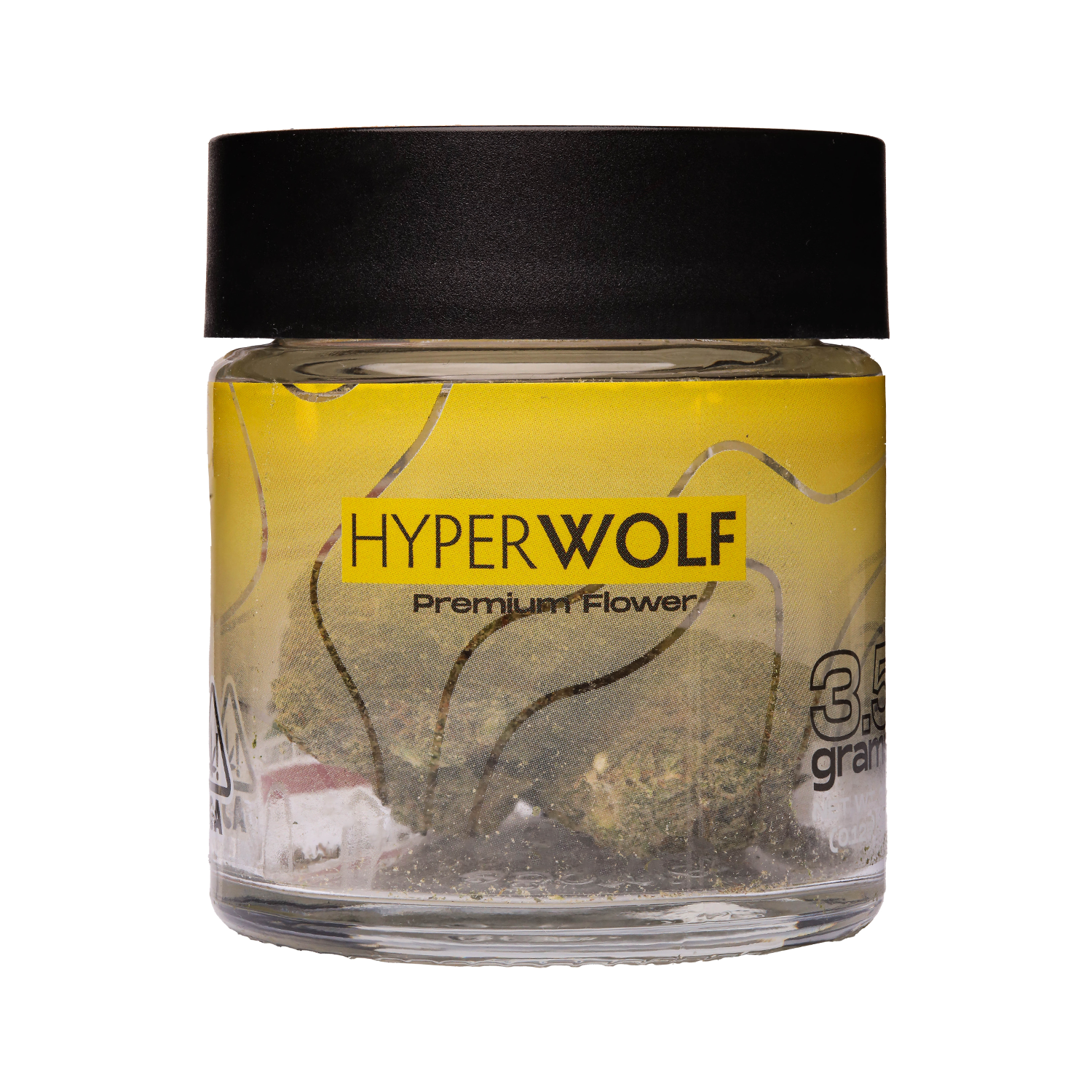
Explore premium products and learn more at Hyperwolf, your go-to source for high-quality cannabinoids shipped directly to your door.

Jun 22, 2026 Jenna Renz

Jun 22, 2026 Jenna Renz

Jun 22, 2026 Jenna Renz