Does Smoking THCA Convert It to THC?

Ship to
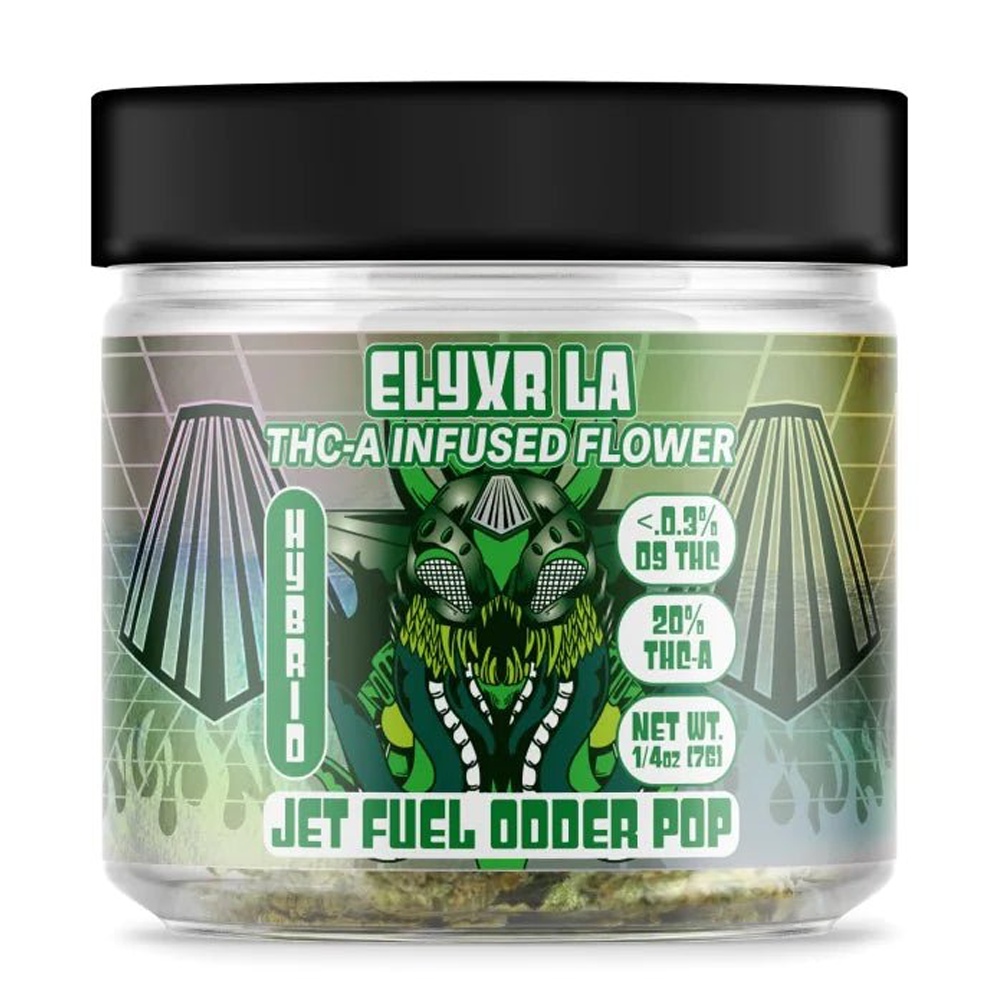
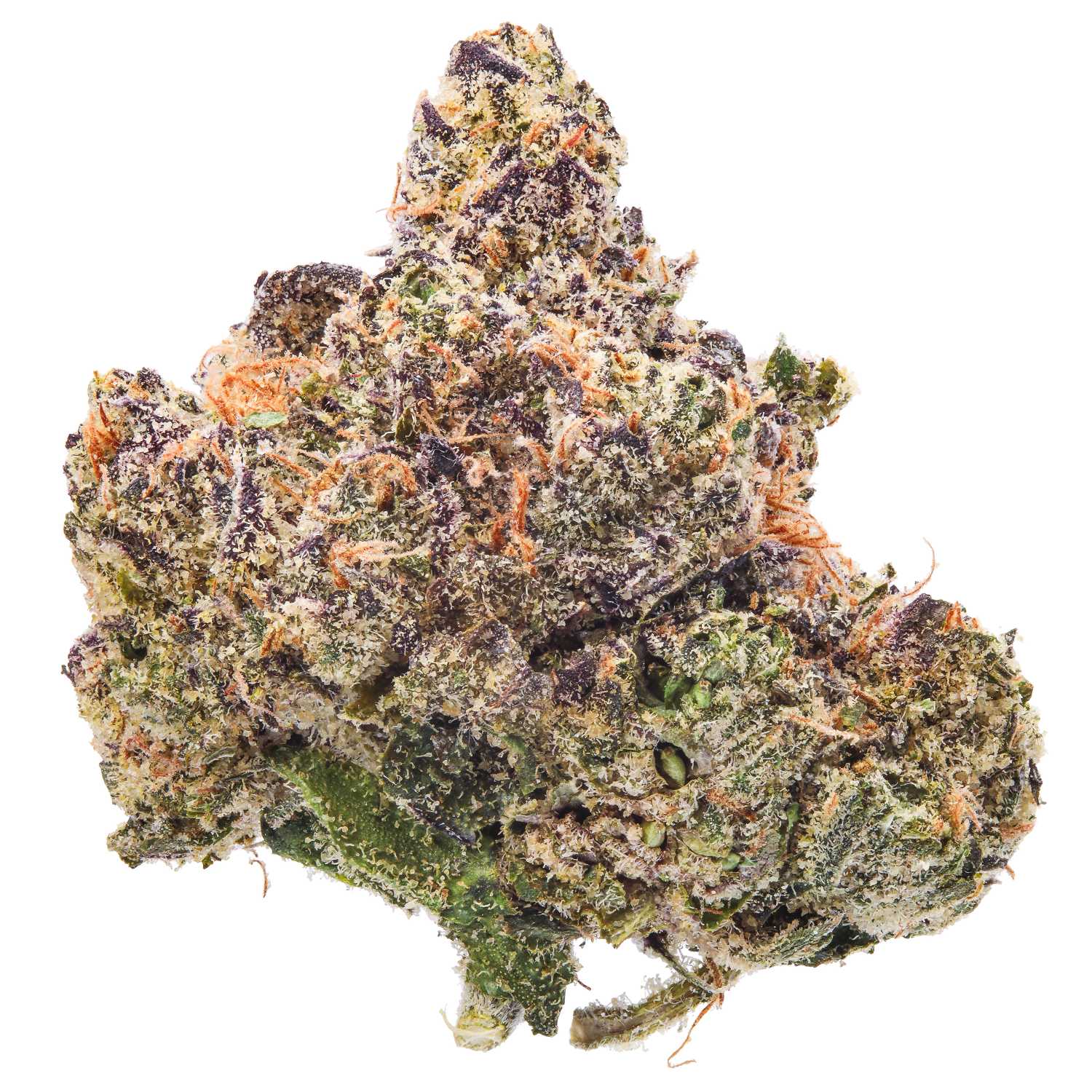
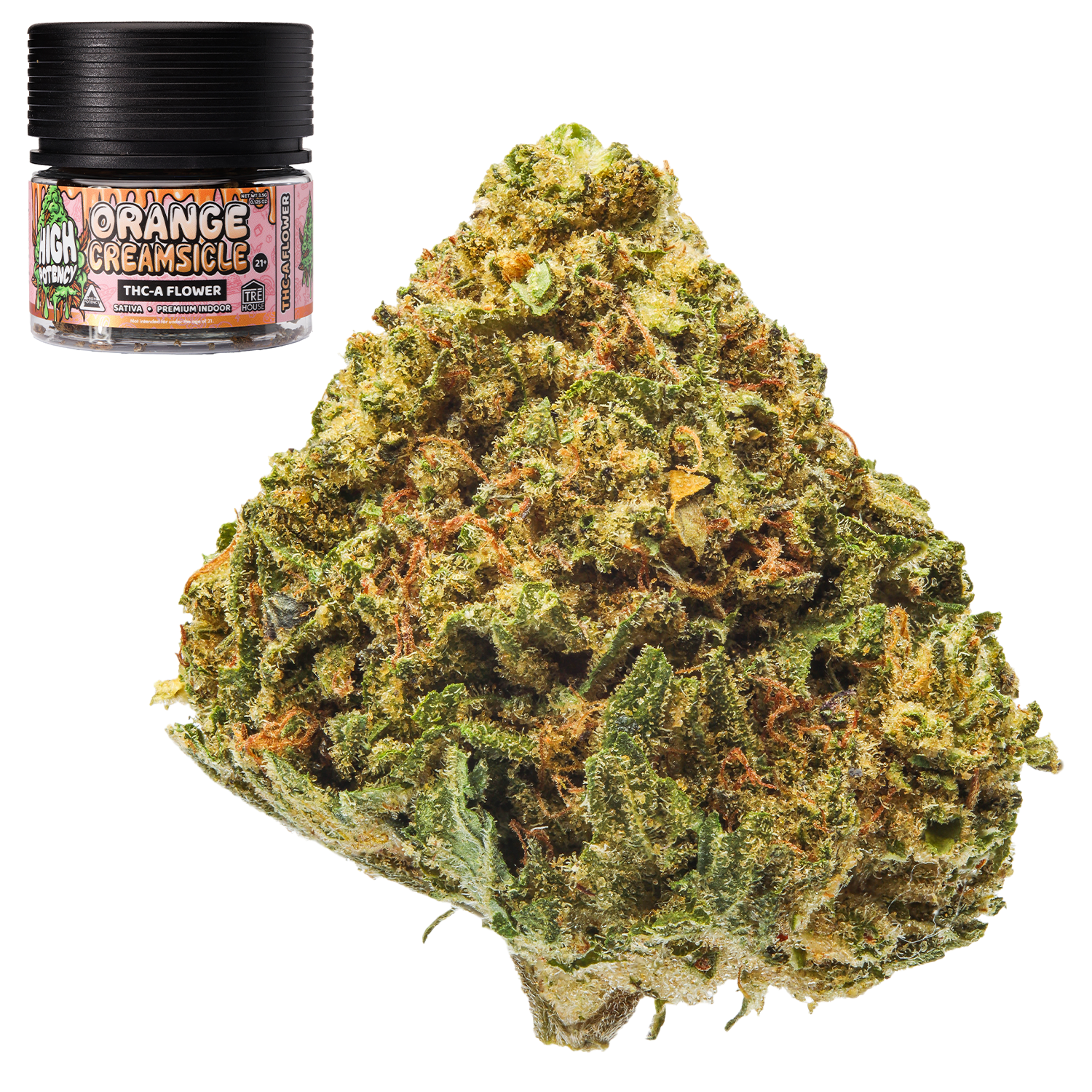
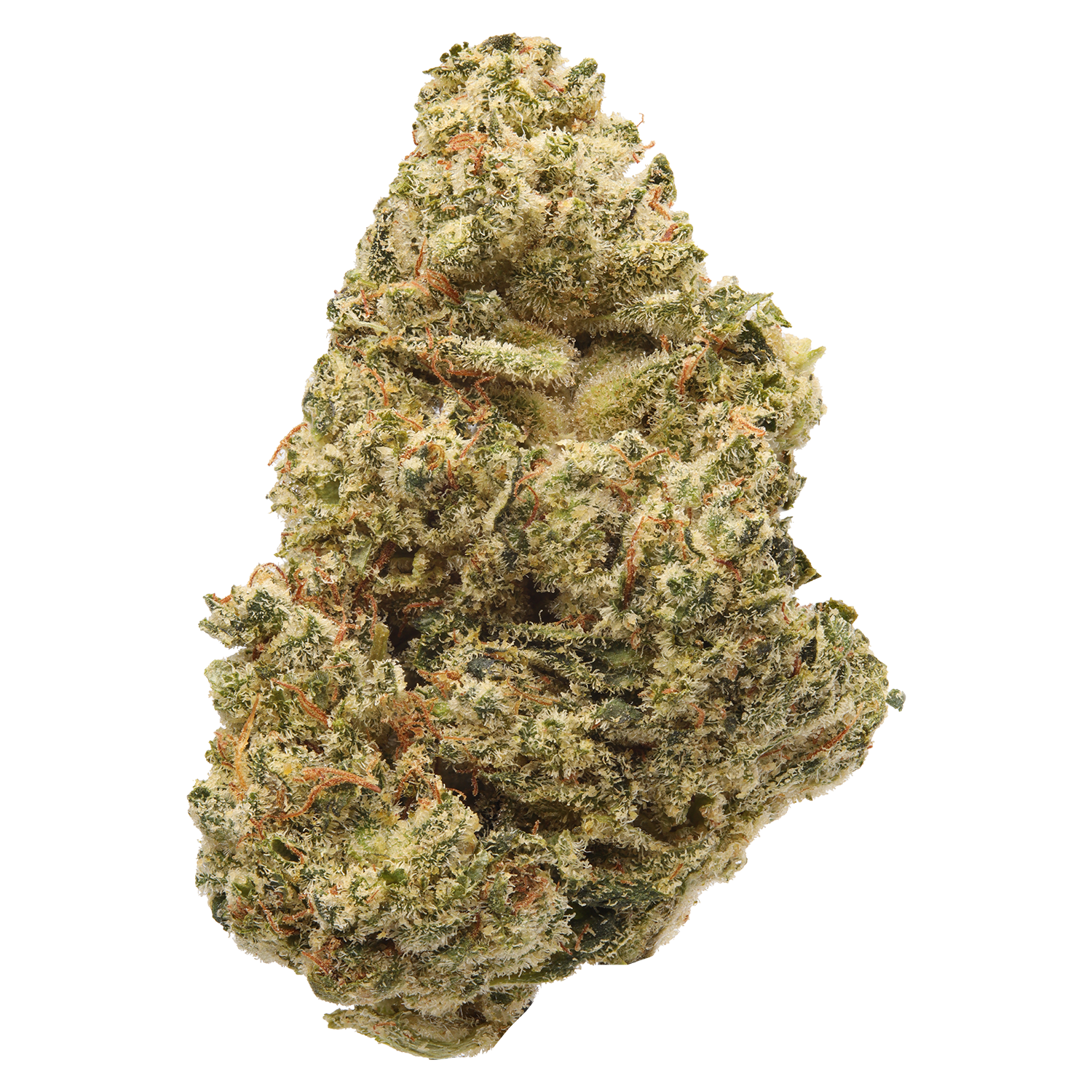
Does smoking THCa convert it to THC? If you’ve ever taken a close look at the This is a common question in the cannabis community, especially with the rise of THCA-rich flower and concentrates that are technically compliant with federal hemp laws. Many people want to know: Does smoking THCA convert it to THC, and if so, what does that mean for the experience, the legality, and the effects? The short answer is yes, smoking THCA does convert it to THC—but the long answer involves some chemistry, a little bit of legal gray area, and a whole lot of consumer curiosity. In this blog, we’re diving deep into the science of THCA and THC, what sets them apart, and what really happens when heat enters the equation. THCA, or tetrahydrocannabinolic acid, is the non-psychoactive precursor to THC. It’s the raw, acidic form of the cannabinoid that exists naturally in freshly harvested cannabis. When cannabis plants are growing, they produce THCA—not THC. This means that if you were to pick a bud straight off the plant and eat it raw, you wouldn’t get high. Instead, you’d be consuming THCA in its original form, which doesn’t bind to the brain’s CB1 receptors the way THC does. What makes THCA particularly interesting is its presence in high-potency cannabis products, especially THCA flower and concentrates like diamonds. These are products that contain almost no active THC—at least not until they’re heated. That’s why understanding THCA is crucial if you’re interested in what happens when cannabis is smoked, vaped, or cooked. THC, or delta-9-tetrahydrocannabinol, is the compound most commonly associated with cannabis-induced euphoria. It’s the cannabinoid responsible for the psychoactive effects we typically refer to as “getting high.” Unlike THCA, THC is psychoactive because its molecular structure allows it to bind to the CB1 receptors in the brain and central nervous system, activating a wide range of effects from euphoria and altered perception to increased appetite and deep relaxation. THC isn’t present in significant amounts in raw cannabis. Instead, it’s created through a process known as decarboxylation, which converts THCA into THC when the plant material is exposed to heat. Whether you’re smoking cannabis, vaping, or baking with cannabis, decarboxylation is what turns the non-intoxicating THCA into the active, mind-altering THC. The primary chemical difference between THCA and THC lies in a single component: a carboxyl group. THCA contains this extra group—a configuration of carbon, hydrogen, and oxygen atoms—which prevents it from binding to CB1 receptors. As a result, THCA doesn’t produce the same intoxicating effects that THC does. When heat is applied, the carboxyl group is removed through decarboxylation, and the THCA molecule becomes THC. Structurally, this transformation changes how the molecule interacts with the endocannabinoid system. It’s a small molecular tweak with huge implications, especially when it comes to cannabis consumption and legality. In its original state, THCA is chemically distinct from THC, even though they’re closely related and functionally intertwined. Decarboxylation is the scientific term for the chemical reaction that removes the carboxyl group from THCA, converting it into THC. This reaction occurs when cannabis is exposed to heat over time. While it sounds complex, decarboxylation is a fairly straightforward process that happens naturally during common consumption methods like smoking, vaping, or cooking. The heat causes the THCA molecule to lose carbon dioxide (CO₂), which turns it into THC. This transformation typically begins at around 220°F (104°C) and becomes highly efficient by 250°F (121°C). When you’re lighting a joint or hitting a bowl, you’re subjecting the cannabis to temperatures far above this threshold—making the conversion from THCA to THC almost instantaneous. This process is essential not only for recreational users who want to produce psychoactive effects, but also for medical users who rely on the full spectrum of cannabinoids for therapeutic purposes. Yes—unequivocally, yes. Smoking THCA converts it to THC through decarboxylation caused by high heat. When you light up a THCA-rich flower or dab some THCA diamonds, the flame or hot surface instantly decarboxylates the THCA, transforming it into delta-9 THC right before you inhale it. So while you may be technically smoking “THCA,” what you’re actually experiencing is the result of a chemical transformation that happens in real time. In effect, you’re consuming THC, and you will experience the classic high that THC is known for. This means that despite the THCA label, these products can be just as psychoactive—and potent—as traditional cannabis. Once THCA is exposed to high heat during smoking or vaping, it becomes THC. That means there’s effectively no difference between smoking THCA and smoking THC-rich flower in terms of the psychoactive experience. The buzz you feel comes from THC, regardless of whether it started out as THCA. What may differ slightly is the purity or quality of the product. For example, THCA diamonds are nearly pure cannabinoids, whereas flower contains a broader range of plant material and terpenes. That can affect the flavor, aroma, and potentially the overall experience—but not the base psychoactive effect. So, in short: if it burns, it turns. THCA has gained popularity in a variety of cannabis products, especially those targeted toward high-potency consumers and enthusiasts of concentrates. The most common THCA products include: Each product is crafted with a specific method of consumption in mind—whether you’re activating THCA or preserving it in its raw form. The legality of THCA is one of the more nuanced aspects of cannabis law. According to the 2018 Farm Bill, hemp is defined as cannabis that contains less than 0.3% Delta-9 THC by dry weight. Because THCA is not psychoactive in its raw form, and doesn’t count toward that 0.3% threshold, many producers can legally sell THCA-rich products under the guise of hemp. However, the moment THCA is decarboxylated—say, through smoking or vaping—it becomes THC. That complicates the legality, especially in states where THC remains prohibited. Some states are cracking down on THCA flower sales by using a “total THC” testing method that accounts for both THC and potential THC (THCA) after decarboxylation. Bottom line: THCA may be federally compliant in its raw state, but whether it’s truly legal depends on how you plan to consume it and where you live. The method you use to consume THCA directly affects whether it becomes THC—and how efficiently it happens. Each method varies in its ability to convert THCA to THC, so your experience will change depending on how you use the product. Not everyone wants to get high from cannabis. In fact, raw THCA has potential therapeutic properties that may be beneficial precisely because it doesn’t convert to THC. Some of the reported benefits of THCA include: These benefits are best explored through raw consumption methods, like juicing cannabis leaves or taking specially formulated THCA tinctures. Because decarboxylation negates these potential non-psychoactive properties, anyone looking for medical benefits without the high might choose to avoid heating their cannabis altogether. Bioavailability refers to how well a substance is absorbed and used by the body. When smoked or vaped, THC has a high bioavailability—often between 25% and 35%—making it one of the most efficient ways to experience the effects. THCA, on the other hand, has low bioavailability in its raw form. It’s not readily absorbed by the body unless it’s specifically formulated for that purpose (e.g., nano-emulsified tinctures). So while raw THCA might offer wellness benefits, the body needs a little help to make use of it unless it’s converted into THC first. If your goal is to experience a psychoactive effect, decarboxylation is essential. Without it, you’re likely consuming a product with low absorption and mild results—at least in terms of the high. Some users report that THCA flower feels more potent than regular cannabis, but this perception usually comes down to cannabinoid content. THCA flower is often marketed as having 25% or more THCA, which—once converted—translates to a high THC content. That’s comparable to or stronger than many dispensary-grade strains. The perceived strength may also stem from the purity of the product or the terpene profile, which can modulate the effects. Plus, the novelty factor of trying something labeled “THCA” can lead to expectations of a stronger high—even though, chemically, it’s just high-THC flower by another name. One of the biggest misconceptions is that because THCA isn’t psychoactive in its raw form, consuming THCA products won’t get you high. That’s only true if you don’t heat it. Once combustion or vaporization occurs, the game changes—THCA becomes THC, and THC gets you high. Marketing can sometimes blur this line. Products labeled “hemp” or “non-psychoactive” may contain THCA that will absolutely become psychoactive if smoked or dabbed. Understanding the difference between raw cannabinoids and what happens when you use them is key to avoiding confusion (and unintentional highs). Despite its different label, smoking THCA isn’t inherently safer or healthier than smoking regular cannabis. Combustion still produces harmful byproducts like tar, carbon monoxide, and carcinogens. While the cannabinoid content may differ, the method of intake remains the same—and so do the potential health risks. If you’re interested in avoiding combustion altogether, vaping or edibles made from decarboxylated cannabis might be better alternatives. The same goes for raw THCA consumption for medical or potential therapeutic benefits. So, does smoking THCA convert it to THC? Absolutely. In fact, if you’re smoking THCA flower or dabbing THCA diamonds, you’re essentially just consuming THC—high-potency, fast-acting THC. The main difference lies in how it’s labeled and how it behaves before you light up. The chemistry is clear: heat transforms THCA into the compound that creates the euphoric, intoxicating high cannabis is famous for. And while that’s not inherently a bad thing, it’s essential to know what you’re actually consuming, especially in legal markets where product labeling and compliance are key. Whether you’re buying THCA flower for its legal status or its impressive numbers, just know that you’re getting the full THC experience once the flame hits the flower. And as always—know your laws, know your body, and consume responsibly.la/shop/trait/cannabinoids">cannabinoid content on a cannabis product label, there’s a good chance you’ve come across the acronym THCA. It’s often listed right alongside THC, but what exactly is it—and more importantly, what happens when you smoke it?
What is THCA?
What is THC?
Chemical Differences Between THCA and THC
What is Decarboxylation?

Does Smoking THCA Convert It to THC?
THCA vs. THC When Smoked: Is There a Difference?
How THCA Is Used in Cannabis Products
Is THCA Legal?
How THCA Converts During Different Methods of Consumption
Raw THCA Benefits: Is There a Reason Not to Convert It?
Bioavailability: THCA vs. THC
Does Smoking THCA Flower Feel Stronger Than Regular Weed?

Misconceptions About THCA and Getting High
Is Smoking THCA Safer or Healthier?
Final Thoughts: What to Know Before Smoking THCA

Jun 22, 2026 Jenna Renz

Jun 22, 2026 Jenna Renz

Jun 22, 2026 Jenna Renz