How Long Do Mushroom Gummies Last? A Complete Guide to Duration, Effects, and What to Expect

Ship to
Mushroom gummies have become one of the most popular ways to experience psychedelic mushrooms, and it makes sense why they’ve taken off.
Whether you’re trying psilocybin gummies for the first time, curious about different mushroom species like psilocybe cubensis, psilocybe cyanescens, or psilocybe semilanceata, or just trying to plan your day around a future mushroom trip, understanding the full duration—from onset to peak, comedown, lingering effects, and how long shrooms stay in your system—is crucial.
This guide breaks down everything you can expect from taking psychedelic substances in gummy form, including factors influencing duration, what affects onset speed, how long shrooms last in the body, how long a mushroom trip usually runs, and what you can do to set yourself up for a safe and meaningful psychedelic experience.
When people talk about mushroom gummies in the context of psychedelics, they’re almost always referring to gummies containing psilocybin mushrooms, also known as magic mushrooms, hallucinogenic mushrooms, or simply shrooms. Unlike medicinal mushrooms used for wellness, these gummies contain psychoactive compounds that create classic psychedelic effects—altered perception, enhanced emotions, visual and sensory changes, shifts in thought patterns, and deep introspection. Most mushroom gummies use concentrated extracts or finely ground dried mushrooms suspended in a gummy base made from pectin or gelatin. This format digests faster than chewing dried mushrooms, which can significantly impact how quickly the body metabolizes psilocybin and how long the experience lasts.
The most common mushroom species used in gummies is psilocybe cubensis, though some brands use blends that include stronger varieties like psilocybe cyanescens (wavy caps) or psilocybe semilanceata. Gummies help standardize dosage guidelines, making it easier to take a small dose or moderate dose without guessing. This consistency contributes to smoother peak effects and fewer surprises during your trip.
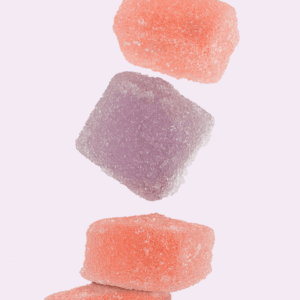
If you’re wondering how long shrooms last when consumed as gummies, the typical psychedelic experience runs 4 to 6 hours, depending on the dose and individual factors. Many users also report lingering effects—like emotional softness, introspection, or altered sensory sensitivity—for an extended period lasting another 2 to 4 hours after the main peak ends. The question, How long does mushroom gummy high last?, generally depends on several factors: a person’s weight, metabolic rate, mushroom species used in the gummies, whether you ate on an empty stomach, and how high the dose is. A small dose may taper off quickly, while a high dose or potent species can stretch the experience toward the longer end of the range.
Unlike dried mushrooms, gummies dissolve more evenly and predictably, leading to a smoother climb toward the peak and a steadier decline afterward. While the timeline can vary depending on individual factors, most people find that mushroom gummies produce a consistent, manageable experience that’s easier to plan around compared to chewing whole dried mushrooms.
The onset for psychedelic mushrooms in gummy form is usually 20 to 60 minutes, slightly faster than the 45 to 90 minutes often reported with dried mushrooms. This is largely due to the gummy base dissolving more quickly in the stomach, allowing psilocybin to convert to psilocin and enter the bloodstream sooner. Taking shrooms on an empty stomach often speeds up onset, producing more rapid changes in perception and mood. Eating a full meal beforehand slows absorption, causing a more gradual build.
Because gummies distribute the mushroom extract evenly throughout the mixture, the body metabolizes the dose more predictably. This helps minimize surprises—especially for people who may be nervous about taking psychedelic drugs for the first time. However, the speed of onset can still vary depending on metabolism, body weight, tolerance, and certain lifestyle habits such as substance use or mixing shrooms with other drugs or other substances.
Once the effects fully come on, most people reach the peak effects between 90 minutes and 3 hours after ingestion. This is the most intense portion of the mushroom trip and typically includes the strongest psychedelic effects—color shifts, visual distortions, heightened emotions, enhanced tactile sensitivity, and profound changes in awareness. Thought patterns may feel deeper, more symbolic, or interconnected, and many people describe this stage as the “heart” of the psychedelic experience.
Different mushroom species can influence the intensity of the peak. For example, psilocybe cyanescens is known for delivering more potent hallucinogenic effects compared to the gentler experience of psilocybe cubensis. How long the peak lasts can also vary depending on dosage, whether you took a small dose or high dose, your mental health conditions, and whether you are mixing psychedelic mushrooms with other psychedelics. Even though shrooms aren’t physically addictive or considered addictive substances, the peak can be overwhelming for people who are unprepared, potentially leading to panic attacks, a bad trip, or anxiety if set and setting are not stable.
After the peak phase, the experience transitions into a gentler comedown lasting 1 to 2 hours. During this stage, hallucinations fade, emotions stabilize, and the psychedelic effects ease into softer, lingering effects. Some people feel tired, dreamy, thoughtful, or emotionally open during this period. A mushroom trip rarely ends abruptly—it’s more like a smooth landing than a sudden drop.
This part of the experience can still influence cognitive function and mood, so it’s best to avoid driving, making big decisions, or mixing with other drugs until all effects have fully passed. While the comedown from mushroom gummies is typically smoother than dried mushrooms due to consistent dosing, individual factors like stress levels, mental health issues, or environment can influence how easy or difficult this phase feels.
Several factors influence how long mushroom gummies last, how intense the peak becomes, and how the body metabolizes psilocybin. These include:
These variables—especially dosage, mushroom species, and physical factors—can significantly impact every stage of the psychedelic experience.
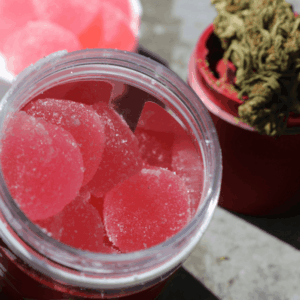
Mushroom gummies tend to come on faster and fade more predictably compared to dried mushrooms. While dried mushrooms may take longer to digest and metabolize, gummies dissolve quickly, leading to a smoother rise toward peak effects. However, dried mushrooms sometimes produce a slightly longer overall experience—occasionally stretching to 8 hours or more—because the body must break down fibrous material before absorbing psilocybin.
For people concerned about nausea or stomach discomfort, gummies also offer a gentler alternative to eating raw magic mushrooms. The main difference is predictability: gummies offer a controlled dose, while the potency of dried mushrooms can fluctuate depending on growing conditions, mushroom species, and how long shrooms were dried or stored.
Compared to capsules, mushroom gummies usually produce a faster onset and more stable overall curve. Capsules must dissolve in the stomach before releasing their contents, which delays the experience. Chocolate tends to hit the system quickly due to the fat content, sometimes causing a sharper, quicker peak.
Gummies fall somewhere in the middle—faster than capsules, slower than chocolate, and more predictable than dried mushrooms. This makes them ideal for people who want a balanced, reliable psychedelic experience without the variability sometimes associated with chewing whole mushrooms.
A common question—especially for people facing routine drug tests—is how long shrooms stay in your system. While psychedelic mushrooms aren’t screened on standard tests, specialized tests can detect psilocybin or psilocin. Detection windows vary:
Even though the psychedelic effects last only a few hours, metabolites can linger depending on how quickly the body metabolizes psilocybin. It’s also worth noting that the federal government classifies psilocybin as a Schedule I substance, even though research increasingly points toward its clinical potential for improving mental health.
Yes—mushroom gummies can absolutely go bad. Like any edible product, they have a shelf life, typically 12 to 24 months if stored correctly. Exposure to heat, light, or humidity can degrade potency or alter texture. Signs that your mushroom gummies may be going bad include:
To preserve potency, store gummies in an airtight container in a cool, dark place. Heat in particular can damage psilocybin quickly. Gummies may last longer than dried mushrooms in terms of freshness, but they still break down over time.
Even though magic mushrooms are not physically addictive or considered psychologically addictive in the same way as addictive substances, that doesn’t mean they’re risk-free. Using psychedelic drugs responsibly includes:
Psychedelic mushrooms carry potential risks but also significant health benefits and emerging clinical potential. Responsible use ensures your experience stays safe, meaningful, and grounded.
Whether you’re exploring psychedelic effects for healing, creativity, mental health exploration, or spiritual insight, knowing how long mushroom gummies last helps you plan a safe, intentional experience. From onset to peak effects, from the comedown to lingering after-effects, every stage of a shroom trip can vary depending on several factors—mushroom species, dose, body weight, metabolism, mental health, and how the body metabolizes psilocybin. Mushroom gummies offer one of the most predictable, beginner-friendly ways to experience hallucinogenic mushrooms, especially compared to dried mushrooms or capsules.
Understanding the full timeline—including how long shrooms stay in your system, how to store gummies properly, and how to prepare for the emotional intensity of a psychedelic experience—helps you navigate your trip with confidence, clarity, and respect for the power of psychedelic substances.

Jun 22, 2026 Jenna Renz

Jun 22, 2026 Jenna Renz

Jun 22, 2026 Jenna Renz