Is Hemp Weed: Hemp vs Marijuana Explained (And Whether Hemp Can Get You High)

Ship to
Is hemp weed? Yes and no, depending on what you mean by “weed,” what’s in the plant, and what your state thinks about it this week.
People use hemp, marijuana, cannabis, weed, THC, THCA, and CBD like they’re interchangeable. They’re not. The result is predictable chaos: someone buys “hemp flower,” smokes it, and then either feels nothing (and gets mad) or feels something (and gets nervous). Let’s clean this up.
This guide clarifies what hemp is, what marijuana is, how THC and THCA fit into the mess, whether hemp can get you high, and how legality and product quality actually work in real life.
Hemp and marijuana both come from the Cannabis sativa L. plant species (and closely related cannabis varieties). The difference is not “different plants.” The difference is chemistry and legal definitions.
Think of it like this:
“Hemp” is cannabis that stays under a legal THC threshold (federally, in the U.S.). “Marijuana” is cannabis that exceeds it. Botanically they’re cannabis. Legally they’re separated, like two siblings forced to sit at different tables at Thanksgiving.
Under U.S. federal law (the 2018 Farm Bill), hemp is cannabis with no more than 0.3% delta-9 THC on a dry-weight basis.
That “delta-9 THC” detail matters. A lot.
Because cannabis chemistry is sneaky. Hemp can be rich in THCA (the acidic precursor to THC) while still testing low in delta-9 THC before it’s heated. More on that soon.
Also important: states can add their own rules. Some states treat certain hemp products like contraband even if they look federally compliant on paper.
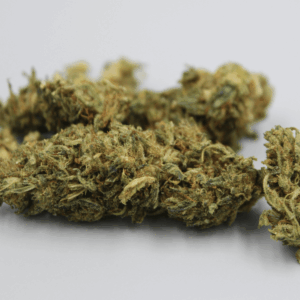
“Marijuana” is the common term for cannabis that is:
In everyday conversation, marijuana usually means the kind of cannabis people buy to feel intoxicating effects. It typically has meaningful levels of THC (or THCA that converts to THC when smoked/vaped).
Let’s define the main players:
This is the classic intoxicating cannabinoid most people mean when they say “THC.” It binds strongly to CB1 receptors and can produce a “high.”
THCA is not delta-9 THC. In raw flower, cannabis often contains a lot of THCA and very little delta-9 THC.
But when you heat THCA (smoking, vaping, dabbing, cooking), it decarboxylates into delta-9 THC. Translation: raw THCA becomes intoxicating THC after heat.
So if you’re staring at a lab report thinking, “It says THC is low,” but THCA is high, you may be holding a plant that can absolutely feel like “regular weed” once smoked.
CBD is non-intoxicating. It can affect mood, stress, inflammation signaling, and more, but it does not typically produce a “high” like THC. Many hemp products are CBD-dominant.
Some lab reports show Total THC, which estimates how much THC you’ll get after THCA converts to THC.
A common formula is:
If a product has 0.2% delta-9 THC but 18% THCA, it may be “hemp” by one definition yet still produce strong THC-like effects when smoked. This is the heart of the modern hemp confusion.
If by “weed” you mean “cannabis flower you can smoke,” then yes, hemp flower is weed in the cultural sense.
If by “weed” you mean “marijuana that gets you high,” then hemp is supposed to be not that. But reality depends on the product and the cannabinoid profile.
Here’s the honest version:
Yes, hemp can get you high in certain forms. But not all hemp does, and not everyone experiences it the same way.
If hemp flower is truly CBD-dominant with very low total THC, most people won’t get high. You may feel:
If you’re very sensitive to THC, you could still feel mildly altered from trace amounts. But it’s typically not a classic intoxication.
High-THCA hemp flower is the loophole celebrity. When heated, THCA converts into delta-9 THC. That can produce a real, noticeable high.
If you buy hemp flower and it feels like marijuana, check the COA. You’ll likely find high THCA and low delta-9 THC.
Even if a product is “hemp-derived,” if it contains intoxicating cannabinoids at meaningful doses, it can get you high.
Hemp seed oil sold as a food product is made from seeds and generally contains negligible cannabinoids. Great for salad dressing. Terrible for getting high. (Which is a compliment.)
The 0.3% delta-9 THC threshold is a legal definition, not a pharmacology definition.
It produces odd outcomes:
This is where it gets spicy.
Dispensary cannabis is usually subject to state testing rules (potency, pesticides, heavy metals, residual solvents, microbials), though quality varies by state and operator.
Hemp products may be tested, but enforcement and standards are inconsistent. Some brands are excellent. Some brands are mystery meat in a jar.
Federally, hemp is legal if it meets the definition. But states can restrict:
So yes, you can buy something online that claims compliance, and yes, you can still get in trouble in a state that bans or restricts that category. Also, hemp flower and marijuana flower can look and smell identical, which is not a fun conversation during a traffic stop.
Do this: check your state’s current hemp and cannabinoid rules before buying or traveling.
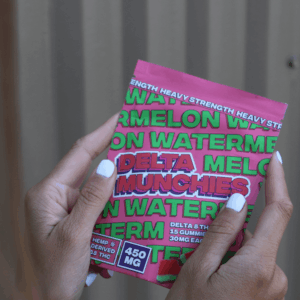
It can.
Drug tests usually detect THC metabolites (like THC-COOH). If you use:
…you may accumulate metabolites that trigger a positive result. “But it’s legal hemp” is not a magic shield in employment testing. It’s more like a fun fact you can share while being disappointed.
If you are subject to drug testing, the safest move is to avoid products that contain THC/THCA and be cautious even with broad-spectrum options. No test avoidance tips here. Just reality.
If you buy hemp products, act like a detective. A cheerful detective. But still a detective.
A COA should come from an independent, accredited lab and be:
Look for:
If the product claims “won’t get you high” but has high THCA or high Total THC, that claim is doing improv comedy.
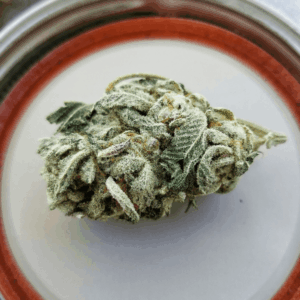
At minimum, look for panels covering:
No contaminant results? Pass.
Be wary of:
Don’t just look at the percentage. Look at milligrams per serving and milligrams per package.
If you’re new to THC, start low. Repeat: start low. You can always take more later. You cannot untake a gummy.
Disclaimer: This article is for educational purposes only and does not constitute legal or medical advice. Cannabis and hemp laws change frequently and vary by jurisdiction.
They are the same cannabis species, but legally categorized differently based on THC content (federally, hemp is ≤0.3% delta-9 THC by dry weight).
If “weed” means cannabis flower, hemp can be considered weed. If “weed” means intoxicating marijuana, hemp is not supposed to be, but some hemp products (like high-THCA flower) can be intoxicating when heated.
Yes, it can. High-THCA hemp flower and hemp-derived THC products can be intoxicating. CBD-dominant hemp with low total THC typically does not produce a classic high.
THC (delta-9 THC) is intoxicating. THCA is the non-intoxicating precursor in raw flower that converts to THC when heated (smoked, vaped, or baked).
It depends. Some products are marketed as federally compliant due to low delta-9 THC, but many states restrict THCA or use “total THC” rules. Check your state laws.
It can. Full-spectrum CBD and hemp flower may contain THC/THCA, which can lead to a positive test depending on use, sensitivity, and the test.
A recent third-party COA, clear cannabinoid totals (including THCA and Total THC), and contaminant testing for pesticides, heavy metals, microbials, and residual solvents.
No. Hemp seed oil comes from seeds and usually has negligible cannabinoids. CBD oil is extracted from flower/leaves and contains CBD (and possibly other cannabinoids depending on type).

Jun 22, 2026 Jenna Renz

Jun 22, 2026 Jenna Renz

Jun 22, 2026 Jenna Renz