Legal Mushroom Gummies: What You Need to Know About These Trending Edibles

Ship to
Legal mushroom gummies are quickly becoming one of the most talked-about products in the wellness and alternative health spaces—and for good reason.
Whether you’re looking for a brain boost, stress relief, or something a little more trippy, we’ve got the full breakdown of what legal mushroom gummies are, how they work, what to look for, and how to stay on the right side of the law. Let’s begin!
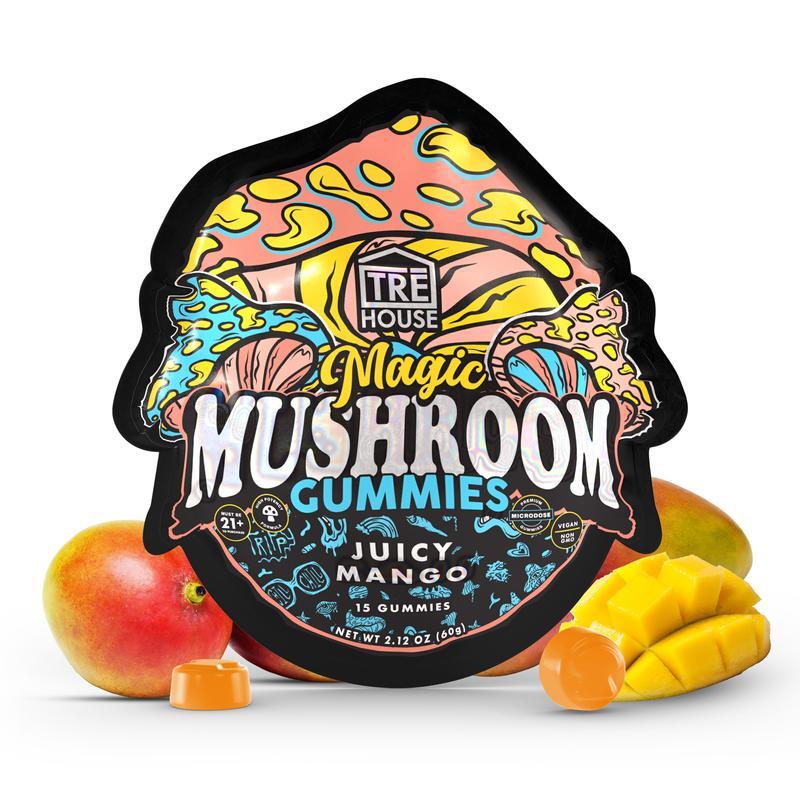
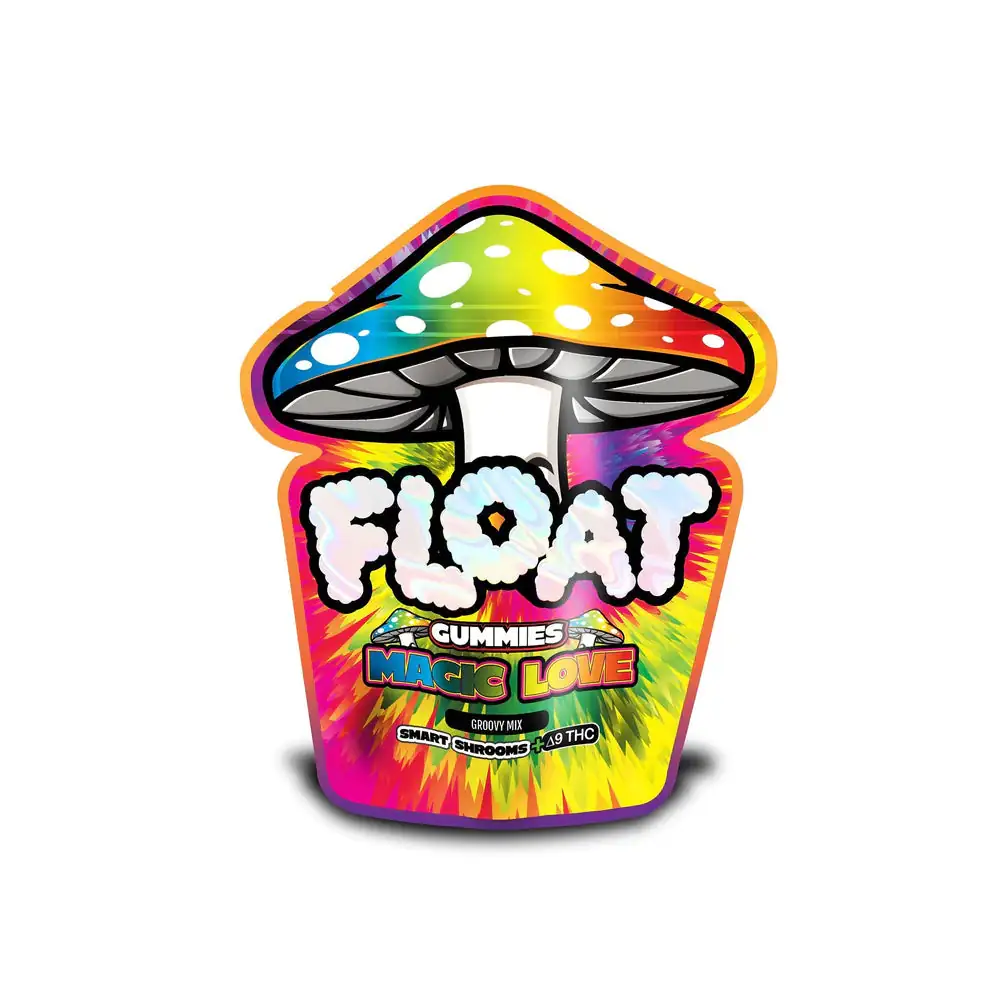
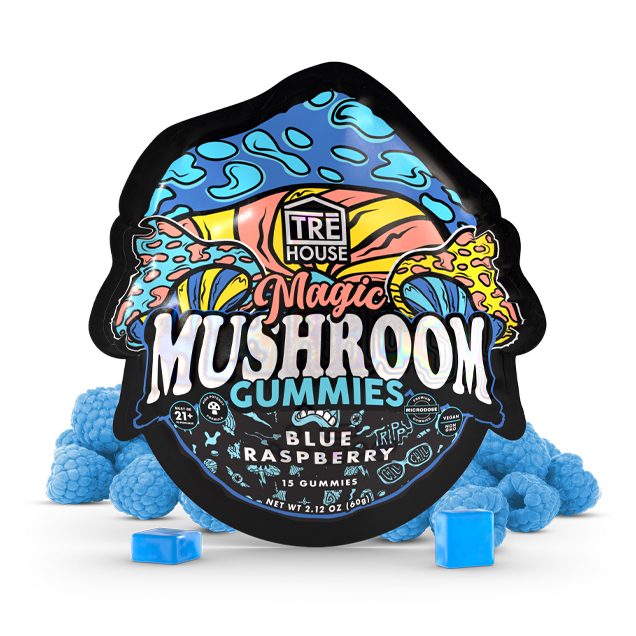
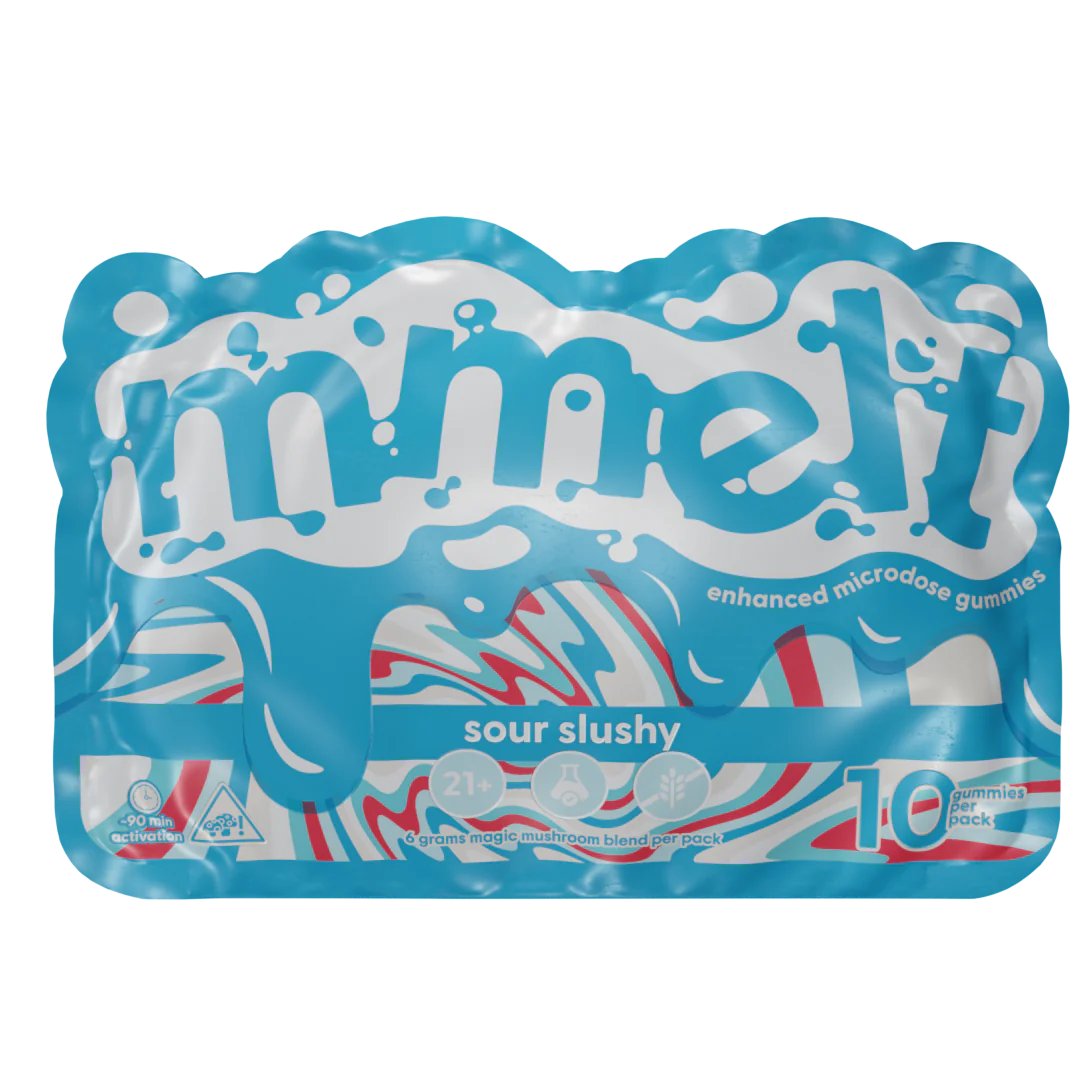
Mushroom gummies are exactly what they sound like: chewable edibles infused with mushroom extracts, designed to deliver the benefits of fungi in a format that’s convenient, tasty, and easy to dose. Think of them like your favorite gummy vitamins—but instead of being packed with synthetic nutrients, they’re loaded with naturally derived mushroom compounds. Depending on the type of mushroom used, they may help support focus, immunity, stress management, or even produce a light psychoactive experience.
These gummies often appeal to people who want the benefits of mushrooms without the earthy, often bitter taste of raw or powdered forms. Plus, they’re pre-dosed and travel-friendly, which adds an extra layer of convenience that makes them especially popular for wellness seekers, biohackers, and even psychonauts dipping their toes into legal alternatives.

Before diving deeper, it’s important to understand that not all mushrooms—and therefore not all mushroom gummies—are created equal. Broadly, these products fall into two categories: functional and psychedelic.
Functional mushrooms include non-psychoactive species like lion’s mane, cordyceps, reishi, chaga, and turkey tail. These mushrooms are celebrated for their adaptogenic and nootropic properties, meaning they help the body manage stress and may improve cognitive performance. They’re generally considered safe, widely legal, and commonly found in health food stores and supplement aisles.
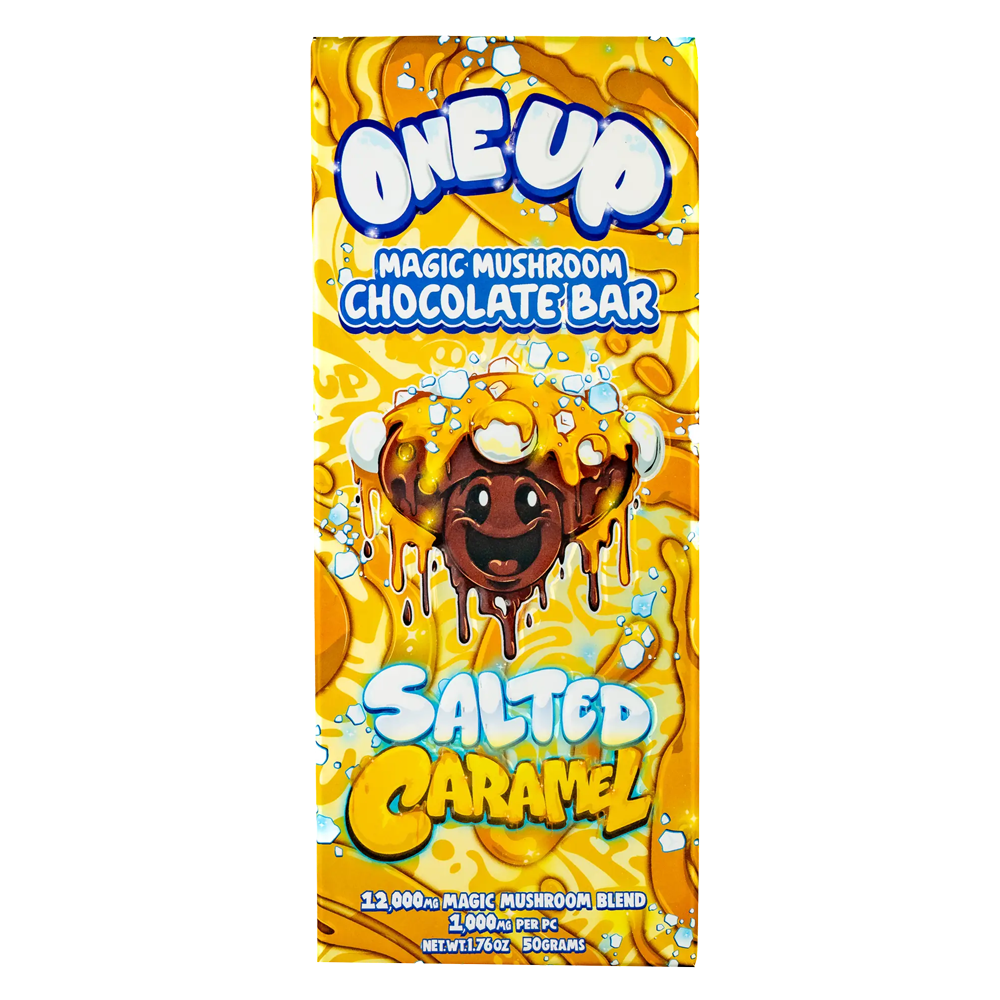
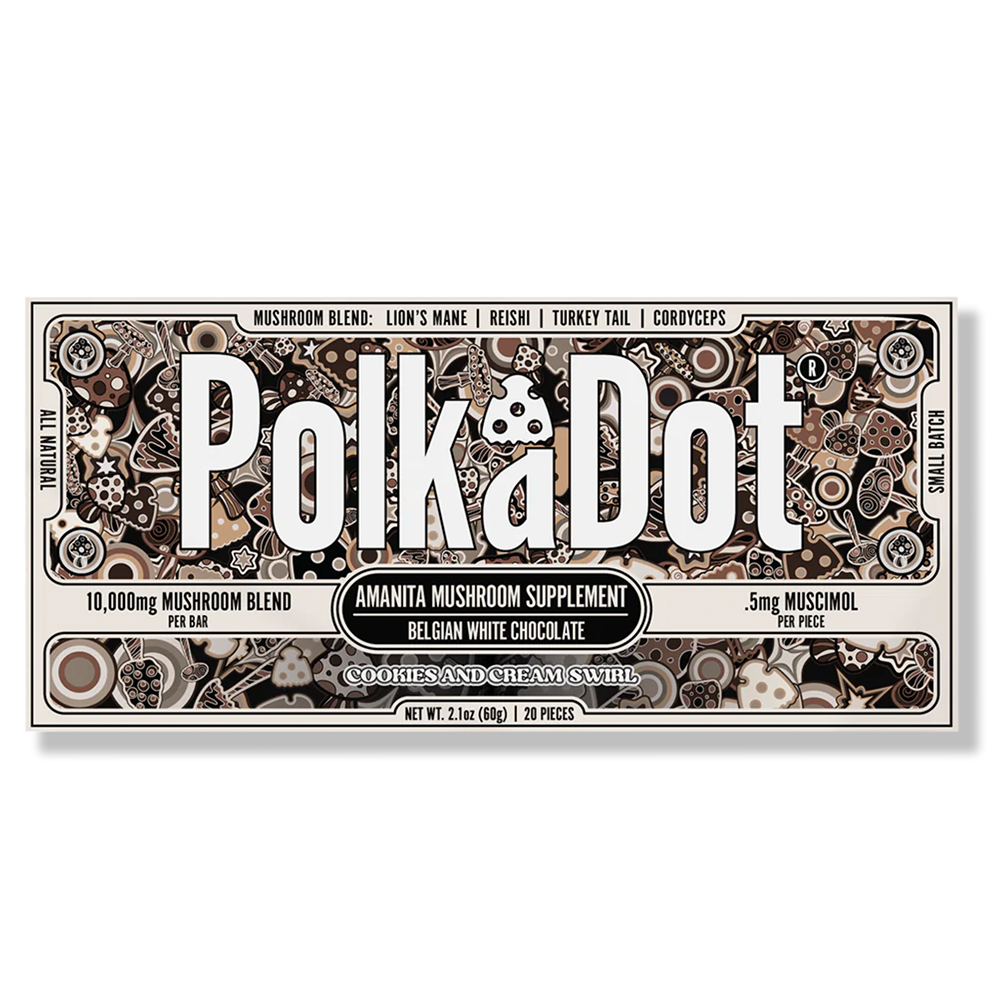
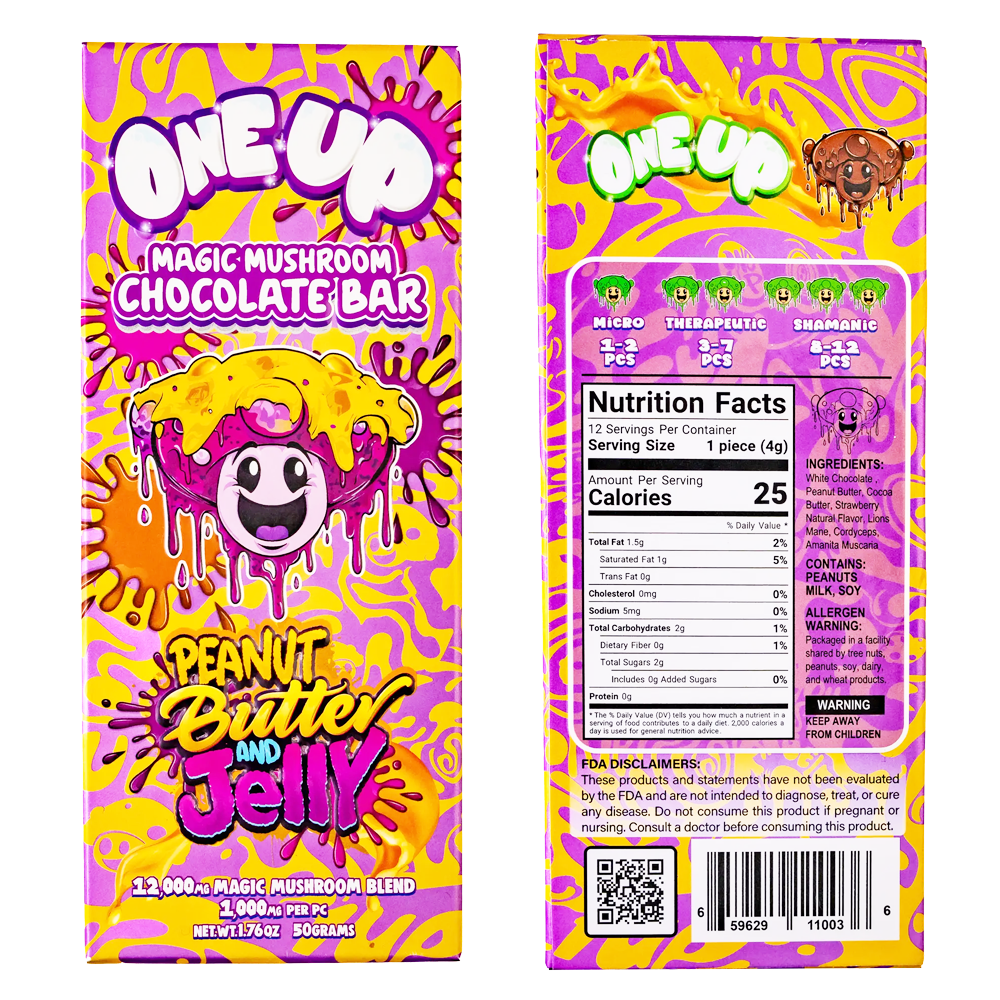
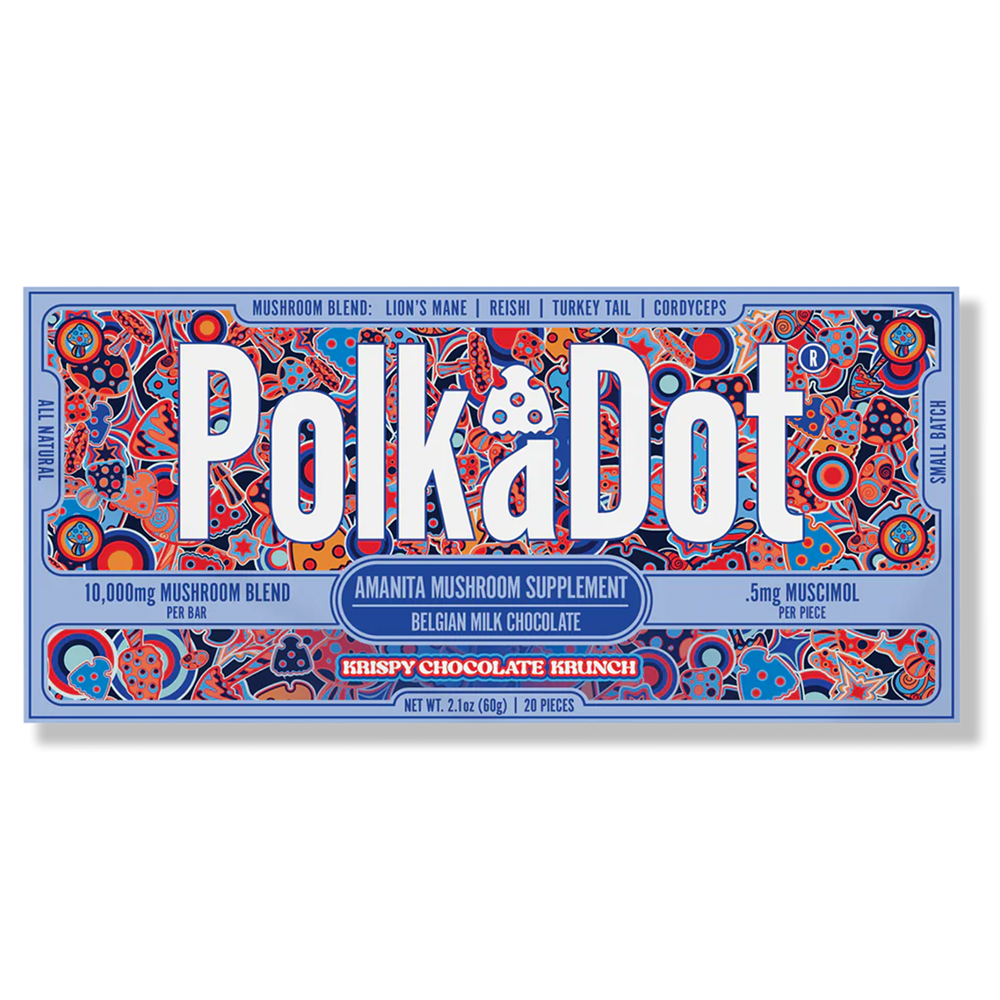
Psychedelic mushrooms, on the other hand, contain compounds like psilocybin or muscimol. Psilocybin is the classic hallucinogenic plants compound found in “magic mushrooms,” while muscimol comes from a lesser-known mushroom called Amanita muscaria mushroom. These mushrooms can alter perception, mood, and consciousness, making them subject to much stricter legal control. However, certain forms—like Amanita muscaria—can legally appear in gummies in many states, which is why this space has exploded in interest.
So what exactly determines whether a mushroom gummy is legal or not? The answer largely depends on the specific type of mushroom used and its active compounds.
Functional mushroom gummies are made from mushrooms that are legally sold as dietary supplements. These don’t contain any hallucinogenic ingredients, which keeps them well within the bounds of federal and state law.
Psychedelic mushroom gummies are a bit trickier. Psilocybin is currently listed as a Schedule I controlled substance under federal law, meaning it’s illegal in most parts of the U.S.—though decriminalization efforts are spreading. However, not all psychoactive mushrooms are banned. For example, Amanita muscaria, which contains muscimol instead of psilocybin, is legal in most states and has become a legal workaround for companies looking to offer a legal “trip” without breaking the law.
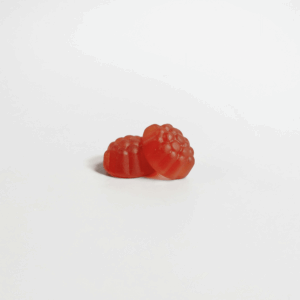
When shopping for legal mushroom gummies, you’ll usually come across one of the following:
Each type targets a different goal, whether it’s better focus, a calm mind, immune support, or a gentle psychedelic effect. And while the ingredient lists can be a bit mysterious at times, knowing what to look for will help you choose safely and legally.
The ingredients in mushroom gummies vary depending on their purpose, but here are some common players you’ll find on the label:
Always read the label carefully to verify dosage, active ingredients, and any potential allergens or additives.
The way mushroom gummies work in the body depends on the type of mushroom they contain. Functional mushrooms like lion’s mane or cordyceps often work through long-term, cumulative effects by supporting brain health, energy levels, and the immune system. These typically interact with biological systems by enhancing nerve growth factor (NGF), modulating inflammation, or supporting mitochondrial function. Additionally, these are often offered as proprietary mushroom blends.
On the other hand, psychoactive mushrooms like Amanita muscaria interact with different parts of the brain. Muscimol, for example, binds to GABA receptors and produces sedative, dream-like effects. These tend to kick in within 30 to 90 minutes and can last several hours depending on dosage.
Because mushroom edible products like gummies are ingested, they’re absorbed through the digestive tract, which affects onset time and intensity. It’s a slower, more gradual experience compared to smoking or sublingual administration—but also tends to be smoother and longer-lasting.
Functional mushroom gummies have carved out a solid space in the wellness world for good reason. While they’re not magic pills, they do offer a range of science-backed benefits, including:
Since these mushrooms aren’t psychoactive, they can be taken daily and stacked with other supplements without major risk.
The answer is… sort of. Psychedelic mushroom gummies that contain psilocybin are still federally illegal, but momentum is building around decriminalization and therapeutic use. Oregon and Colorado have taken the lead in legalizing psilocybin for supervised adult use, and several cities like Denver, Oakland, and Washington D.C. have decriminalized possession.
That said, commercial sale of psilocybin-infused gummies is still generally illegal unless you’re in a state-approved therapeutic setting. Outside of that, you might find “microdose” psilocybin products in certain gray-market dispensaries or online shops that operate under local protections—but buyer beware. The laws vary by city, and you’re still taking legal risks.
If you’ve seen mushroom gummies marketed as “trippy” or “psychoactive” but still legal, chances are they contain Amanita muscaria. Known for its red cap and white specks, this mushroom is completely different from psilocybin mushrooms in both chemistry and effect.
The active compound in Amanita muscaria is muscimol, not psilocybin. It works through the GABA system rather than serotonin receptors, resulting in effects that are more sedative, dream-like, and sometimes euphoric or dissociative.
These gummies are legal in most states because muscimol isn’t a controlled substance at the federal level. However, the effects can be unpredictable and are very dose-dependent, so they’re not recommended for first-timers without doing some serious research.
For the most part, functional mushroom gummies are considered safe when sourced from reputable brands and taken as directed. Functional species have long histories of traditional use and are widely recognized as non-toxic.
The psychoactive options are where things get more complex. Amanita muscaria has a narrow therapeutic window, meaning that too little may do nothing and too much can lead to unpleasant or even toxic experiences. Likewise, any unregulated product—especially from unknown online retailers—carries the risk of mislabeling or contamination.
When in doubt, opt for products with third-party lab testing, clear labeling, and transparent sourcing. And if you’re new to mushroom edibles, always start low and go slow.
Picking the right gummy starts with understanding your goals. Are you looking for a mental edge, an immune boost, or something with a little buzz? Once you know what you’re after, keep the following in mind:
A well-made mushroom gummy should make you feel better—not leave you confused, anxious, or questioning your life choices.
The legal status of certain ingredients can make finding mushroom gummies a bit of a scavenger hunt. For functional mushrooms, your best bet is health food stores, supplement retailers, or established e-commerce brands like Hyperwolf. These are widely legal and easily available across the country.
If you’re interested in psychoactive options like Amanita muscaria gummies, online retailers tend to dominate the space. Just make sure the seller is legitimate and that they offer COAs. Some cannabis dispensaries also carry them, particularly in states with more progressive laws.
Be cautious with novelty sites, gas stations, or vendors without clear ingredient lists—those are red flags for questionable quality.
If you’re mushroom-curious and want a user-friendly, flavorful introduction to the world of fungi, legal mushroom gummies are a solid place to start. Whether you’re focused on enhancing your mental clarity with lion’s mane or exploring altered states with Amanita muscaria, there’s something out there for nearly every level of experience and curiosity.
Just remember: not all mushroom gummies are created equal. Doing your homework goes a long way toward ensuring a safe, effective, and totally legal experience. And if you’re ever unsure, stick to the functional stuff—your brain, body, and local law enforcement will thank you.

Jun 22, 2026 Jenna Renz

Jun 22, 2026 Jenna Renz

Jun 22, 2026 Jenna Renz