What Are Mushroom Gummies? A Complete Guide

Ship to
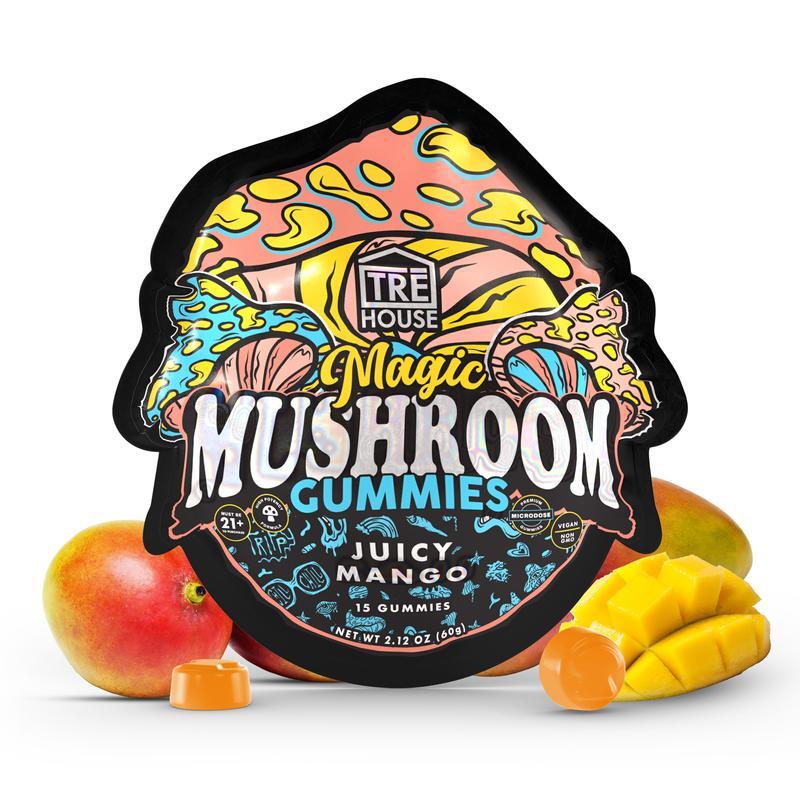
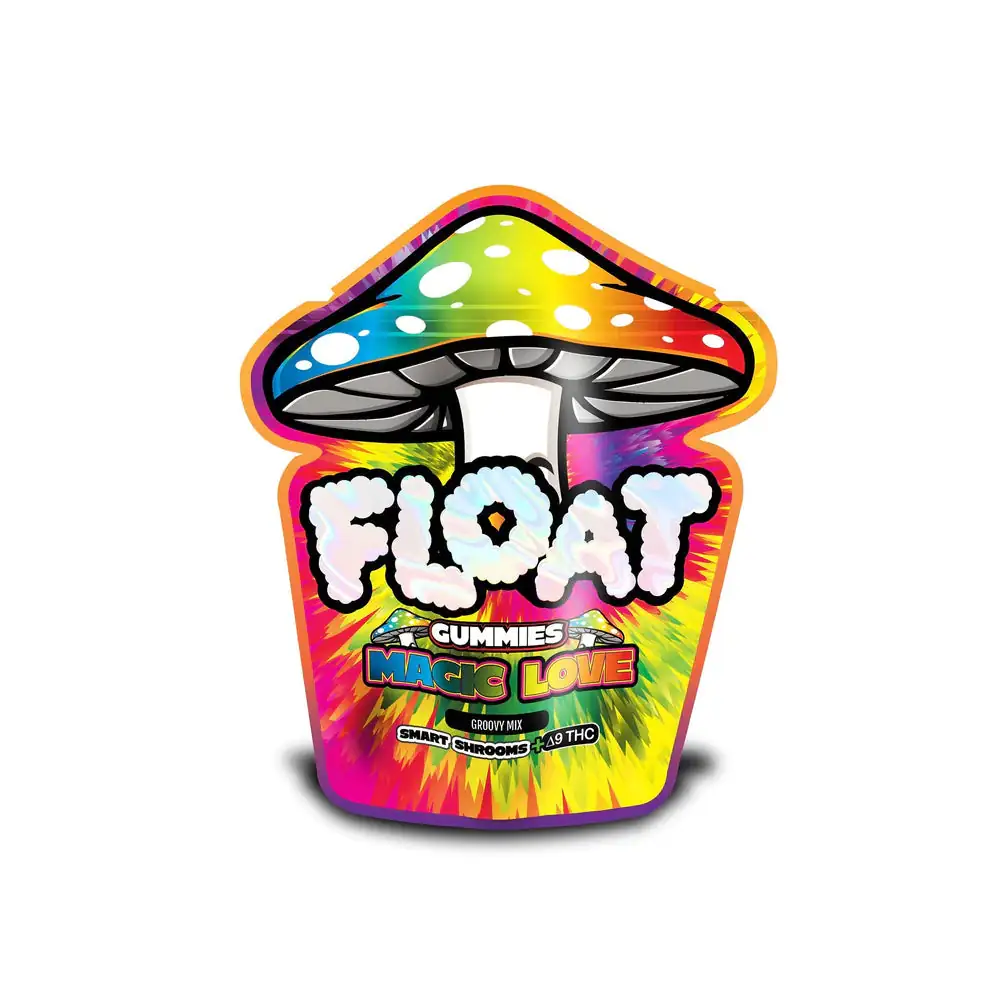
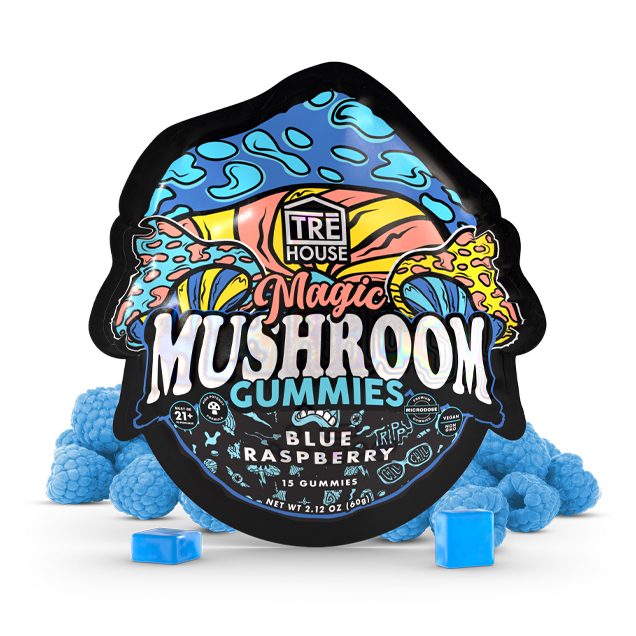
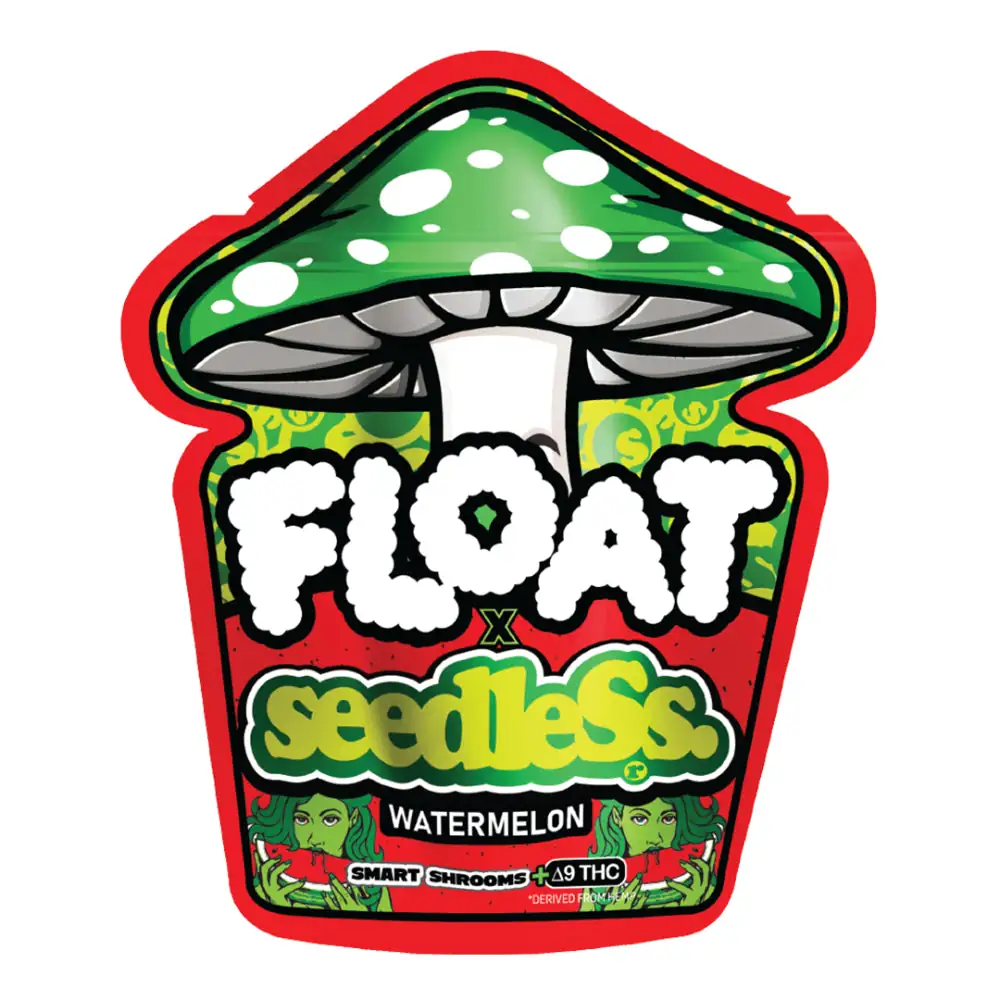
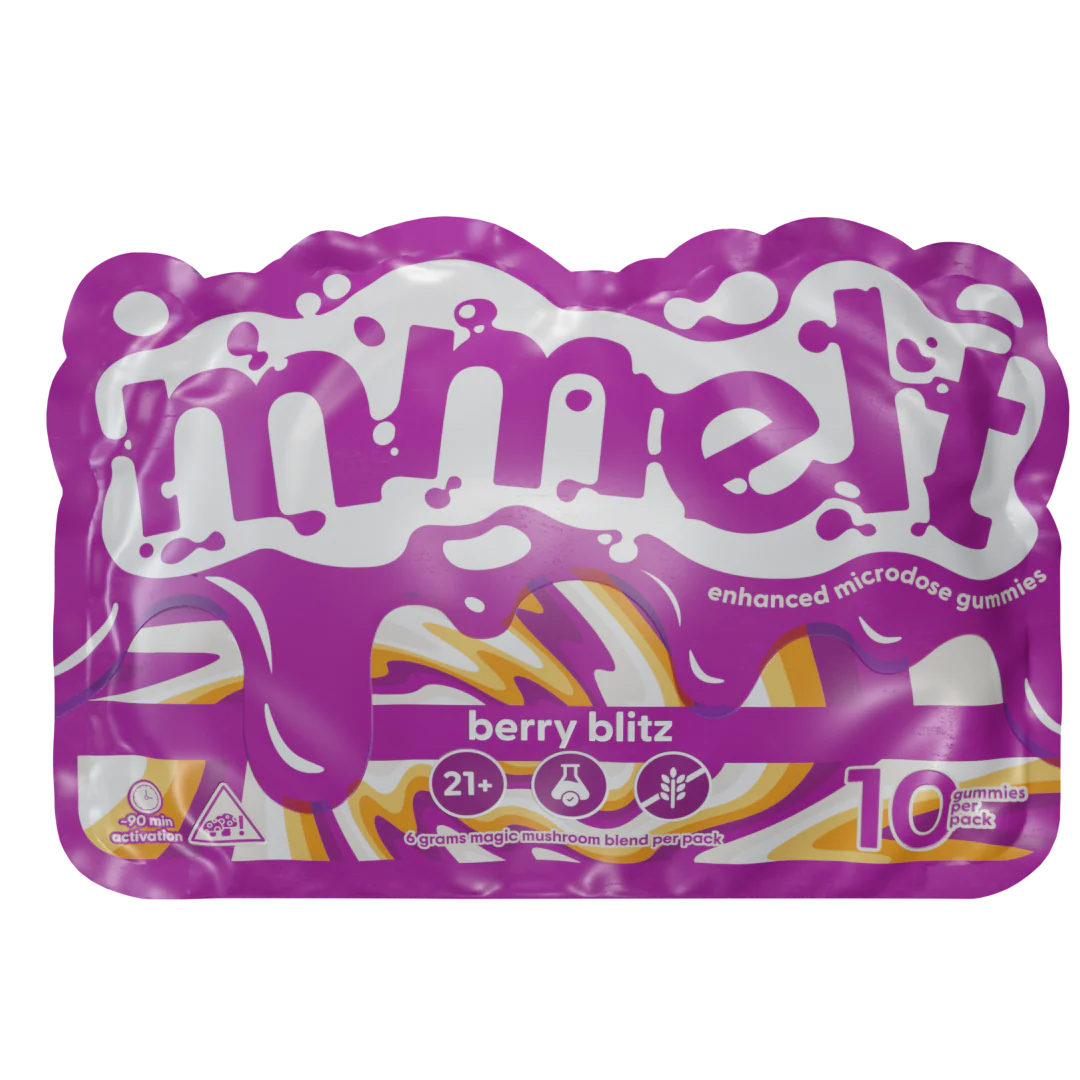
If you’ve noticed the rise of mushroom gummies on shelves at smoke shops, vape shops, gas stations, and online, you might be wondering: what are mushroom gummies and why are people consuming them? Mushroom gummies are a type of mushroom edibles that combine powdered mushroom extracts with sweeteners and gelling agents to create chewable, tasty supplements.
People consume mushroom gummies for a variety of reasons: some seek the health benefits of functional mushrooms like lion’s mane and chaga, while others are interested in the effects of psychedelic mushrooms such as psilocybin. As the popularity of mushroom nootropics grows, these products are increasingly marketed as convenient, discreet, and consistent alternatives to teas, tinctures, or capsules. However, it’s important to understand both their potential benefits and the risk factors involved.
The ingredients in mushroom gummies vary widely depending on their intended effect. Functional gummies typically feature non psychoactive mushrooms such as lion’s mane, reishi, or chaga, which are rich in active compounds like beta-glucans, antioxidants, and other identified compounds believed to support cognitive function, immune health, and overall wellness. These are often sold as dietary supplements in carefully measured doses.
On the other hand, hallucinogenic mushroom gummies contain psychedelic mushrooms like psilocybin or amanita muscaria mushrooms, which contain hallucinogenic compounds such as psilocin and ibotenic acid. While psilocybin-containing gummies are controlled substances in the U.S., amanita muscaria products are sometimes sold in specialty markets. The active compounds in these mushrooms interact with the brain’s serotonin receptors, leading to psychoactive effects.
It’s worth noting that not all mushroom edibles are safe. Some products may contain unknown compounds or potentially harmful substances, including undisclosed ingredients, which is why lab tested gummies from reputable sources are strongly recommended. Cases reported by America’s poison centers and the Blue Ridge Poison Center have shown that ingestion of unsafe products can lead to undesired symptoms, including nausea, chest pain, and in rare cases, more severe outcomes.
Mushroom gummies can broadly be categorized into three groups: functional, medicinal, and psychedelic.
Functional and medicinal gummies are often marketed as mushroom nootropics or dietary supplements. These may include lion’s mane for cognitive support, reishi for stress management, or chaga for immune support. These products generally contain non psychoactive mushrooms and have been lab tested to ensure consistent potency. Consumers looking for health benefits and wellness support tend to favor these products.
Psychedelic gummies include magic mushroom products and hallucinogenic mushroom gummies. They can contain psilocybin, psilocin, or amanita muscaria extracts. Products with high potential for psychoactive effects are increasingly appearing at vape shops, specialty smoke shops, and some online marketplaces. These gummies are often used for microdosing or recreational purposes but come with legal and safety considerations.
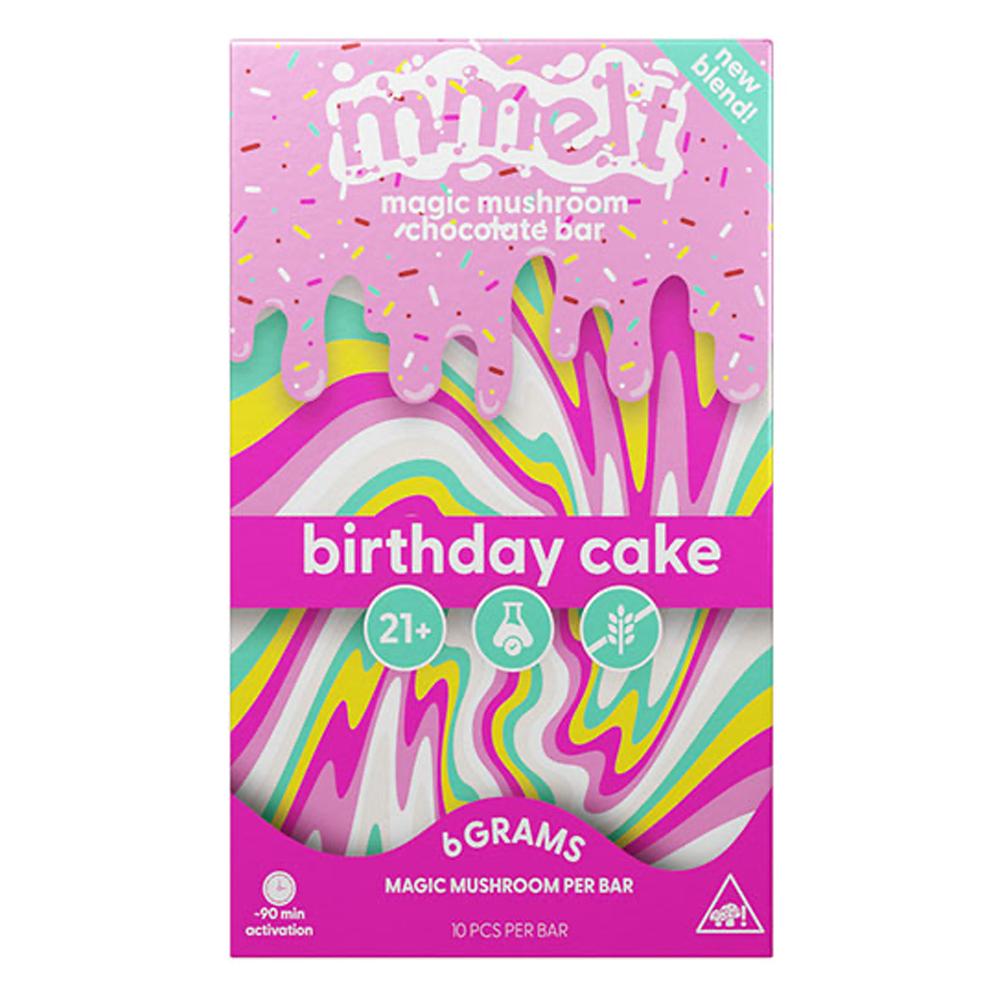
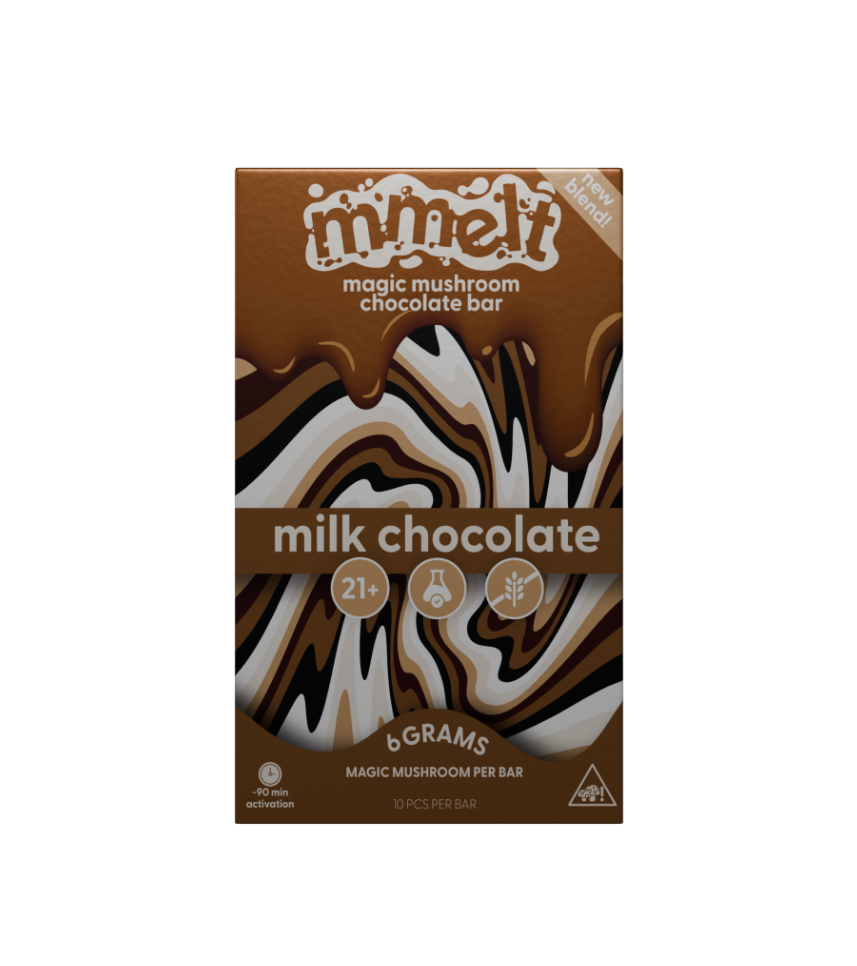
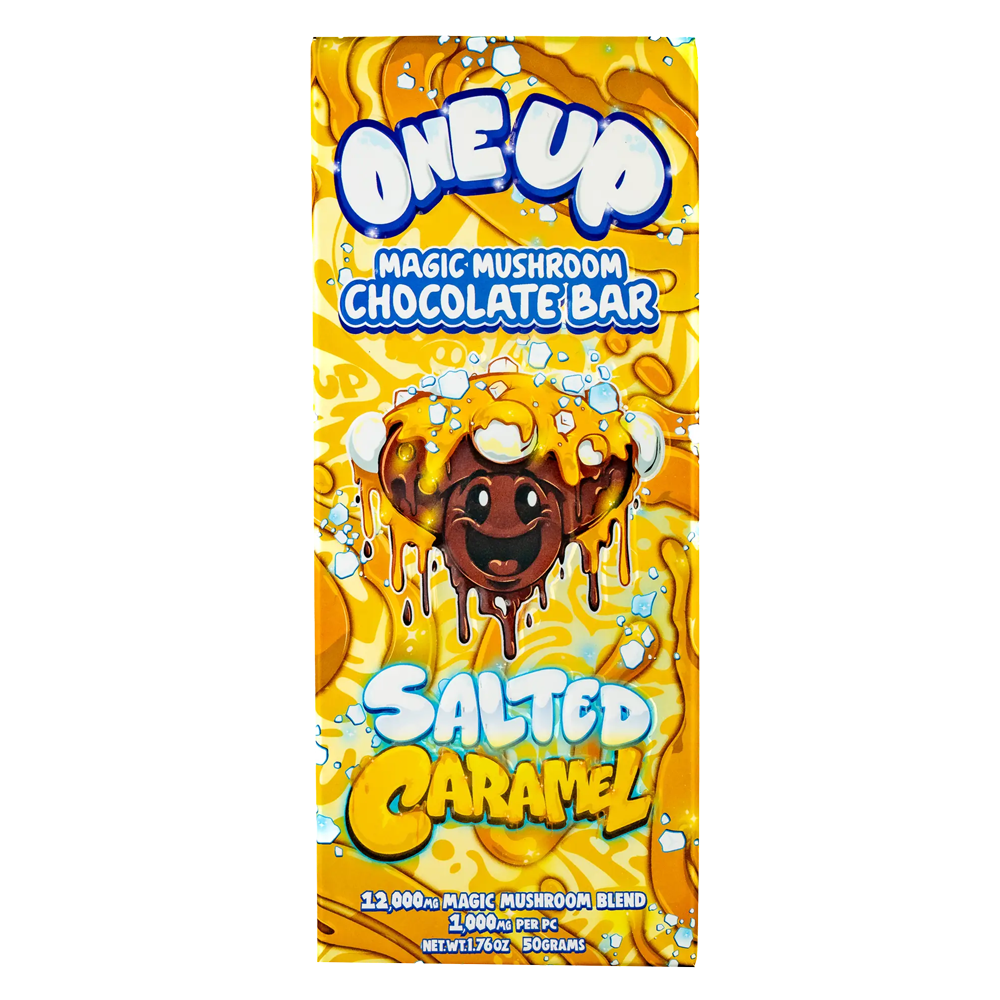
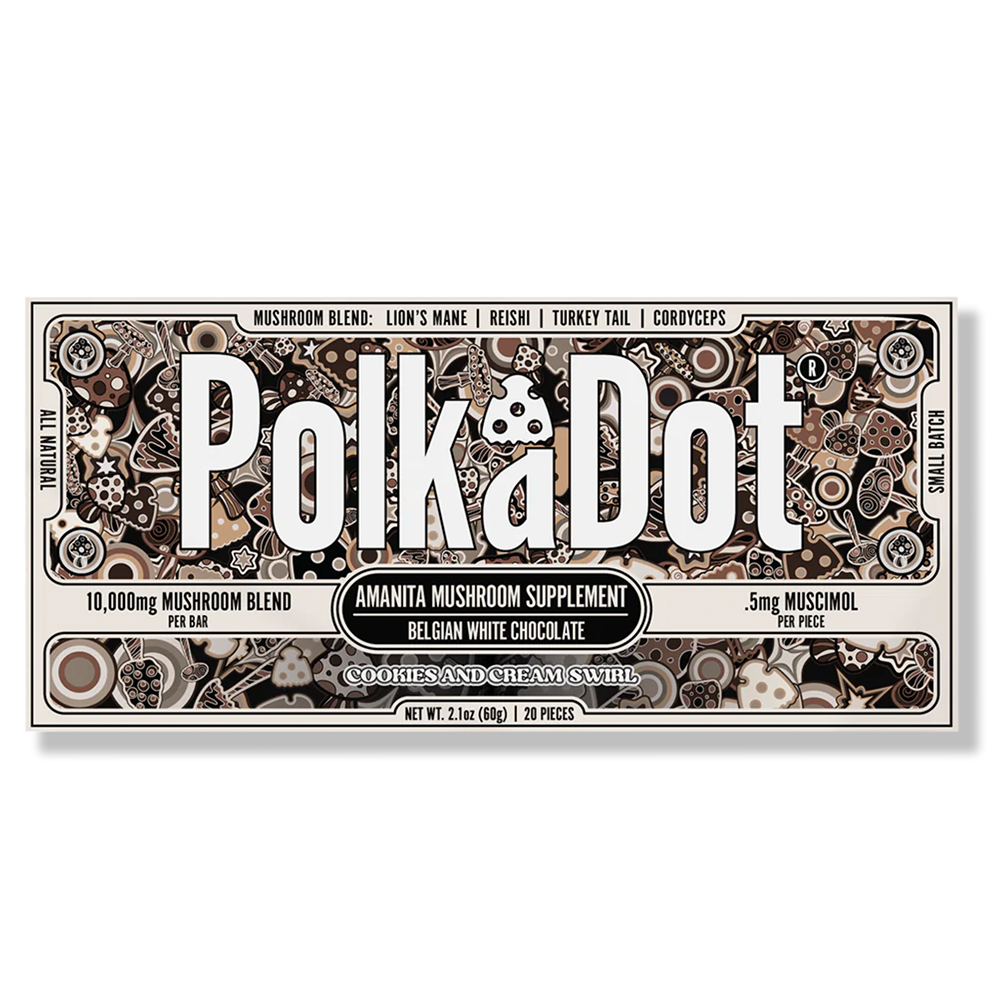
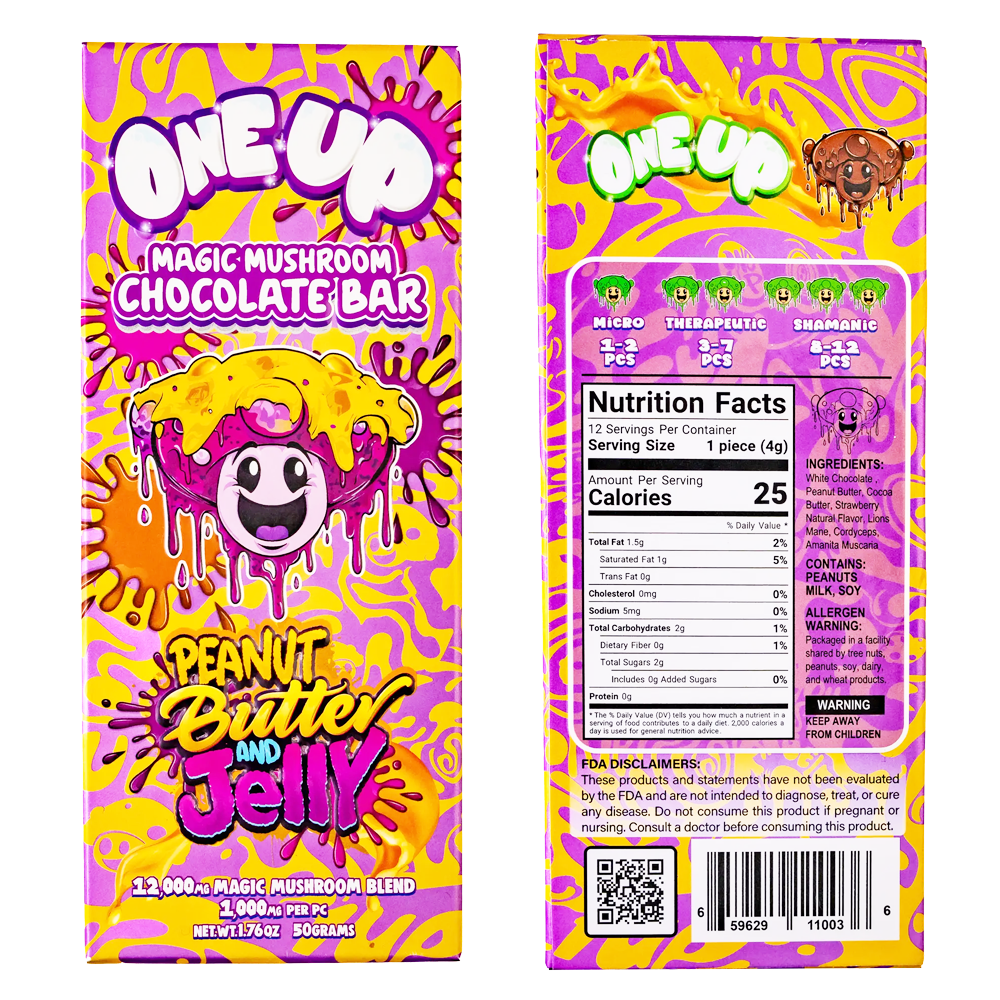
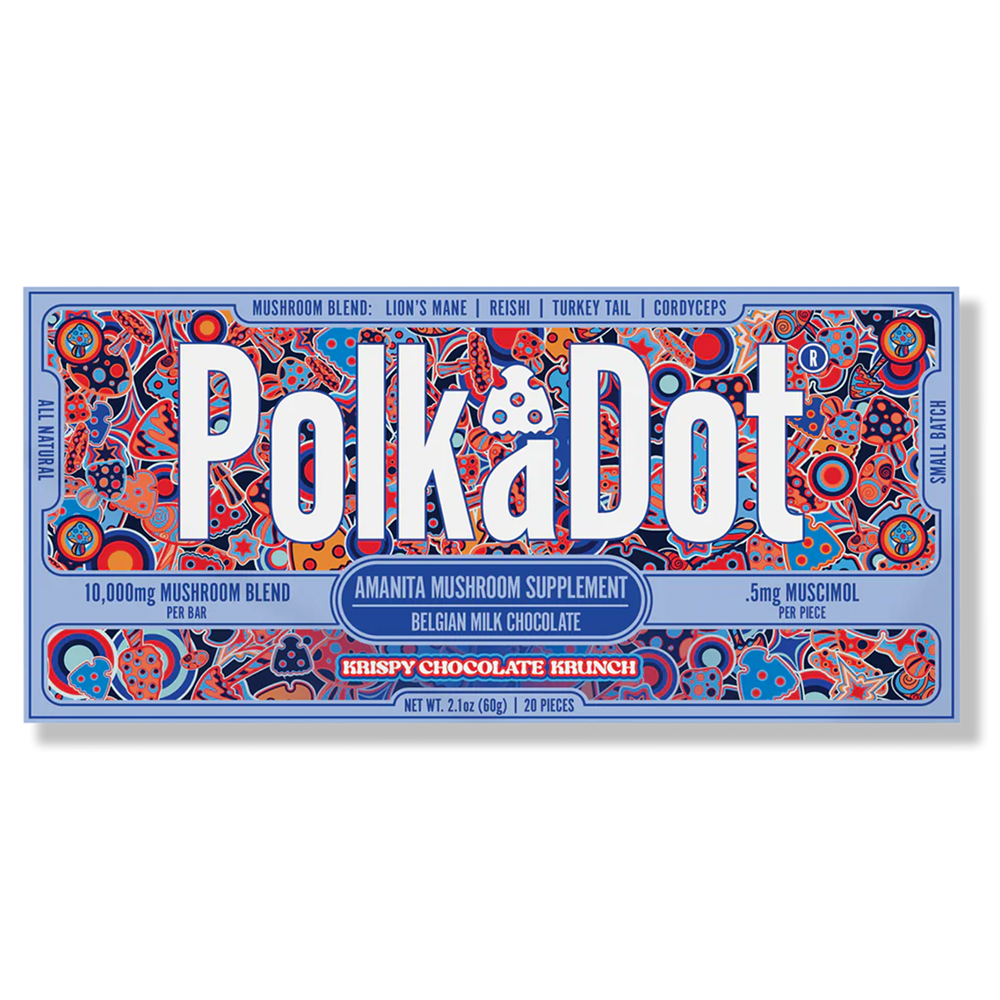
Some of the specific brands producing these products have raised public concern. Reports, including those in NBC News and Mortality Weekly Report, note incidents involving three deaths linked to hallucinogenic mushrooms purchased as chocolate bars or gummies. These cases highlight the risk posed by products with undisclosed ingredients, unknown compounds, or high potential for abuse.
Mushroom gummies marketed for functional purposes offer a range of potential benefits. For example, lion’s mane gummies are frequently used as mushroom nootropics, supporting focus, memory, and cognitive performance. Reishi and chaga are considered adaptogens and may aid in stress management, sleep quality, and overall wellness support. Gummies provide a convenient, consistent, and discreet way to consume these beneficial compounds.
Some mushroom edibles safe for daily consumption also include combinations with caffeine, vitamins, or herbal ingredients, providing a synergistic effect for energy or relaxation. People tend to find gummies easier to integrate into daily routines compared to teas or capsules, since the dosage is pre-measured, and the taste is more palatable.
However, when it comes to hallucinogenic mushrooms, the benefits are more controversial. While psilocybin is being studied for its potential in mental health treatment, including depression, anxiety, and opioid like effects on certain neural pathways, the FDA still considers such compounds high potential substances with no currently accepted medical use outside clinical trials.
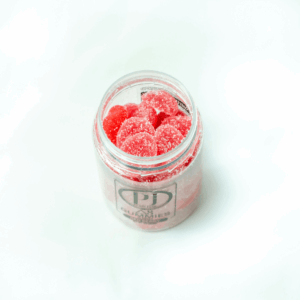
Mushroom gummies work through their active compounds, which affect different systems in the body depending on the mushroom species. Non psychoactive mushrooms like lion’s mane or reishi contain compounds that may influence the nervous system, immune system, and gut microbiome, promoting overall health benefits. These compounds are often extracted and measured using methods like liquid chromatography to ensure potency and consistency.
Hallucinogenic mushroom gummies, on the other hand, work by altering neurotransmitter activity in the brain. Psilocybin is converted to psilocin, a hallucinogenic compound that binds to serotonin receptors, producing psychoactive effects. Amanita muscaria mushrooms act differently, with ibotenic acid and muscimol contributing to opioid like effects, hallucinations, and changes in perception. These interactions can lead to undesired symptoms if the product is misused or contains undisclosed ingredients.
Because of these potential effects, it’s critical that consumers understand the risk and safety associated with the type of gummies they’re consuming. Emergency medicine and poison control centers, including America’s poison centers and the Blue Ridge Poison Center, report incidents where individuals experience chest pain, nausea, or other adverse effects after consuming improperly labeled gummies.
When it comes to dosage, mushroom edibles vary depending on whether they are functional or psychedelic. Functional gummies typically come in consistent, lab-tested doses, often ranging from 250–500 mg per serving for lion’s mane or reishi, while psychedelic gummies require careful attention to psilocybin or amanita muscaria content.
Safety considerations are critical. Consumers should be aware of:
A few high-profile cases have been documented in NBC News and Mortality Weekly Report, including three deaths linked to hallucinogenic mushroom gummies with undisclosed ingredients. FDA warnings and guidance from medical toxicology experts emphasize sourcing from lab tested brands with clear ingredient labeling to minimize risk.

For those using mushroom gummies as part of a wellness routine, it’s important to start with functional or medicinal varieties. Gummies marketed for cognitive enhancement or stress management are generally safe for daily use when sourced from reputable brands. They can be taken alongside meals or as part of a morning or evening routine to support focus, relaxation, or immune function.
For psychedelic mushrooms, consumers must exercise caution. Start with microdosing under guidance and avoid mixing with other substances. Magic mushroom products should only be purchased from trusted sources to avoid undisclosed ingredients and unknown compounds that could lead to undesired symptoms. Tracking effects over time can help determine optimal dosing and ensure safety.
Whether for wellness or experimentation, the convenience of mushroom gummies—compared to chocolate bars, teas, or tinctures—makes them an appealing choice. With proper knowledge, responsible use, and attention to safety and legal considerations, these mushroom edibles offer a practical way to incorporate active compounds into your daily routine.

Jun 22, 2026 Jenna Renz

Jun 22, 2026 Jenna Renz

Jun 22, 2026 Jenna Renz