What Is CBN? The Cannabinoid Science Behind Cannabis and Relaxation

Ship to
What is CBN? CBN, short for It’s having a moment for one simple reason: people want calmer nights and smoother evenings, and CBN has become one of the most talked-about “nighttime” cannabinoids. Not because it’s magic. Not because it’s proven to knock you out on command. But because the biology is plausible, the early research is intriguing, and real-world product formulations keep putting it in the relaxation lane. Important note before we go any further: this is the science explainer. Not a “CBN for sleep” buying guide. No shopping list, no “take this and you’ll be out in 12 minutes” nonsense. Just the fundamentals, with a clear-eyed look at what we know, what we don’t, and why CBN keeps popping up in cannabis and hemp products. CBN is a mildly psychoactive cannabinoid that forms when THC oxidizes and breaks down over time. Translation: it’s often associated with aged cannabis. That classic “this weed is old and kinda sleepy” folklore? CBN is part of the reason that story exists, although the full explanation is more complicated than one molecule. CBN is one of many cannabinoids produced in the cannabis plant, but it’s not typically produced in high amounts in fresh flower. It’s best understood as a degradation product. Here’s the key chemistry idea: CBN is structurally similar to THC, but not identical. That similarity matters because structure influences how a compound interacts with receptors in your body. And yes, CBN exists naturally in cannabis. But it often appears in higher levels when THC has had time to oxidize. CBN is, in a very real sense, what THC becomes when it’s been left out in the sun too long. The simplified version goes like this: The factors that speed this up include: If THC is the fresh loaf of bread, CBN is the crouton. Same origin story, different vibe. Both. So yes, you can see CBN on labels in the hemp market, often paired with CBD and sometimes with small amounts of THC (depending on legal compliance and product type). CBN is generally considered mildly psychoactive, but it’s much less intoxicating than THC. That “psychoactive” label scares people because it sounds like you’re about to start arguing with your toaster. In reality, CBN’s receptor activity appears weaker than THC’s. Many people report it feels subtle, especially when combined with CBD or when THC content is low. Two practical points: Be strict with labels. Be stricter with yourself. If you need to stay sharp, treat any cannabinoid product with respect. To understand CBN, you need a quick tour of the endocannabinoid system (ECS). This is your body’s internal network that helps regulate balance, including things like: The ECS includes: The two headline receptors are: CBN interacts with these receptors, but not with the same punch as THC. Here’s the general idea researchers discuss: The important takeaway: CBN is not “just like THC.” It’s more like THC’s quieter cousin who still shows up at the party but doesn’t hijack the playlist. Cannabinoids rarely act on one receptor and call it a day. Beyond CB1 and CB2, cannabinoids can influence other systems that may relate to relaxation, discomfort, and sedation-like effects. Researchers commonly explore cannabinoid interactions with targets like: This is one reason cannabis effects can feel “whole-body.” It’s also why it’s hard to promise one clean, single effect from one cannabinoid in the real world. CBN’s reputation comes from a mix of: But here’s the honest version: the evidence for CBN being reliably sedating in humans is still limited. That doesn’t mean it does nothing. It means science has not fully caught up with marketing, and marketing has never been known for its patience. What we can say responsibly: People confuse CBN and CBD because the names are similar and both get marketed as “chill.” But they’re different cannabinoids with different pharmacology and typical use cases. If CBD is your everyday decaf latte, CBN is the evening tea blend that might include something herbal you can’t pronounce. Think of THC and CBN as part of a timeline: THC is typically: CBN is typically: They can coexist in products, and when they do, the overall effect depends on the ratio and dose. You’ll hear about the “entourage effect,” the idea that cannabinoids and terpenes may work better together than alone. Could CBN feel different when combined with CBD, THC, and certain terpenes? Absolutely plausible. But keep your feet on the ground: Use the concept as a hypothesis, not a guarantee. You'll most often find CBN in products designed for evening use, relaxation routines, or general unwinding. Common formats include: These frequently combine CBN with CBD, sometimes THC (depending on the product and legal status), and sometimes calming terpenes or botanical ingredients. This is where CBN has really carved out its identity. Not as a daytime focus cannabinoid. As a "turn the volume down" cannabinoid. Do this. Every time. Be boring. Be skeptical. Boring and skeptical is how you avoid buying expensive candy with vague promises. Legality depends on where you live and how the product is made. In many places in the U.S., hemp-derived products are sold under rules tied to hemp definitions and THC limits, but enforcement and interpretations vary by state. Some jurisdictions treat certain cannabinoids more strictly, especially when they’re synthesized or converted from other cannabinoids. Bottom line: check your local laws and don’t assume a product is legal everywhere just because it has a nice website. Because human research is still developing, CBN doesn’t have the same robust safety profile as more established cannabinoids. That said, common-sense cannabinoid precautions apply. Potential issues people report with cannabinoids (including CBN-containing products) can include: Be extra cautious if you: Start low. Go slow. Repeat for the people in the back: start low, go slow. CBN is scientifically interesting because: But the research landscape also has limitations: So if you were hoping for a definitive verdict like “CBN equals sedation,” you won’t get it here. What you get instead is the truth: CBN is promising, not proven. And yes, that is still worth paying attention to. CBN is one of the fastest-rising minor cannabinoids after CBG because it fits a clean narrative: It’s also a cannabinoid with a built-in marketing hook: “the aged THC cannabinoid.” It’s a good hook because it’s actually rooted in real chemistry. CBN is cannabinol, a cannabinoid strongly associated with the aging and oxidation of THC. It’s typically less intoxicating than THC, often formulated for relaxation-oriented use, and actively gaining attention as cannabinoid science and consumer interest expand beyond CBD. If you want the short version to remember, use this: CBN is what happens when THC mellows out with age, and your endocannabinoid system may notice. If you’re curious about CBN in real life, not just on the page, explore our hemp-derived CBN products and nighttime formulations designed for relaxation routines. Check the cannabinoid content, review third-party lab results, and choose a format that fits your schedule and tolerance. CBN, or cannabinol, is a minor cannabinoid that forms when THC oxidizes and breaks down over time due to exposure to oxygen, light, heat, and poor storage. It is often associated with aged cannabis and results from the degradation of THC after it has been exposed to these elements. CBN is generally considered mildly psychoactive but much less intoxicating than THC. Its effects are subtle, especially when combined with CBD or present in low amounts. However, if a product contains THC alongside CBN, the THC may contribute more significantly to any intoxicating effects. CBN interacts with the endocannabinoid system (ECS), which regulates balance in the body including stress response, mood, appetite, pain signaling, immune activity, and sleep-wake cycles. The ECS includes receptors like CB1 (mostly in the brain) and CB2 (mainly in immune tissues). CBN's structure allows it to bind differently than THC, influencing its milder effects. Yes. Marijuana-type cannabis with higher THC content can form more CBN over time as THC degrades. Hemp-derived CBN products are typically made by extracting cannabinoids from hemp and converting or isolating them to create CBN-rich formulations. Thus, CBN appears in both markets often alongside CBD and sometimes small amounts of THC. CBN has gained attention for its potential calming properties because early research suggests plausible biological mechanisms for relaxation and smoother evenings. While not proven to induce sleep on command, real-world product formulations frequently include CBN aimed at promoting calmer nights. The main factors speeding up THC's degradation into CBN include exposure to oxygen (air), light (especially UV), heat, time, and poor storage conditions such as loose lids or clear jars placed on windowsills. These environmental elements cause THC molecules to oxidize and break down into compounds like CBN.la/shop/trait/cannabinoids/cbn" rel="noopener noreferrer" target="_blank" style="background-color: transparent; color: rgb(0, 0, 0);"> cannabinol, is a minor cannabinoid most famous for showing up when THC gets old, like a sliced apple that slowly turns brown on the counter.CBN in one line (so you can sound smart at dinner)
What exactly is CBN (chemically speaking)?
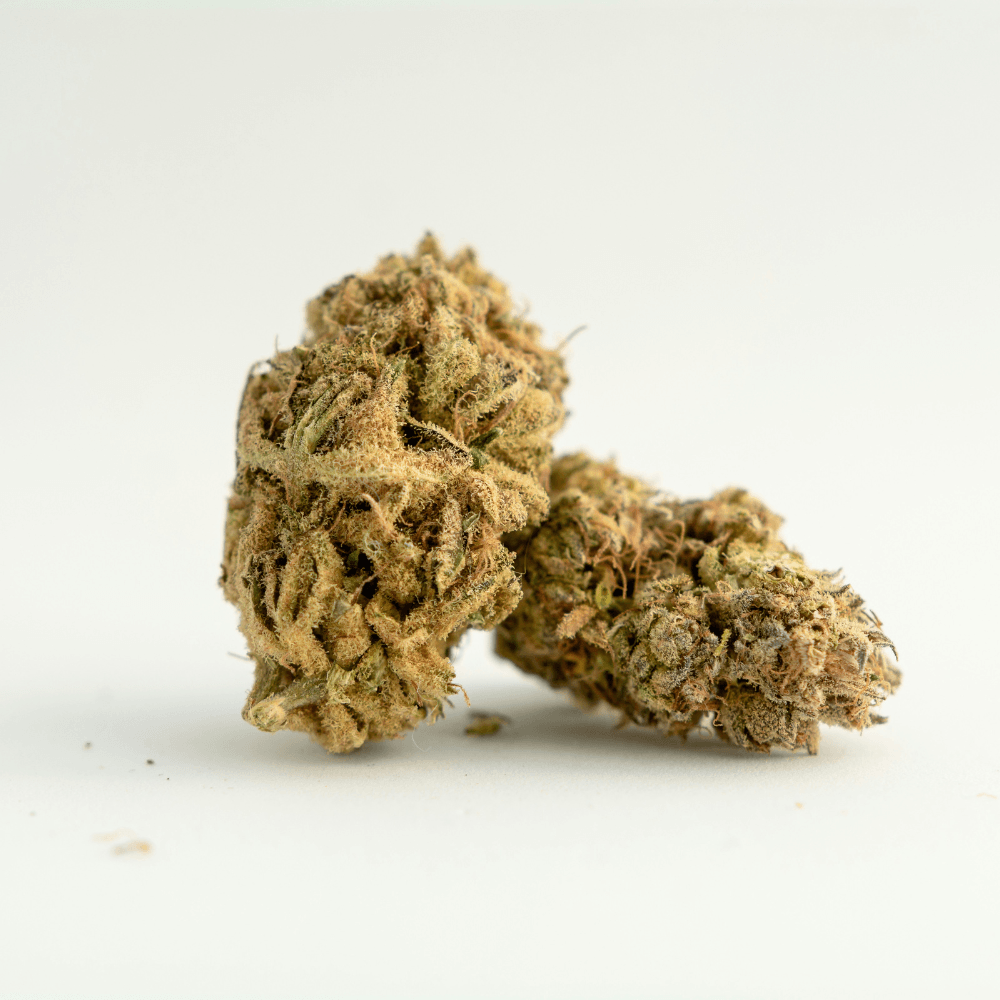
How CBN is formed: the “THC left the chat” pathway
Is CBN found in hemp or marijuana?
Does CBN get you high?
How CBN interacts with the body: the endocannabinoid system basics
CBN and CB1/CB2: similar family, different personality
CBN and other targets (because the body loves complexity)
Why people associate CBN with relaxation and sedation
CBN vs CBD: same shelf, different job descriptions
CBD (cannabidiol)
CBN (cannabinol)
CBN vs THC: the “before and after” cannabinoids
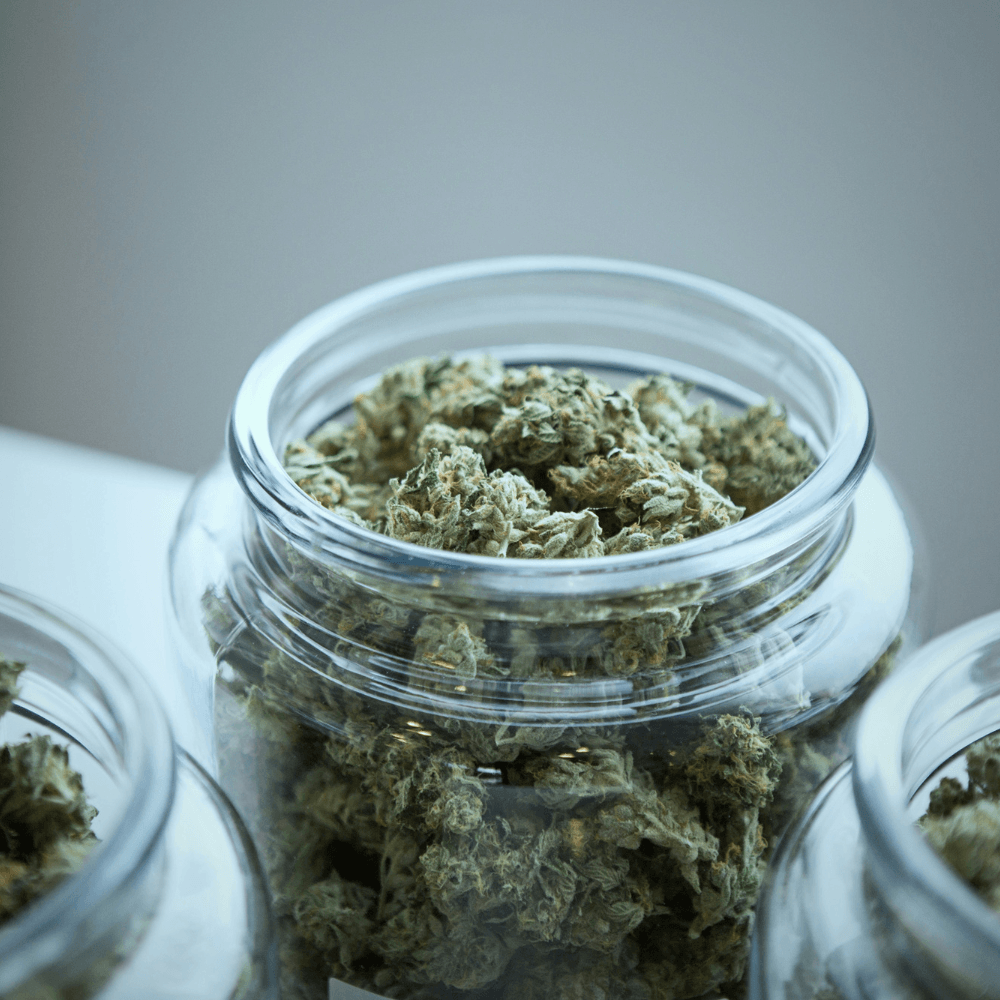
CBN isn’t a solo act: the entourage effect (with a reality check)
Where CBN shows up: common product types
CBN tinctures (oil drops)
CBN gummies
Softgels/capsules
Nighttime formulas
How to read a CBN label without getting played
Is CBN legal?
Safety and side effects: what to keep in mind
The current state of the science (a calm, honest summary)
Why CBN is rising now (and why it’s not going away)
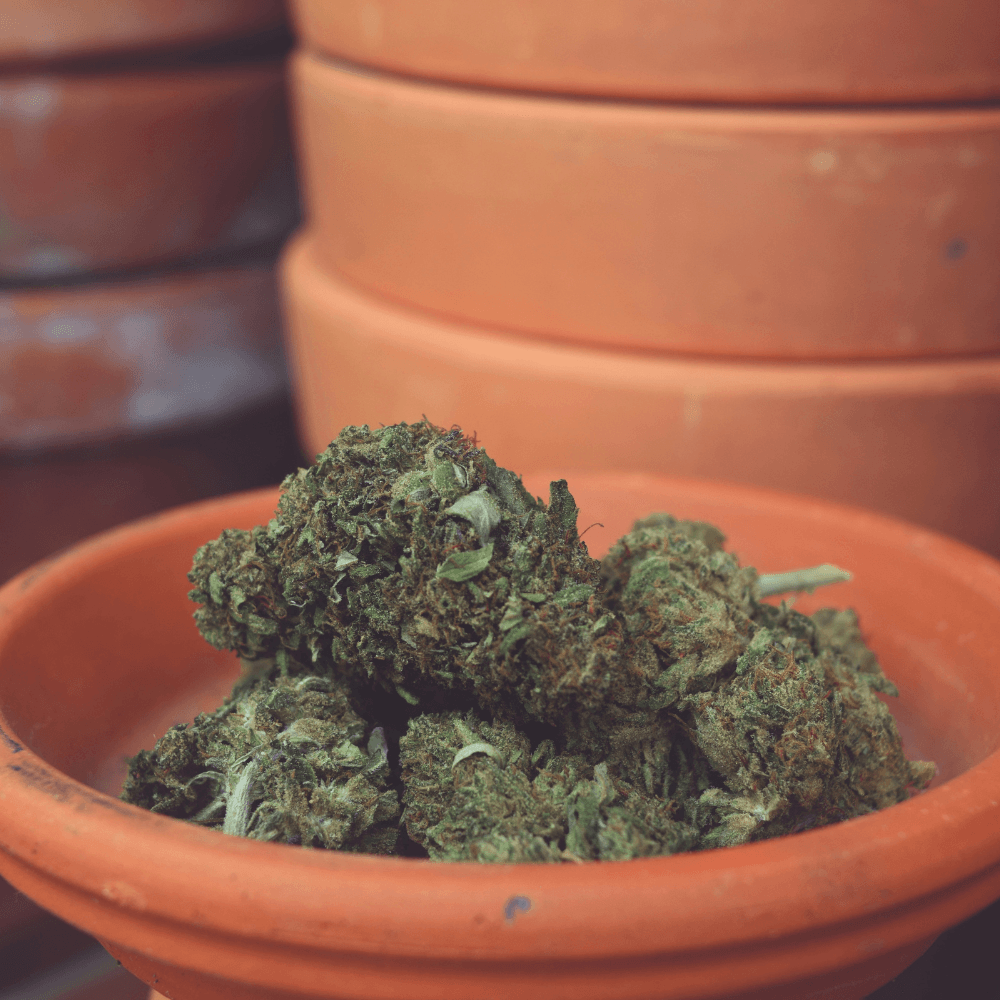
Final takeaway: what is CBN, really?
CTA: Explore hemp-derived CBN products
FAQs (Frequently Asked Questions)
What is CBN and how does it form in cannabis?
Is CBN psychoactive and will it get me high?
How does CBN interact with the body's endocannabinoid system?
Can CBN be found in both hemp and marijuana products?
Why is CBN often linked to 'sleepy' or relaxing effects?
What factors accelerate the formation of CBN from THC?

Apr 30, 2026 Jenna Renz

Apr 30, 2026 Jenna Renz

Apr 30, 2026 Jenna Renz