What is THCh? Effects, Benefits, and How It Differs from THC

Ship to
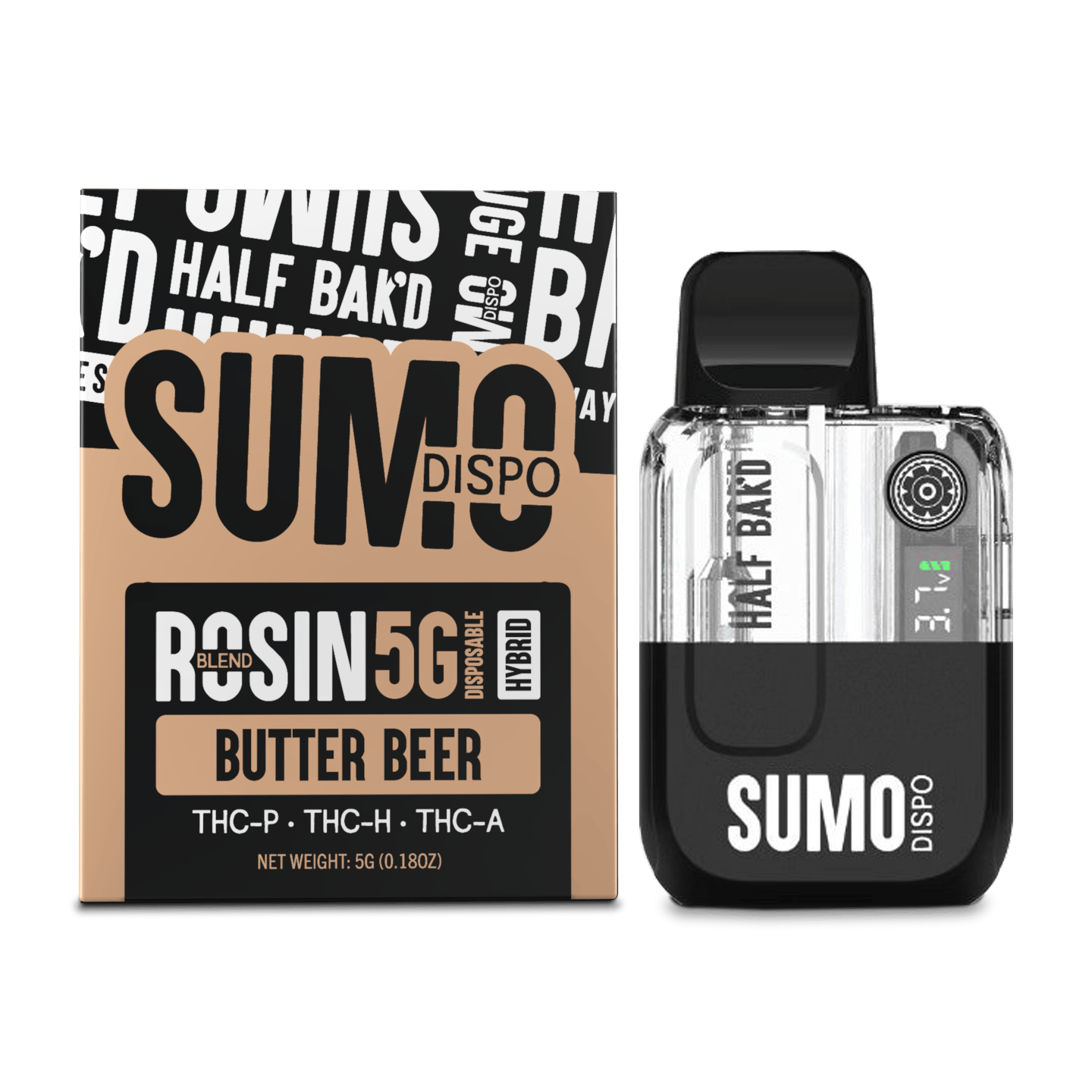
If you’ve been exploring the world of As a brand new cannabinoid, THCh is part of the growing list of hemp-derived cannabinoids that are attracting curiosity from experienced users and researchers alike. Its molecular structure shares similarities with delta 9 THC, but subtle differences in the chemical structure result in distinct properties and intense effects. While preliminary findings are promising, THCh is still in the early stages of study, and anecdotal reports from many users are often the first window into understanding its effects of THCh on the human body. THCh is short for Tetrahydrocannabihexol, a synthetic cannabinoid that also occurs naturally in trace amounts in the cannabis plant. Like other minor cannabinoids, it is structurally similar to delta 9 THC, with a five carbon chain extended to a seven carbon side chain, giving it enhanced potency in some applications. The molecular structure of THCh is fascinating because it allows the compound to interact with the body’s endocannabinoid system in ways that THC p and other cannabinoids do not. This interaction is responsible for THCh psychoactive effects, including intense effects, fast-acting effects, and potential therapeutic benefits such as pain relief and anti-inflammatory properties. One of the first questions people ask is: how does THCh differ from delta 9 THC? Both are psychoactive compounds, but there are notable differences in relative potency, psychoactive effects, and potential benefits THCh offers. This comparison is part of the reason THCh is being explored in medical conditions where cannabinoids interact with the human body to regulate mood, pain, and inflammation. To understand what is THCh, it’s important to look at how it interacts with the endocannabinoid system. Like other cannabinoids, THCh binds to cannabinoid receptors, primarily CB1 and CB2 receptors, which are located throughout the central nervous system and peripheral organs. Because THCh has a longer carbon side chain than delta 9 THC, it may bind more strongly to cannabinoid receptors, resulting in THCh psychoactive effects that are reported to be fast-acting and potent, though effects can vary depending on personal tolerance. The effects of THCh are a mix of psychoactive and physical benefits. While research is still in its early stages, anecdotal evidence and many users reports suggest the following: Because THCh is potent, it’s recommended to start with small doses, especially for those unfamiliar with minor cannabinoids or THC H products. Effects of THCh can vary widely based on body chemistry, dose, and method of administration. THCh is attracting attention in the cannabis research community due to its potential benefits. While clinical studies are limited, preliminary findings and anecdotal evidence suggest the following therapeutic benefits: Some researchers are exploring THCh as a candidate for medical or recreational use, noting its fast-acting effects and psychoactive properties. Like other hemp-derived cannabinoids, THCh may eventually find a place in pain management, anxiety relief, and even neuroprotective therapies. Despite its potential, THCh safe use requires caution. As a psychoactive compound, THCh can produce adverse effects in certain users. Potential risks include: It’s important to use THCh products responsibly. Look for lab-tested THCh distillate, THCh vape cartridges, or THC H edibles from reputable manufacturers. Because THCh is a rare cannabinoid and brand new cannabinoid in the market, legal standards, federal regulations, and local laws should always be considered. The legal status of THCh is still evolving. Unlike delta 9 THC, which is regulated under the Controlled Substances Act, THCh is a hemp-derived product and may be legally sold under certain conditions, depending on: It’s important to note that THCh legal status can vary significantly, and users should always confirm legal considerations before purchasing THCh products for medical or recreational use. THCh can be consumed in several forms, each offering different onset times and potency levels: Tips for safe consumption: So, what is THCh, and why is it generating so much interest? THCh is a rare, naturally occurring cannabinoid with psychoactive properties and potential therapeutic benefits. Structurally similar to delta 9 THC, it offers intense effects, fast-acting euphoria, and potential pain relief, anti-inflammatory properties, and even neuroprotective effects. THCh products such as vapes, edibles, and distillates allow users to experience these effects of THCh, but responsible consumption is crucial. Starting with small doses, choosing lab-tested hemp-derived products, and respecting legal standards are key for safe use. While research is in the early stages, anecdotal evidence suggests THCh may offer unique therapeutic benefits not found in other minor cannabinoids. Whether you are an experienced user or a curious newcomer, understanding THCh safe use, relative potency, and legal considerations ensures a positive experience with this brand new cannabinoid. In final thoughts THCh, it represents a fascinating addition to the cannabis plant’s complex chemistry, expanding our understanding of cannabinoids interact with the human body. As cannabis research continues, we may see THCh taking a meaningful role in pain management, mood regulation, and medical applications, making it one of the most intriguing hemp-derived cannabinoids on the market today. la/"> hemp products and rare cannabinoids, you may have come across a name that’s been gaining attention: THCh. But what exactly is this lesser-known cannabinoid, and how does it compare to delta 9 THC, the primary psychoactive compound in marijuana? In this article, we’ll answer the burning question: what is THCh, dive into its psychoactive properties, explore its potential therapeutic benefits, and examine its legal status for both medical and recreational use.
What Does THCh Stand For?
Comparing THCh to Traditional THC
How THCh Works in the Body
Reported Effects of THCh
Potential Therapeutic Benefits
Risks and Safety Considerations
THCh Legal Status

How to Consume THCh
Conclusion and Final Thoughts on THCh

Jun 22, 2026 Jenna Renz

Jun 22, 2026 Jenna Renz

Jun 22, 2026 Jenna Renz