Which Delta Is the Strongest?

Ship to
The cannabis industry is brimming with innovation, especially with the rising popularity of Delta THC isomers.
The answer isn’t as straightforward as one might think, as “strength” can mean different things depending on the context—psychoactive potency, therapeutic effects, or even overall tolerability. To make sense of it all, this in-depth guide explores the nuances of these Delta cannabinoids, diving into their chemistry, effects, and uses to help you determine which one is the strongest for your specific needs.
While Delta-9 THC has long been the benchmark for cannabis potency, the emergence of Delta-8 and Delta-10 THC has provided consumers with a broader range of options. Each cannabinoid has unique qualities, offering users the flexibility to choose one that aligns with their lifestyle, goals, and tolerance.
Whether you’re a seasoned cannabis consumer or new to the scene, understanding these differences can empower you to make informed decisions.
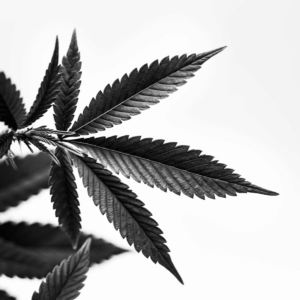
Delta cannabinoids are different THC variants that share a core chemical structure but differ slightly in the positioning of a double bond within their molecular framework. This minor difference in structure profoundly impacts how these cannabinoids interact with the body’s endocannabinoid system. The term “Delta” refers to the placement of this double bond—Delta-8 has its double bond on the eighth carbon chain, Delta-9 on the ninth, and Delta-10 on the tenth.
These structural variations influence not only the potency of their psychoactive effects but also their overall impact on mood, pain relief, and other physiological responses. For example, Delta-9 binds strongly to CB1 receptors in the brain and central nervous system, creating an intense high, while Delta-8 and Delta-10 have weaker affinities for these receptors, resulting in milder effects.
In nature, Delta-9 THC is the most abundant form, primarily found in marijuana. Delta-8 and Delta-10 are present in much smaller quantities and are often derived from hemp through a chemical conversion process. This ability to synthesize Delta-8 and Delta-10 from hemp-derived CBD has made them widely available in states where marijuana remains restricted.
Delta-8 THC has quickly become one of the most talked-about cannabinoids in the cannabis world. Known for its milder psychoactive effects and therapeutic potential, it offers a middle ground between the intensity of Delta-9 THC and the lighter effects of other hemp-derived cannabinoids like CBD.
As a federally legal alternative to traditional THC products, hemp-derived products like Delta-8 have gained traction among those seeking a balanced and approachable cannabis experience without the use of a controlled substance. Whether you’re new to cannabinoids or a seasoned user curious about its unique properties, understanding Delta-8’s chemical makeup, effects, and uses is key to unlocking its potential.
Let’s dive into everything you need to know about this intriguing compound.
Delta-8 THC has garnered significant attention for its milder psychoactive profile. Chemically, it’s nearly identical to Delta-9 THC, with only a subtle shift in molecular structure. This difference makes Delta-8 less potent while still delivering a noticeable “high.”
Its federal legality, thanks to the 2018 Farm Bill, has further boosted its popularity among those seeking a legal alternative to traditional THC products.
The effects of Delta-8 THC are often described as relaxing and uplifting without being overwhelming. Unlike Delta-9, which can sometimes induce anxiety or paranoia in higher doses, Delta-8 offers a smoother experience, making it an excellent choice for those looking to unwind.
Users frequently report feelings of calm, euphoria, and mental clarity. While it is psychoactive, its effects are typically milder, making it suitable for new users or those sensitive to THC.
Delta-8 is valued for its therapeutic potential as well. It is commonly used for stress relief, improving sleep quality, and managing mild pain or inflammation. People experiencing appetite loss also find it helpful, as Delta-8 can stimulate hunger.
With its balanced effects, Delta-8 strikes a chord with individuals looking for a moderate high that doesn’t interfere with daily functioning.
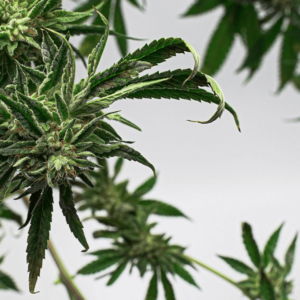
Delta-9 THC is the undisputed heavyweight champion of the cannabis world. As the primary psychoactive compound in marijuana, it has been the defining element of the cannabis experience for decades.
Renowned for its potent effects and extensive therapeutic applications, Delta-9 is often considered the gold standard by which all other cannabinoids are measured. Its ability to deliver intense euphoria and profound relaxation has cemented its reputation among recreational and medicinal users alike.
However, with great potency comes great responsibility, as the effects of Delta-9 can be overwhelming for some. In this section, we’ll explore what makes Delta-9 THC the cornerstone of cannabis culture, its medical benefits, potential drawbacks, and its unique legal status in the evolving cannabis landscape.
Delta-9 THC has been the face of cannabis for decades. As the most prominent cannabinoid in marijuana, it’s responsible for the psychoactive effects of the cannabis plant. Its natural abundance and intense effects have cemented its status as the most well-known and studied potent form of THC.
Delta-9 THC from hemp and cannabis plants is renowned for its powerful psychoactive effects. It produces a deep sense of euphoria, heightened sensory perception, and profound relaxation. However, its intensity can also be a drawback for some users, as higher doses may trigger anxiety, paranoia, or rapid heart rate. These side effects often deter first-time users, emphasizing the importance of starting with small amounts.
Beyond its recreational appeal, Delta-9 THC has a wide range of therapeutic benefits. It’s a proven antiemetic, making it invaluable for patients undergoing chemotherapy. Its pain-relieving properties make it a popular choice for those dealing with chronic conditions like arthritis or fibromyalgia. Moreover, it stimulates appetite, helping individuals with wasting syndromes regain their strength.
Delta-9 THC exists in a legal gray area. While marijuana-derived Delta-9 remains federally illegal, hemp-derived Delta-9 products containing 0.3% THC or less are permitted under federal law.
This distinction has enabled manufacturers to offer a variety of legal Delta-9 edibles and tinctures, expanding access for consumers in restrictive states.
Delta-10 THC is the latest player in the world of cannabinoids, and it’s already making waves for its unique and refreshing properties. Unlike the more established Delta-8 and Delta-9 THC, Delta-10 offers a distinctly uplifting and energizing experience, making it a favorite among those looking for a functional and focused high.
Often described as delivering effects similar to a mild sativa strain, Delta-10 is ideal for daytime use and creative pursuits. With its growing popularity and reputation for providing clarity without heavy sedation, Delta-10 is carving out a niche for itself in the cannabis market.
In this section, we’ll uncover what sets Delta-10 THC apart, explore its effects, and highlight who stands to benefit most from this exciting marijuana plant newcomer.
Delta-10 THC is the newest addition to the Delta family, and its popularity is steadily growing. Like Delta-8, it’s typically synthesized from hemp-derived CBD.
What sets Delta-10 apart is its unique effect profile, often described as uplifting and energizing—a stark contrast to the sedative qualities of Delta-8.
Delta-10 THC offers a lighter psychoactive experience than Delta-9 but provides a more invigorating effect compared to Delta-8.
Many users liken its impact to a mild sativa strain, making it ideal for activities requiring focus, creativity, or productivity. It’s often the go-to choice for daytime use, as it promotes mental clarity and an elevated mood without the risk of drowsiness.
Delta-10 is perfect for individuals seeking a functional high that doesn’t compromise their energy levels. Whether you’re tackling a work project or enjoying outdoor activities, Delta-10 delivers just enough stimulation to keep you engaged and motivated.
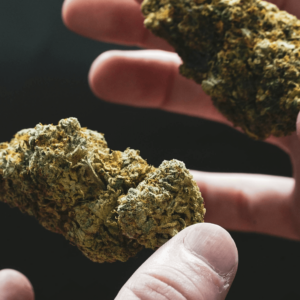
When comparing Delta-8, Delta-9, and Delta-10, it’s essential to consider their psychoactive potency, therapeutic potential, and overall effects.
Each Delta cannabinoid brings something unique to the table, allowing users to tailor their experience to their preferences and needs.
Determining which Delta is the strongest depends on your priorities. If you’re seeking the most intense psychoactive experience, Delta-9 is the clear winner. However, if you value balance and relaxation, Delta-8 may be the better option. For those prioritizing energy and focus, Delta-10 offers unparalleled benefits. The strongest Delta ultimately depends on how you define strength—whether it’s about intensity, therapeutic value, or personal comfort.
In the ever-evolving world of cannabis, Delta cannabinoids have carved out their own unique spaces, offering a diverse range of effects and benefits. Deciding which Delta is the strongest ultimately depends on your individual needs and goals.
Delta-9 THC remains the most potent in terms of psychoactive effects, delivering intense euphoria and relaxation that have made it a cornerstone of cannabis culture. Delta-8 THC, on the other hand, shines as a milder, more approachable option, perfect for those seeking balance and relaxation without overwhelming intensity. Meanwhile, Delta-10 THC offers a refreshing, energizing experience that’s ideal for daytime activities and mental clarity.
When choosing between these cannabinoids, consider factors such as your tolerance level, desired effects, and the legality of each product in your area. Start with a low dose and pay attention to how your body responds. The strongest Delta for one person might not be the best for another, so experimentation and mindfulness are key.
Armed with this knowledge, you can confidently explore the growing world of Delta cannabinoids and discover the one that suits your lifestyle best.


Jun 22, 2026 Jenna Renz

Jun 22, 2026 Jenna Renz

Jun 22, 2026 Jenna Renz