
 Rewards


Walk into any wellness shop today and you’ll face a dizzying array of bottles, tinctures, and gummies. Some scream “hemp!” while others proudly display “CBD!” on their labels. Many folks assume these terms are interchangeable—spoiler alert: they’re not. This mix-up isn’t just semantics; it’s costing people money and leaving them scratching their heads about what they’re actually buying.
The wellness industry has exploded with hemp and CBD products flooding the market faster than you can say “cannabinoid.” From your yoga instructor to your grandmother, everyone seems to be jumping on this green bandwagon. Sales have skyrocketed into the billions, and predictions suggest this trend isn’t slowing down anytime soon.
But here’s the kicker: the difference between hemp and CBD matters a lot when you’re standing in that store aisle or clicking “add to cart” online. One is a plant. The other is a compound extracted from that plant. Confusing them is like mixing up a coffee bean with caffeine—related, sure, but fundamentally different things.
This guide cuts through the marketing fluff and botanical jargon to answer the burning question: what is the difference between hemp and CBD? You’ll walk away knowing exactly what you’re buying, why it matters, and how to spot quality products that actually deliver what they promise.
Understanding Hemp: The Plant Source
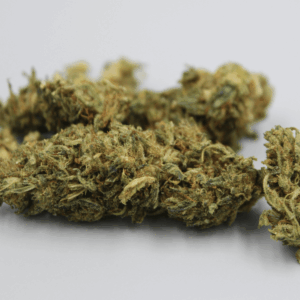
The hemp plant belongs to the Cannabis sativa species—yes, the same family tree as marijuana. Think of cannabis sativa as the genus, with hemp and marijuana as distant cousins who took very different career paths. While they share DNA, their chemical compositions tell completely different stories.
Here’s the hemp definition that matters: hemp is any Cannabis sativa plant containing 0.3% or less THC (tetrahydrocannabinol, the compound that gets you high). That seemingly arbitrary percentage point? It’s the legal dividing line between hemp and marijuana in the United States. Cross that threshold, and you’re dealing with marijuana, regardless of how similar the plants look.
The hemp plant has been used by humans for thousands of years, serving purposes that have nothing to do with wellness trends:
- Textiles and rope: Hemp fibers are incredibly strong and durable, making them perfect for clothing, canvas, and nautical rope
- Building materials: Hempcrete (yes, that’s real) provides insulation and construction material
- Paper products: Hemp paper predates tree-based paper by centuries
- Food and nutrition: Hemp seeds pack protein, omega fatty acids, and minerals—no cannabinoids involved
These industrial applications use different parts of the plant than CBD extraction does. Hemp seeds contain virtually no CBD, while the flowers and leaves are where cannabinoids concentrate. Interestingly, the nutritional benefits of hemp seeds are substantial as they pack protein, omega fatty acids, and minerals—no cannabinoids involved. This distinction becomes critical when shopping for products labeled “hemp.” Additionally, the industrial applications of hemp extend far beyond its use in wellness trends.
Understanding CBD: The Compound
Cannabidiol—better known as CBD—is a single chemical compound, not a plant. Think of it like vitamin C: you can find it in oranges, but vitamin C itself isn’t an orange. The CBD compound exists naturally inside cannabis plants, specifically in the flowers, leaves, and stalks.
Here’s where things get interesting: CBD belongs to a family of over 100 chemicals called cannabinoids. These compounds interact with your body’s endocannabinoid system—a network of receptors that helps regulate sleep, mood, pain response, and immune function. Unlike its notorious cousin THC, CBD doesn’t make you high. Instead, it works behind the scenes, potentially influencing how your body manages stress and discomfort.
The confusion between plants and compounds trips up even savvy shoppers. Hemp and marijuana are plants. CBD and THC are compounds found within those plants. You wouldn’t say “I’m taking orange” when you mean vitamin C, right? Same logic applies here.
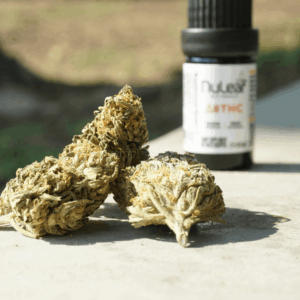
When people talk about “CBD from hemp meaning,” they’re referring to CBD extracted specifically from hemp plants—those cannabis varieties with 0.3% THC or less. Manufacturers use various extraction methods (CO2 extraction being the gold standard) to pull CBD and other beneficial compounds from hemp flowers. The result? Concentrated CBD products that maintain the legal THC threshold while delivering the cannabinoid’s potential benefits.
Chemical Composition Differences Between Hemp and Marijuana
The chemical makeup of cannabis plants reveals the key distinction between hemp and marijuana—and it all comes down to numbers.
THC Levels: The Defining Factor
Hemp contains 0.3% or less THC by dry weight, a threshold established by law rather than biology. Marijuana plants, on the other hand, typically pack anywhere from 5% to 30% THC, with some specially bred strains pushing even higher concentrations.
CBD Concentrations: A Different Story
Hemp plants are often bred to maximize CBD content, sometimes reaching 15-20% CBD while staying under that crucial 0.3% THC limit. Marijuana plants vary widely—some strains are bred for high THC with minimal CBD, while others aim for balanced ratios.
This chemical difference creates dramatically different experiences:
- High THC (marijuana): Produces the characteristic “high”—altered perception, euphoria, increased appetite, and potential anxiety in sensitive individuals
- High CBD (hemp-derived): Offers potential relaxation without intoxication, clearer thinking, and no psychoactive effects
Think of it this way: both plants are cannabis, but their chemical profiles make them as different as wine and grape juice. Same source, wildly different results. The question “What is the difference between hemp and cbd?” becomes clearer here—hemp is the plant variety with low THC, while CBD is just one of many compounds found within it.
Understanding Hemp-Derived Products and Pure CBD Products
When you look at the product labels on the shelf, they can be confusing. You might see terms like Full spectrum CBD vs hemp extract or Hemp oil vs CBD oil. Let’s break it down.
Full Spectrum CBD
Full-spectrum CBD contains all the compounds naturally found in the hemp plant—CBD, trace amounts of THC (under 0.3%), terpenes, and other cannabinoids. Think of it as the whole plant party. The potential benefit? Something called the “entourage effect,” where these compounds supposedly work better together than alone.
Broad Spectrum CBD
Broad-spectrum CBD is full-spectrum’s cautious sibling. It includes multiple cannabinoids and terpenes but with THC completely removed. Perfect for anyone who needs to pass a drug test or just wants zero THC in their system.
CBD Isolate
CBD isolate is the lone wolf—99% pure CBD with everything else stripped away. No other cannabinoids, no terpenes, no THC. Simple, predictable, but potentially missing out on that entourage effect.
The Difference Between Hemp Seed Oil and CBD Oil
Now here’s where people get confused: hemp seed oil vs CBD oil. Hemp seed oil comes from pressing hemp seeds (like squeezing olives for olive oil) and contains zero CBD. It’s nutritious, sure, packed with omega fatty acids, but it won’t deliver cannabinoid benefits. CBD oil, extracted from the flowers, leaves, and stalks, is where the cannabinoid magic happens.
Clarifying Terms: Is CBD the Same as Hemp?
Is CBD the same as hemp? Nope—CBD is from hemp, but they’re not interchangeable terms.
Legal Status and Regulations Surrounding Hemp and CBD Products
The Impact of the 2018 Farm Bill on Hemp-Derived CBD Legality
The 2018 Farm Bill fundamentally changed hemp derived cbd legality across the United States. This landmark legislation removed hemp from the Controlled Substances Act, making it an agricultural commodity rather than a controlled substance. The catch? Your product must contain 0.3% THC or less to qualify as legal hemp under federal law. Cross that threshold by even a fraction, and you’re technically dealing with marijuana, which remains federally illegal.
Federal vs. State Regulations: Understanding the Variances
Here’s where things get spicy: federal legality doesn’t guarantee smooth sailing in every state. While the Farm Bill opened doors nationwide, individual states maintain their own regulatory frameworks. Some states embrace hemp-derived CBD with open arms, while others impose strict restrictions or outright bans.
State-by-state variations include:
- Licensing requirements for retailers and manufacturers
- Age restrictions for purchasing CBD products
- Specific labeling and testing mandates
- Limits on where CBD products can be sold (pharmacies only, no food establishments, etc.)
- Complete prohibition despite federal legality
Idaho, Iowa, and South Dakota have historically maintained stricter stances on CBD products, even those derived from legal hemp. However, states like Massachusetts have embraced these changes and have more lenient regulations regarding hemp and CBD products. For more information on hemp regulations in Massachusetts, you can refer to the state’s official guidelines. Before purchasing or traveling with CBD products, check your state’s current regulations. Laws evolve rapidly in this space, and what was illegal last year might be perfectly acceptable today—or vice versa.
Effects, Safety Profile, Reading Product Labels & COAs for Hemp And Cbd Products: A Comprehensive Guide For Consumers To Make Informed Choices With Confidence!
CBD effects vary from person to person, but most users report feelings of calm, reduced discomfort, and improved sleep quality. The compound interacts with your body’s endocannabinoid system—think of it as your internal regulatory network that helps maintain balance. Hemp-derived products containing minimal CBD (like hemp seed oil) won’t produce these same effects since they lack significant cannabinoid content. That’s what is the difference between hemp and cbd boils down to in practical terms: one is a plant, the other is an active compound that actually does something in your body.
CBD carries a solid safety profile, but let’s keep it real: it’s not a free-for-all. Some people experience mild side effects like dry mouth, drowsiness, or changes in appetite. More importantly, CBD can interact with certain medications—particularly blood thinners and drugs metabolized by liver enzymes. Chat with your healthcare provider before adding CBD to your routine, especially if you’re already taking prescription medications.
Decoding Product Labels Like a Pro
Product labels hold the secrets to quality, but only if you know what to look for:
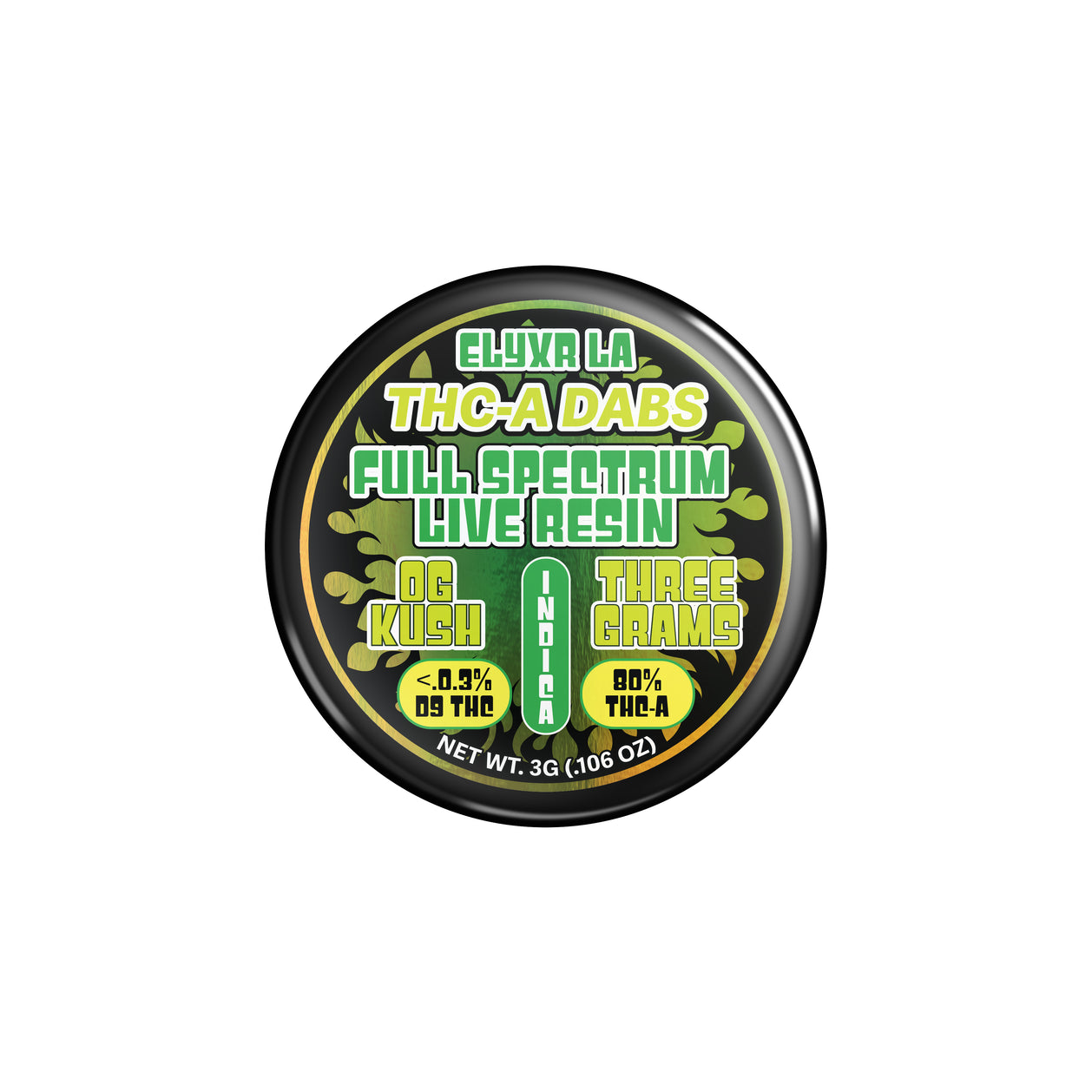
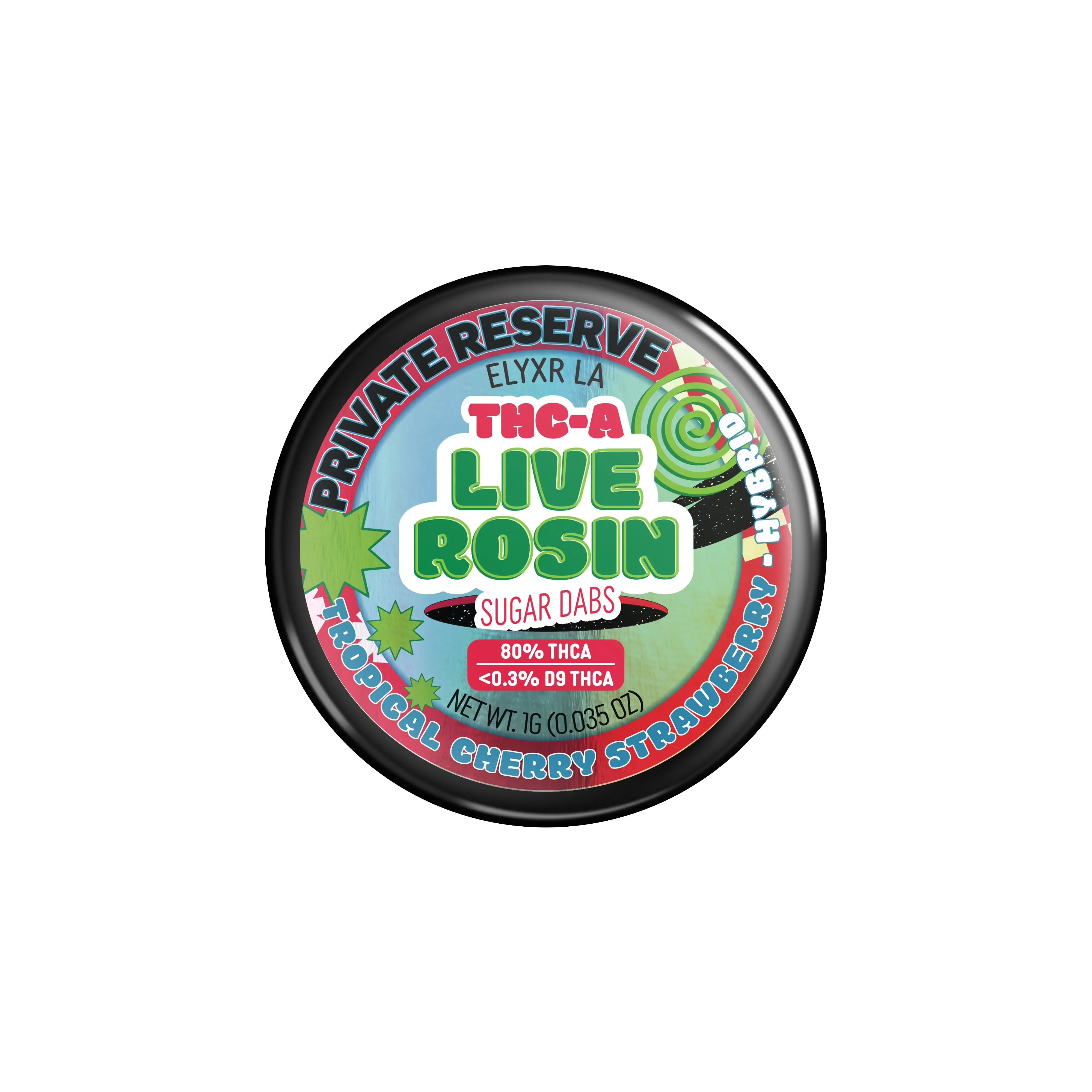
- THC percentage: Verify it stays under 0.3% for legal hemp products
- Spectrum type: Full-spectrum, broad-spectrum, or isolate (remember these from earlier?)
- CBD content per serving: Listed in milligrams, not vague terms like “high potency”
- Extraction method: CO2 extraction is the gold standard
- Batch or lot number: Essential for tracking down the corresponding COA
Skip products with labels that look like they were designed in someone’s basement. Professional labeling suggests professional manufacturing.
Cracking the COA Code
Certificates of Analysis sound intimidating, but they’re just lab reports in fancy dress. Here’s your cheat sheet for reading them without a chemistry degree:
Cannabinoid profile section: Shows exact amounts of CBD, THC, and other cannabinoids. The numbers should match what’s on the label (within a reasonable margin).
Contaminant testing: Look for “ND” (not detected) or “pass” next to heavy metals, pesticides, and microbials. Anything else is a red flag you can spot from space.
Testing date: Fresh is best. COAs older than a year suggest the product has been sitting around longer than leftovers in your fridge.
Third-party verification: The testing lab should be independent, not the manufacturer’s cousin’s company. Check for accreditation stamps like ISO 17025.
Reputable brands display COAs directly on their websites or provide QR codes on packaging. If you have to send three emails and make a phone call to get one, run.
Conclusion
What is the difference between hemp and cbd? Hemp is the plant, CBD is the compound—simple as that. Your journey toward choosing between hemp and cbd products starts with honest self-reflection about your wellness goals. Need targeted relief? CBD-rich products might be your match. Looking for nutritional support? Hemp seed oil could be the winner.
Check your local laws before clicking “buy now”—state regulations vary wildly, and what’s legal in Colorado might land you in hot water elsewhere. Match the product to your needs, verify those COAs, and remember: the label tells the story. Read it like your wellness depends on it (because it kind of does).
FAQs (Frequently Asked Questions)
1. What is the main difference between hemp and CBD products?
Hemp refers to a specific variety of the cannabis sativa plant that contains 0.3% or less THC, traditionally used for industrial purposes like making rope and clothing. CBD, or cannabidiol, is a compound extracted primarily from hemp plants and is used in wellness products for its potential therapeutic effects without the psychoactive properties of THC.
2. How do the chemical compositions of hemp and marijuana differ?
Hemp plants contain low levels of THC (0.3% or less) and higher concentrations of CBD, whereas marijuana plants have higher THC levels, which are responsible for psychoactive effects like euphoria. CBD is associated with relaxation and other non-intoxicating benefits.
3. What are the differences between full-spectrum, broad-spectrum, isolate CBD products, hemp oil, and CBD oil?
Full-spectrum CBD products contain all cannabinoids including trace THC; broad-spectrum contains multiple cannabinoids but no THC; isolate is pure CBD without other cannabinoids. Hemp seed oil is derived from hemp seeds and lacks significant cannabinoids like CBD, while CBD oil is rich in cannabinoids extracted from hemp flowers and leaves.
4. Are hemp-derived CBD products legal under federal law?
Yes, according to the 2018 Farm Bill, hemp-derived products containing less than 0.3% THC are federally legal. However, state laws vary regarding the sale and use of these products, so consumers should be aware of local regulations.
5. What should consumers look for on labels to ensure quality and safety in hemp and CBD products?
Consumers should check for THC percentage, spectrum type (full, broad, isolate), ingredient lists, and Certificates of Analysis (COAs) which verify product contents and purity. Understanding COAs helps confirm product quality without being overwhelmed by technical details.
6. Are there any safety concerns or side effects associated with using CBD products?
CBD is generally considered safe but may interact with certain medications or cause mild side effects in some individuals. It’s important to consult healthcare providers before use and choose reputable products with clear labeling to make informed choices.
