
 Rewards


THCa flower legal states laws are a moving target, and if you want THCa shipped to your door without inviting chaos into your life, you need to understand two things: what federal law allows, and what your specific state does with that permission.
This is your consumer-first, no-dispensary-spin, state-by-state guide to where THCa flower can be shipped legally (and where it’s likely to get stopped, seized, or turned into a very expensive lesson). Laws change fast. Bookmark this. Re-check it. Assume your state legislature has hobbies.
The quick, important reality check (read this twice)
THCa flower lives in a legal gray zone because:
- Federally, “hemp” is legal if it contains no more than 0.3% Delta-9 THC on a dry-weight basis.
- THCa is not Delta-9 THC until it’s heated. When you smoke or vape it, THCa converts to Delta-9 THC through decarboxylation.
- Many states and law enforcement agencies do not care about that nuance in real life, especially when a lab test shows “Total THC” (Delta-9 + converted THCa) above 0.3%.
So yes, you can buy “hemp-derived” THCa flower online in many places. Also yes, you can still get jammed up in certain states. Both are true. Welcome to America.
What THCa flower is (and why it exists)
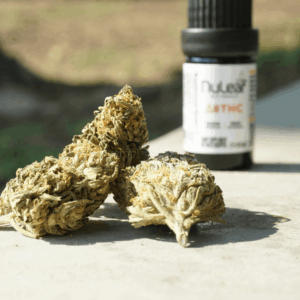
THCa (tetrahydrocannabinolic acid) is the naturally occurring form of THC found in raw cannabis flower. In the plant, THC mostly starts as THCa. Heat turns THCa into Delta-9 THC, which is the classic psychoactive compound most people mean when they say “THC.”
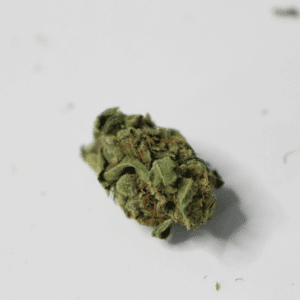
That’s why THCa flower can look, smell, and behave like dispensary cannabis. Because chemically, it basically is. The difference is how the law measures it.
The federal law that makes shipping possible (for now)
Under the 2018 Farm Bill, hemp is defined as cannabis with ≤ 0.3% Delta-9 THC on a dry-weight basis. That definition opened the door for hemp cannabinoids and hemp flower commerce, including interstate shipping.
Here’s the key: the Farm Bill’s legal line is Delta-9 THC concentration, not “how high it gets you.” That’s why THCa flower became a thing. Properly produced THCa flower can test under 0.3% Delta-9 THC while containing high THCa.
The “Total THC” trap
Some regulators use Total THC testing (Delta-9 + THCa converted via a formula). If your state uses Total THC for legality, most THCa flower becomes illegal on paper.
So whenever someone asks, “Is THCa legal federally?” the real answer is:
- Often compliant under the Farm Bill’s Delta-9 standard, if tested and documented correctly.
- Potentially noncompliant in practice if a state uses Total THC rules or treats THCa products as marijuana.
What changes in November 2026 could mean (plan for it now)
Federal hemp law may change with the next Farm Bill cycle. A common policy direction being discussed is closing the THCa loophole by shifting toward Total THC or restricting intoxicating hemp cannabinoids more aggressively. If that happens, THCa flower could become much harder to sell and ship nationally, even if it’s currently sold as “hemp.”
What you should do about that
- If you’re a consumer: Buy only from vendors who provide current COAs, ship compliantly, and follow state restrictions.
- If you like THCa flower and it’s legal where you live: don’t wait until the rules tighten and everyone pretends they “never saw it coming.”
This article will need a compliance refresh as November 2026 federal hemp law changes take effect. Until then, let’s deal with today’s reality.
Before you order: the compliance checklist (simple and non-negotiable)
If you want legal shipping, insist on these basics:
- Recent COA (Certificate of Analysis) from a legitimate third-party lab.
- COA must show Delta-9 THC ≤ 0.3% dry weight.
- Prefer COAs that list Delta-9 THC, THCa, and Total THC clearly.
- Vendor should ship with a COA copy (or QR link), invoice/packing slip, and clear hemp compliance statement.
- Vendor should have a state shipping policy and actually follow it.
If a seller won’t show a COA, they’re not “mysterious.” They’re reckless. Don’t fund that.
How this state-by-state guide works (and what it is not)
This guide focuses on consumer legality and practical shipping realities for THCa flower.
- Some states are clearly friendly.
- Some states are clearly hostile.
- Some are a swamp of “legal by statute, risky in enforcement.”
- Local laws can differ by county or city.
- Your job is to use this guide as a filter, then confirm the latest state policy before ordering.
Also, this is not legal advice. It’s the common-sense map. You’re the driver.
Below you’ll find each state with a plain-English shipping outlook. When in doubt, assume states with strict marijuana laws or Total THC frameworks are more likely to treat THCa flower as illegal cannabis.
Alabama
Outlook: Mixed to risky. Alabama has a restrictive cannabis environment, with legal hemp but inconsistent enforcement. Smokable hemp has faced historical scrutiny.
Shipping notes: Some vendors ship; others restrict. Use extra caution and only buy with strong documentation.
Alaska
Outlook: Low drama, but not “hemp-driven.” Alaska has legal adult-use cannabis, but hemp product rules can still be specific.
Shipping notes: Many hemp vendors ship. Still confirm vendor policy.
Arizona
Outlook: Generally workable. Arizona has legal adult-use cannabis and a functioning hemp program.
Shipping notes: THCa flower shipping is commonly available, but stick to compliant COAs.
Arkansas
Outlook: Mixed. Arkansas allows medical marijuana and has hemp rules, but “smokable hemp” has been controversial in multiple states like it.
Shipping notes: Some vendors restrict; others ship. Expect variability.
California
Outlook: Available, but regulated. California is legal adult-use, yet hemp cannabinoid enforcement and labeling requirements can be strict.
Shipping notes: Many vendors ship. Buy from reputable sellers who understand CA rules.
Colorado
Outlook: Available with caveats. Colorado is adult-use legal, but it also tightened rules around certain intoxicating hemp products. Flower is a different lane, but scrutiny exists.
Shipping notes: Many vendors ship. Documentation matters.
Connecticut
Outlook: Generally available. Adult-use is legal; hemp is regulated according to state laws.
Shipping notes: Many vendors ship. Expect age verification and strict packaging.
Delaware
Outlook: Generally available. Delaware has legalized adult-use, with regulated markets.
Shipping notes: Hemp-derived THCa shipping is commonly offered, but vendor policies vary.
Florida
Outlook: Popular, but politically spicy. Florida has a large hemp market and medical marijuana. The state has also pushed regulation efforts around hemp products.
Shipping notes: Many vendors ship THCa flower to Florida, and people search this constantly for a reason. Still, only order with up-to-date COAs and vendor compliance materials.
Georgia
Outlook: Mixed, enforcement-sensitive. Georgia allows hemp within federal definitions, but cannabis enforcement can be strict and confusing.
Shipping notes: Some vendors ship, others restrict. Expect risk if you can’t prove hemp compliance quickly.
Hawaii
Outlook: Mixed. Hawaii has medical cannabis, and hemp rules exist, but shipping can be complicated due to logistics and local restrictions.
Shipping notes: Many vendors restrict shipping. If available, expect delays and stricter vendor rules.
Idaho
Outlook: High risk, often restricted. Idaho is famously strict. Historically, it has required very low or zero THC and has not been friendly to hemp flower.
Shipping notes: Many reputable vendors do not ship THCa flower to Idaho. Assume “no” unless a vendor explicitly ships and you understand the risk.
Illinois
Outlook: Generally available. Adult-use legal, regulated hemp market.
Shipping notes: Commonly shippable with standard compliance steps.
Indiana
Outlook: Mixed to risky. Indiana has had legal battles and restrictions around smokable hemp.
Shipping notes: Many vendors restrict. If a vendor ships, ensure paperwork is perfect.
Iowa
Outlook: Mixed. Iowa’s hemp program exists, but THC enforcement can be strict.
Shipping notes: Some vendors ship, others avoid. Consider it higher friction.
Kansas
Outlook: Mixed. Kansas allows hemp but has a conservative enforcement profile.
Shipping notes: Vendor restrictions are common. Documentation is essential.
Kentucky
Outlook: Generally available. Kentucky is historically hemp-friendly.
Shipping notes: THCa flower shipping is often available from reputable vendors.
Louisiana
Outlook: Mixed. Louisiana has medical cannabis and a hemp framework, but it has also tightened hemp-derived THC product rules in recent years.
Shipping notes: Some vendors ship, some restrict. Confirm current vendor policy.
Maine
Outlook: Generally available. Adult-use legal.
Shipping notes: Shipping tends to be available; compliance still matters.
Maryland
Outlook: Generally available. Adult-use legal.
Shipping notes: Many vendors ship. Expect straightforward compliance requirements.
Massachusetts
Outlook: Generally available. Adult-use legal, but regulated.
Shipping notes: Many vendors ship. Choose sellers who take labeling and COAs seriously.
Michigan
Outlook: Generally available. Adult-use legal and hemp is established.
Shipping notes: Commonly shippable.
Minnesota
Outlook: Generally available, but watch regulations. Minnesota has been active in regulating hemp-derived cannabinoids.
Shipping notes: Many vendors ship, but policy shifts happen. Use reputable vendors.
Mississippi
Outlook: Mixed. Medical cannabis exists; hemp exists; enforcement can be uneven.
Shipping notes: Some vendors ship; others restrict. Keep paperwork.
Missouri
Outlook: Generally available. Adult-use legal.
Shipping notes: Commonly shippable with normal compliance.
Montana
Outlook: Generally available. Adult-use legal.
Shipping notes: Often shippable, but confirm vendor policy.
Nebraska
Outlook: Mixed. Hemp is legal, but Nebraska can be strict on enforcement and interpretation.
Shipping notes: Some vendors ship, others restrict. Higher risk than hemp-friendly states.
Nevada
Outlook: Generally available. Adult-use legal.
Shipping notes: Shipping is commonly available.
New Hampshire
Outlook: Generally available. Hemp is legal; adult-use cannabis is not fully established like neighbors, but hemp commerce exists.
Shipping notes: Many vendors ship; confirm vendor restrictions.
New Jersey
Outlook: Generally available. Adult-use legal, regulated.
Shipping notes: Typically shippable.
New Mexico
Outlook: Generally available. Adult-use legal.
Shipping notes: Typically shippable.
New York
Outlook: Available, but tightly regulated. New York is adult-use legal and also aggressive about hemp product enforcement and labeling.
Shipping notes: Many vendors ship, but expect stricter compliance, age gates, and occasional vendor restrictions.
North Carolina
Outlook: Generally available. North Carolina has been a major THCa market, though policy discussions are ongoing.
Shipping notes: Commonly shippable, but watch for legislative changes.
North Dakota
Outlook: Generally available. Hemp is legal and regulated; adult-use cannabis is not as broad as some states, but hemp commerce exists.
Shipping notes: Many vendors ship.
Ohio
Outlook: Generally available. Adult-use legalized; hemp exists.
Shipping notes: Commonly shippable. Stick to reputable brands.
Oklahoma
Outlook: Generally available. Oklahoma has a large medical cannabis market and active hemp commerce.
Shipping notes: Many vendors ship.
Oregon
Outlook: Generally available. Adult-use legal; hemp is mature.
Shipping notes: Typically shippable.
Pennsylvania
Outlook: Generally available. Medical cannabis and hemp programs exist.
Shipping notes: Many vendors ship; compliance matters.
Rhode Island
Outlook: Generally available. Adult-use legal.
Shipping notes: Typically shippable.
South Carolina
Outlook: Mixed to risky. South Carolina is restrictive on cannabis, though hemp exists under federal alignment.
Shipping notes: Some vendors ship; many treat it as higher risk. Documentation is critical.
South Dakota
Outlook: Mixed. Hemp exists; cannabis policy has been politically turbulent.
Shipping notes: Some vendors ship; others restrict.
Tennessee
Outlook: Generally available, but monitored. Tennessee has a strong hemp market and also an active regulatory posture.
Shipping notes: Commonly shippable; expect vendors to require adult signature or age verification.
Texas
Outlook: Mixed, enforcement-sensitive, and constantly argued about. Texas has a massive hemp market, but also a long history of local enforcement treating hemp flower like marijuana until proven otherwise. Policy proposals come up often.
Shipping notes: Many vendors ship THCa flower to Texas, but this is a “keep your paperwork” state. Only order from sellers with pristine COAs and compliant packaging. Also understand that local enforcement attitudes can vary widely.
Utah
Outlook: Mixed. Utah has medical cannabis and a regulated hemp program, but it tends to be conservative in interpretation.
Shipping notes: Some vendors ship; others restrict.
Vermont
Outlook: Generally available. Adult-use legal.
Shipping notes: Typically shippable.
Virginia
Outlook: Generally available. Virginia legalized adult-use possession but has a complicated retail environment. Hemp is active.
Shipping notes: Many vendors ship; policy can shift, so buy from compliant sellers.
Washington
Outlook: Generally available. Adult-use legal; hemp rules exist.
Shipping notes: Many vendors ship.
West Virginia
Outlook: Generally available. Medical cannabis exists; hemp exists.
Shipping notes: Many vendors ship; confirm vendor policy.
Wisconsin
Outlook: Mixed. Hemp exists; cannabis laws are restrictive. Enforcement and interpretations vary.
Shipping notes: Some vendors ship, others restrict. Higher friction.
Wyoming
Outlook: Mixed. Hemp exists; cannabis laws are restrictive.
Shipping notes: Some vendors ship; others avoid. Documentation is key.
If you want the blunt version, these states tend to cause the most shipping refusals and buyer headaches for THCa flower:
- Idaho
- Indiana
- Kansas (often restricted by vendors)
- Nebraska (vendor-dependent)
- South Carolina (vendor-dependent)
- Wisconsin (vendor-dependent)
- Plus occasional restrictions in other conservative or “Total THC” leaning states
This is not a guarantee of illegality in every case. It is the reality of vendor risk management and enforcement vibes.
If a reputable vendor won’t ship to your state, don’t take it personally. Take it as a clue.
1) Does your state define hemp using Delta-9 THC only, or Total THC?
- Delta-9 only: THCa flower has a clearer path.
- Total THC: THCa flower is much more likely to be treated as illegal cannabis.
2) Does your state restrict “smokable hemp” or “hemp flower”?
Some states treat smokable hemp like a public nuisance even if extracts are fine. Yes, it’s weird. Yes, it happens.
3) How do local cops and prosecutors treat hemp flower?
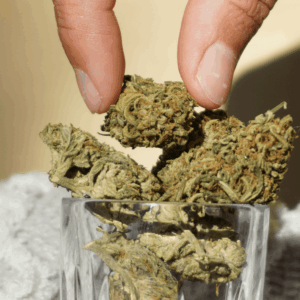
This is the part nobody wants to say out loud: even legal hemp flower can look identical to marijuana. If your state requires lab confirmation to distinguish them, you may still deal with seizure or arrest first, questions later.
So if you’re in a stricter state, don’t just ask “is it legal.” Ask “is it smooth.”
Do these things. In this order. No improvising.
Step 1: Check the vendor’s “Where we ship” list
Good vendors publish restricted states and stick to them. If they ship everywhere with zero mention of compliance, that’s not confidence. That’s negligence.
Step 2: Read the COA like you’re reviewing a resume
Confirm:
- Delta-9 THC ≤ 0.3%
- Batch number matches the product
- Date is recent
- Lab is real
- Cannabinoid panel is complete
If the COA looks like it was designed in a hurry during lunch, move on.
Step 3: Prefer vendors who ship with compliance paperwork
You want:
- COA included or linked
- Invoice
- “Hemp-derived product” statement
- Discreet outer packaging
Yes, discretion matters. Not because you’re doing something wrong, but because porch pirates are undefeated.
Step 4: Don’t travel across state lines assuming you’re immune
Interstate transport is where people get sloppy. Even if the product is federally compliant, a state trooper might not be in the mood for a chemistry seminar.
If you must travel with it, keep:
- Product in original packaging
- COA accessible (printed or on your phone)
- Proof of purchase
- And keep it out of the driver’s reach, because common sense is still a thing
Leafly and dispensary-focused sites often do not cover THCa flower shipping in a serious way because their world is license-based cannabis retail. Fair. But consumers live in the real world where:
- You might not have dispensaries nearby.
- You might not qualify for medical.
- You might want hemp-compliant options shipped.
- You might prefer competitive online pricing and variety.
That’s why THCa flower state laws matter. Not as a political argument, but as a practical one.
Is THCa flower legal federally?
It can be federally compliant as hemp if it tests at ≤ 0.3% Delta-9 THC on a dry-weight basis and meets other hemp requirements. But some states regulate differently, and enforcement may not match the nuance.
Can THCa flower get you high?
When heated, THCa converts to THC, so yes, it can be intoxicating. If you are drug tested, treat THCa like THC. Because biology does not care about legal definitions.
Will THCa show up on a drug test?
Yes. Many tests detect THC metabolites that can result from THCa use.
Why do some sites say THCa is “legal everywhere”?
Marketing. Also optimism. Also selective reading of the Farm Bill.
What’s the safest way to order THCa flower?
Order only from vendors who:
- Publish restricted states
- Provide recent, batch-specific COAs
- Ship with compliance documentation
- Have clear customer service and refund policies if a shipment is stopped
THCa flower state laws decide whether your order arrives like a normal package or turns into a customer service nightmare. Federal hemp law opened the shipping door, but states decide how wide that door stays open, and November 2026 may bring a federal remodel.
If THCa flower is currently shippable to your state through compliant vendors, do the obvious thing:
Order while compliant shipping is available.
Order from brands that document everything.
Order like a responsible adult, not like a loophole tourist.
And then, because laws shift and headlines lie, check back often. This is the kind of guide that stays useful precisely because it keeps getting updated.
THCa Flower Legal States: FAQs (Frequently Asked Questions)
1. What is THCa flower and how does it differ from Delta-9 THC?
THCa (tetrahydrocannabinolic acid) is the naturally occurring form of THC found in raw cannabis flower. It is non-psychoactive until heated, at which point it converts to Delta-9 THC through decarboxylation. This means THCa flower looks and behaves like cannabis but legally differs based on its Delta-9 THC content.
2. Is shipping THCa flower federally legal in the United States?
Under the 2018 Farm Bill, hemp is defined as cannabis containing no more than 0.3% Delta-9 THC on a dry-weight basis. Since THCa is not Delta-9 THC until heated, properly produced THCa flower testing under this limit can be shipped legally federally. However, federal legality depends on accurate testing and documentation.
3. Why do some states consider THCa flower illegal despite federal allowances?
Many states and law enforcement agencies use “Total THC” testing—which includes Delta-9 THC plus converted THCa—to determine legality. If Total THC exceeds 0.3%, THCa flower may be classified as illegal marijuana in those states, leading to seizure or legal issues despite federal definitions.
4. What should consumers look for before ordering THCa flower online?
Consumers should ensure vendors provide recent Certificates of Analysis (COAs) from reputable third-party labs showing Delta-9 THC ≤ 0.3% dry weight, with clear listings of Delta-9 THC, THCa, and Total THC. Vendors should also ship with COA copies or QR codes, include compliance statements, and follow state-specific shipping policies.
5. How might federal hemp laws change in November 2026 and what impact could this have on THCa flower?
Federal hemp law may shift towards regulating Total THC or restricting intoxicating hemp cannabinoids more aggressively by November 2026. Such changes could close the current “THCa loophole,” making it much harder to sell and ship THCa flower nationally even if currently legal under existing laws.
6. How can consumers navigate state-by-state differences in THCa flower legality?
Consumers should use state-specific guides as filters to understand local laws since some states are friendly while others are hostile or enforce inconsistently. Checking for state shipping policies, confirming the latest regulations before ordering, and understanding that local county or city rules may vary are essential steps for compliant purchasing.
