THCa vs. Delta-9 vs. Delta-8 vs. HHC: The 2026 Hemp Cannabinoid Decoder

Ship to
THCa vs.
So let’s decode it. No hype. No fearmongering. No “this one will change your life” nonsense.
You are getting a practical 2026 guide to the major hemp cannabinoids, including the spicy ones (THCa, Delta-9, Delta-8, Delta-10, HHC, THCP) and the non-intoxicating workhorses (CBD, CBG, CBN, CBC).
Hemp cannabinoids are messy in 2026. Laws are shifting. Lab testing is inconsistent across brands. And “hemp-derived” does not automatically mean “safe” or “legal where you live.”
Do this every time:
Not medical advice. Just common sense with a backbone.
“Hemp-derived” typically means the cannabinoids were sourced from hemp (federally defined in the US as cannabis with ≤ 0.3% Delta-9 THC by dry weight at the relevant compliance point).
That loophole (and its many cousins) is why you can see products that feel very “marijuana-ish” sitting next to protein bars at a gas station.
Also, many cannabinoids sold in 2026 are made via conversion (for example, CBD converted into Delta-8, Delta-10, HHC-like compounds, and more). That is not automatically bad, but it raises the bar for testing, transparency, and manufacturing quality.
At a high level, most cannabinoids fall into two buckets: intoxicating THC variants (and things that behave like THC), and non-intoxicating “support” cannabinoids like CBD, CBG, CBC, and CBN.
The THC side is where you get the psychoactive effects—euphoria, body sensations, appetite changes, and the classic “high”—while the non-THC side is more about mood balance, relaxation, sleep support, or general wellness without the mental intoxication.
THCa, Delta-9 THC, Delta-8 THC, Delta-10 THC, HHC, and THCP all sit in the intoxicating family, but they don’t hit the same. THCa is kind of the sleeper agent—it isn’t active on its own until you heat it (smoking or vaping), at which point it converts into Delta-9 THC and delivers a very traditional cannabis high. Delta-9 is the baseline everyone compares everything to: euphoric, body + mind, and typically the strongest “standard” experience. From there, Delta-8 is usually described as a smoother, more mellow version of THC, often less intense or less anxious for some people, while Delta-10 tends to lean lighter and more upbeat, with more of a heady feel than a heavy body one.
Then you’ve got HHC and THCP, which sit in more experimental territory. HHC is often described as stable and long-lasting with a balanced THC-like effect, though it’s semi-synthetic in many products. THCP is the outlier—rare in nature but known for binding very strongly to cannabinoid receptors, meaning it can feel disproportionately strong even at low doses. These are generally considered more “experienced user” cannabinoids just because potency and consistency can vary a lot.
On the non-intoxicating side, CBD is the most well-known and widely used, valued for its calming, anti-inflammatory, and “take the edge off” qualities without a high. CBG is often called the “mother cannabinoid” and tends to feel more clear and functional—think focus and light balance. CBN is the one most associated with sleep and sedation, especially when paired with other cannabinoids. CBC doesn’t get much spotlight but contributes subtle mood and body support in the background, often discussed in the context of the entourage effect.
Finally, you’ll also see terms like “full-spectrum hemp” and “isolate” on products. Full-spectrum means you’re getting a mix of cannabinoids (including trace THC), which tends to feel more rounded or full-body. Isolate is just one cannabinoid (usually CBD), which gives you a cleaner, more predictable experience without the extras.
Legally, everything in this space is still a moving target. Hemp-derived cannabinoids exist in a federal gray zone, while states layer on their own rules, so what’s available (and how it’s treated) can change dramatically depending on where you are.
THCa is the acidic precursor to Delta-9 THC found in raw cannabis flower. On its own, THCa is not strongly intoxicating. But when you apply heat (smoking, vaping, baking), THCa decarboxylates into Delta-9 THC. Translation: heat turns it into the thing that gets you high.
If you smoke/vape it, THCa is effectively Delta-9 potency once converted (allowing for typical conversion efficiency). This is why THCa flower can hit like “regular weed.” Because it basically is, functionally.
THCa sits in a legal gray zone. Many jurisdictions treat THCa flower as functionally intoxicating cannabis, regardless of how it is labeled or how the Delta-9 percentage tests at a specific compliance moment. Enforcement and definitions vary.
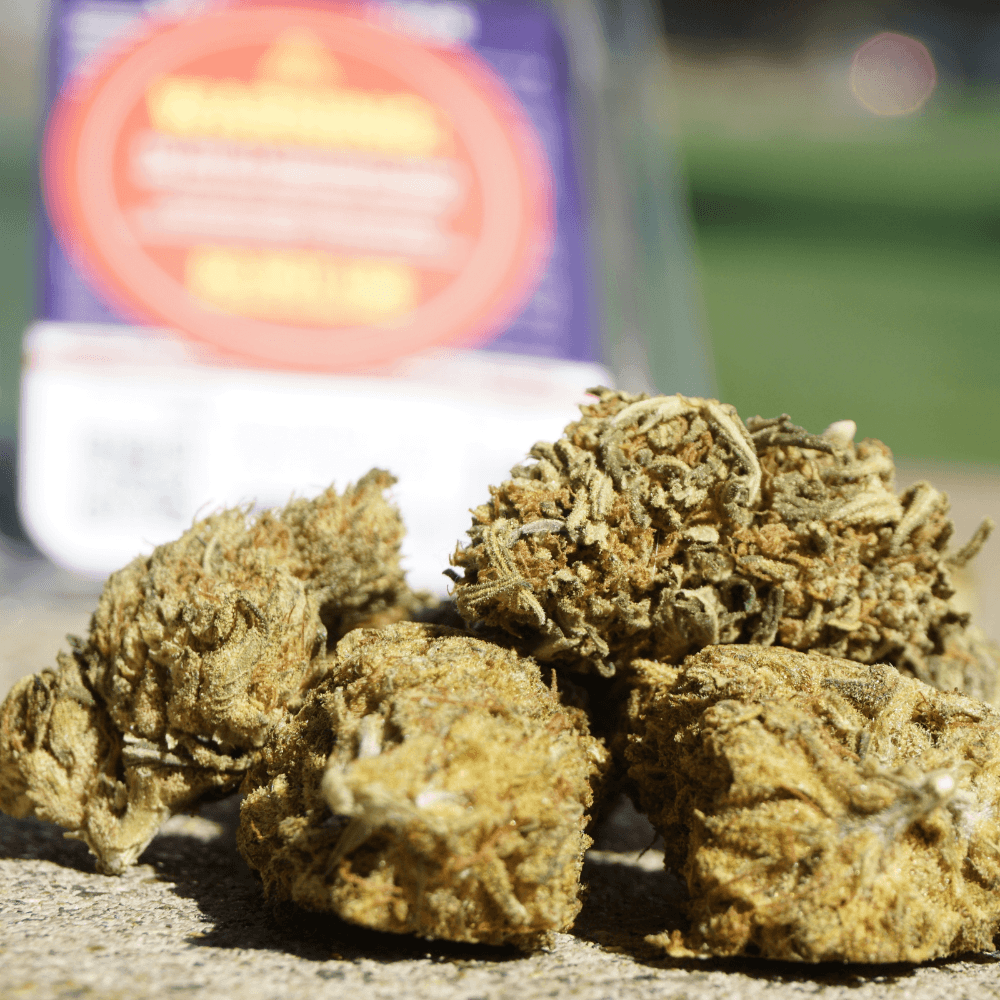
Delta-9 THC is the “main character” of cannabis intoxication. It binds strongly to CB1 receptors and produces the classic psychoactive effects associated with marijuana.
In hemp markets, Delta-9 appears most often in edibles and beverages because the legal definition is commonly tied to percentage by dry weight, and gummies weigh enough to hold a meaningful dose while staying under the threshold.
It is the baseline.
Hemp-derived Delta-9 remains legally complex. Some areas allow compliant hemp Delta-9 edibles. Many states regulate Delta-9 tightly regardless of source. Assume state law decides your fate.
Delta-8 THC is an isomer of Delta-9. In nature it occurs in tiny amounts, so most commercial Delta-8 is made by converting hemp-derived CBD into Delta-8 via chemical processes.
People often describe Delta-8 as:
Side effects can mirror Delta-9, especially at higher doses.
Roughly 50 to 75 percent as strong per mg for many users, though individual response varies.
Delta-8 is frequently restricted or banned at the state level, and regulatory scrutiny is higher because of conversion manufacturing concerns. It is widely sold, but not widely loved by lawmakers.
Delta-10 THC is another THC isomer, usually produced via conversion. It is less studied and less consistent across products.
Often marketed as:
Marketing is not science, but user reports cluster in that direction.
Often estimated around 30 to 60 percent as strong per mg, but real-world potency depends heavily on formulation and purity.
Delta-10 tends to follow Delta-8’s legal trajectory: state-by-state restrictions and frequent classification as an intoxicating THC variant.
HHC is a hydrogenated cannabinoid related to THC. Hydrogenation changes molecular stability. Practically, many users find HHC products feel potent and shelf-stable, especially in vape form.
Commercial HHC is typically produced from hemp-derived cannabinoids through chemical processing. Again: not inherently evil, but it demands clean manufacturing and real testing.
Commonly reported:
Often perceived around 60 to 90 percent of Delta-9 potency per mg, though this varies.
HHC is treated as an intoxicating cannabinoid in many states and can fall under analog laws depending on jurisdiction. Translation: higher legal risk than CBD, lower predictability than Delta-9 in regulated markets.
THCP is a rare naturally occurring cannabinoid that drew attention because of its strong binding affinity to CB1 receptors in early research. That does not automatically mean it is “30x stronger” in real life for every human. It means small doses can feel disproportionately strong for some people.
THCP is often sold in very low milligram amounts, sometimes blended with other cannabinoids.
Potentially stronger than Delta-9 per mg, but it is highly dose-dependent and product-dependent. Treat it like a hot sauce labeled “one drop.” Believe the label.
THCP is often treated like a THC analog in enforcement discussions. Expect high legal uncertainty and higher scrutiny.
CBD is the most well-known non-intoxicating cannabinoid. It does not produce a classic “high,” but it can meaningfully affect mood, stress response, inflammation perception, and general balance for many people.
CBD can also make some people sleepy, especially at higher doses, while others feel more focused. Bodies are annoying like that.
No intoxication. But it can be powerful in a different lane.
CBD is broadly legal, but regulations around ingestible CBD still vary across states and product categories. The market is mature enough that quality brands are easy to find. Also, bad brands are still very much alive. Like cockroaches.
CBG is often called the “mother cannabinoid” because it is a precursor molecule in the plant’s cannabinoid synthesis pathways.
Non-intoxicating.
Generally legal with the usual hemp caveat: state rules can still meddle.
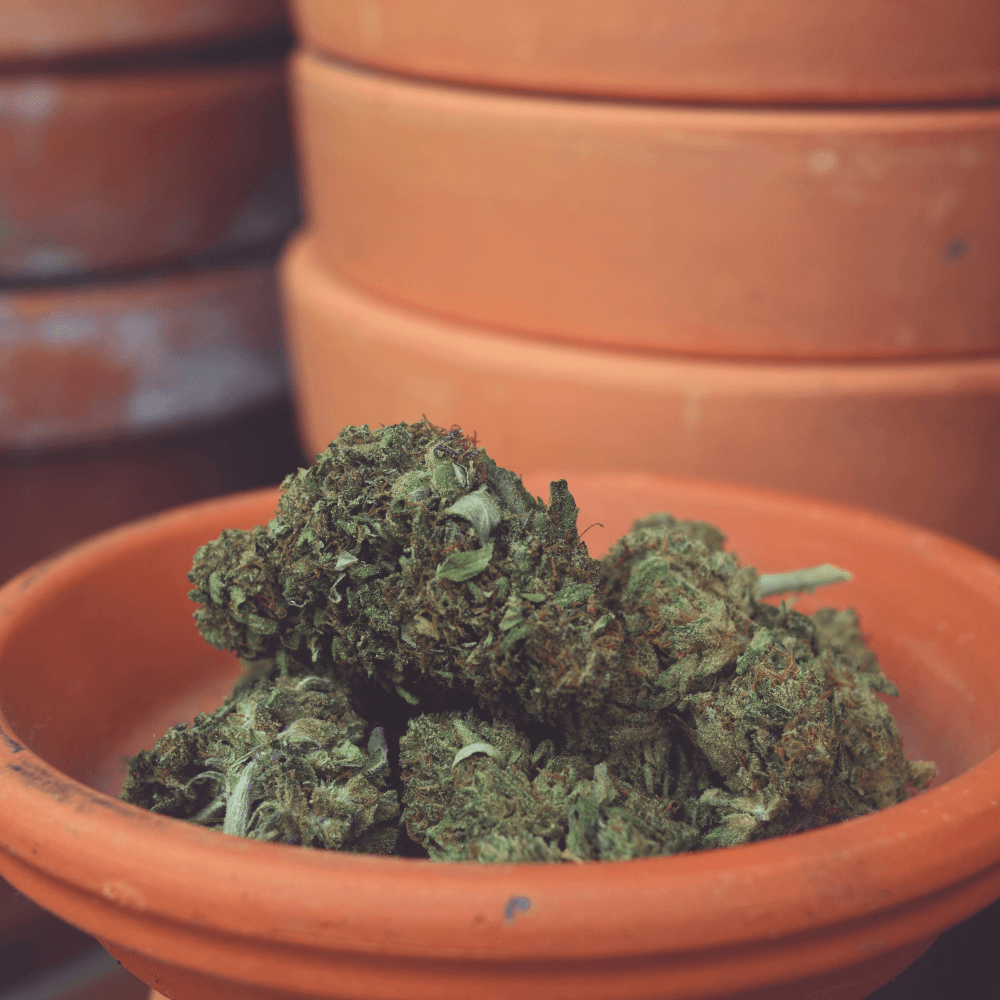
CBN is formed as THC oxidizes over time. It is widely marketed for sleep. The science is still evolving, but user reports strongly associate CBN with sedation, especially when combined with other cannabinoids and terpenes.
Generally non-intoxicating, though at higher doses some people report mild psychoactive effects, especially in blends that include THC.
Generally legal, commonly sold in sleep formulas.
CBC is a non-intoxicating cannabinoid that is often used as a supporting player in “entourage effect” style formulas. It is not as famous as CBD, but it is increasingly common in multi-cannabinoid blends.
Non-intoxicating.
Generally legal.
Ask yourself one question first:
If no, stay in this lane:
If yes, welcome to the grown-up table. Pick your adventure:
Now ask the second question:
You can ignore these rules. People do. People also eat a whole brownie and then call time an illusion for four hours.
Use these instead:
Repeat the mantra: start low, go slow. Start low, go slow.
You want boring labels. Boring is good. Boring is safe.
Look for:
There is no single clean answer for the US.
Here is the honest framework:
If legality matters to you, check:
THCa vs. Delta-9 vs. Delta-8 vs. HHC is not just a potency debate. It is about chemistry, conversion, product type, your tolerance, and your local laws.
Pick what matches your goal. Demand real testing. Dose like an adult. And remember the three rules of hemp in 2026:
Read the COA. Read the COA. Read the COA.
THCa is raw THC found in flower that becomes intoxicating when heated; Delta-9 THC is the primary intoxicating cannabinoid with euphoric effects; Delta-8 THC is a milder, smoother THC isomer often converted from CBD; HHC is a hydrogenated THC-like compound with balanced, sometimes clearer effects. Each varies in potency, typical effects, and legal status.
Hemp-derived cannabinoids are legally complex in 2026. While hemp is federally defined as cannabis with ≤ 0.3% Delta-9 THC, many cannabinoids like Delta-8 and HHC face heavy state restrictions and variable federal oversight. Safety depends on product quality—always buy products with current batch-specific COAs verifying potency and contaminants.
Start low and go slow. Due to variability in potency and individual responses, begin with a low dose to assess tolerance before increasing. This cautious approach helps minimize adverse effects and ensures a safer experience with intoxicating hemp cannabinoids.
'Hemp-derived' means cannabinoids are sourced from hemp plants containing ≤ 0.3% Delta-9 THC by dry weight at compliance testing. Many cannabinoids sold are made via conversion processes (e.g., CBD converted into Delta-8 or Delta-10). This requires higher standards of testing and transparency but allows these compounds to be sold outside traditional marijuana markets.
Yes. Most intoxicating hemp products—including THCa flower, Delta-8, and HHC vapes—carry a risk of THC exposure detectable on drug tests. If you are subject to drug screening, assume there is a potential for testing positive when using these products.
Non-intoxicating hemp cannabinoids include CBD (calm, inflammation support), CBG (focus, uplift), CBN (sedation at high doses), and CBC (mood and body support). These compounds are widely legal and commonly used for daily wellness, sleep support, functional clarity, and entourage effects without causing intoxication.

Jun 22, 2026 Jenna Renz

Jun 22, 2026 Jenna Renz

Jun 22, 2026 Jenna Renz