What the November 2026 Hemp Law Means for You: A Plain-English Guide for Consumers

Ship to
The November 2026 hemp law is about to flip the hemp market on its head, and yes, that includes a lot of the “hemp-derived THC” products people buy every day.
This guide is for consumers, not compliance attorneys. I’m going to tell you what changes, when it changes, what products are most likely to disappear (or mutate), what should stay legal, and what you should do now if you want to stock up responsibly without acting like you’re prepping for the apocalypse.
Effective date to remember: November 12, 2026.
That’s the day H.R. 5371, signed on November 12, 2025, actually takes effect.
Now let’s get into the “what” and the “so what.”
H.R. 5371 does three big things that matter to regular buyers:
All three take effect on Nov 12, 2026.
And yes, each one is a wrecking ball in its own special way.
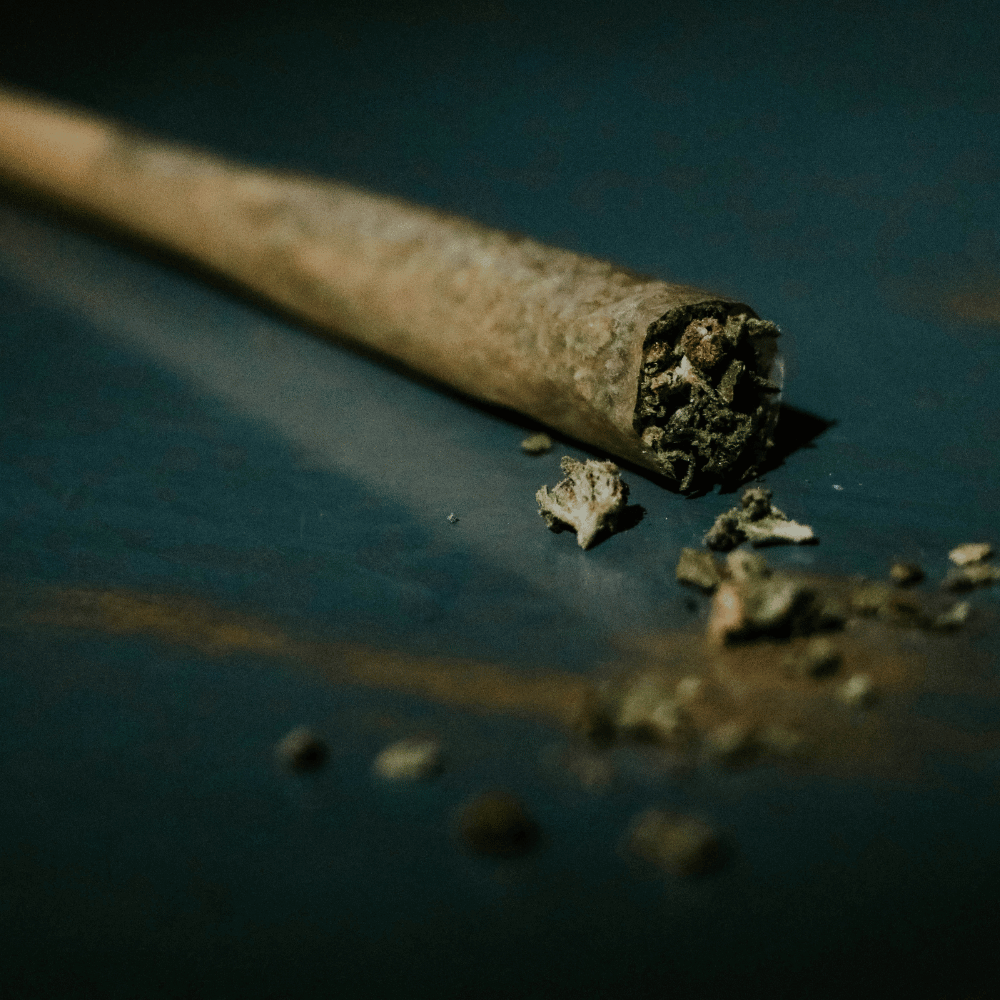
A lot of products have been sold as “compliant” because they tested under a standard that focused on delta-9 THC only, while leaning heavily on THCA (especially flower). THCA can convert to THC when heated, which is why THCA products can feel… not subtle.
Under the new rule, hemp is defined using total THC, and that total includes THCA.
If you buy anything labeled THCA (flower, pre-rolls, vapes, concentrates), this is the category most likely to get hit hardest, because the legal definition now treats THCA as part of the THC total.
Translation: “THCA hemp” is no longer the clever workaround it used to be under a delta-9-only mindset.
0.4 milligrams per container. Not per serving. Not per gummy. Not per sip. The whole container.
This is the provision that makes a huge chunk of today’s hemp-derived THC market essentially incompatible with federal “hemp” status after Nov 12, 2026.
If your product contains 2 mg THC per gummy and there are 10 gummies, that’s 20 mg per container. Under this cap, that’s not just “over.” That’s “not even in the same universe.”
That label language helped under older frameworks, especially when the conversation was dominated by percentage-based thresholds tied to plant material. A per-container milligram cap is a totally different animal. It doesn’t care that your dose is “small.” It cares what the entire jar, bag, or bottle adds up to.
This is where things get spicy and also confusing, because the hemp market has a long history of cannabinoids made by conversion processes.
Many popular cannabinoids and “hemp THC” variants have been produced through chemical conversion from CBD (or other starting materials). The new law says synthetically derived cannabinoids don’t qualify as hemp.
A big segment of products sold as “hemp-derived” likely falls into this bucket, depending on how the cannabinoid is produced and how “synthetic” is defined and enforced in practice.
This can affect products featuring cannabinoids such as:
Important nuance: the exact impact depends on future enforcement guidance and how supply chains document production methods. But as a consumer, your safest assumption is simple:
If it’s a “lab-made” THC variant, expect it to be under pressure.
The market largely continues under the existing rules and enforcement environment, though brands and retailers will start changing behavior well before the deadline.
Products that don’t meet the new federal hemp definition are at much higher risk of:
The smart brands will not wait until the deadline. They’ll transition earlier because they like staying in business.
Let’s be blunt. If you buy hemp products for the THC experience, a lot of what you’re used to is in the blast radius.
If you’re thinking, “So the more boring stuff survives,” you are reading this correctly.
This law is not a ban on hemp. It’s a narrower definition of hemp that makes many intoxicating hemp products stop qualifying as federally “hemp.”
Products most likely to remain viable:
But here’s the consumer rule you should adopt now:
Stop trusting the front label. Start reading the COA (certificate of analysis).
You don’t need to become a scientist. You just need to look for the part where THC shows up in milligrams, and whether THCA is listed.
For more information about different types of cannabis products and their associated risks, refer to this comprehensive guide on medicinal cannabis product categories.
Great question, because it’s the difference between “this is annoying” and “this is impossible.”
Under a strict reading, even trace THC could become a packaging and formulation headache.
That doesn’t mean every CBD product dies. It means brands will likely:
If a brand has historically been sloppy with testing or vague about THC content, expect them to struggle.
You asked about H.R. 7024 potential extension status. Here’s the practical consumer takeaway:
As of now, your safest plan is to treat Nov 12, 2026 as real and immovable, and treat any extension as a bonus, not a strategy.
This page should be updated monthly as new information becomes available about:
If you want those updates without having to doomscroll the internet, grab the email updates below.
If you’re reading this on our site, you deserve transparency. No vague “we’re monitoring developments” fluff. That phrase means nothing. Here’s what preparation actually looks like.
We’re evaluating formulas with these goals:
Because the cap is per container, we’re analyzing:
Expect more emphasis on:
Markets change. People still want sleep, calm, recovery, and pain support. We’re building a lineup that stays purchasable even if the intoxicating category gets squeezed.
As the deadline approaches, we’ll give:
No surprises. No last-minute “oops.”
Let’s talk about what you can do as a consumer right now.
Make a list:
This is boring. Do it anyway. This turns “panic buying” into “planned purchasing.”
If you stock up on products that degrade, you’re just pre-paying for disappointment.
General guidance:
If you cannot store it well, do not stock up heavily.
As regulations tighten, some sellers will dump questionable inventory. Low prices can be real. They can also be a red flag wearing a trench coat.
Buy only if:
If the product page feels like it was written by a raccoon in a hurry, skip it.
A responsible stock-up is typically weeks or a few months, not years.
Ask yourself:
Stock up calmly. Stock up intentionally. Repeat: calmly, intentionally.
Even before Nov 2026, your state may restrict:
Federal changes won’t make your state more permissive. States rarely wake up and choose chill.
Use this quick checklist.
Simple rule: No COA, no confidence.
Expect three shifts as we move through 2026:
It means many hemp-derived intoxicating products may no longer qualify as federally legal “hemp” after Nov 12, 2026. What happens next depends on enforcement, state law, and whether products get repositioned under other legal frameworks.
The cap is per container. Lowering the dose helps, but for many products it’s not enough unless the container is tiny or the THC is basically nonexistent.
CBD products that are THC-free or contain only trace amounts well under limits are far more likely to remain viable. Expect more THC-free CBD on the market.
Because THCA is included in total THC, this category is one of the most directly impacted. Expect major disruptions.
If you use certain products consistently and you can store them properly, buying a reasonable buffer can make sense. Don’t hoard. Don’t impulse-buy mystery products. Be an adult.
This is the biggest “stay informed” moment the hemp industry has seen in years, and it’s also the easiest time to get stuck with outdated info.
If you want:
Join our email list. We’ll send useful updates, not daily noise. And if the situation changes fast, we’ll tell you fast.
Keep this page bookmarked. We’ll update it monthly through November 2026, because the only thing worse than a confusing hemp market is a confusing hemp market with outdated guidance.
The November 2026 hemp law, officially H.R. 5371 signed on November 12, 2025, redefines hemp regulations at the federal level and takes effect on November 12, 2026. It significantly changes how hemp and hemp-derived THC products are defined and regulated nationwide.
The law redefines hemp using a 'total THC' standard that includes both delta-9 THC and THCA. This means all forms of THC, including THCA which can convert to THC when heated, are counted together in determining compliance.
The law caps total THC at 0.4 milligrams per container for final hemp products. This is a strict per-container limit, not per serving or per dose, which drastically reduces allowable THC amounts in products like gummies, vapes, tinctures, and beverages.
Products such as delta-8 gummies, THCA flower or vapes, 'legal THC' seltzers, tinctures with THC, capsules with THC, and most vapes or disposables containing THC are at high risk of being removed from the market or reformulated because they exceed the new total THC limits or involve synthetic cannabinoids.
Synthetically derived cannabinoids—those produced via chemical conversion processes rather than extracted naturally from hemp—are excluded from the legal definition of hemp. This affects many popular cannabinoids like delta-8 THC, delta-10 THC, HHC, and THC-O. Consumers should expect increased regulation or removal of products containing these lab-made cannabinoids after November 12, 2026.
Yes. While H.R. 5371 sets federal standards effective November 12, 2026, individual states can impose stricter regulations on hemp and hemp-derived products. Some states already have tighter controls and may continue to develop more specific rules beyond federal requirements.

Jun 22, 2026 Jenna Renz

Jun 22, 2026 Jenna Renz

Jun 22, 2026 Jenna Renz