black and yellow banner image for hemp vs dispensary weed blog

Hemp vs. Dispensary Weed: What’s the Actual Difference in 2026?

Hemp vs dispensary weed is the question everyone asks the moment they realize their state still treats cannabis like it’s 1997. And fair. If you can’t (or don’t want to) walk into a licensed dispensary, you want to know what your real options are, what’s legal, what hits, what ships, and what’s worth your money.

Let’s do the honest, side by side breakdown for 2026. No moral lectures. No “just move” advice. Just the practical differences that matter: legality, potency, price, selection, safety, and how hemp delivery has quietly become the workaround most people didn’t know they had.

The quick answer (for people with places to be)

In 2026, the plant is not the difference. The difference is mostly how it’s legally categorized, tested, sold, and distributed.

  • Dispensary weed usually means cannabis sold through a state-licensed marijuana program (adult-use or medical).
  • Hemp products usually means cannabis sold under federal hemp rules, often shipped directly to you, typically built around cannabinoids that are legal under hemp definitions.

And then there’s the big twist:

THCa is the great equalizer.

A lot of “hemp flower” in 2026 is effectively the same kind of flower you’d recognize from a dispensary, because THCa turns into THC when heated. Same conversion, same reason a lighter exists.

If that sentence made you sit up straighter, good. Keep reading.

girl in sunglasses smoking

1) “Hemp” and “weed” are the same species. Yes, really.

Here’s the part that confuses everyone: hemp and marijuana are not two different plants in the way people think. In most cases, they’re both Cannabis sativa L. The industry just uses different words depending on legal classification and intended market.

So when someone says:

  • “Hemp is diet weed,” or
  • “Dispensary weed is the real plant,”

…they’re repeating marketing myths and outdated policy language.

The real divider is legal definition (and paperwork)

In the US, “hemp” is defined by THC thresholds (specifically delta-9 THC concentration on a dry weight basis), plus compliance rules around cultivation and testing. “Marijuana” (or “adult-use cannabis”) is basically everything sold through state cannabis programs that doesn’t fit the hemp definition.

Translation: the law doesn’t care what your nose thinks. The law cares what the lab report says and which rulebook the product falls under.

2) The legal access difference: in-person gatekeeping vs. direct-to-door convenience

If you live in a fully legal adult-use state, dispensaries are easy. If you live in a non-legal or hybrid state, dispensaries are either:

  • not available,
  • medical-only,
  • limited to a few conditions,
  • expensive,
  • far away,
  • or all of the above.

Dispensary access in 2026 (typical reality)

  • You may need ID (always), sometimes medical card (often).
  • You may have purchase limits.
  • You may pay high state and local taxes.
  • You may be stuck with whatever inventory is on the menu.
  • You may have to drive, wait, and repeat.

Hemp access in 2026 (the big advantage)

With compliant hemp products, you can usually:

  • order online
  • ship to your door (where permitted)
  • browse a wider catalog than most local dispensaries can stock
  • shop without paying dispensary-style excise taxes in many cases

This is why hemp delivery has exploded. It’s not because people want “weaker cannabis.” It’s because people want access.

3) Potency: the “hemp is weak” myth needs to retire

Let’s say it plainly: hemp is not automatically weak in 2026.

The confusion comes from older hemp products that were mostly:

  • CBD flower (low intoxication),
  • underpowered edibles,
  • or poorly made vapes.

That era taught consumers: “hemp = mild.”

Then THCa hit the mainstream.

THCa: why hemp flower can feel like dispensary flower

THCa is the acid form of THC found naturally in raw cannabis. When you apply heat (smoking, vaping, baking), THCa decarboxylates into THC.

So if you buy flower labeled “high THCa,” and you smoke it like flower, you are not doing a gentle yoga class. You are doing the full workout.

Important nuance: products vary. But the blanket statement “hemp is weak” is simply not true anymore.

So what’s the potency difference actually?

In practice, the potency difference is less “hemp vs dispensary” and more:

  • strain genetics,
  • cultivation quality,
  • harvest timing,
  • curing,
  • and whether the product is built around THCa, delta-9 THC, delta-8 THC, HHC, etc.

Dispensary weed is often labeled and sold with delta-9 THC front and center. Hemp products may emphasize THCa or other hemp-derived cannabinoids.

But in your body, what matters is what you consume and how you consume it.

4) Product selection: dispensaries have brands; hemp has range (and weirdness)

Dispensaries usually offer a curated menu:

Hemp retailers can offer all of that too, depending on state rules and carrier restrictions, plus a few categories dispensaries rarely lead with.

Where dispensaries often win

  • Big-name state brands with marketing budgets
  • “Live resin everything” culture (especially in mature markets)
  • In-person staff (when they’re trained well)
  • High-end concentrates (depending on the state)

Where hemp retailers often win

  • Shipping convenience
  • Nationwide competition (pricing pressure is real)
  • Better access to THCa flower, THCa pre-rolls, and hemp-compliant cannabinoid blends
  • Niche cannabinoids and functional blends (sleep, calm, focus), for better or worse

Yes, “better or worse” was intentional. Hemp’s wide-open marketplace means you can find gems… and you can also find nonsense. Buy from shops that publish clear lab reports and don’t talk like a magician selling potion bottles.
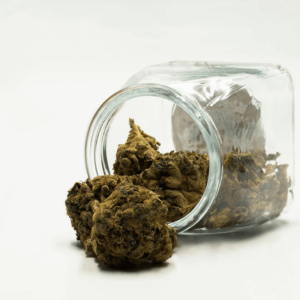
nugs spilling out of glass jar

5) Price: taxes vs. competition

If you’ve ever looked at a dispensary receipt and felt personally attacked, you’re not alone.

Why dispensary weed is often more expensive

Dispensary cannabis pricing commonly includes:

  • cultivation and compliance costs in a tightly regulated system
  • distributor markups (in some states)
  • retail overhead
  • excise taxes
  • local taxes
  • sometimes “because we can” pricing in limited-license markets

Why hemp can be cheaper (not always, but often)

Hemp marketplaces tend to be:

  • more competitive online
  • less burdened by state marijuana excise tax structure
  • less restricted by limited-license frameworks (depending on the state)

That competition pushes pricing down. Not to zero. Just down from “why is this eighth priced like a steak dinner?”

The honest truth

  • You can find overpriced hemp.
  • You can find fairly priced dispensary flower.
  • But on average, hemp delivery options frequently come out cheaper for comparable THCa-focused products, especially once you factor in taxes and travel.

6) Shipping and convenience: the difference that changes everything

Dispensary weed is mostly:

  • buy in person
  • take home
  • no shipping across state lines (and usually not even within the state unless it’s a regulated delivery program)

Hemp products are often:

  • shipped directly to consumers
  • ordered like normal e-commerce
  • delivered to your mailbox like it’s socks, except it’s not socks

If you live in a place with limited legal access, this is the whole ballgame.

But is hemp shipping “legal”?

This depends on:

  • your state and local rules,
  • the product type,
  • and whether the seller is compliant and transparent.

Do not play legal roulette. Buy from businesses that:

  • clearly describe what they sell,
  • provide current lab testing,
  • and ship only where they’re allowed to ship.

Convenience is great. Surprise legal problems are not a fun hobby.

7) Safety and testing: regulated doesn’t always mean better, but it’s predictable

Consumers often assume dispensary products are automatically safer because they are regulated. The more accurate statement is:

Dispensary products are usually tested under a consistent state framework. Hemp products vary.

Dispensary testing (typical)

State programs often require testing for things like:

  • potency
  • pesticides
  • heavy metals
  • microbes
  • residual solvents (for extracts)

The rules differ by state, but the key point is consistency and enforcement.

Hemp testing (typical)

Responsible hemp sellers provide:

But the hemp world has a wider range of behavior, from “meticulous” to “trust me bro.”

Do this every time:

  • Ask for the COA.
  • Match the batch number.
  • Check dates.
  • Look for contaminant panels, not just potency.
  • If the brand dodges, you dodge faster.

Repetition for emphasis: If the brand dodges, you dodge faster.

8) The user experience: why two flowers with “the same numbers” can feel different

Even if a hemp THCa flower and dispensary flower look similar on paper, your experience can still differ.

Here’s why:

  • Terpene profile affects perceived effects (energy, relaxation, mood).
  • Cure quality affects smoothness and flavor.
  • Freshness matters. Old flower is sad flower.
  • Storage and packaging matters.
  • Placebo and expectation are real. If you think hemp is weak, you may “feel” it’s weak until it proves you wrong.

Dispensaries sometimes move product fast. Hemp retailers sometimes ship incredibly fresh flower. The reverse also happens.

Judge with your senses and your standards, not just the label.

9) “So is hemp just a loophole?” The 2026 reality

People love calling hemp cannabinoids “loopholes.” Sometimes that’s fair. Sometimes it’s lazy.

The truth is more boring and more useful:

  • Hemp is a federally recognized legal category.
  • States can restrict it.
  • Enforcement and rules are patchwork.
  • The market evolves quickly, especially around intoxicating cannabinoids.

In 2026, hemp-derived products exist in a space that is both:

  • more accessible than dispensaries for many consumers, and
  • more inconsistent unless you buy carefully.

You don’t need a conspiracy theory. You need a reliable seller and a recent COA.

10) Who should buy dispensary weed vs. hemp products?

Let’s make this painfully practical.

Choose dispensary weed if you want:

  • the most clearly regulated retail channel in your state
  • traditional delta-9 THC labeling and familiar category shopping
  • in-person guidance (assuming the staff is actually trained)
  • access to certain concentrate styles that your hemp market may not offer consistently

Choose hemp products (including THCa) if you want:

  • legal-ish access where dispensaries are limited or nonexistent
  • delivery convenience and online shopping
  • competitive pricing without dispensary excise tax shock
  • strong potency options that can rival dispensary experiences, especially with THCa flower and pre-rolls

And yes, plenty of people do both. It’s not a loyalty oath. It’s cannabis, not a sports team.
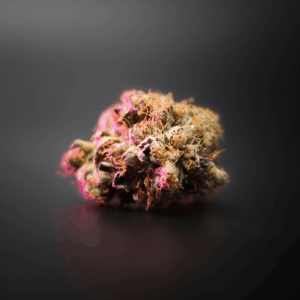
nug with pink light

11) How to shop hemp like an adult (so you don’t get burned)

If you’re moving from “I’ve heard of hemp delivery” to “I’m actually buying,” use this checklist.

A no-nonsense hemp buying checklist (use it every time)

  • Confirm what cannabinoid you’re buying. THCa flower is not the same thing as CBD flower. Delta-8 gummies are not the same thing as delta-9 gummies. Read the label.
  • Demand a current COA. Not a generic PDF from three years ago. Current. Batch-specific.
  • Check contaminants. Potency is cute. Pesticides and heavy metals are not cute.
  • Check the date. Freshness matters for flower and vapes.
  • Look for clear shipping rules. A serious shop tells you where they ship and what they won’t ship.
  • Avoid miracle claims. If it sounds like it was written by a late-night infomercial, treat it like one.
  • Start low, go slow. Especially with edibles. Especially if you’ve only used dispensary delta-9 products before.

Repetition for emphasis: Start low, go slow. Start low, go slow.

12) The bottom line in 2026

“Hemp vs. dispensary weed” is less about which plant is “real” and more about access, regulation, and how cannabinoids are labeled and sold.

Dispensaries offer a regulated channel with state oversight. Hemp offers a delivery-friendly channel with wider access in many places, and in 2026, THCa has made potency a non-issue for a lot of consumers who shop smart.

So don’t ask, “Is hemp weaker?”

Ask, “What am I buying, is it tested, and will it ship to me legally?”

That question gets you the right answer every time.

Ready to try hemp the smart way?

If you’re in a non-legal or hybrid state and you want the convenience of delivery without guessing what you’re getting, shop hemp products that are clearly labeled, properly tested, and built for real-world potency.

Browse our hemp selection and pick your lane: THCa flower, pre-rolls, and more. Choose quality. Choose clarity. Get it delivered.

Hemp vs Dispensary Weed: FAQs (Frequently Asked Questions)

What is the main difference between hemp and dispensary weed in 2026?

The primary difference lies in legal classification, testing, sale, and distribution methods. Dispensary weed is sold through state-licensed marijuana programs, while hemp products are sold under federal hemp rules, often shipped directly to consumers and built around legally defined cannabinoids.

Are hemp and marijuana different plant species?

No, both hemp and marijuana typically come from the same species, Cannabis sativa L. The distinction is based on legal definitions and THC concentration thresholds rather than botanical differences.

How does legal access to dispensary weed compare to hemp products?

Dispensary weed access often requires ID, medical cards, has purchase limits, higher taxes, and may involve travel to a physical location. Hemp products can usually be ordered online with direct-to-door shipping (where permitted), wider selection, and often without dispensary-style excise taxes.

Is hemp cannabis weaker in potency compared to dispensary weed?

Not necessarily. The myth that ‘hemp is weak’ is outdated. Many modern hemp flowers contain high THCa levels which convert into potent THC when heated, making their effects comparable to dispensary flower depending on strain genetics and cultivation quality.

What role does THCa play in the potency of hemp flower?

THCa is the acid form of THC found naturally in raw cannabis. When heated (smoking or vaping), it decarboxylates into THC, producing intoxicating effects similar to those from dispensary cannabis. This makes high-THCa hemp flower effectively as potent as traditional marijuana flower.

Why has hemp delivery become popular despite state restrictions on cannabis?

Hemp delivery offers convenience by allowing consumers to browse extensive catalogs online and receive products directly at home without the need for medical cards or visiting dispensaries. It provides legal access to cannabinoid products in states where adult-use cannabis remains restricted or limited.