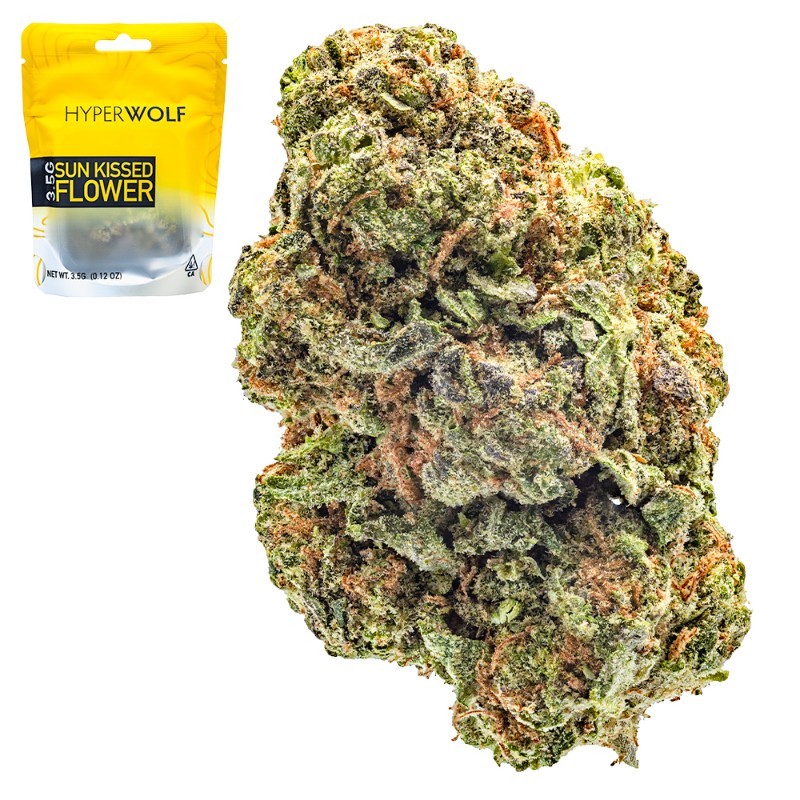
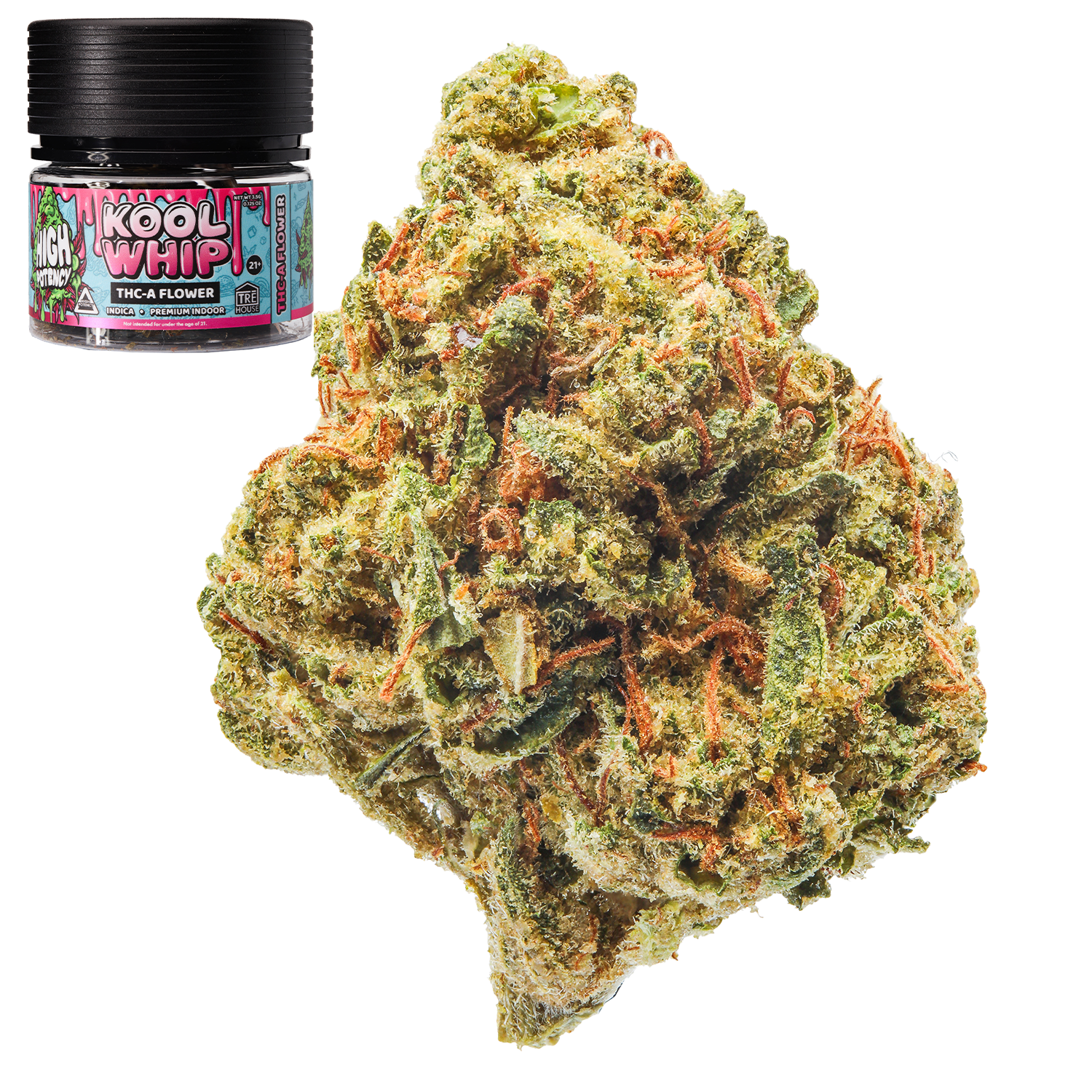
How is THCa Flower Made? A Comprehensive Guide

Ship to
Have you ever wondered how is THCa flower made? THCa, short for tetrahydrocannabinolic acid, is a non-psychoactive cannabinoid found in the raw form of cannabis.
However, it’s gaining attention for its potential health benefits, like anti-inflammatory and neuroprotective properties. In this blog, we’ll explore how THCa flower is made. We’ll break down the process step by step, so you’ll have a clear understanding of how this unique form of cannabis comes to life.
Whether you’re a seasoned consumer or just curious about the cannabis world, this guide will equip you with the knowledge to appreciate the intricacies involved in crafting THCa flower. Let’s begin!
When diving into the world of cannabis, it’s essential to understand THCa, or tetrahydrocannabinolic acid. Think of THCa as the raw and unprocessed version of THC, which is the compound most famous for giving cannabis its psychoactive properties.
What’s interesting about THCa is that it doesn’t make you feel “high” like THC does because it hasn’t undergone decarboxylation—a process typically triggered by heat where THCa transforms into THC.
So, in its raw form, even high quality THCa flower is completely non-psychoactive. This makes THCa particularly fascinating, as it opens up opportunities for use without the mind-altering effects that are often associated with cannabis consumption.
So, why is THCa flower such a big deal for both cannabis consumers and producers? Well, it turns out THCa offers a range of potential health benefits that are catching the eyes of many within the industry.
For consumers, THCa hemp flower is being explored for its anti-inflammatory and neuroprotective properties. This means it could potentially play a role in supporting the body’s natural defense systems and protecting cells from damage.
Producers are just as interested in THCa because it adds value to cannabis products in markets where there’s a growing trend toward non-psychoactive options. By cultivating THCa-rich flowers, they can cater to a broader audience, including those who are interested in the potential health benefits of cannabis without the psychoactive effects.
When you break it down, a cannabis plant is a fascinating organism with a pretty straightforward structure and life cycle.
Starting from the seed, it develops into a seedling with iconic fan-like leaves, then matures into a full plant, rich with branches, leaves, and flowers in the flowering stage. Its growth is largely dependent on factors like light, water, and temperature.
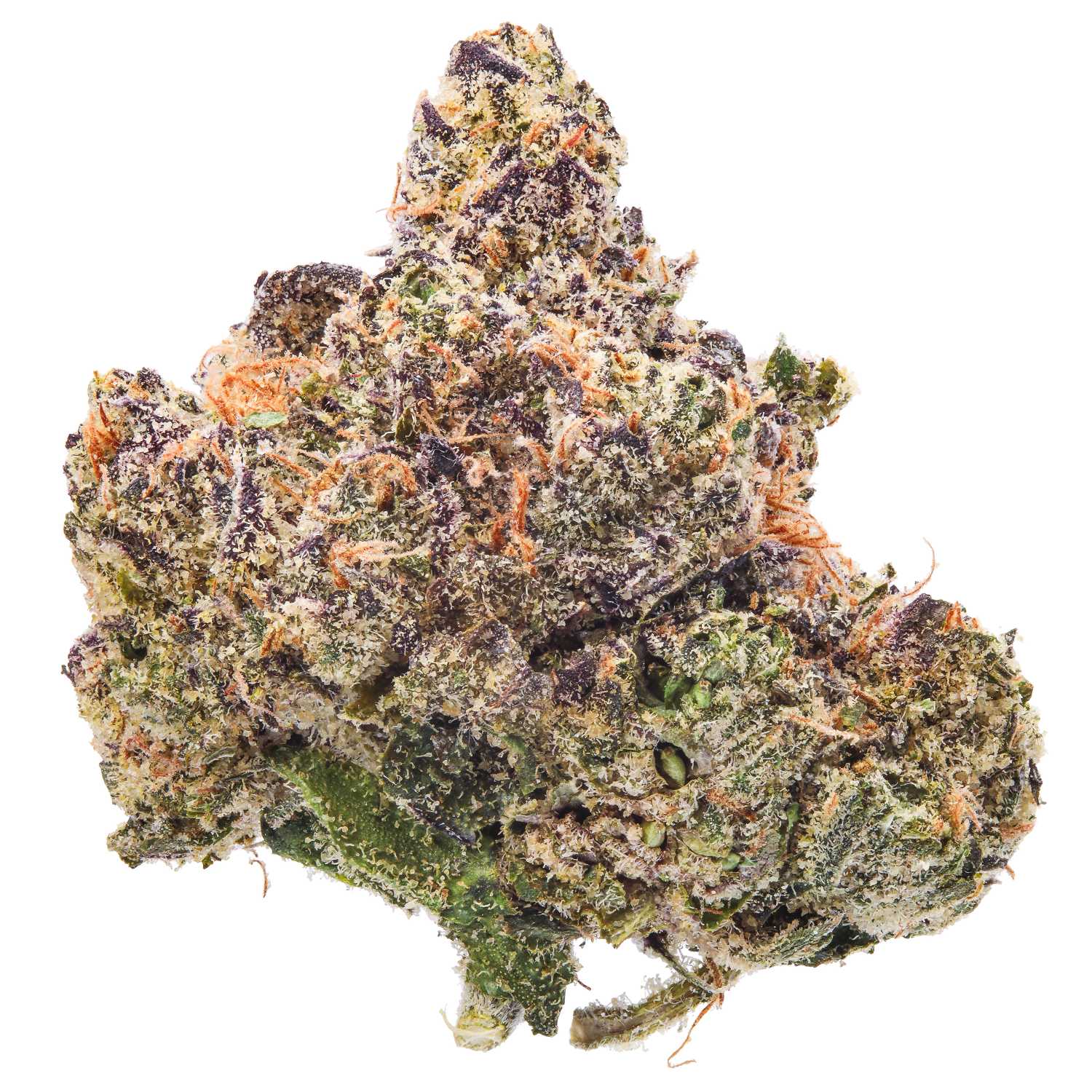
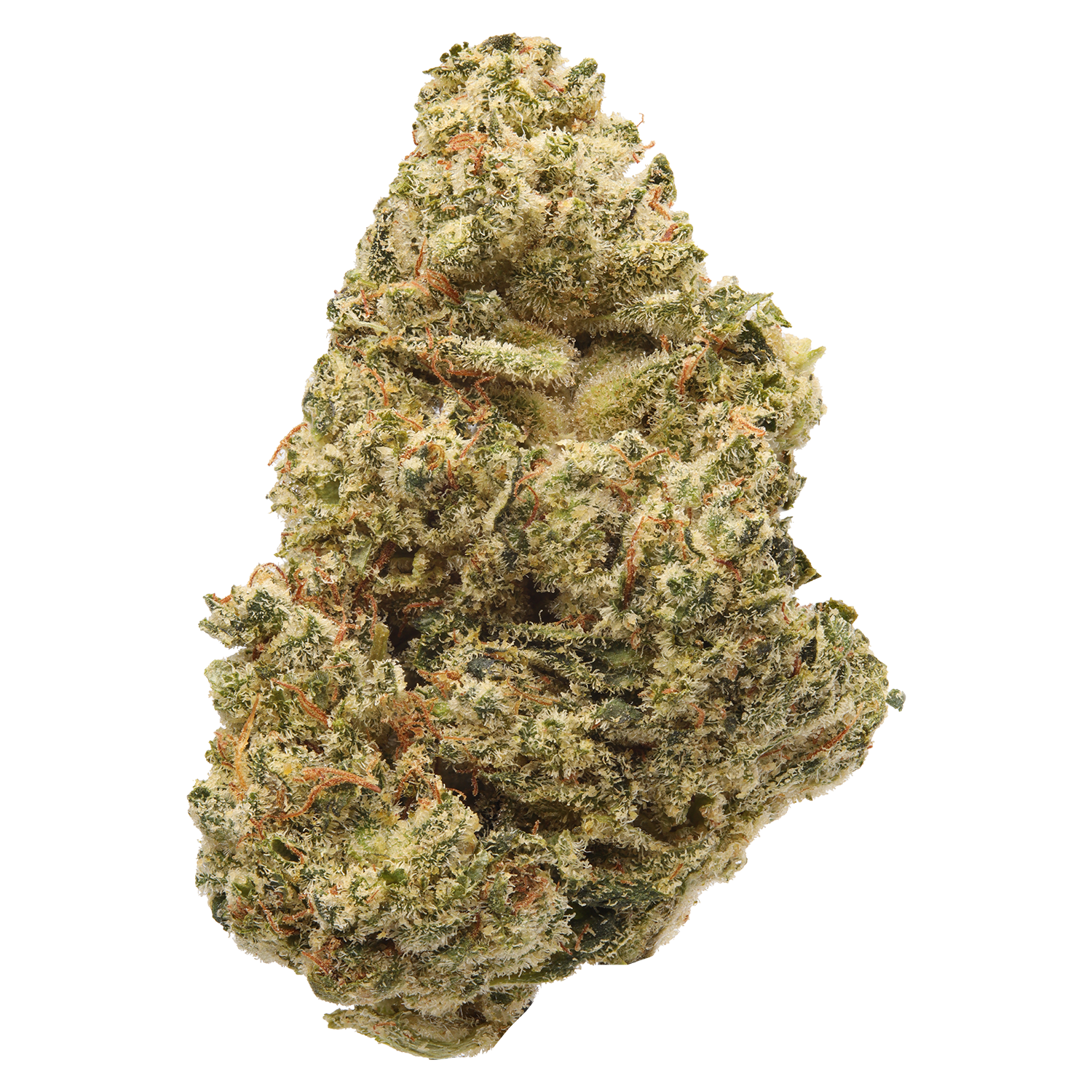
Now, the real magic of cannabis lies in its chemical compounds—cannabinoids and terpenes. Cannabinoids like THCa are found in the plant’s trichomes, those tiny, crystal-like structures covering the buds. They play a key role in defining the plant’s properties and potential benefits.
Terpenes, on the other hand, are the fragrant oils that not only give cannabis its distinctive aroma and flavor but also work together with cannabinoids in what’s known as the “entourage effect.” This harmonious interaction enhances the plant’s overall impact on the body and mind, making each strain unique in its purpose and potential benefits.
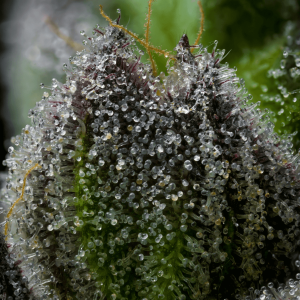
Choosing the right cannabis strain is crucial for successful THCa production. When hunting for the ideal strain, growers look for ones that naturally have high THCa levels, ensuring a potent final product.
Factors to consider include the strain’s genetic background, environmental adaptability, and resistance to pests and diseases, as these impact both the yield and THCa concentration.
Popular strains known for their impressive THCa content include “Juicy Fruit,” “White Widow,” and “Golden Pineapple.” Each of these strains combines high THCa potential with desirable growth traits, making them favorites among cultivators focused on producing high-quality, THCa-rich cannabis.
Cultivating hemp plants involves several key stages, each playing a role in ensuring optimal THCa yield. It all starts with germination, where cannabis seeds are sprouted under controlled humidity and temperature to kick off growth.
Once germinated, the plant enters the vegetative stage, marked by rapid growth in size and foliage. During this phase, growers ensure adequate light exposure and nutrient supply to support robust plant development.
Following the vegetative stage is flowering, where THCa production ramps up within the plant’s buds. To achieve the highest THCa yield, maintaining a stable environment with consistent lighting and an ideal temperature is crucial. Proper pruning and pest management are also vital to let the plants focus energy on producing cannabinoids and terpenes.
Each step in the cultivation process is a piece of the puzzle that ultimately shapes the cannabis plant’s potency and quality.
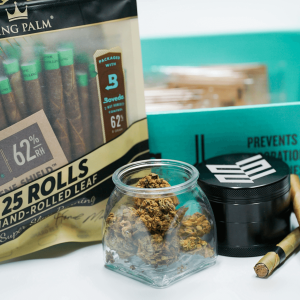
Timing the harvest is key to maximizing THCa content in cannabis flowers. The ideal harvest time is when trichomes, the tiny resin-filled glands on cannabis buds, shift from clear to a milky white appearance. This change indicates peak cannabinoid concentration, with THCa most abundant before decarboxylation naturally occurs.
Trichomes and resin glands are treasure troves of THCa, so careful handling during harvesting ensures these delicate structures remain intact, preserving the cannabinoid profile. By harvesting at the right moment, growers capture the full potential of THCa, resulting in a product that reflects the effort and expertise invested throughout the cultivation process.
Trimming cannabis flowers is a vital step in the production of THCa-rich products, ensuring that the final product is both potent and aesthetically pleasing.
The trimming process involves removing excess leaves and stems, which helps in concentrating the cannabinoids present in the buds. This meticulous task not only enhances the appearance but also maximizes the THCa yield by exposing more of the trichomes.
There are two main methods used by cultivators: wet trimming and dry trimming. Wet trimming is done immediately after harvest, which makes it easier to remove leaves while they’re still firm, but it requires handling the plant when the resin is fresh and sticky. On the other hand, dry trimming involves waiting until the cannabis is fully dried before removing any excess foliage. This method often results in a cleaner finish but can be less efficient in large-scale operations.
Each method has its pros and cons, but the choice ultimately depends on the desired quality and available resources.
Drying and curing are critical processes that significantly influence both the THCa content and the overall quality of cannabis flowers.
Once harvested and trimmed, the flowers are dried in a controlled environment, often with moderate humidity and consistent airflow, to reduce moisture content without degrading the cannabinoids. This careful drying phase is essential to prevent mold and maintain THCa integrity.
Following drying, the curing process comes into play. During curing, the flowers are stored in airtight containers where humidity and temperature are monitored closely over several weeks. This allows residual moisture to evenly distribute, enhancing the development of flavor profiles and ultimately boosting the potency.
Proper curing also allows THCa to be preserved more effectively, ensuring that the consumer receives a product with robust flavor and high cannabinoid content. These processes are the finishing touch that transforms raw cannabis into a refined product with optimal taste and efficacy.
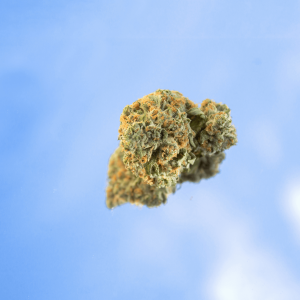
Extracting THCa from cannabis involves several techniques, each offering different advantages and drawbacks. The primary methods can be grouped into two categories: solvent-based and solventless extractions.
Choosing the right extraction method depends on factors like desired purity, equipment availability, and consumer safety considerations.
In-lab testing plays a vital role in ensuring cannabis products meet expected standards of potency, purity, and safety. By analyzing the concentration of THCa and other cannabinoids, labs can authenticate the product’s potency, providing consumers with confidence in what they are purchasing.
Furthermore, testing identifies potential contaminants such as pesticides, heavy metals, or microbial impurities, which are vital for consumer safety. Reliable lab results are crucial for accurate product labeling and marketing, as they inform consumers and set expectations, supporting transparency and trust in cannabis-related industries.
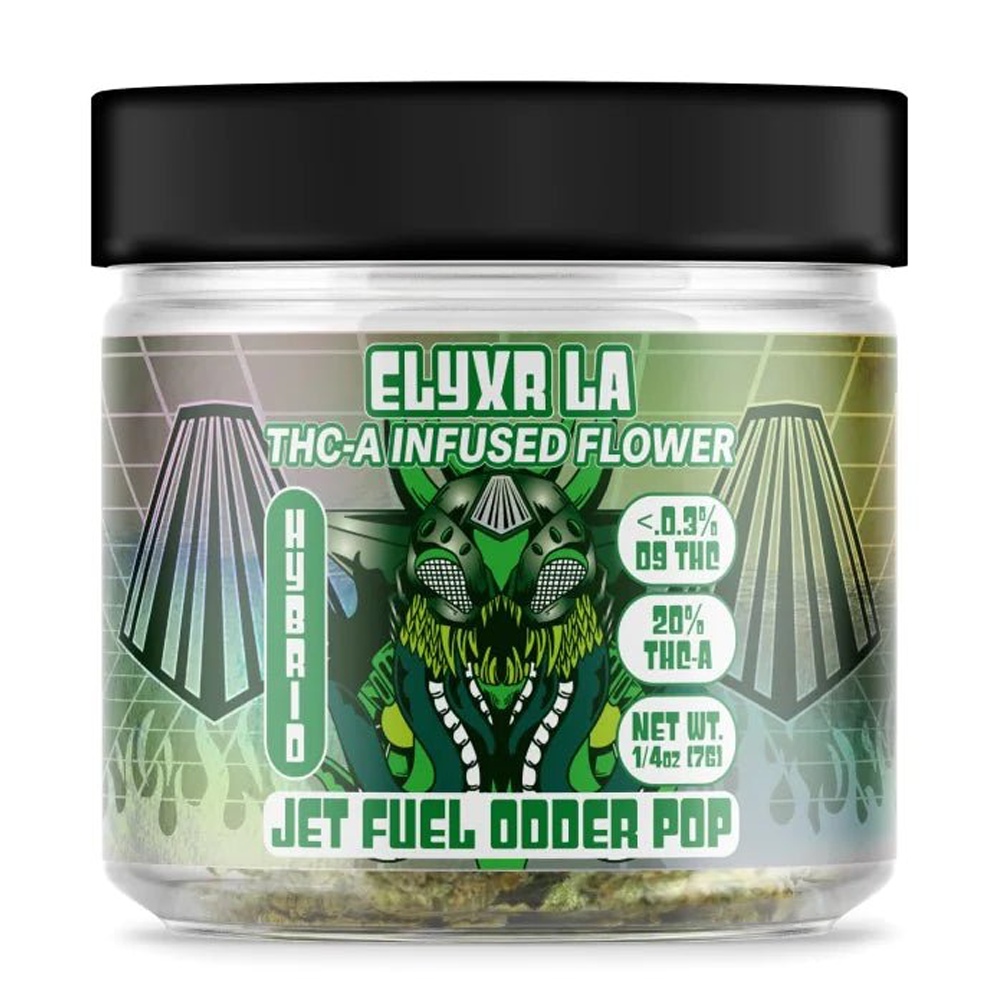
Proper packaging is essential in maintaining the quality of THCa-rich products from the moment they leave the cultivation facility to when they reach the consumer. Ideal packaging practices involve using airtight and UV-resistant materials to block out light and moisture, which can degrade THCa over time.
Glass jars and high-barrier plastic bags are popular choices for storing THCa products, as they provide good protection without affecting the product’s flavor or aroma. Vacuum-sealing can also be employed to keep air out, further preserving potency and freshness.
With the right packaging solutions, the integrity and shelf life of THCa products can be significantly extended, ensuring consumers receive the highest quality experience.
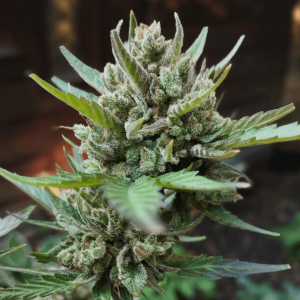
Under the 2018 Farm Bill, THCa flower containing less than 0.3% THC is legal in the United States, which has opened opportunities for a variety of products to enter the market without the same restrictions as high-THC cannabis.
However, legality can vary internationally, with some countries allowing freely while others impose stringent regulations or outright bans. It’s crucial for producers and retailers to understand the specific legal frameworks of their operating regions, including any additional regulatory requirements for production, testing, and sale.
Compliance with these regulations not only ensures legality but also promotes consumer trust and safety.
The market for THCa flower is seeing a rising demand, driven by consumers looking for cannabis products without the psychoactive effects associated with THC. Consumers are drawn to THCa for its potential therapeutic benefits and legality, contributing to its growing popularity.
Current trends suggest an increasing number of innovative THCa-infused products are hitting the shelves, including vapes, concentrates like THCa diamonds, pre-rolls, and edibles.
Looking ahead, potential developments might include a greater focus on organic and sustainably cultivated THCa flowers and more intricate product blends catering to specific wellness needs, as consumer awareness and demand for cleaner, more natural products continue to rise.
In conclusion, understanding the intricacies of THCa flower production, from hemp flowers cultivation to extraction, is vital for ensuring high-quality final products. The strict guidelines and innovative techniques involved highlight the commitment of the industry to maintaining the integrity and efficacy of THCa products.
Legal considerations play a significant role, with varying regulations impacting the market landscape globally, including the influence of the 2018 Farm Bill in the United States. Consumer trends reveal a growing fascination with THCa and its potential benefits, positioning the flower as a pivotal component of the cannabis industry.
As the market continues to evolve, staying informed about these processes and trends will be essential for consumers and businesses alike, ensuring they can adapt and thrive amid changing legal and consumer environments.

Jun 22, 2026 Jenna Renz

Jun 22, 2026 Jenna Renz

Jun 22, 2026 Jenna Renz