Is Delta-8 THC Legal? The 2026 State-by-State Guide to Hemp-Derived Cannabinoids

Ship to
Is Delta 8 legal? Sometimes yes, sometimes no, and sometimes “yes, but only if you can decode a 40-page regulation written like a riddle.
This guide is a living document built for real people who want real answers. We cover the federal “hemp loophole,” what hemp-derived legally means, how shipping compliance works, what to expect from the 2025–2026 Farm Bill discussions, and a state-by-state breakdown of Delta-8 legality.
Important: This is informational, not legal advice. Laws and enforcement can change, and they do. Always verify with your state regulator if you’re making business decisions.
Let’s clear the fog before we walk into it.
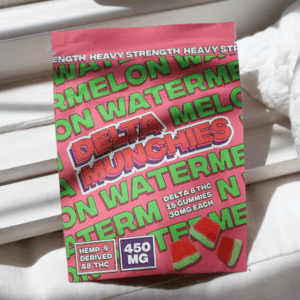
The reason Delta-8 exists in mainstream retail is the 2018 Farm Bill (Agriculture Improvement Act of 2018). That law federally legalized hemp by removing it from the Controlled Substances Act, as long as it contains ≤ 0.3% Delta-9 THC (dry weight).
Here’s the catch: the Farm Bill focused on Delta-9 THC, not Delta-8, Delta-10, THC-O, HHC, THCP, or the rest of the cannabinoid alphabet soup. That created a marketplace where manufacturers could sell intoxicating products that technically met the federal hemp definition.
Federally, Delta-8 is not explicitly legalized the way CBD is. The most important complication is how Delta-8 is made.
That leads to the big federal question: Is converted Delta-8 “synthetically derived”?
The DEA has taken the position (through rules and statements, not a simple one-line ban) that “synthetically derived tetrahydrocannabinols” remain Schedule I. Courts and regulators have wrestled with what “synthetic” means when you start with hemp-derived CBD and convert it.
Here’s the practical reality:
“Hemp-derived” is a legal sourcing concept, not a guarantee that the product is legal everywhere.
A product is typically marketed as hemp-derived if:
1) Delta-9 dry weight math Edibles can “pass” the federal Delta-9 limit by being heavy enough (brownie logic). A gummy that weighs 4 grams can contain more milligrams of Delta-9 while still measuring ≤ 0.3% by dry weight. Some states hate this and have changed their rules.
2) Conversion and “synthetic” arguments States increasingly regulate or ban chemically converted cannabinoids, even if they come from hemp-derived CBD.
Demand boring paperwork. Boring paperwork is the hottest trend in 2026.
Look for:
If a brand can’t show COAs, treat it like mystery meat. Hard pass.
Even if a product fits the federal hemp definition, states can:
So the question isn’t only “Is Delta-8 legal?” It’s also:
In other words: same molecule, different rules, different consequences.
Shipping hemp-derived cannabinoids is not “ship it and hope.” A compliant seller typically does all of the following:
It’s a red flag. A legitimate seller should be able to say, clearly:
You should not have to read 50 states worth of legal nuance to place an order.
CTA suggestion for your WordPress page:
Check if we deliver to your state: (Zip code lookup)
This is the single best trust-builder you can add because it signals: we’re not trying to sneak products into restricted states. We’re trying to stay in business.
Here’s the readable version: a state-by-state list grouped into three practical buckets:
Note: “Restricted” can still mean “not shippable” for many brands. Brands often choose the strictest compliance stance because one bad shipment can ruin your month.
Delta-8 is typically treated as an intoxicating hemp product subject to state rules. Expect age limits and product restrictions.
Intoxicating THC is generally routed through the regulated cannabis market. Hemp-derived Delta-8 retail is typically not allowed.
Hemp exists, marijuana exists, and Delta-8 sits in the “regulated carefully or discouraged” zone. Expect scrutiny around synthetic conversion and labeling.
Delta-8 has faced state-level bans and enforcement. Treat as not legal for general retail.
California has moved to restrict intoxicating hemp cannabinoids. Delta-8 is effectively not permitted in general retail channels.
Colorado has prohibited chemically modified/converted cannabinoids in hemp products. Delta-8 commonly falls into that bucket.
Intoxicating cannabinoids are heavily regulated. Hemp THC products face tight controls and may be limited to regulated channels.
Delta-8 is not a casual retail free-for-all. Expect restrictions, especially on intoxicating hemp products.
Often available, but enforcement and proposed rules shift. Expect age gating, packaging rules, and changing standards around total THC.
Hemp products are regulated; intoxicating hemp remains a hot issue. Delta-8 may be sold under restrictions and is subject to shifting enforcement.
Hawaii tends to regulate intoxicating cannabinoids tightly. Treat Delta-8 as restricted and potentially not shippable depending on product type.
Idaho remains one of the strictest states on THC. Delta-8 is generally treated as illegal.
Rules have tightened around intoxicating hemp. Delta-8 may be regulated, limited, or treated similarly to cannabis depending on formulation and channels.
Delta-8 has faced legal disputes and policy shifts. Treat as restricted and verify current state enforcement before sale/shipment.
Hemp is allowed, but intoxicating hemp products have been targeted. Delta-8 is risky and often treated as restricted.
Hemp is legal, but intoxicating THC is not broadly welcomed. Delta-8 may be treated as restricted and subject to enforcement.
Kentucky has a significant hemp industry, but intoxicating hemp products are regulated. Expect compliance requirements.
Louisiana has imposed tighter rules on hemp-derived intoxicants. Expect caps, labeling rules, and product restrictions.
Maine restricts intoxicating hemp cannabinoids and often routes THC-like effects into regulated cannabis.
Maryland has moved to regulate intoxicating hemp products more strictly. Delta-8 often falls under restrictions.
Massachusetts has restricted or banned Delta-8 in many retail contexts. Treat as not permitted.
Michigan regulates intoxicating cannabinoids and has restricted Delta-8 outside licensed cannabis systems.
Known for specific limits on hemp-derived THC edibles. Delta-8 is typically restricted by potency/serving rules and channel requirements.
Regulation exists and continues evolving. Treat Delta-8 as restricted with age and product-type controls.
Legal posture has shifted over time. Delta-8 is typically restricted; confirm current rules and enforcement.
Montana has taken steps against Delta-8 in hemp channels. Treat as not legal for general retail.
Hemp is legal; Delta-8 has faced enforcement uncertainty. Treat as restricted and potentially not shippable.
Nevada regulates intoxicating cannabinoids. Delta-8 is commonly restricted and may be limited to regulated pathways.
Delta-8 is regulated with limits and oversight. Not a “wild west” state for intoxicating hemp.
New Jersey has restricted intoxicating hemp cannabinoids and Delta-8 is generally not allowed in general retail.
Hemp products are regulated; intoxicating cannabinoids face tighter controls. Treat as restricted.
New York has banned Delta-8 products. Treat as not legal.
North Dakota has taken a cautious approach. Treat as restricted and verify product eligibility.
Ohio regulates hemp products and intoxicating cannabinoids. Delta-8 is typically restricted with evolving rules.
Oklahoma has a robust cannabis market and hemp rules, but intoxicating hemp is scrutinized. Treat Delta-8 as restricted.
Oregon has moved against artificially derived cannabinoids in hemp. Delta-8 is generally not allowed.
Pennsylvania’s position has been cautious and enforcement-focused. Treat as restricted; shipping may be limited.
Rhode Island has restricted Delta-8. Treat as not permitted.
South Dakota remains cautious. Delta-8 is often restricted and may face enforcement attention.
Tennessee has had active hemp regulation changes. Treat Delta-8 as restricted with compliance requirements.
Utah heavily regulates intoxicating products. Delta-8 is typically restricted and may be limited by product format and potency.
Vermont has restricted Delta-8. Treat as not permitted.
Virginia has shifted hemp THC rules and often limits intoxicating hemp products. Treat as restricted.
Washington has restricted Delta-8 in general retail. Treat as not permitted.
Regulatory approach continues to evolve. Treat Delta-8 as restricted.
Hemp is legal; intoxicating hemp products are controversial. Delta-8 is typically restricted and can be risky.
Because you probably want the “just tell me where it’s broadly legal” version, here’s the short list of states that, as of current trends, are more likely to be Legal / Generally Allowed for hemp-derived Delta-8 with standard compliance (testing, labeling, age gating), though local restrictions can still apply:
Reality check: Even in “generally allowed” states, specific product types like vapes and high-potency edibles are the first to get restricted.
If a state doesn’t ban Delta-8 outright, it often restricts it in predictable ways. Watch for:
If your product is legal only because it’s exploiting dry-weight math, don’t be surprised when lawmakers bring calculators.
The Farm Bill is the engine room of federal hemp policy. And in 2025–2026, the loudest debates are about intoxicating hemp.
Here are the most likely policy directions lawmakers and regulators keep circling:
Congress could shift from only “Delta-9 THC” to something like:
If that happens, many current Delta-8 products could become federally non-compliant overnight.
A clearer federal rule could limit or ban cannabinoids produced through conversion processes, especially where acids/solvents create byproducts and inconsistent purity.
A federal 21+ rule for intoxicating hemp and national labeling standards are increasingly plausible because states are tired of cleaning up the mess in different ways.
You may see tighter controls for ingestibles, especially around:
Do this, in this order:
If your state bans “intoxicating hemp” generally, switching molecules is not a loophole. It’s just a different ticket.
Delta-8 exists in a federal gray area. The 2018 Farm Bill legalized hemp defined by ≤ 0.3% Delta-9 THC (dry weight), but Delta-8 is often produced via conversion, which can trigger “synthetically derived THC” concerns. State law is usually the deciding factor.
It usually means the Delta-8 was produced from hemp-derived CBD or other hemp cannabinoids, and the final product is marketed under hemp rules. It does not guarantee legality in your state.
Because states regulate intoxicating hemp differently. Some ban Delta-8 outright, others allow it with restrictions like testing, age limits, potency caps, or vape bans.
Only if the destination state allows it and the product meets that state’s rules. Many compliant sellers block restricted states and sometimes restrict specific product types.
Delta-8 is psychoactive like Delta-9 THC, but typically perceived as less intense. Legally, Delta-8’s status depends on state rules and how it is produced and sold.
It could. The most likely changes would redefine THC beyond Delta-9, restrict converted cannabinoids, or set national rules for intoxicating hemp. Nothing is guaranteed, but pressure is strong.
Use your state’s official sources: the state hemp program, department of agriculture, health department, or cannabis regulator. Then confirm local county/city rules if applicable.
Not safely, legally speaking. The moment you cross into a state where it’s banned, possession can become a problem. Check each state on your route, not just your destination.
Buy only from brands that provide up-to-date third-party lab tests, clear ingredient lists, compliant labeling, and transparent shipping restrictions. If a site claims “legal in all 50 states,” be skeptical.
Last updated: 2026. This guide is reviewed and updated quarterly as state laws and federal policy continue to evolve.

Jun 22, 2026 Jenna Renz

Jun 22, 2026 Jenna Renz

Jun 22, 2026 Jenna Renz