Is THCa Flower Legal in Florida? A Comprehensive Guide

Ship to
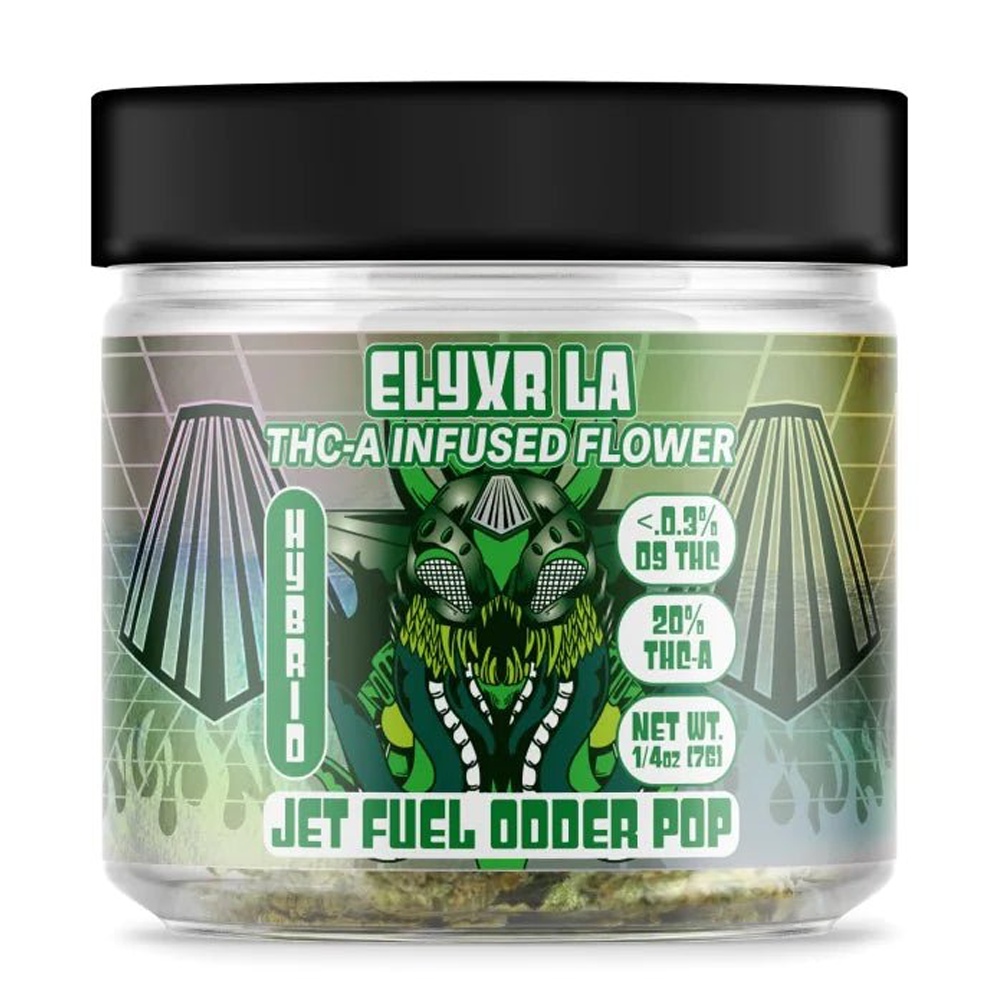
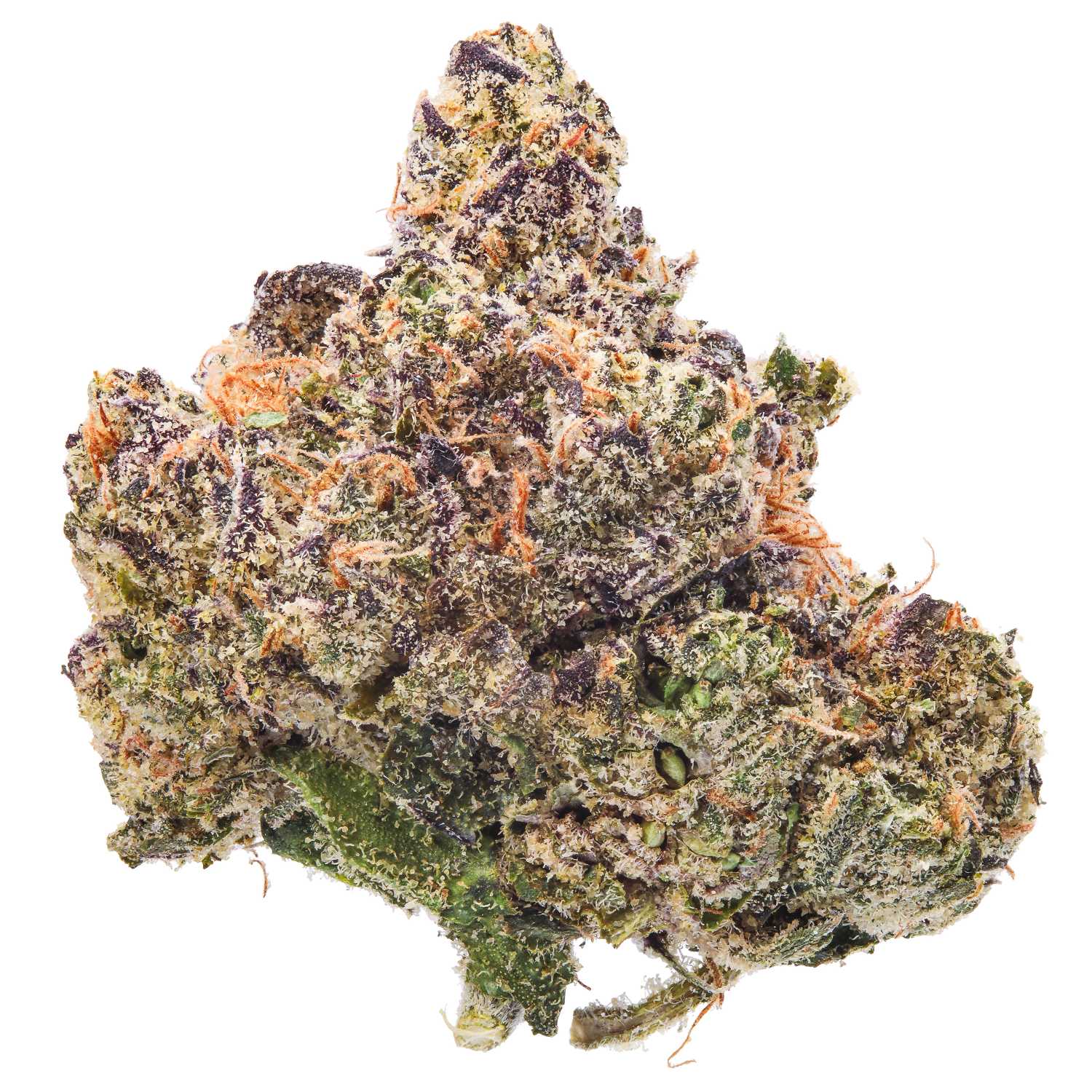
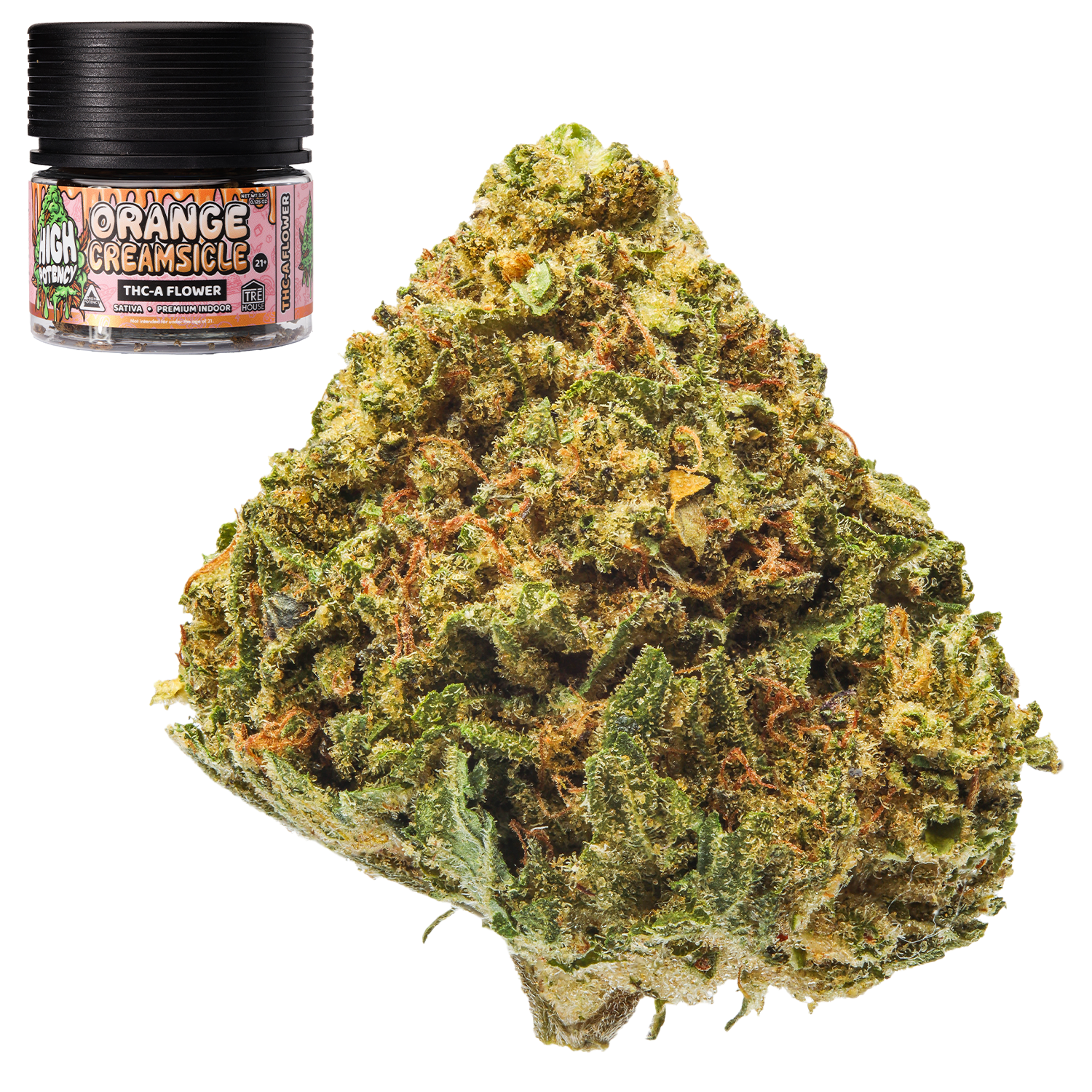
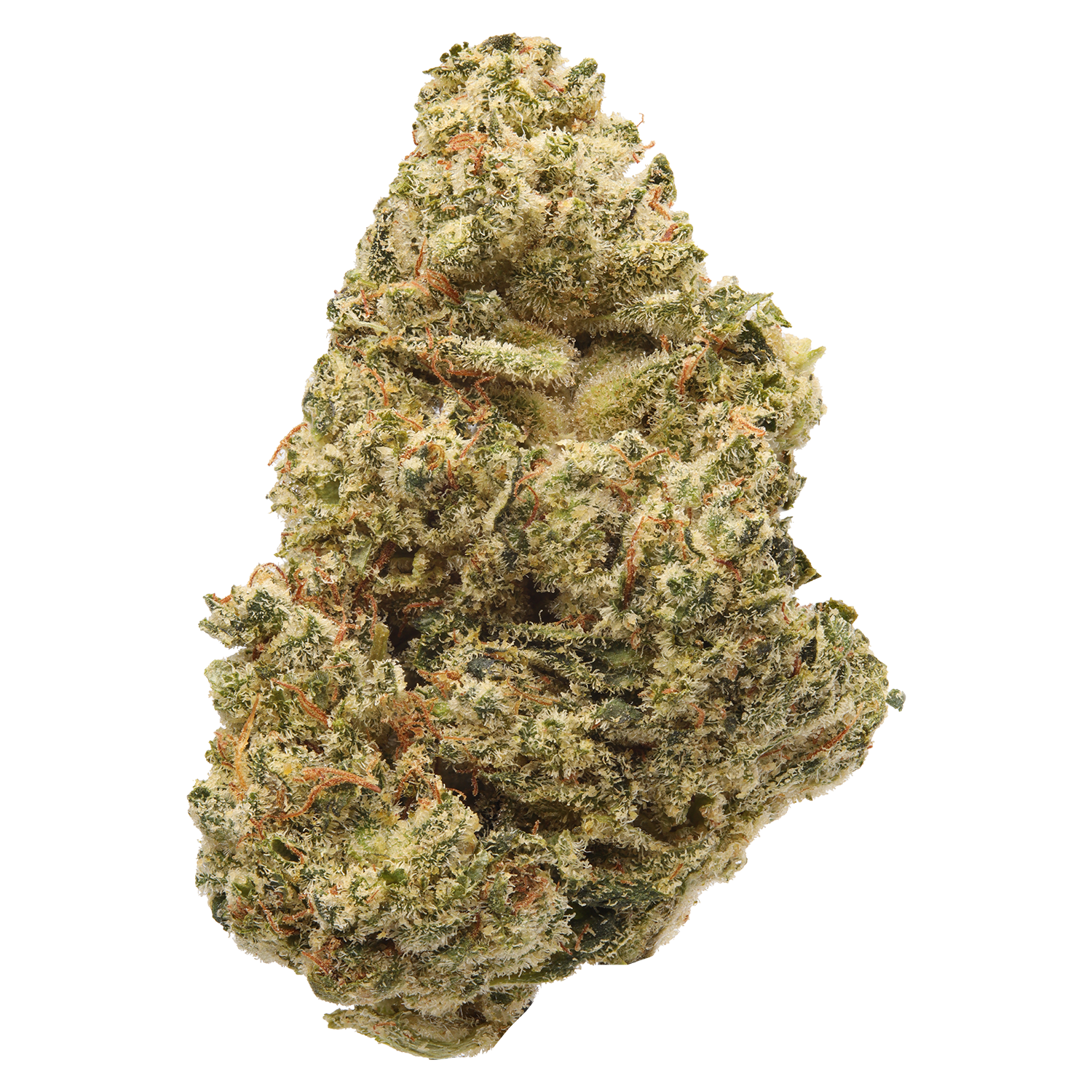
The world of cannabis is constantly evolving, and with it comes a growing interest in various But what exactly is THCa, and is THCa flower legal in Florida? In this blog, we’ll break down what THCa is, how it fits into Florida’s legal landscape, and what you need to know as a consumer. Before diving into the legalities, it’s important to understand what THCa flower is and how it differs from other cannabis products. THCa, short for Tetrahydrocannabinolic Acid, is a non-psychoactive compound found in cannabis plants. Unlike its cousin THC, THCa does not produce the “high” that most people associate with marijuana. THCa becomes THC only when it’s heated—a process called decarboxylation (like when you smoke or vaporize cannabis). This means that fresh cannabis flower rich in THCa will not get you high unless it’s heated or decarboxylated. THCa flower refers to cannabis buds that contain a high concentration of THCa, typically from hemp or marijuana plants. While THCa itself is non-intoxicating, it offers a range of potential health benefits without the psychoactive effects of THC. Florida’s cannabis laws are nuanced, with distinctions between medical marijuana, hemp, and THCa products. In 2016, Florida voters passed Amendment 2, legalizing medical marijuana for qualified patients. Medical cannabis in Florida includes a range of products like marijuana flower, concentrates, and edibles, but only for individuals with a certified recommendation from a licensed doctor. Hemp, on the other hand, was legalized federally by the 2018 Farm Bill, which allowed hemp-derived products (such as CBD) to be sold legally in most states, including Florida, as long as they contain less than 0.3% THC. While Florida has laws that allow medical marijuana and hemp-based products, the legal status of THCa flower falls into a gray area. THCa, when not decarboxylated, does not meet the legal definition of “THC,” but its relationship with the law can be complicated due to its close association with THC. It’s essential to differentiate between federal and state cannabis laws when considering the legality of THCa flower. The complexity arises because while THCa itself is not explicitly mentioned in Florida law, its close connection to THC can cause confusion. As long as the product doesn’t contain significant amounts of THC, THCa flowers from hemp plants generally fall under the legal hemp category. For those in Florida with a medical marijuana card, the legal situation is a bit clearer when it comes to cannabis products. Florida’s Medical Marijuana Legalization Amendment allows qualified patients to purchase a variety of cannabis products from licensed dispensaries. This includes medical marijuana flower, concentrates, oils, tinctures, and edibles. However, cannabis must meet specific THC content regulations. A critical factor in the legal status of THCa flower is whether it comes from hemp or marijuana plants. The key difference between hemp-derived and marijuana-derived THCa is the THC content. Hemp-derived products are legal in Florida if they meet the THC threshold, while marijuana-derived THCa products require a medical marijuana card. While the sale of hemp-derived THCa flower is technically legal in Florida, the availability of THCa flower in local stores or dispensaries may vary. Though THCa flower is legal in certain contexts, purchasing from unlicensed sources can present significant risks: Given the potential risks of buying THCa Flower through Florida dispensaries, it’s best to play it save and shop online through Hyperwolf LA! As interest in THCa and its potential benefits grows, the legal landscape in Florida may change. With more consumers seeking cannabis products that do not induce a high, THCa flower could become a more significant part of Florida’s cannabis market. Advocacy for broader cannabis reform in Florida, along with growing public interest in hemp-derived cannabinoids, could lead to more regulations that clarify the legal status of THCa flower. Additionally, as consumer awareness increases, lawmakers may adjust current laws to accommodate the growing cannabis industry. Florida law enforcement generally views hemp-derived THCa products as legal as long as they do not contain more than 0.3% THC. However, due to the similarity between THCa and THC, there could still be confusion among consumers and authorities. If you’re familiar with CBD and other hemp-derived products, you might wonder how THCa flower compares. To legally possess and use THCa flower in Florida: As the cannabis landscape continues to evolve, it’s crucial for consumers to stay informed about their rights and responsibilities when it comes to purchasing and using cannabis products. In conclusion, the legality of THCa flower in Florida depends on several factors, including its source (hemp vs. marijuana) and THC content. While hemp-derived THCa products are generally legal, marijuana-derived THCa products are restricted to medical marijuana patients. As the cannabis industry evolves, it’s essential for consumers to stay informed, make responsible purchasing choices, and adhere to local and federal regulations. By doing so, you can enjoy the benefits of THCa flower while staying within the bounds of the law. la/shop/trait/cannabinoids">cannabinoids and their legal status. One of the cannabinoids that has recently caught the attention of cannabis users is THCa (Tetrahydrocannabinolic Acid).
What is THCa Flower?
The Legal Status of Cannabis in Florida
Federal vs. State Laws on Cannabis
What Does Florida’s Medical Marijuana Law Say?
Hemp-Derived THCa vs. Marijuana-Derived THCa
Is THCa Flower Sold Legally in Florida?
Potential Risks of Buying THCa Flower in Florida
The Future of THCa Flower in Florida
THCa Flower and Law Enforcement
THCa Flower vs. CBD and Other Hemp Products
How to Legally Possess and Use THCa Flower in Florida
Consumer Responsibility and Education
Is THCa Flower Legal in Florida? Conclusion

Jun 22, 2026 Jenna Renz

Jun 22, 2026 Jenna Renz

Jun 22, 2026 Jenna Renz