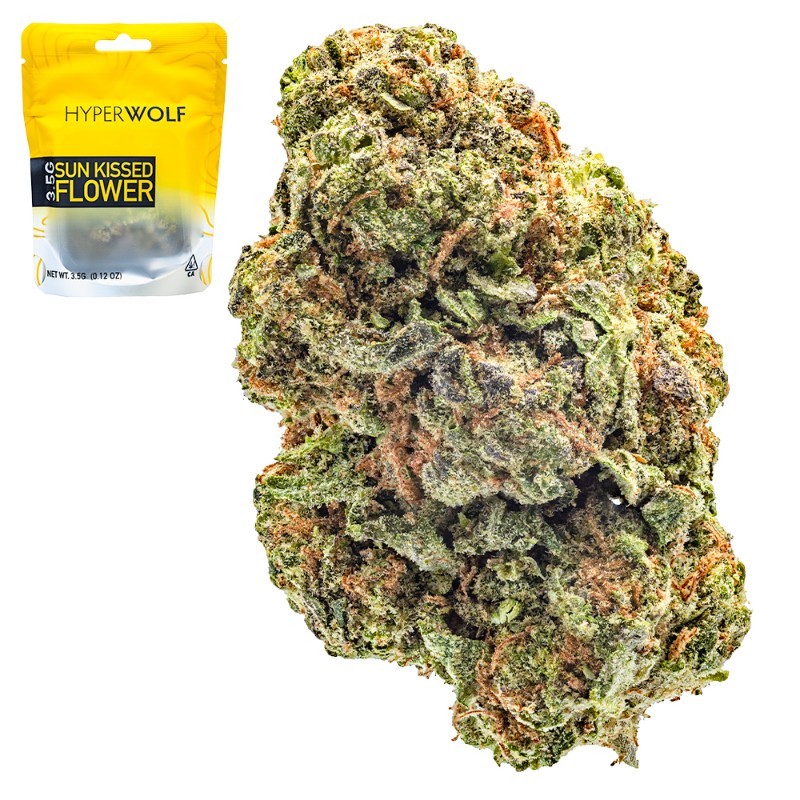
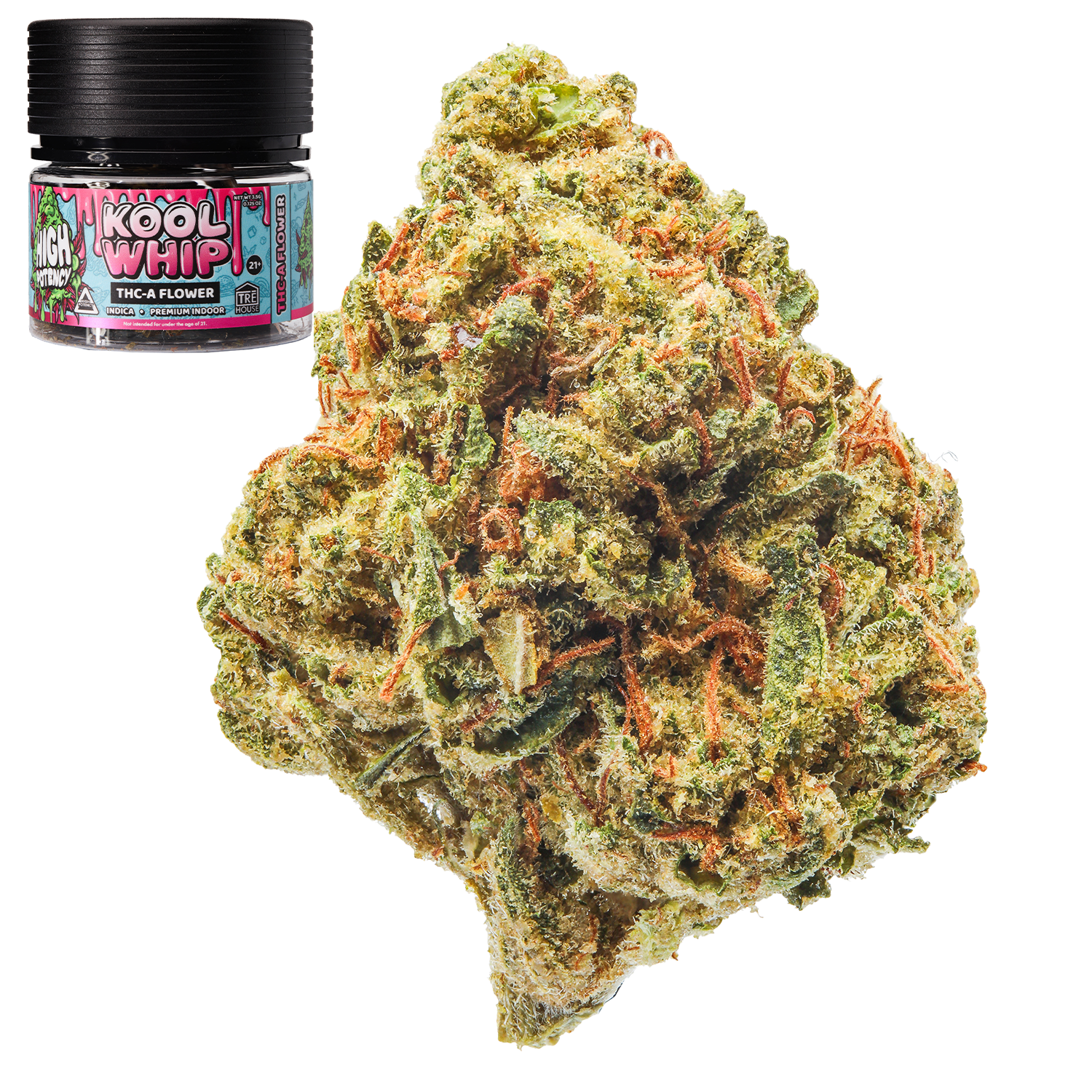
THCa Flower vs THC Flower: What’s the Difference and Which One to Choose?

Ship to
When you visit a dispensary, you’ll notice jars labeled “THCa flower” alongside the usual “THC flower.
The truth is, understanding the difference between cannabis flowers isn’t as simple as it seems. The debate over THCa flower vs THC flower comes down to one small letter that has a huge impact on legality, effects, and usage. Fresh cannabis contains THCa (short for tetrahydrocannabinolic acid), not THC. When heat is applied, THCa converts to THC through a process called decarboxylation.
This guide aims to clarify things for you. In this article, you’ll discover:
Let’s explore the chemistry, legality, and practical differences between these two cannabis options.
Tetrahydrocannabinolic acid (THCa) is the raw, acidic precursor found in living cannabis plants. This compound exists naturally in fresh cannabis flowers, sitting there until something changes its molecular structure.
Tetrahydrocannabinol (THC) is the well-known psychoactive compound that creates the characteristic “high” sought after by cannabis users. Here’s the twist: THC barely exists in raw cannabis plants. The plant produces THCa, not THC.
The difference between THCa and THC comes down to a single carboxyl group (COOH). THCa carries this extra molecular group, which prevents it from binding effectively to your brain’s CB1 receptors. Remove that carboxyl group through heat or time, and you’ve got THC.
Both compounds share nearly identical molecular structures:
That missing CO₂ makes all the difference between a non-psychoactive compound and one that’ll have you contemplating the universe.
Cannabis plants naturally produce THCa through enzymatic processes as they grow. The plant doesn’t intentionally create THC—it produces THCa as part of its natural defense mechanism against pests and UV radiation. The conversion to THC happens through exposure to heat, light, or extended aging.
Decarboxylation is the chemical reaction that transforms your innocent-looking THCa flower into the psychoactive powerhouse you’re probably familiar with. Think of it as cannabis’s Clark Kent-to-Superman moment—except instead of a phone booth, you need heat.
The process strips away a carboxyl group (that’s the “A” in THCa) from the cannabinoid molecule. When you apply heat—whether through smoking, vaping, or baking—temperatures around 220-250°F (104-121°C) trigger this molecular makeover. The THCa molecule loses carbon dioxide (CO₂) and becomes THC, the compound responsible for getting you high.
Here’s what happens at different stages:
The cannabinoid chemistry gets interesting when you realize that all cannabis flowers start as THCa. Even what dispensaries label as “THC flower” contains predominantly THCa until you light it up. The difference lies in how products are tested and marketed—a distinction that creates significant legal grey areas and buyer confusion.
Raw consumption delivers entirely different effects than heated flower, activating separate receptor pathways in your body without the cerebral high.
Does THCa get you high? The short answer: not in its raw form. THCa flower effects are fundamentally different from what you’d expect with traditional cannabis consumption.
Raw THCa flower contains virtually zero psychoactive properties. You could eat a handful of fresh THCa buds and feel nothing beyond perhaps some mild digestive discomfort. The molecule’s three-dimensional structure simply doesn’t fit into your brain’s CB1 receptors—the biological locks that produce that classic cannabis high. Think of it like having a key that’s almost the right shape but won’t turn the lock.
THC flower, on the other hand, delivers the full psychoactive experience users seek: euphoria, altered perception, increased appetite, and potential anxiety or paranoia depending on dose and individual chemistry. This is the compound responsible for cannabis’s reputation as an intoxicant.
The psychoactivity of THCa changes dramatically once heat enters the equation. Light your THCa flower in a bowl or vaporizer, and decarboxylation transforms it into THC within seconds. The THCa flower vs THC flower distinction essentially vanishes at the moment of combustion. That “raw” THCa flower becomes functionally identical to THC flower in terms of psychoactive potential.
Some users report subtle effects from consuming large amounts of raw THCa—mild relaxation or body sensations—but these remain controversial and likely stem from other cannabinoids present rather than THCa itself.
Raw THCa flower delivers therapeutic benefits of THCa without the cerebral fog that accompanies THC consumption. Research suggests this acidic cannabinoid exhibits powerful anti-inflammatory properties that may help manage conditions like arthritis, lupus, and inflammatory bowel disease—all while keeping your head clear for work, driving, or parenting duties.
The wellness comparison becomes straightforward: THCa flower suits daytime symptom management when you need to function normally. Think morning inflammation, midday nausea, or chronic pain during work hours. THC flower works better for nighttime relief or situations where intoxication won’t interfere with your responsibilities. Some users strategically combine both—raw THCa during the day, heated THC flower at night—to maximize medical cannabis benefits across their entire symptom profile.
The legality of THCa flower exists in a fascinating loophole that makes cannabis lawyers simultaneously excited and nervous. Under the 2018 Farm Bill, hemp laws define legal cannabis as containing less than 0.3% Delta 9 THC by dry weight. Here’s the kicker: THCa flower technically qualifies as legal hemp because THCa isn’t Delta 9 THC—yet. The plant material passes the legal threshold on paper, even though heating transforms it into something federally prohibited.
Cannabis legal status for THC flower remains straightforward but restrictive. Traditional dispensary weed containing more than 0.3% Delta 9 THC stays federally illegal, though state-level legalization creates a patchwork of regulations. Some states embrace recreational and medical programs, while others maintain strict prohibition.
The grey area between THCa flower vs Delta 9 creates buyer cautions worth noting:
THCa flower vs dispensary weed presents different legal risks. While THCa flower ships legally through USPS in many jurisdictions, dispensary products require state-licensed transportation. Understanding how THCa flower works within legal frameworks helps buyers navigate these complexities—but consulting local regulations remains non-negotiable before purchasing either product type.
Consuming cannabis flower boils down to one critical factor: heat application determines your experience. The method you choose directly impacts whether you’re activating THCa into THC or keeping it in its raw, non-psychoactive form.
Smoking cannabis flowers remains the most straightforward approach. Light it, inhale it, get the effects—simple as that. When smoking THCa flower vs THC flower, the flame instantly decarboxylates any THCa present, converting it into psychoactive THC. The experience becomes virtually identical between the two once combustion occurs.
Vaping THCa vs THC offers more control over temperature. Set your device between 315-440°F (157-227°C) to activate cannabinoids without combustion. Lower temperatures preserve more terpenes and provide smoother hits, while higher temps deliver stronger effects. The decarboxylation happens in real-time as you vape.
Cooking with cannabis requires pre-decarboxylation. Bake your flower at 240°F (115°C) for 30-40 minutes before infusing into butter or oil. Skip this step with raw THCa flower if you want the non-psychoactive benefits—blend it into smoothies or salads instead.
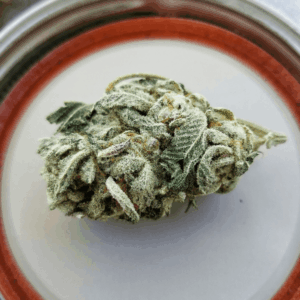
Here’s the twist: once you apply heat, THCa flower and THC flower become nearly identical. The decarboxylation effects transform THCa into THC, erasing most distinctions between the two.
Pre-Heating Potency Breakdown:
Post-Heating Reality:
Both flowers deliver comparable psychoactive experiences after heating. A THCa flower testing at 25% THCa converts to roughly 22% THC after decarboxylation (accounting for molecular weight loss during conversion). A THC flower at 22% THC remains… 22% THC.
The user experience with cannabis flower becomes indistinguishable between the two. Expect the same cerebral euphoria, body relaxation, and intensity levels when consuming equal amounts of properly heated flower—regardless of whether it started as THCa or THC.
The Real Difference?
Your consumption method determines the experience more than the starting cannabinoid. Smoking or vaping both flowers produces instant decarboxylation and identical highs. The potency comparison only matters if you’re consuming raw flower (spoiler: you probably aren’t).
Think of it like ice versus water—different states of the same substance. Apply heat, and they both become the liquid you’re looking for. The starting point becomes irrelevant once temperature enters the equation.
Your cannabis flower might not contain what the label claims. Certificates of Analysis (COAs) serve as your primary defense against misleading product information, yet many buyers skip this crucial verification step. These lab reports detail exact cannabinoid percentages, terpene profiles, and contaminant screening results—but only if you know how to read them correctly.
Common COA pitfalls include:
The math matters when evaluating cannabis quality assurance. Check whether the lab tested for total THC (THCa × 0.877 + Delta-9 THC) or just individual cannabinoids. A flower labeled “30% THCa” actually delivers roughly 26.3% THC after decarboxylation—not 30%.
Request batch-specific COAs directly from dispensaries before purchasing. Legitimate sellers provide these documents without hesitation. Scan QR codes on packaging to access digital lab reports, and verify the testing lab’s credentials through state licensing databases. If a vendor refuses to share testing cannabinoid content documentation, walk away. Your safety depends on transparent, verifiable quality standards.
Your shiny new flower deserves better than a crumpled baggie shoved in a drawer. Properly storing cannabis flower determines whether you’ll enjoy premium effects six months from now or stale, weakened disappointment.
The difference between properly stored and neglected flower isn’t subtle—it’s the difference between therapeutic relief and expensive plant matter that barely works.
Choosing between THCa and THC flowers boils down to what you actually want from your cannabis experience. Let’s cut through the noise.
Want to get high? THC flower delivers immediate psychoactive effects. Seeking therapeutic benefits without the buzz? Raw THCa flower might be your jam—until you heat it, then it’s game over for sobriety.
New to cannabis? THCa flower gives you control—consume it raw for zero psychoactivity, or heat it when you’re ready. Seasoned users with high tolerance levels might find standard THC flower more predictable for dosing.
Cannabis user preferences often depend on what’s legally accessible. THCa flower exists in a legal grey zone in many states where THC remains restricted. Check your local regulations before buying from dispensaries or other sources—what’s legal today might not be tomorrow.
The THCa flower vs THC flower debate isn’t about which is “better”—it’s about which serves your specific needs right now.

Jun 22, 2026 Jenna Renz

Jun 22, 2026 Jenna Renz

Jun 22, 2026 Jenna Renz