What Is CBN? The “Sleepy Cannabinoid” Explained

Ship to
What is CBN? This cannabinoid has become wildly popular for one main reason: people are using it to sleep like they used to, before stress, screens, and modern life teamed up to ruin bedtime.
If you’ve been seeing “CBN sleep gummies” everywhere and wondering whether this is legit science or just the internet doing what it does best, you’re in the right place. Let’s break down what CBN is, where it comes from, why it’s associated with sleep, how it compares to CBD and melatonin, what product types exist, and how to think about dosing without playing “guess and regret.”
CBN stands for cannabinol. It’s a minor cannabinoid, meaning it typically shows up in cannabis and hemp in smaller amounts than headline cannabinoids like THC and CBD.
CBN is often called the “sleepy cannabinoid,” but here’s the important nuance:
CBN is basically the “late-stage” cannabinoid that shows up after THC has had its moment.

CBN is best known for how it’s formed: THC degrades into CBN over time.
THC is the primary intoxicating cannabinoid in cannabis. When THC is exposed to oxygen, heat, and light, it slowly changes. Over time, some THC converts into CBN through oxidation and degradation pathways.
That’s why older cannabis flower is sometimes described as feeling more “sleepy” or “sedating” compared to fresh flower. It’s not a bedtime fairy sprinkling drowsiness dust. It’s chemistry plus time.
Not exactly. Trace levels can exist naturally, but meaningful amounts of CBN are usually produced intentionally today.
Because CBN occurs in low concentrations naturally, most modern CBN products are made by manufacturers who:
That last part matters. A lot. More on safety and testing later.
CBN is generally considered much less intoxicating than THC. Many people don’t experience a “high” from CBN alone, especially at typical sleep-focused servings.
But be an adult about it: effects depend on dose, your body, the product, and whether the formula contains other cannabinoids like THC (even small amounts).
Many hemp-derived sleep products are “legal hemp” products that may contain:
In the U.S., hemp-derived products must contain no more than 0.3% delta-9 THC by dry weight federally. Some products use that allowance to include a small amount of THC, which can change the experience significantly, especially for sleep.
If you are THC-sensitive, subject to drug testing, or simply don’t want THC in your life, read labels and look at third-party lab results. Don’t guess. Don’t hope. Verify.
CBN is associated with sleep largely because of:
Now for the boring but necessary truth: research on CBN for sleep is still emerging. We don’t have the same volume of human sleep studies that we have for some other ingredients.
But the market isn’t waiting for the full academic consensus. Consumers are experimenting now, and brands are building entire sleep lines around CBN now. Which is exactly why you should understand what you’re taking and why.
Cannabinoids interact with the endocannabinoid system (ECS), a network involved in regulation of things like mood, stress response, appetite, and sleep-wake rhythms.
The ECS includes receptors often referred to as:
THC strongly interacts with CB1, which is a big reason it can be intoxicating. CBN’s receptor interactions appear to be different and generally weaker than THC, but it may still influence the ECS in a way that nudges the body toward relaxation for some people.
The honest takeaway: the mechanisms are complicated, the science is developing, and the real-world effect often depends on the whole formula, not one isolated cannabinoid.

This is the question everyone asks, right after “Will it knock me out?”
CBD (cannabidiol) is commonly used for:
Some people find CBD helps sleep indirectly by easing tension. Others find CBD too neutral, or even mildly alerting at certain doses.
CBD is less likely to feel sedating in a direct, obvious way. It’s more “unclench your jaw” than “lights out.”
CBN is typically positioned as:
In practice, many people prefer CBN + CBD together because:
Melatonin is a hormone your body naturally produces in response to darkness. Supplementing melatonin is like telling your body, “Hey, it’s night now. Act accordingly.”
CBN is a cannabinoid that interacts with a regulatory system (ECS) in a different way. It’s not a hormone signal. It’s not a circadian rhythm on/off switch.
Melatonin can be helpful, especially for:
But some people experience:
Also, many melatonin products are dosed higher than necessary. More is not always better. Sometimes more is just… more.
Many people try CBN because they want:
Some products do. Sometimes it works great. Sometimes it’s too much. If you’re new, start simple. Start low. Add complexity later.
Sleep is already complicated. Don’t turn your supplement shelf into a science fair.
Usually, CBN alone is not described as producing a classic THC-style high.
But here’s where people get surprised:
If you want to avoid intoxication, choose:
Also: do not take a new CBN product for the first time and then drive, operate machinery, or attempt anything requiring razor-sharp judgment. Your bed is the destination. Commit to the mission.
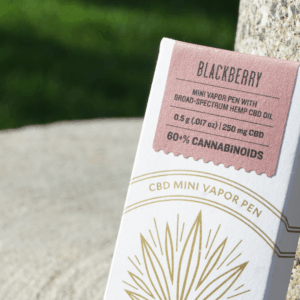
CBN is sold in multiple formats. Pick based on your lifestyle, your patience level, and how much you enjoy the taste of botanicals.
CBN gummies are the most popular format for sleep, for obvious reasons:
Best for: people who want a tasty, consistent, low-effort bedtime supplement.
Watch-outs: slower onset than inhaled options, and you may be tempted to take more because they taste like candy. Don’t. They are not bedtime Skittles.
Tinctures are a flexible format:
Best for: people who want precise control over dose and don’t mind the taste.
Watch-outs: tincture strength varies wildly across brands. Read the label carefully. A “dropper” is not a unit of measurement blessed by science.
Capsules are simple and unglamorous, which is often perfect.
Best for: people who want convenience and consistency without sugar.
Watch-outs: onset can be slower because it goes through digestion.
Inhalation tends to have a faster onset, but it’s not ideal for everyone and may not fit “sleep hygiene” vibes.
Best for: experienced users who want fast onset and know their tolerance.
Watch-outs: not recommended for people avoiding inhalation products, and product quality matters a lot.
The best product is the one that:
If you’re shopping for hemp-derived CBN sleep products, your most common options will be:
Integrate the product into your routine. Make it boring. Make it consistent. Sleep rewards consistency.
Let’s be clear: there is no one-size-fits-all dose. Your ideal CBN dose depends on:
That said, you still need a starting point. So here’s practical guidance.
For many people, a reasonable starting range is:
A common “regular use” range in many consumer products is:
Some people take more, but don’t sprint there. Walk. Evaluate. Adjust.
CBD is commonly included at doses like 10 mg, 25 mg, or 50 mg alongside CBN.
A beginner-friendly combo might be:
If you try CBN alone and it feels underwhelming, a CBN+CBD combo is often the next sensible step.
Low-dose THC can change everything. For some people, it’s the missing puzzle piece. For others, it’s a one-way ticket to “why is my heart doing that?”
If your CBN sleep product includes THC, be cautious with dosing. Many people start with:
If you’re THC-sensitive, avoid THC entirely. There is no medal for suffering through a cannabinoid you don’t enjoy.
This depends on the format:
Your job is to test timing over a few nights, not change everything every night like you’re spinning a roulette wheel.
Keep notes for a week. Yes, notes. Sleep is worth it.
CBN edibles can take time. If you take a gummy and feel nothing after 20 minutes, that’s not a failure. That’s digestion.
Wait long enough before deciding to increase. Otherwise, you get the classic edible experience: “This isn’t working” followed by “I am now one with the mattress.”
A trustworthy CBN product label (and website) should tell you:
A Certificate of Analysis should show cannabinoid potency (CBN, CBD, THC, etc.) and contaminant testing at minimum.
If a brand doesn’t provide a COA, or hides it like a family secret, choose a different brand. Plenty of reputable options exist. Sleep is not the category to gamble in.
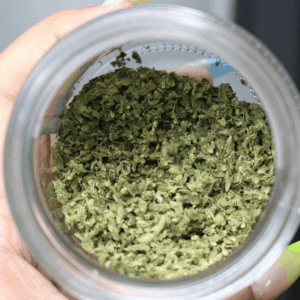
CBN is generally well tolerated by many users, but “natural” does not mean “risk-free.” Be smart.
Some people may experience:
Talk to a clinician before use if you:
And if you’re subject to drug testing: understand that hemp products may still carry risk depending on THC content and your testing environment. If testing is strict, consider avoiding cannabinoid products entirely.
CBN didn’t suddenly appear. The demand did.
People are burned out. Sleep is worse. And lots of folks want an option that sits somewhere between:
CBN products are also easy to brand and easy to understand. “Sleepy cannabinoid” is a clean story. Too clean, sometimes. Your job is to buy the reality, not the marketing.
The reality is this:
It’s important to note that while CBD oil and its related compounds like CBN have gained popularity for their potential benefits, they should be used responsibly and with caution, especially for those with certain health conditions or who are taking specific medications.
Do this:
Not that:
CBN is a tool. Use the tool. Don’t worship the tool.
If you only remember one section, make it this one.
If you want the simplest path:
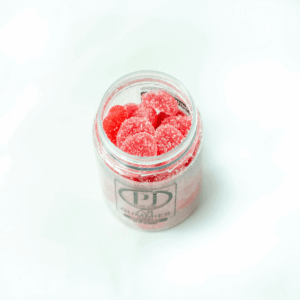
CBN is a cannabinoid most famous for being linked to sleep, largely because it’s associated with THC degradation and because modern hemp formulas use it as a cornerstone ingredient in nighttime products.
Choose your format. Gummies, tinctures, capsules. Keep it simple. Start low. Repeat: start low. Verify lab tests. Repeat: verify lab tests.
And if you’re looking for a practical place to begin, hemp-derived CBN sleep gummies or a CBN+CBD tincture are the most straightforward options for most people. Pick a reputable product, take a conservative dose, and give it a full week of consistent use before you decide whether CBN is your sleep MVP or just another supplement you politely break up with.
Sleep is a long game. Play it like one.

Jun 22, 2026 Jenna Renz

Jun 22, 2026 Jenna Renz

Jun 22, 2026 Jenna Renz