What Is Decarboxylation? How Heat Activates Cannabis

Ship to
What is decarboxylation? It’s the simple (and slightly nerdy) process where heat turns “inactive” cannabis compounds into “active” ones, which is why raw cannabis won’t get you high and why edibles don’t work unless something, somewhere, got warmed up on purpose.
If you’ve ever looked at a lab report and thought, “Why is everything THCA and CBDA instead of THC and CBD?” congratulations, you’re already standing at the door of decarboxylation. Now let’s walk in.
Most cannabinoids in fresh, raw cannabis exist in their acid forms:
These “A” cannabinoids have an extra chemical piece called a carboxyl group (COOH). When you apply heat, that group pops off as carbon dioxide (CO₂). That removal is called decarboxylation.
In plain English:
Heat “unlocks” the cannabinoids.
No heat, no conversion. No conversion, no typical edible-style effects. Simple. Annoying. Important.
Here’s the part most people miss: THCA is not the same as THC.
So if someone eats a nug of raw flower like it’s a salad topping, they might feel:
But typically not high.
Yes, you can consume raw cannabis for other reasons people discuss (like raw cannabinoid acids), but if your goal is classic psychoactive effects, THCA needs heat. That’s the deal.
This is the DIY route: oven, time, temperature control, and the constant fear you’re “doing it wrong.”
People decarb cannabis to:
When it comes to making cannabutter, which is a common method of infusing butter with cannabis, understanding the decarboxylation process is crucial. You can find detailed guides on how to make cannabutter or explore another method here.
Smoking and vaping decarb cannabis because combustion or hot vapor does the conversion instantly.
Also, many commercial edibles, tinctures, and oils are made using already decarboxylated cannabis extract.
And yes, that matters.
Our edibles, tinctures, and oils are already decarboxylated and ready to use. No oven required.
If you want results without turning your kitchen into a low-budget chemistry lab, that convenience is the point.
When you smoke or vape flower:
When you eat cannabis:
So if you skip decarb and make cannabutter with raw flower without understanding the process, you can end up with:
Decarb is not optional for typical THC edibles. It’s the entrance ticket.
For home users, a widely used sweet spot is:
That range balances:
Let’s break it down a little.
Because decarb is a process, not a light switch. You want:
If you’re the type who likes simple rules, here’s one: Aim for moderate heat. Be patient. Don’t scorch it.
Different people prefer different targets depending on goals, equipment, and how much they trust their oven. Here are practical guideline ranges you’ll see most often in real kitchens:
You are not forging a sword. You are gently persuading plant chemistry to cooperate.
Overheating is the most common DIY mistake because people assume hotter equals better.
It does not.
High heat can:
So if your decarbed flower comes out:
You probably cooked away some of the good stuff.
Underheating is the other classic mistake. It looks “safe,” but it leaves your cannabinoids stuck in their inactive forms.
Signs you under-decarbed:
Underheating can leave a meaningful portion of THCA unconverted, which means you’re not getting what you thought you were making.
If you want a basic approach that works for most people, do this:
Do not walk away and forget it. Set a timer. Set two timers. Be dramatic about it.
Decarbing can smell strongly like cannabis. If you need discretion, consider:
This method is popular for people trying to reduce odor and preserve more volatiles.
Basic idea:
This can reduce smell and may help retain more aroma, though ovens vary and safety matters. Use common sense, handle hot glass carefully, and don’t pressure-seal a jar in a hot oven like you’re auditioning for a disaster documentary.
Decarb is step one. Infusion is step two.
You can do both in one process with some methods, but many DIY failures happen because people “kind of decarb” while infusing at too low a temperature, for too short a time, with uneven heating, and then act surprised when the brownies are basically just expensive chocolate cake.
Be methodical:
Repeat. Repeat. Repeat.
Even with perfect decarb, edibles don’t feel like smoking. That’s because when you eat THC, your liver converts it into 11-hydroxy-THC, which many people find:
Decarb doesn’t change that pathway. Decarb just ensures you have active THC available to begin with.
So yes, decarb is necessary, but it’s not the whole story. It’s the ignition key, not the entire road trip.
Hemp flower and many hemp extracts are rich in CBDA, not CBD. If a product is designed to deliver CBD, it typically needs decarboxylation somewhere in manufacturing.
That’s why reputable CBD oils and gummies are usually made with:
Our edibles, tinctures, and oils are already decarboxylated and ready to use. No oven required.
That means you can skip the kitchen experiments and get straight to consistent dosing.
Ovens lie. Constantly. Like a politician’s campaign promise.
Fix it:
Powdery flower can heat unevenly and scorch faster.
Fix it:
You can decarb faster with more heat, but you can also destroy cannabinoids faster too. Not a win.
Fix it:
Thick piles lead to uneven conversion.
Fix it:
Color can change for many reasons, including dryness and age. Don’t rely on vibes.
Fix it:
Likely causes:
What to do:
Likely causes:
What to do:
Likely causes:
What to do:
Likely causes:
What to do:
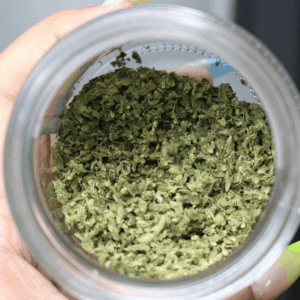
DIY is fun. DIY is empowering. DIY also sometimes ends with you googling “can I save overcooked cannabutter” at 1:00 a.m.
If what you actually want is convenience and consistency, do this instead:
Our edibles, tinctures, and oils are already decarboxylated and ready to use. No oven required.
No guessing. No smell. No “is this brown enough?” just results.
Decarboxylation is the process where heat removes a carboxyl group (COOH) from cannabinoid acids like THCA and CBDA, converting them into active forms like THC and CBD.
Raw cannabis contains mostly THCA, not THC. THCA does not produce the same intoxicating effects as THC. Heat is needed to convert THCA into THC.
A common home range is 220–240°F. Many people aim around 230°F for balanced conversion with lower risk of overheating.
A common guideline is 30–45 minutes, depending on temperature, oven accuracy, and how the flower is prepared and spread.
You can, but it increases the risk of degrading cannabinoids and losing terpenes. If you want consistent potency, stay in the moderate range and don’t rush it.
Overheating or decarbing too long can degrade THC, reduce overall potency, and burn off terpenes. Your final product may be weaker and taste harsher.
You may leave a significant amount of THCA unconverted, which can make edibles weak or ineffective compared to properly activated cannabis.
Yes, if you want classic THC edible effects. Decarbing activates THC before infusion and baking. Without decarb, potency is often much lower and inconsistent.
Often, yes. Hemp contains a lot of CBDA. To deliver CBD in oils, tinctures, and edibles, manufacturers typically decarboxylate the extract or use processes that convert CBDA to CBD.
Many commercial tinctures and oils are made with decarboxylated extract, meaning they are ready to use. Our edibles, tinctures, and oils are already decarboxylated and ready to use. No oven required.

Jun 22, 2026 Jenna Renz

Jun 22, 2026 Jenna Renz

Jun 22, 2026 Jenna Renz