Can You Overdose on Magic Mushrooms? Everything You Need to Know

Ship to
As the conversation around psychedelics grows, many people wonder: Can you OD on magic mushrooms? While substances like alcohol and opioids have well-documented overdose risks, magic mushrooms—containing the psychedelic compound psilocybin—work differently in the body.
Psilocybin mushrooms have been used for centuries in spiritual and therapeutic practices, and modern research suggests they may have profound benefits for mental health. However, despite their promising potential, taking too high of a dose can lead to intense and sometimes overwhelming experiences. These “psychological overdoses”—also called bad trips—can cause panic, paranoia, and loss of touch with reality. While psilocybin itself is not considered physically toxic, taking excessive amounts can result in dangerous behavioral risks, which is why understanding safe use is crucial.
This guide will break down everything you need to know about overdosing on magic mushrooms, including how they work, potential risks, and best practices for responsible use.
Magic mushrooms, or psychedelic mushrooms, are a type of fungi that contain psilocybin, a naturally occurring psychedelic compound. When ingested, psilocybin is metabolized into psilocin, which interacts with serotonin receptors in the brain. This results in altered perception, mood enhancement, visual distortions, and deep introspection.
There are over 180 known species of psilocybin-containing mushrooms, with some of the most well-known strains including Psilocybe cubensis, Psilocybe azurescens, and Psilocybe cyanescens. The potency of each species varies, meaning that one gram of P. azurescens can be significantly stronger than one gram of P. cubensis.
Psilocybin works primarily by binding to serotonin receptors, particularly 5-HT2A receptors, leading to changes in perception, thought patterns, and emotions. This is why users often report euphoric feelings, increased creativity, and deep spiritual insights. However, at higher doses, the effects can become more intense, leading to ego dissolution, time distortion, and powerful visual and auditory hallucinations.
Physically, psilocybin mushrooms have a much lower toxicity compared to substances like alcohol or opioids. However, the way they alter cognition and perception can lead to risky behaviors, disorientation, or extreme psychological distress—which is where the real danger lies.
When discussing overdoses, it’s important to define the term correctly. A toxic overdose refers to a dose that leads to organ failure, mushroom poisoning, or death—something that is extremely rare with psilocybin. A psychological overdose, however, occurs when someone takes more than their mind can handle, leading to extreme fear, paranoia, or delusions.
A psychological overdose may not be physically dangerous, but it can lead to self-harm, dangerous decisions, or extreme distress. This is why set, setting, and dosage control are so important when using psilocybin.
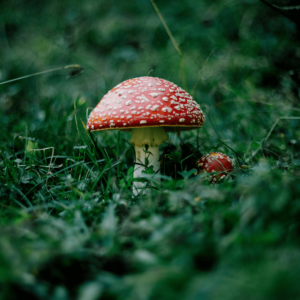
Although psilocybin is non-toxic in the traditional sense, consuming a high dose can still result in unpleasant or dangerous experiences.
While magic mushrooms do not cause addiction, repeated high-dose use can lead to emotional instability or detachment from reality.
A fatal overdose from psilocybin itself is virtually unheard of. Unlike substances such as opioids, which depress the respiratory system, magic mushrooms do not shut down vital bodily functions. However, deaths have been reported due to behavioral risks associated with high doses, such as:
The real risk of magic mushrooms comes from the state of mind they induce, rather than the substance itself. This is why creating a safe environment and taking a responsible dose is so important.
To minimize the risks of a negative or overwhelming experience, start my ensuring that you are consuming magic mushrooms rather than poisonous mushrooms. Additionally, consider the following safety guidelines:
So, can you overdose on mushrooms? In the traditional, toxic sense, the answer is no—psilocybin is not lethal. However, taking too high of a dose can lead to a psychological mushroom overdose, which, while not fatal, can be extremely distressing and potentially dangerous due to impaired judgment.
By understanding proper dosing, preparing a safe environment, and having a support system, you can significantly reduce the risks of a negative experience. As research continues to explore psilocybin’s potential for mental health treatment, it’s essential that users approach psychedelics with respect and responsibility. And if you’re prone to drug abuse, drug addiction, or other substance abuse, we suggest steering clear or even seeking mushroom addiction treatment if needed.


Jun 22, 2026 Jenna Renz

Jun 22, 2026 Jenna Renz

Jun 22, 2026 Jenna Renz