CBN Benefits: Unlocking the Sleepy Side of Cannabis

Ship to
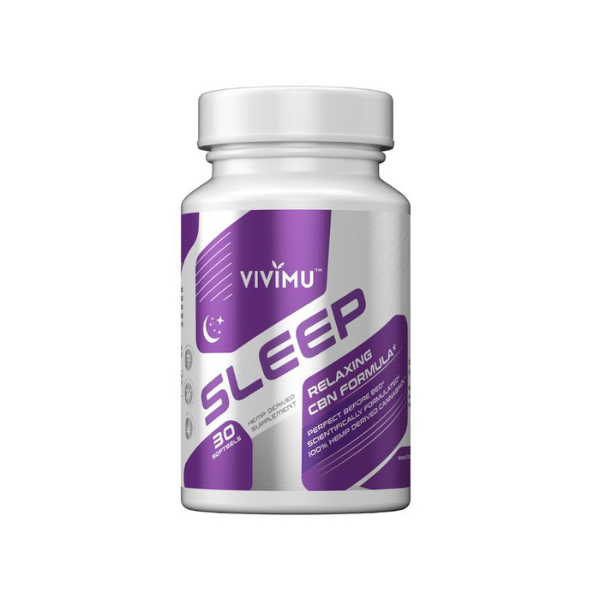
When it comes to In this article, we’ll explore what makes CBN stand out from the cannabis crowd, why it’s earned a reputation as the “sleepy cannabinoid,” and how it might benefit your wellness routine in ways you haven’t even considered. Whether you’re looking for a new way to improve your sleep hygiene, deal with chronic pain, or support long-term brain/mental health, CBN could be your new go-to. If CBN had a superpower, it would undoubtedly be its ability to promote deep, restful sleep. In fact, this benefit is so prominent that many people first hear about CBN through sleep-focused products like gummies, tinctures, or capsules that are often labeled as “nighttime” or “PM” formulas. But what is it about CBN that makes it so sleep-friendly? CBN interacts with the body’s endocannabinoid system (ECS), a complex network of receptors that helps regulate processes like mood, appetite, and—you guessed it—sleep. Specifically, CBN appears to bind to CB1 receptors, albeit more weakly than THC, to produce mildly sedative effects without the high. This makes it particularly attractive for people who want to avoid THC’s psychoactivity but still benefit from cannabis-based therapies. Though more human studies are needed, preliminary research and anecdotal reports consistently point to CBN’s usefulness in helping users: CBN is often compared to traditional sleep aids like melatonin or diphenhydramine (found in Benadryl), but unlike those options, it typically doesn’t cause the same next-day grogginess or dependence. In fact, many users report feeling naturally drowsy shortly after taking CBN, without feeling “knocked out” or foggy the next morning. It’s also worth noting that CBN tends to work even better in synergy with other cannabinoids. Many sleep products combine CBN with CBD to amplify calming effects, or with low doses of THC to leverage the entourage effect—a concept that suggests cannabinoids work better together than alone. When it comes to dosage, starting low is key. Beginners might start with 5–10mg of CBN an hour before bed, adjusting upward if needed. And while CBN isn’t a one-size-fits-all solution, for many, it’s a natural, non-addictive alternative to over-the-counter or prescription sleep medications. While sleep may be CBN’s claim to fame, its health benefits don’t end there. Another promising area where CBN shows potential is in managing pain and inflammation—a boon for anyone dealing with chronic discomfort or acute soreness. CBN appears to have anti-inflammatory properties that may help reduce swelling and irritation in the body. While this is still being studied, early research suggests that CBN interacts with specific receptors involved in the pain signaling process, such as TRPV2 receptors. These receptors play a role in detecting pain and regulating body temperature, and modulating them could lead to a reduction in pain perception. People with conditions like arthritis, fibromyalgia, or even post-exercise inflammation may find relief from CBN, especially when combined with CBD or used in topical forms. CBN-infused creams and salves allow for localized relief, targeting problem areas without systemic effects. This makes it an appealing option for those who prefer not to ingest cannabinoids but still want their therapeutic benefits. Although clinical data from cannabinoid research is limited, some animal studies have shown that CBN may provide pain relief comparable to other cannabinoids. Anecdotally, users report decreased joint pain, backaches, and general discomfort with regular CBN use. And unlike THC-heavy products, CBN allows users to stay clear-headed and functional while managing their pain. As the interest in cannabis-based alternatives to NSAIDs and opioids grows, CBN’s role as a pain reliever could become more central—especially for those seeking natural, plant-based options without the risks of long-term pharmaceutical use. Beyond sleep and pain relief, CBN is being explored for its more medically nuanced benefits, including neuroprotection and antibacterial action—two areas where cannabinoids could have groundbreaking applications. Neuroprotective properties refer to a substance’s ability to preserve nerve structure and function. CBN has shown early promise in this area, particularly in studies involving neurodegenerative diseases like ALS (amyotrophic lateral sclerosis) and Alzheimer’s. In one study involving rodents, CBN helped delay the onset of ALS symptoms. While these are just preliminary findings, they’re encouraging enough to warrant further investigation, especially for individuals or families dealing with the long-term effects of these devastating conditions. CBN has also been found to stimulate appetite, which is crucial for patients undergoing chemotherapy or dealing with conditions like HIV/AIDS or anorexia. Unlike THC, which causes a noticeable high, CBN may offer appetite stimulation without mild psychoactive effects, making it more suitable for patients who need to remain alert and functional. One of the more unexpected areas of CBN research involves its antibacterial potential. In particular, CBN has shown effectiveness against MRSA (methicillin-resistant Staphylococcus aureus), a dangerous, antibiotic-resistant strain of bacteria. This has led researchers to consider cannabinoids as potential leads in the development of new antibiotics—an exciting frontier given the growing concern around antibiotic resistance. While we’re still a long way from CBN-based prescription drugs, the compound’s ability to support brain health, fight off bacteria, and improve nutrition points to a cannabinoid with far more to offer than just better sleep. With all the potential benefits of CBN, you might be wondering how to incorporate it into your routine. Fortunately, CBN is now available in a wide range of formats, making it easy to find something that suits your lifestyle and preferences. When shopping for CBN products, quality matters. Look for brands that provide third-party lab testing and Certificates of Analysis (COAs). These documents confirm that what’s on the label is actually in the product—and that it’s free of contaminants like heavy metals, solvents, or pesticides. It’s also important to check if you’re getting CBN isolate or full-spectrum products that include other cannabinoids and terpenes for enhanced effect. For safety, start with a low dose—typically 2.5 to 10mg—and see how your body responds. CBN is generally well tolerated, but some users report: Also, if you’re on prescription medications, especially those affecting the liver or central nervous system, it’s wise to talk to your doctor before adding CBN to your wellness plan. Cannabinoids can interact with medications metabolized by the liver’s cytochrome P450 enzyme system. Legally, CBN occupies a bit of a gray area. While it’s not scheduled by the DEA and can be derived from legal hemp, laws vary by state and country. In the U.S., most hemp-derived CBN products are federally legal as long as they contain less than 0.3% THC, but always check your local regulations to be sure. CBN may be one of the lesser-known cannabinoids, but its list of potential benefits is anything but minor. From supporting restful sleep and reducing inflammation to offering neuroprotective effects and even battling bacteria, CBN is a compound worth watching—and possibly incorporating into your daily routine. Though research is still in its early stages, the current evidence, both scientific and anecdotal, makes a compelling case for giving CBN a closer look. As always, talk to a healthcare provider before beginning any new supplement, especially one with systemic effects like cannabinoids. So, whether you’re an insomniac looking for natural relief or someone curious about what else cannabis has to offer, CBN might just be your new bedtime bestie.la/shop/trait/cannabinoids"> cannabinoids, most people are familiar with the headliners: THC and CBD. But nestled in the shadows of the medical marijuana plant is a lesser-known, but highly promising, compound—CBN, short for cannabinol. Once thought of as a mere byproduct of aged THC, CBN benefits are now stepping into the spotlight for its unique benefits, especially when it comes to promoting restful sleep and reducing inflammation. While research on CBN is still emerging, what we already know paints a compelling picture of a cannabinoid with serious therapeutic potential.
CBN for Sleep: Why It’s Called the “Sedative Cannabinoid”

Pain and Inflammation Relief with CBN
Neuroprotective and Antibacterial Potential of CBN

How to Use CBN: Products, Safety, and Side Effects
Common CBN product types include:

Conclusion: Is CBN Right for You?

Jun 22, 2026 Jenna Renz

Jun 22, 2026 Jenna Renz

Jun 22, 2026 Jenna Renz