How Long Do Shrooms Last? Understanding the Duration of a Psychedelic Experience

Ship to
How long do shrooms last? Psilocybin, the active compound in In this article, we’ll dive into the science behind psilocybin, discuss how long a typical trip lasts, and explore the various factors that can alter the duration of your experience. Let’s explore how long shrooms really last and what influences the timeline of a magic mushroom trip. To fully understand how long a shroom trip lasts, it’s helpful to first grasp how psilocybin works within your body. Psilocybin is a naturally occurring compound found in over 180 mushrooms species, and it’s the substance responsible for the psychedelic effects that users experience. When ingested, psilocybin is metabolized into psilocin, a molecule that affects serotonin receptors in the brain, leading to changes in mood, perception, and cognition. The key to understanding how long shrooms last lies in this process. Psilocybin’s effects don’t hit your system all at once. Instead, they unfold gradually, which is why magic mushrooms tend to provide a slow onset and prolonged effects. Psilocin’s influence on the brain can last anywhere from several hours to even a day in rare cases. While the effects generally peak within a few hours, the overall experience can be much longer due to the altered sense of time that many people experience under the influence. The typical length of a shroom trip varies between individuals but can generally be broken down into three distinct phases: In total, a shroom trip typically lasts 4 to 8 hours, but the feeling of altered time perception often makes it feel longer or shorter than it actually is. Time can warp significantly under the influence of psilocybin, leading some to feel like they’ve been on the trip for days, even though it’s only been a few hours. Several factors influence how long a shroom trip will last, and it’s essential to consider these when planning your experience. These factors include: The more mushrooms you consume, the longer the trip is likely to last. Larger doses can extend the peak phase and make the effects feel more intense. A small amount might result in a trip that lasts only 4 hours, while a high dose could keep you under the influence for 8 hours or more. How you consume the mushrooms also plays a role in trip duration. Eating raw mushrooms typically has a slower onset and can last longer compared to other methods like drinking shroom tea or using edibles. When you ingest mushrooms in food or tea, the onset might take longer, but the effects could last even longer. Your own metabolism, body composition, and mental state can significantly affect how long the trip lasts. People with a faster metabolism may experience a quicker onset and shorter duration, while those with a slower metabolism might experience longer-lasting effects. Similarly, your mental health going into the trip can also influence its length and intensity. The environment you are in while using shrooms, along with your mindset, can influence your perception of time. A calm, relaxed setting can lead to a smoother, more enjoyable trip, while a chaotic or stressful environment might cause anxiety, which can make the experience feel much longer or uncomfortable. When it comes to how long psilocybin mushrooms stay in your system, the active compound is generally metabolized quickly. Psilocybin is converted into psilocin, and the half-life of psilocin in the body is typically about 2 to 3 hours. This means that psilocin is processed and eliminated from your system within a 24-hour period. While the psychedelic effects wear off relatively quickly, traces of psilocin can be detected in urine for up to 24 hours after ingestion. It’s important to note that standard drug tests, like urine tests, typically don’t screen for psilocybin or psilocin, so there’s no real concern for most people when it comes to routine drug tests unless you’re undergoing a specific psychedelic screening. As mentioned earlier, the peak phase of a fresh or dried mushrooms trip is when the effects are the most intense, and the visual and emotional experiences are heightened. However, many users experience significant changes in how they perceive time, reality, and their environment during the peak phase. After the peak comes the come down. This phase is when the intensity of the trip subsides, and many people report a gradual sense of mental clarity and physical relaxation. Some people might feel tired, while others experience a period of introspection or even a feeling of enlightenment. The overall come-down phase lasts between 1–3 hours, depending on the person and the dosage. Compared to other popular psychedelics, magic mushrooms offer a fairly moderate trip duration. For instance: Thus, shrooms offer a middle ground—lasting somewhere between the extended duration of LSD and the brief, intense nature of DMT. The duration of a trip caused by shroom edibles is generally longer than that of raw mushrooms, thanks to the slower digestion process. When you ingest mushrooms in an edible form (like chocolate, gummies, or tea), the effects often take longer to kick in, anywhere from 30 minutes to 2 hours. However, the overall experience might last between 5 and 8 hours due to the extended release of psilocin. The dosage and individual metabolism still play a role, so it’s crucial to start with a small amount if you’re not experienced with edibles. Always remember that edibles can take a while to kick in, so patience is key. One of the most common experiences with psychedelics like shrooms is time distortion. During a trip, time can seem to stretch, shrink, or loop in ways that feel unnatural. This is a result of how psilocin alters your brain’s serotonin receptors, which are responsible for regulating mood, perception, and time. Many users report feeling as though hours pass by in what feels like minutes or, conversely, that minutes seem to last an eternity. This altered perception of time is part of the overall psychedelic experience and can sometimes lead to a feeling of “lost time” during the trip. Once the intensity of the trip subsides, many users report an afterglow—a period of heightened emotional sensitivity, mental clarity, and a general sense of peace or euphoria. This afterglow phase can last for several hours, and some people feel the positive effects the next day. This feeling of clarity or emotional openness is often described as enlightening and can remain with the user for hours after the trip has ended. For some, it serves as a lasting reminder of the insights or perspectives gained during the experience. Several external and internal factors can influence how long your trip lasts, including: While most shroom trips last between 4 and 8 hours, some users may experience lingering effects or uncomfortable symptoms during prolonged experiences. Risks of prolonged or intense trips include: Although the risks are low when used responsibly, it’s essential to stay hydrated and in a safe environment. For safety and mental health reasons, it’s advisable to wait at least a week between trips. This allows your body to fully metabolize the psilocybin and gives your mind time to process and integrate the experience. While there’s no way to rush the come-down, you can manage it by: In summary, the duration of a shroom trip typically lasts between 4 and 8 hours, with varying onset, peak, and come-down phases. Factors like dosage, consumption method, and individual metabolism can significantly affect the overall experience. Understanding the science and how different factors influence your trip can help you set expectations and ensure a safe and enjoyable experience. Always consume responsibly and be aware of the effects that can last far beyond the trip itself. la/shop/mushroom-products">mushrooms, is known for creating intense and unique psychedelic experiences. However, the question of how long these effects last can vary from person to person and is influenced by multiple factors. The Science Behind Psilocybin and Duration
How Long Does the Trip Last?
After ingestion, you’ll start feeling the initial effects of the mushrooms, which often begin with a subtle sense of euphoria. Some people may experience slight nausea during this phase, but this usually passes as the trip deepens.
Once the psilocybin has been metabolized into psilocin, you will enter the peak phase of the experience. This is where you’ll experience the most profound effects—visual and auditory hallucinations, intense emotional fluctuations, and a strong sense of connection with nature or the universe. The peak can last anywhere from 2 to 3 hours, depending on the dosage.
After the peak, the intensity of the effects begins to decrease, and you will start to come down from the experience. Although the physical effects may fade, many users report feeling a lingering afterglow, which can last for several hours after the trip itself has ended.Factors That Influence the Duration of a Shroom Trip
Dosage:
Method of Consumption:
Individual Factors:
Set and Setting:
How Long Do Shrooms Stay in Your System?
Peak vs. Come Down: What Happens During the Trip?
Do Shrooms Have a Shorter or Longer Duration Than Other Psychedelics?
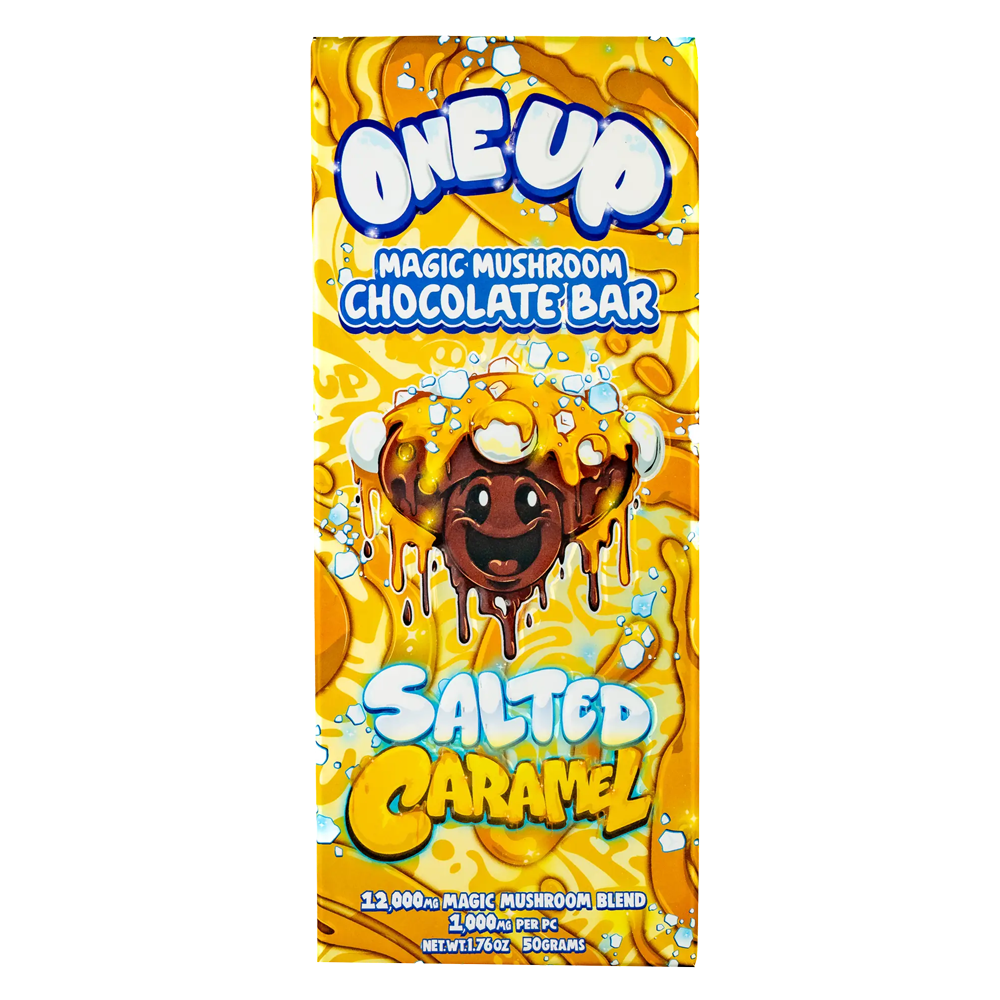
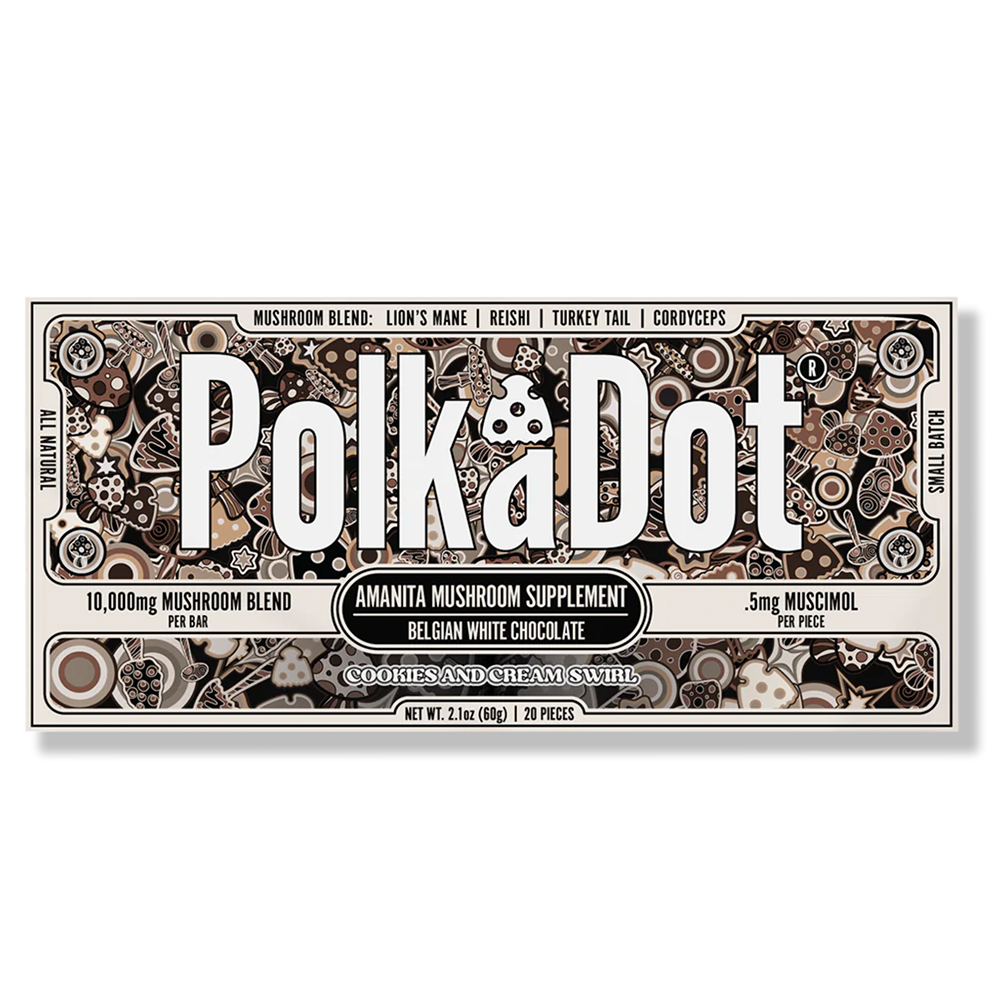
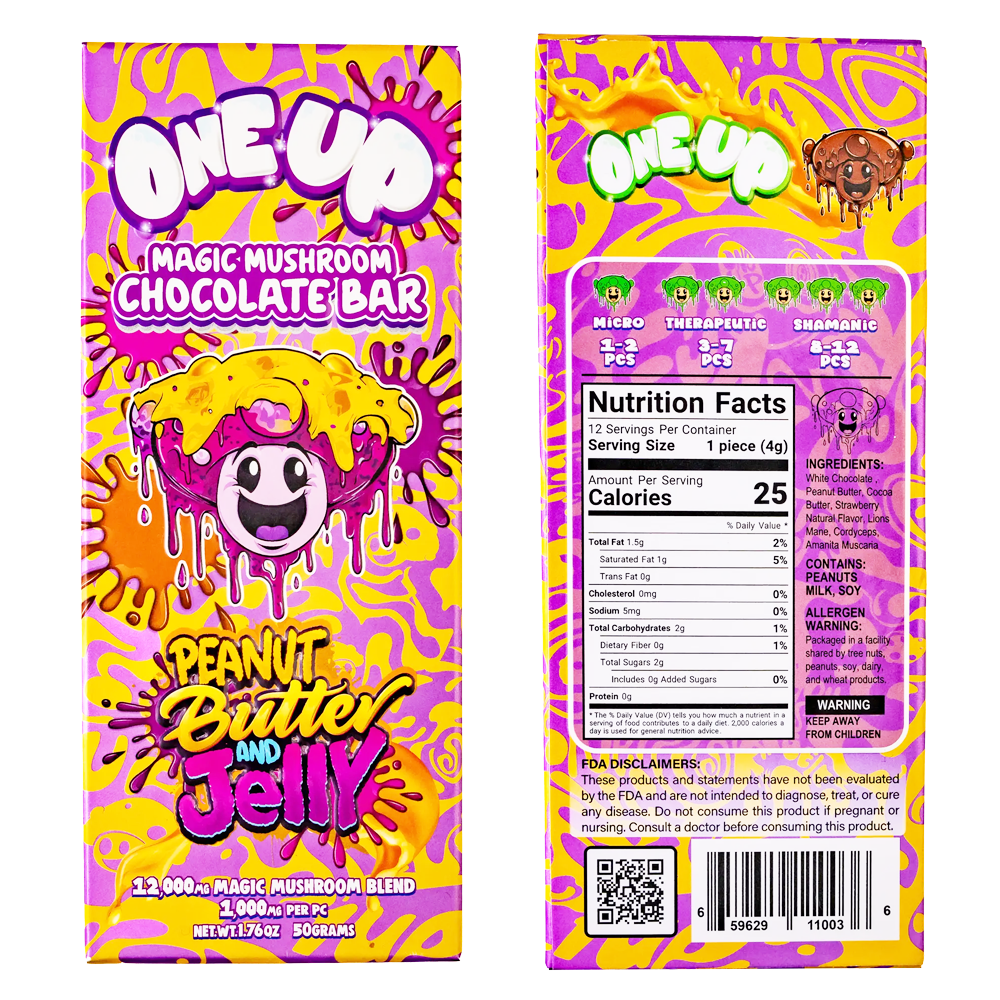
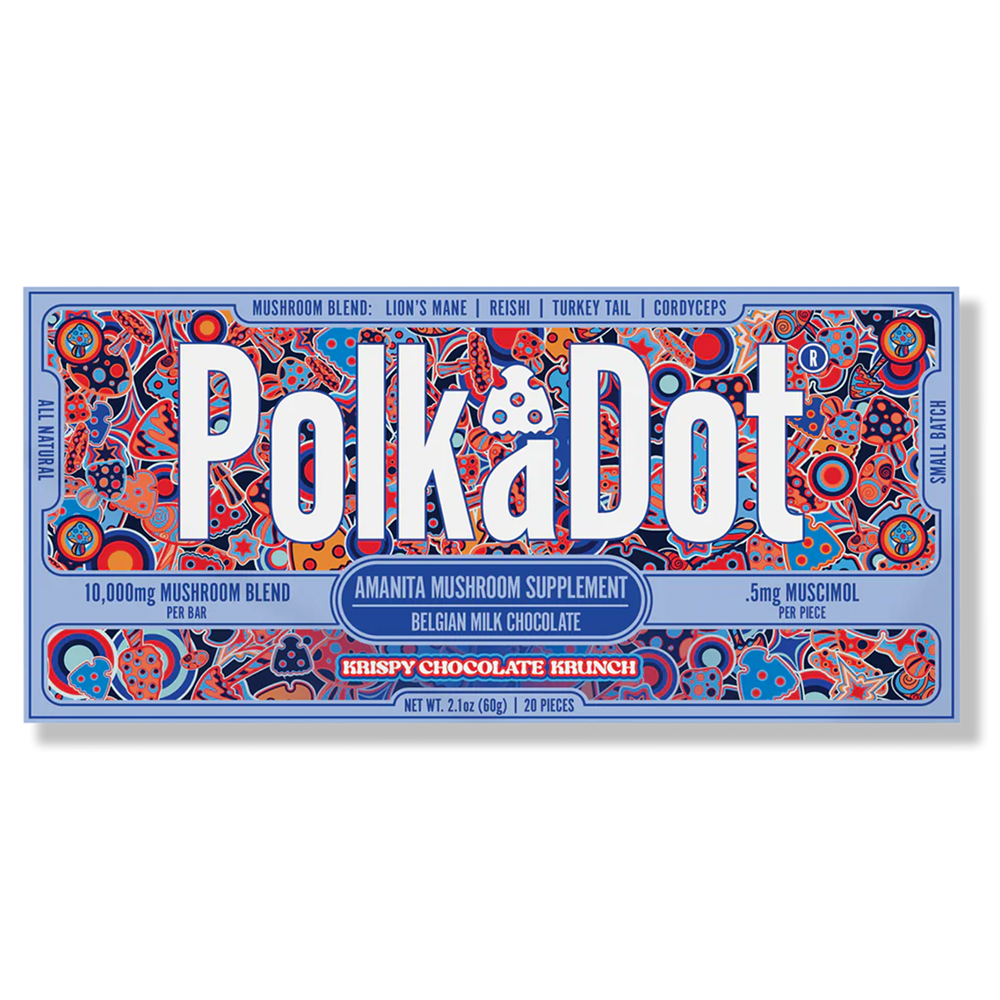
How Long Do Shroom Edibles Last?
Why Does Time Feel Different During a Shroom Trip?
Afterglow: How Long Do the Effects of Shrooms Last?
What Can Extend or Shorten the Duration of a Shroom Trip?
Are There Any Risks of Prolonged Shroom Trips?
How Long Should You Wait Between Shroom Trips?
Can You Speed Up the Come-Down Process?
Conclusion: Understanding the Duration of a Shroom Trip

Jun 22, 2026 Jenna Renz

Jun 22, 2026 Jenna Renz

Jun 22, 2026 Jenna Renz