How Long Does It Take for Shrooms to Kick In?

Ship to
When you ingest psychedelic mushrooms, commonly known as shrooms, one of the most common questions that arises is: How long does it take for shrooms to kick in?
The anticipation of the effects, coupled with the unique and transformative experience that magic mushrooms can offer, can make the waiting period feel long.
In this blog, we’ll explore the process of how long it typically takes for magic mushrooms to take effect, the different factors at play, and what you can expect during the onset phase.
Before diving into the details of how long it takes for shrooms to kick in, it’s helpful to understand what psilocybin mushrooms are. These mushrooms, known for their psychoactive properties, contain two primary compounds responsible for their effects: psilocybin and psilocin. When ingested, psilocybin is converted into psilocin in the body, which is what causes the psychoactive effects.
There are over 180 species of psilocybin mushrooms, with the most well-known being Psilocybe cubensis and Psilocybe semilanceata. These mushrooms have been used for centuries, traditionally in spiritual and religious ceremonies, as well as for their therapeutic benefits. In modern times, they are primarily used for recreational purposes, self-exploration, and even for potential mental health benefits.
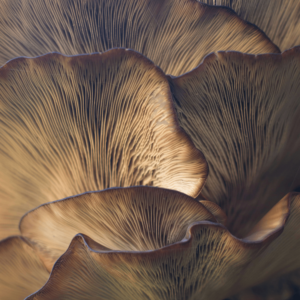
Once you consume psilocybin mushrooms, the magic begins in your body. The active compound, psilocybin, is broken down into psilocin by the digestive system. Psilocin then interacts with the serotonin receptors in the brain, leading to altered perceptions, mood changes, and a shift in consciousness. These effects are what create the hallucinogenic experience that many people seek when consuming mushrooms.
The brain’s serotonin receptors are crucial for regulating mood, perception, and cognition. By affecting these receptors, psilocin can cause changes in heightened sensory perception, time distortion, and enhanced emotional experiences. This is why psilocybin mushrooms are often used for personal insight, spiritual experiences, and recreational exploration.
The length of time it takes for shrooms to kick in is influenced by a variety of factors. These include:
The amount of psilocybin you consume will heavily impact how long it takes to feel the effects of shrooms. Generally, higher doses of mushrooms will lead to a faster onset of effects, though the overall intensity will be greater. For those starting out, it’s recommended to use a smaller dosage to gauge how your body reacts.
The way you consume mushrooms can affect how quickly you begin to feel the effects.
Your body’s metabolism can play a significant role in how long it takes for the effects of mushrooms to kick in. If you have a faster metabolism, you may experience quicker onset times. Those with slower metabolisms may need a bit more time before the effects become noticeable.
Having food in your stomach can delay the onset of shroom effects. Mushrooms typically take longer to kick in when you eat them after a meal, as the digestive system is busy processing other foods. If you consume shrooms on an empty stomach, they tend to kick in faster.
If you are someone who uses mushrooms frequently, your body might have developed a tolerance. People with higher tolerance levels may experience a delayed onset or reduced effects, especially if they’ve been using mushrooms regularly. On the other hand, first-time users will likely feel the effects more quickly.
The environment in which you consume mushrooms (the “set and setting”) can also impact how quickly you feel the effects. A relaxing, calm environment can help you feel the effects sooner, whereas an anxious or uncomfortable setting might delay or alter the experience.
For most people, it typically takes 20-60 minutes for the effects of psilocybin mushrooms to begin to take effect. However, this can vary depending on the aforementioned factors. Generally, you’ll start to notice subtle changes in your perception, such as enhanced colors, a mild sense of euphoria, and slight mood changes.
During the onset phase, you may also experience mild nausea or stomach discomfort, especially if you’ve consumed raw or dried mushrooms. This discomfort usually passes as the mushrooms begin to take effect.
When consuming raw or dried mushrooms, expect the effects to kick in within 30-60 minutes. This is the most common method of consumption and is often associated with a more gradual onset.
Brewing psilocybin mushrooms into tea speeds up the onset time. Most people report feeling the effects in as little as 20-40 minutes. This is due to the active compounds being dissolved in hot water, which facilitates quicker absorption by the body.
When consumed in capsules or powdered form, the onset time can range between 30-60 minutes. The delay is due to the time it takes for the capsule or powder to dissolve in the stomach and release psilocybin.
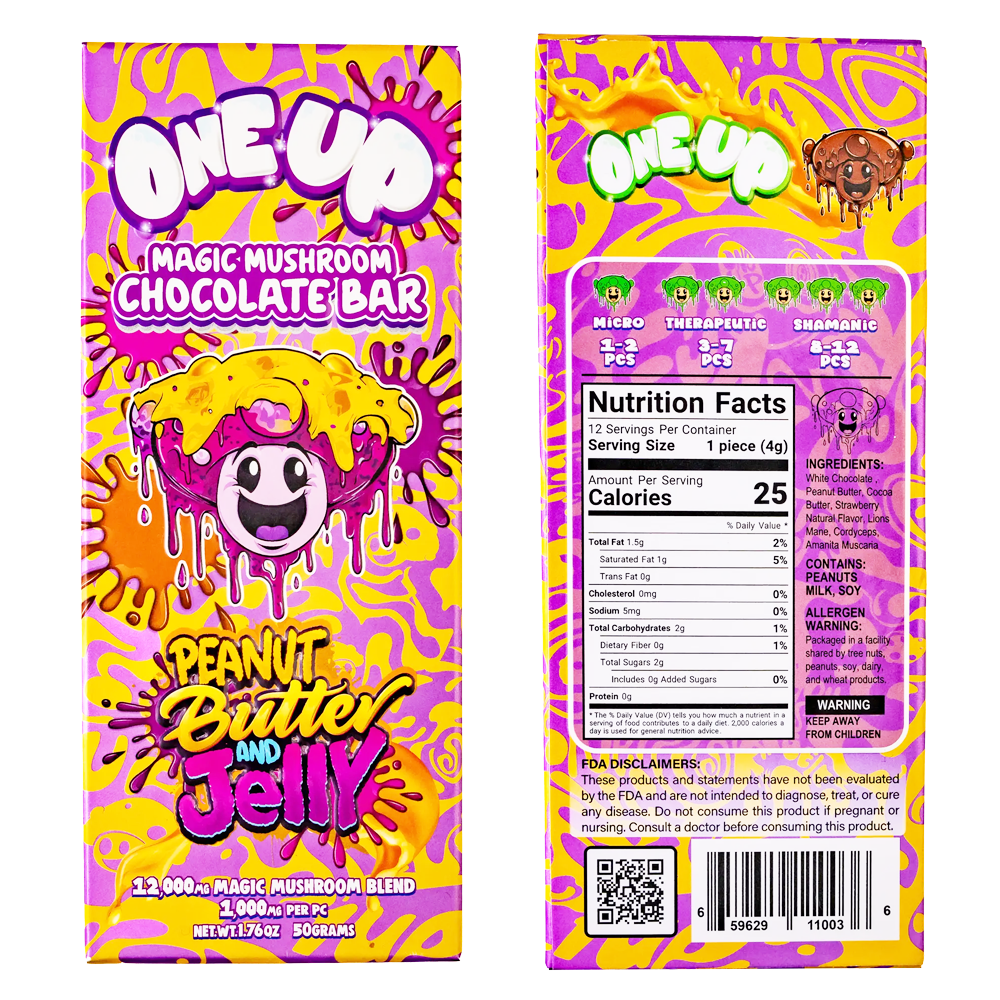
Shroom-infused edibles, like chocolates or gummies, typically take the longest to kick in. The onset time can range from 45 minutes to 1 hour, as the body needs more time to digest the edible and metabolize the psilocybin.
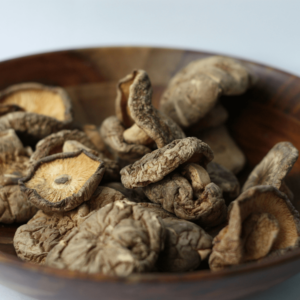
The reason it takes time for the effects of mushrooms to manifest is primarily due to the digestion and metabolism process. After ingestion, the body must break down the mushroom’s psilocybin, convert it into psilocin, and transport it to the brain. This process naturally takes time, especially when the mushrooms are consumed in solid form like raw or dried mushrooms.
In addition to digestion, psychological factors can also contribute to the perception of time during the onset phase. The anticipation of the effects can make it seem like time is moving slower, which is often the case when people first consume magic mushrooms.
As the psilocybin mushrooms start to take effect, you may notice several early signs:
At this stage, the effects are usually mild but can be noticeable, especially if you are in a quiet and comfortable environment.
After the initial onset, psilocybin mushrooms typically reach their peak effects within 2-3 hours of ingestion. This is when the intensity of the experience becomes most profound. You may experience intense visual and auditory hallucinations, deep introspective thought, time distortion, and emotional shifts.
The peak can last anywhere from 1-2 hours, depending on dosage and individual factors.
The effects of psilocybin mushrooms generally last between 4-6 hours, though this can vary depending on the individual and the dosage consumed.
After the peak experience, users often enter a comedown phase, where the intensity of the effects starts to fade. Some people experience an afterglow, a lingering sense of well-being, and clarity, that can last for several hours or even into the next day.
If it’s been an hour and you still haven’t felt any effects, don’t worry—it doesn’t necessarily mean something’s wrong. There are a few reasons why the effects of mushrooms might be delayed:
In most cases, it’s best to wait it out and avoid taking more mushrooms, as this could lead to a stronger or overwhelming experience later on.
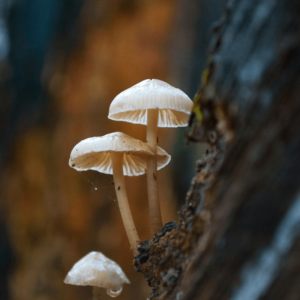
To optimize how quickly the effects of shrooms take place, consider the following tips:
While psychedelic mushrooms are relatively safe when used responsibly, it’s important to take safety precautions:
Additionally, it’s worth mentioning that it’s best to avoid shrooms magic mushrooms if you struggle with mental health issues or substance abuse.
Proper storage is essential for maintaining the potency of psilocybin mushrooms. Over time, if mushrooms are exposed to the wrong environmental conditions, they can lose their potency or even become unsafe to consume. Fortunately, there are some clear indicators that can help you determine whether your mushrooms are still good to go. In this section, we’ll explore in more detail how to tell if your mushrooms have lost their potency, and provide tips on how to properly store them to ensure they stay fresh for as long as possible.
Fresh psilocybin mushrooms, whether they are dried or fresh, should retain a vibrant, natural color. The color of the mushroom is often a good indicator of its freshness and potency. Psilocybe cubensis, one of the most popular species, typically has a golden-brown cap and a light-colored stem when it’s fresh or properly dried.
If your mushrooms have lost their bright color and appear faded or dull, it could be a sign that they have been stored improperly or have been exposed to heat, moisture, or light for too long. Loss of color may mean that the psilocybin has degraded, reducing the strength of the mushrooms. While color loss doesn’t always mean the magic mushrooms are no longer effective, it is a strong indicator that they might not pack the punch they once did.
One of the most significant signs that your mushrooms may have lost their potency is a crumbly texture. When fresh mushrooms are dried, they become much more brittle and fragile, but they should retain a firm, yet slightly pliable texture if properly stored.
If your dried mushrooms have become excessively dry and brittle, they may crumble easily when touched, making them difficult to handle. This excessive dryness indicates that they have likely been exposed to air, heat, or humidity for too long, which can degrade the psilocybin and render them less effective. In addition to texture, you may also notice powdery remnants when handling the mushrooms—this is a clear sign of degradation.
It’s important to store dried mushrooms in a way that prevents them from drying out too much. Using airtight containers, vacuum-sealed bags, or desiccants can help preserve their integrity and potency.
The smell of your magic mushrooms is another critical indicator of their condition. Fresh mushrooms have a mild earthy scent, and dried mushrooms tend to have a slightly more pungent, nutty odor. However, if your mushrooms begin to develop a musty or moldy smell, this is a sign that they have gone bad.
Mold growth is a significant concern when storing mushrooms, especially if they’ve been exposed to moisture. Psilocybin mushrooms are very sensitive to moisture, and even small amounts of humidity can lead to mold growth, which not only reduces potency but can also pose health risks. Moldy mushrooms should never be consumed, as they can cause respiratory issues or digestive discomfort.
The presence of an off-putting, sour, or fermented odor may also indicate that the mushrooms have started to spoil. This could happen if they’ve been stored in a warm or humid environment, such as a damp bag or jar that wasn’t properly sealed.
While psilocybin mushrooms naturally darken as they age and dry, an unhealthy darkening is a sign that they might be losing potency. Healthy dried mushrooms have a darkened color due to dehydration but should still retain their shape. Overly dark or blackened areas on the stems and caps, particularly if they appear shriveled or discolored in a way that seems uneven, could indicate that the mushrooms have been exposed to excessive moisture or heat, which can lead to the breakdown of psilocybin.
Excessive moisture during drying or storage can cause the mushrooms to become soft and spongy instead of brittle and firm. Dark patches or mold spots on the mushrooms, particularly if they are accompanied by a strange odor, are clear signs that they have spoiled. These mushrooms should be discarded immediately, as they may not only be ineffective but could also be harmful.
Even if your mushrooms appear visually intact and smell fine, over time, psilocybin will naturally degrade, leading to a reduction in potency. This is especially true for dried mushrooms. The psilocybin compound itself breaks down slowly when exposed to light, air, and heat. So even with proper storage, you should expect the mushrooms to lose some of their potency over a period of months to a year.
If you’ve had mushrooms stored for an extended period and they appear intact but have lost their vibrancy, it’s likely that their psychoactive effects will be diminished. In these cases, it’s best to consume them sooner rather than later, as the potency continues to degrade over time.
To maintain potency for longer periods, it’s crucial to store mushrooms in cool, dark places with low humidity. Freezing mushrooms can also help preserve them for longer durations, though this method may impact their texture.
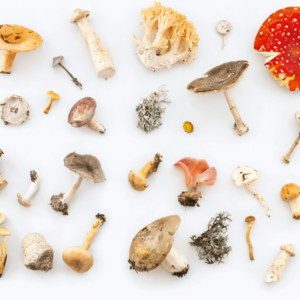
Now that we’ve discussed the signs of deteriorating mushrooms, let’s take a closer look at how to properly store your mushrooms to maintain freshness and potency over time. Here are some tips:
In conclusion, the time it takes for shrooms kick in varies depending on several factors, including the consumption method, dosage, metabolism, and individual tolerance. On average, it takes 30-60 minutes for shrooms to begin affecting most users, with peak effects occurring around 2-3 hours after consumption. By understanding how these factors work, you can optimize your experience, minimize anxiety, and enjoy a more profound and rewarding journey.

Jun 22, 2026 Jenna Renz

Jun 22, 2026 Jenna Renz

Jun 22, 2026 Jenna Renz